Preventing Monsoon Breakouts FAQ: Your Guide to Clear Skin


Target & Fade Duo for Hyperpigmentation | Even-Tone Underarms, Inner Thighs & Bum | Refines Skin Texture | For All Skin Types
That first monsoon shower feels magical until you wake up the next morning with a fresh cluster of pimples dotting your chin. Sound familiar? You're not alone in this seasonal skin struggle. The combination of increased humidity, fluctuating temperatures, and that sticky feeling that never quite goes away creates the perfect storm for breakouts. But here's the thing – monsoon acne isn't inevitable. With the right approach, you can actually enjoy the rainy season without your skin paying the price.
The monsoon season brings a unique set of challenges for your skin that go beyond just feeling a bit sticky. When humidity levels spike, your skin's natural oil production goes into overdrive, thinking it needs to compensate for moisture loss. Ironically, all that extra moisture in the air actually tricks your skin into producing even more sebum.
This excess oil doesn't just sit on your skin's surface – it mixes with dead skin cells, makeup residue, and environmental pollutants to create a cocktail that's perfect for clogging pores. The warm, moist environment also becomes a breeding ground for bacteria, particularly the Propionibacterium acnes that's responsible for those angry, inflamed breakouts.
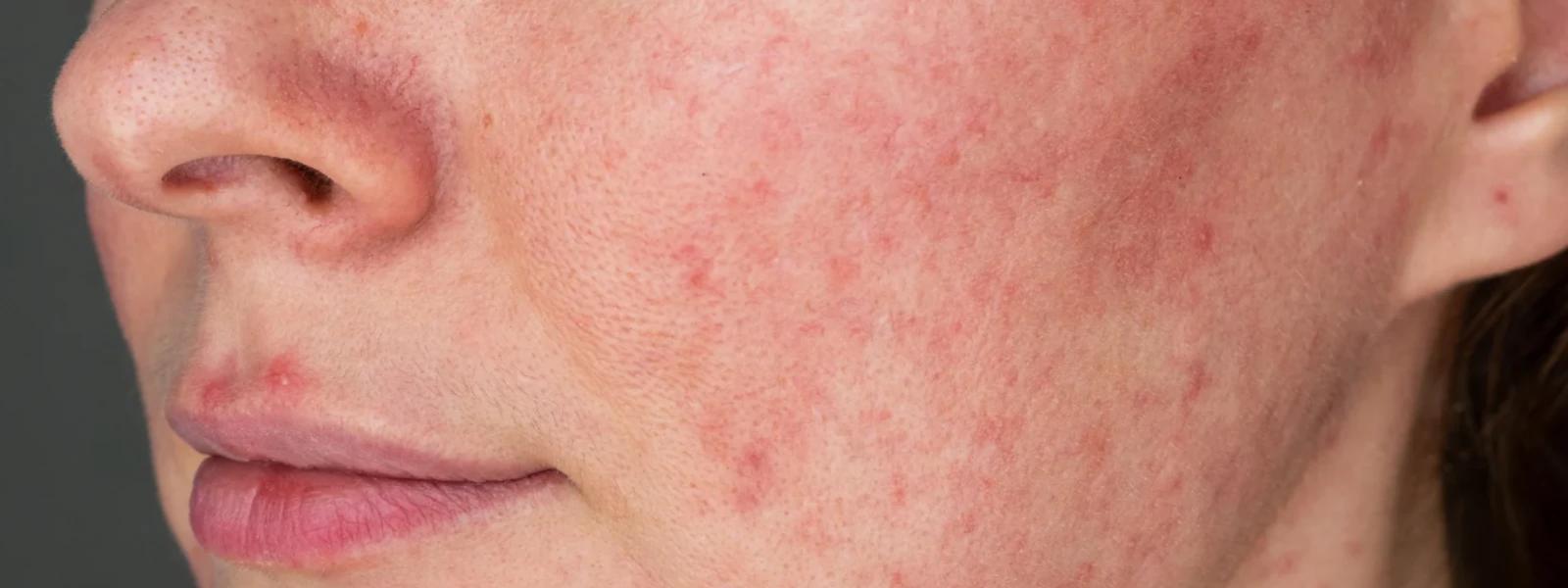
What makes humidity breakouts different from regular acne is their location and persistence. You'll often notice them appearing along your hairline, jawline, and areas where sweat tends to accumulate. The constant moisture means these breakouts can take longer to heal, and the cycle of sweating and oil production keeps new ones forming.
The monsoon also brings increased exposure to airborne pollutants that get trapped against your skin by the humidity. This creates a film that not only clogs pores but can also trigger inflammatory responses, leading to those red, tender bumps that seem to appear overnight.
Building an effective monsoon skincare routine isn't about completely overhauling what you're already doing – it's about making smart adjustments that work with the season's challenges. The key is finding that sweet spot between removing excess oil and maintaining your skin's natural barrier.
Start your day with a gentle, salicylic acid cleanser that can cut through overnight oil buildup without stripping your skin. Follow with a lightweight, water-based moisturiser that contains niacinamide – this powerhouse ingredient helps regulate oil production whilst providing essential hydration.
Don't skip SPF just because the sky looks cloudy. UV rays penetrate through clouds, and the reflection off wet surfaces can actually increase exposure. Choose a broad-spectrum SPF 30 that's specifically formulated for oily skin solutions – gel-based or fluid formulations work beautifully under makeup and won't feel heavy in humid weather.

Mineral Sunscreen SPF 50 | Matte Finish | No White Cast | Non-Nano Zinc Oxide | Cica | Pregnancy Safe | All Skin Types | 50ml
Your evening routine is where the real work happens. Start with an oil cleanser to dissolve makeup and sunscreen, followed by your salicylic acid cleanser for a proper double cleanse. This two-step process ensures you're removing all the day's buildup without over-cleansing.
Two to three times a week, incorporate a BHA exfoliant to keep pores clear. On alternate nights, use a treatment serum with retinol or adapalene to promote cell turnover. Always finish with a lightweight moisturiser – even oily skin needs hydration, especially when you're using active ingredients.
Sometimes the most effective solutions are sitting right in your kitchen. Tea tree oil has genuine antibacterial properties that can help control the bacteria responsible for breakouts. Dilute it with a carrier oil like jojoba and apply it as a spot treatment – never use it undiluted as it can cause irritation.
Green tea isn't just for sipping during rainy afternoons. Brew a strong cup, let it cool, and use it as a toner. The antioxidants help calm inflammation whilst the natural astringent properties help control oil production. You can even freeze green tea in ice cube trays for a refreshing morning treatment that helps tighten pores.
Clay masks become your best friend during monsoon season. Bentonite clay or kaolin clay can absorb excess oil without over-drying your skin. Use them once or twice a week, focusing on your T-zone and any areas prone to congestion. Mix clay with a bit of honey for added antibacterial benefits and a gentler treatment.
Aloe vera gel straight from the plant provides instant cooling relief for inflamed skin. It's particularly helpful for those red, angry breakouts that seem to throb with their own heartbeat. Keep a bottle in the fridge for an extra cooling effect that helps reduce inflammation.
If you're dealing with particularly oily skin during the rainy season, your approach needs to be more strategic. The goal isn't to eliminate all oil – that's impossible and unhealthy – but to regulate production and prevent the cascade that leads to breakouts.
Niacinamide deserves a special mention here. This form of vitamin B3 is like a traffic controller for your skin, helping regulate oil production, reducing inflammation, and even helping to fade the dark spots left behind by previous breakouts. Look for serums with 5-10% niacinamide and use them in your morning routine.
Zinc oxide isn't just for sunscreen – it has natural antibacterial and anti-inflammatory properties. You can find it in spot treatments or use a zinc-based sunscreen for dual protection. Some people even use zinc supplements, though it's worth discussing this with a healthcare provider first.
For immediate oil control throughout the day, invest in good blotting papers. The key is to press, not rub, to absorb excess oil without disturbing your makeup or irritating your skin. Carry a small pack in your bag for touch-ups after lunch or before important meetings.

Salicylic Acid Face Cleanser | Deep Cleansing Formula for Breakouts | Unclogs Pores & Controls Oil | For Oily & Acne-Prone Skin | 100ml
The monsoon season doesn't just bring acne – the warm, moist environment is also perfect for fungal and bacterial skin infections. Prevention is always easier than treatment, so building good habits now can save you from more serious skin issues later.
Keep areas where skin touches skin clean and dry. This includes under your arms, between your toes, and any areas where clothing might create friction. Use an antifungal powder in these areas if you're prone to issues, and change out of wet clothes as soon as possible.
Your phone, makeup brushes, and pillowcases become breeding grounds for bacteria in humid weather. Clean your phone screen daily with alcohol wipes, wash your makeup brushes weekly, and change your pillowcase every few days. These small steps can make a huge difference in preventing new breakouts.
Choose breathable fabrics like cotton over synthetic materials that trap moisture against your skin. This is particularly important for your pillowcases and the clothes that touch your face and neck area. If you're exercising during monsoon, shower immediately afterwards and change into clean, dry clothes.
Your skincare routine is only part of the equation. What you eat, how you sleep, and how you manage stress all play crucial roles in preventing monsoon breakouts. During humid weather, your body is already working harder to regulate temperature, so supporting it with good lifestyle choices becomes even more important.
Stay hydrated, but be smart about it. Drinking plenty of water helps your body flush out toxins and keeps your skin cells functioning properly. Add a pinch of sea salt to your water or include electrolyte-rich foods like coconut water to help your body retain the hydration it needs.
Sleep becomes crucial during monsoon season. Your skin does most of its repair work whilst you sleep, and poor sleep can increase stress hormones that trigger breakouts. Keep your bedroom cool and dry if possible, use a dehumidifier if needed, and stick to a consistent sleep schedule even when the weather makes you want to stay in bed all day.
Most people notice improvements within 2-3 weeks of consistent routine changes. However, it can take 6-8 weeks to see significant changes in breakout patterns, as this is how long it takes for your skin to complete a full renewal cycle. Be patient and consistent – the results will come.

Hydrating Moisturizer | Non-Comedogenic | Boosts Collagen & Hydrates Deeply | Ceramides + Niacinamide | For Normal to Dry Skin | 50g
You don't need to completely overhaul your routine, but small adjustments help. Switch to lighter moisturisers, add a salicylic acid cleanser if you don't already use one, and consider adding niacinamide to help control oil production. Your core routine can stay the same with these seasonal tweaks.
These areas have more oil glands and are often covered by clothing that traps moisture and bacteria. Use a body wash with salicylic acid or benzoyl peroxide, shower immediately after sweating, and wear breathable fabrics. Don't forget to moisturise these areas too – over-drying can actually make breakouts worse.
Yes, but you might need to adjust frequency. The increased humidity can actually make retinoids more tolerable for some people, but others might find their skin becomes more sensitive. Start slowly, always use SPF during the day, and listen to your skin. If irritation increases, reduce frequency rather than stopping completely.
Weather-related breakouts typically appear in areas where sweat accumulates – hairline, jawline, back, and chest. They often coincide with humid weather patterns and improve when humidity decreases. Hormonal breakouts usually follow your cycle and appear around the chin and jawline. If you're unsure, track your breakouts for a few months to identify patterns.
Absolutely. During humid weather, your body is already dealing with increased inflammation and stress. Foods high in sugar, dairy, or processed ingredients can add to this inflammatory load. Focus on anti-inflammatory foods like leafy greens, fatty fish, and berries. Stay hydrated and limit foods that you know trigger your breakouts.
Preventing monsoon breakouts isn't about fighting against the season – it's about working with your skin's needs during this challenging time. The combination of consistent skincare, smart lifestyle choices, and patience with the process will get you through the rainy months with clearer, healthier skin.
Remember that everyone's skin responds differently to humidity and seasonal changes. What works for your friend might not work for you, and that's completely normal. The key is to start with gentle, proven ingredients and adjust based on how your skin responds.
If you're looking to try new products without committing to full sizes, platforms like Smytten Shop offer sample sizes of premium skincare brands, letting you test what works for your skin during monsoon season. With over 28 million users discovering their perfect products through trials, you can find your ideal monsoon skincare routine without the guesswork or waste.
Your skin will thank you for the extra attention during these humid months, and you'll be able to enjoy the beauty of the monsoon season without worrying about what's happening to your complexion. Clear skin during rainy weather isn't just possible – it's entirely achievable with the right approach.
