Pregnancy Dark Spots FAQ: Safe Skincare for Indian Women


Target & Fade Duo for Hyperpigmentation | Even-Tone Underarms, Inner Thighs & Bum | Refines Skin Texture | For All Skin Types
That first glimpse of a dark patch on your cheek during your second trimester can feel overwhelming. You're already navigating so many changes, and now your skin seems to have its own agenda. If you're an Indian woman dealing with pregnancy-related hyperpigmentation, you're not alone—our skin's natural melanin production makes us more prone to these spots, but there are safe, effective ways to manage them. Let's explore what actually works during this precious time.
Melasma and pregnancy dark spots aren't just cosmetic concerns—they're your body's response to surging hormones. During pregnancy, oestrogen and progesterone levels skyrocket, triggering your melanocytes (pigment-producing cells) to work overtime. For Indian women, this process is often more pronounced due to our naturally higher melanin content.
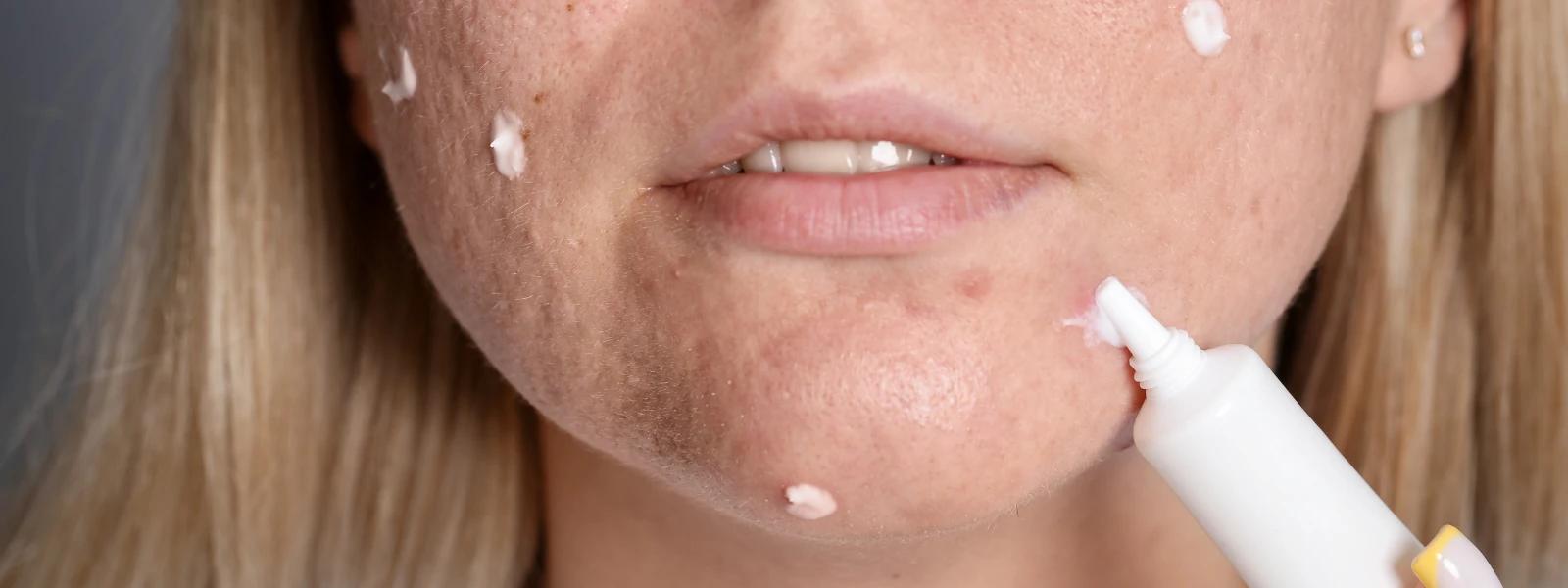
The most common areas affected include your forehead, cheeks, upper lip, and the bridge of your nose—often called the "pregnancy mask." You might also notice darkening around your neck, underarms, and intimate areas. These changes typically begin during the second trimester and can intensify with sun exposure.
Real talk: whilst these spots can feel distressing, they're completely normal. Most women notice significant fading within 6-12 months post-delivery as hormone levels stabilise. However, taking gentle care of your skin now can help minimise their intensity and duration.
Not all skincare ingredients are created equal during pregnancy. Your skin becomes more sensitive, and certain actives can potentially affect your developing baby. Here's what dermatologists actually recommend for safe dark spot management.
Azelaic acid is your pregnancy-safe hero ingredient. This naturally occurring acid helps reduce pigmentation whilst being gentle enough for sensitive pregnancy skin. It's particularly effective for Indian skin tones and won't cause the irritation that stronger acids might.
Vitamin C serums offer dual benefits—antioxidant protection against environmental damage and gentle brightening effects. Look for stable forms like magnesium ascorbyl phosphate, which work well in India's humid climate without oxidising quickly.
Niacinamide deserves a spot in every pregnancy skincare routine. This form of vitamin B3 helps regulate melanin production whilst controlling excess oil—particularly helpful if you're dealing with pregnancy acne alongside pigmentation.
Hyaluronic acid might not directly target dark spots, but it keeps your skin plump and hydrated, creating the perfect environment for other actives to work effectively.
Steer clear of retinoids and retinol products entirely. Whilst they're excellent for pigmentation in non-pregnant individuals, they're not worth the risk during pregnancy. Similarly, avoid hydroquinone and harsh bleaching agents, which can be absorbed systemically.
High-concentration chemical peels and treatments containing tretinoin should also be postponed until after breastfeeding.

Mineral Sunscreen SPF 50 | Matte Finish | No White Cast | Non-Nano Zinc Oxide | Cica | Pregnancy Safe | All Skin Types | 50ml
Building an effective routine doesn't require dozens of products. Focus on consistency with gentle, pregnancy-approved ingredients that work synergistically.
Start with a gentle cleanser that won't strip your skin's natural barrier. Look for cream or gel formulations with ceramides or mild surfactants. Follow with a vitamin C serum—apply it to clean skin and allow it to absorb for 10-15 minutes.
Your moisturiser should contain hydrating ingredients like hyaluronic acid or glycerin. In India's climate, a lightweight gel-cream formula often works best. Never skip sunscreen—mineral formulations with zinc oxide or titanium dioxide offer broad-spectrum protection without chemical absorption concerns.
Double cleansing becomes crucial during pregnancy when your skin produces more oil. Use a gentle cleansing oil followed by your morning cleanser. Apply your azelaic acid or niacinamide treatment to clean skin, then follow with a nourishing night moisturiser.
Consider adding a hydrating serum with ingredients like sodium hyaluronate or beta-glucan if your skin feels tight or dehydrated—common during pregnancy.
Finding the right products in India's diverse market can feel overwhelming. Focus on brands that clearly label their pregnancy-safe formulations and avoid unnecessary fragrances or essential oils that might trigger sensitivity.
For cleansers, look for pH-balanced formulations that won't disrupt your skin's acid mantle. Serums should be packaged in dark glass bottles to preserve ingredient stability in our climate. When choosing moisturisers, consider your skin's changing needs—you might need something richer than your pre-pregnancy favourite.
Mineral sunscreens are non-negotiable. They provide immediate protection without the 20-minute wait time of chemical sunscreens and are less likely to cause irritation on sensitive pregnancy skin.
Effective pregnancy skincare doesn't require breaking the bank. Many affordable Indian brands now offer pregnancy-safe formulations with clinically proven ingredients. The key is reading ingredient lists carefully and choosing products with minimal, recognisable components.
Premium options often offer more elegant textures and packaging, but the active ingredients remain the same. Focus your budget on a good vitamin C serum and mineral sunscreen—these make the biggest difference in preventing further pigmentation.

Salicylic Acid Face Cleanser | Deep Cleansing Formula for Breakouts | Unclogs Pores & Controls Oil | For Oily & Acne-Prone Skin | 100ml
Indian kitchens are treasure troves of gentle skincare ingredients. However, approach home remedies with the same caution you'd use with commercial products—natural doesn't always mean safe during pregnancy.
Fresh aloe vera gel offers soothing hydration and mild brightening effects. Apply it directly from the plant for maximum potency. Potato slices contain natural enzymes that may help with pigmentation when used consistently over time.
A paste of turmeric and milk provides gentle exfoliation and anti-inflammatory benefits. However, use sparingly—turmeric can temporarily stain fair skin yellow. Honey mixed with a few drops of fresh lemon juice creates a hydrating mask with mild brightening properties.
Traditional Ayurvedic ingredients like manjistha and sariva have been used for centuries to address skin pigmentation. However, consult with both your dermatologist and obstetrician before incorporating any herbal treatments, as some herbs can affect pregnancy.
Coconut oil and sweet almond oil are generally safe for topical use and provide deep hydration without clogging pores.
Most dermatological treatments for hyperpigmentation are best postponed until after pregnancy and breastfeeding. However, some gentle options exist for severe cases.
Very mild chemical peels using pregnancy-safe acids like lactic acid may be considered in the third trimester, but only under strict medical supervision. LED light therapy is generally considered safe, though research is limited.
Gentle microdermabrasion might be an option for some women, but the increased skin sensitivity during pregnancy makes this a case-by-case decision.
Laser treatments, IPL, and strong chemical peels should wait until after breastfeeding. The same applies to any injectable treatments or procedures requiring topical anaesthetics.

Hydrating Moisturizer | Non-Comedogenic | Boosts Collagen & Hydrates Deeply | Ceramides + Niacinamide | For Normal to Dry Skin | 50g
Focus on gentle, hydrating ingredients like hyaluronic acid, glycerin, shea butter, and jojoba oil. Mild salicylic acid cleansers (under 2%) are generally considered safe. Always choose fragrance-free formulations to minimise irritation risk. Azelaic acid and vitamin C are excellent for addressing pigmentation concerns safely.
Look for brands that specifically label their pregnancy-safe products and avoid retinoids, hydroquinone, and high-concentration acids. Many Indian brands now offer pregnancy-focused lines with dermatologist-approved ingredients. The key is reading ingredient lists rather than relying solely on brand names.
Azelaic acid serums are top dermatologist recommendations for pregnancy-safe pigmentation treatment. Vitamin C serums with stable forms like magnesium ascorbyl phosphate also work well. Niacinamide serums offer gentle spot reduction whilst controlling oil production—particularly beneficial for Indian skin in humid climates.
Most women notice significant fading within 6-12 months post-delivery as hormone levels normalise. However, spots that developed early in pregnancy or were exacerbated by sun exposure may take longer to fade. Consistent use of sunscreen and gentle brightening ingredients can help accelerate the process.
Yes, vitamin C serums are generally considered safe throughout pregnancy. Choose stable forms like sodium ascorbyl phosphate or magnesium ascorbyl phosphate, which are less likely to cause irritation. Start with lower concentrations (10-15%) and gradually increase if your skin tolerates it well.
Consistent sunscreen use is crucial—reapply every 2-3 hours, especially if you're outdoors. Wear wide-brimmed hats and seek shade during peak sun hours. Avoid picking at existing spots, and maintain a gentle skincare routine with pregnancy-safe ingredients. Stay hydrated and eat antioxidant-rich foods to support skin health from within.
Managing pregnancy dark spots requires patience and the right approach. Focus on prevention through diligent sunscreen use and gentle treatment with pregnancy-approved ingredients like azelaic acid and vitamin C. Remember that most pigmentation will naturally fade post-delivery, so avoid the temptation to use harsh treatments that could harm you or your baby.
Your skin journey during pregnancy is unique, and what works for others might not work for you. Consider exploring curated pregnancy-safe options through platforms that let you try products before committing to full sizes—this approach helps you find what truly works for your changing skin without waste or disappointment. Trust the process, be gentle with yourself, and remember that this phase is temporary whilst the glow of motherhood is forever.
