Postpartum Skincare for Indian Moms: Your FAQ Answered


Target & Fade Duo for Hyperpigmentation | Even-Tone Underarms, Inner Thighs & Bum | Refines Skin Texture | For All Skin Types
You've just managed to get the baby down for a nap, grabbed a quick cup of tea, and caught a glimpse of yourself in the mirror. The reflection staring back shows tired eyes, patchy skin, and that persistent dark line down your belly that pregnancy left behind. Sound familiar? You're not alone. Millions of Indian women navigate the complex journey of postpartum skin changes whilst juggling work deadlines, feeding schedules, and the overwhelming responsibility of new motherhood. Your skin has been through a marathon, and now it's asking for some attention—but where do you even start when you barely have five minutes to yourself?
Let's talk about what's actually happening to your skin after childbirth. The hormonal rollercoaster doesn't end when your baby arrives—it shifts into a different gear entirely. Your body is still producing different levels of oestrogen and progesterone, especially if you're breastfeeding, which directly impacts your skin's behaviour.
Melasma, often called the "mask of pregnancy," tends to be more pronounced in Indian women due to our naturally higher melanin content. Those brown patches across your forehead, cheeks, and upper lip might have faded slightly post-delivery, but they're often still visible. The combination of hormonal fluctuations and India's intense UV exposure can make these dark spots particularly stubborn.
Hormonal acne is another unwelcome visitor. You might notice breakouts along your jawline, chin, and neck—areas that weren't problematic before pregnancy. This happens because your sebaceous glands are still adjusting to changing hormone levels. The humid Indian climate doesn't help matters, as increased sweating can clog pores further.
Stretch marks and changes in skin texture are practically universal. Your skin stretched to accommodate your growing baby, and now it's working to regain its elasticity. Some women notice their skin feels thinner or more sensitive than before, whilst others experience persistent dryness or unusual oiliness.
Returning to work adds another layer of complexity. The stress of balancing professional responsibilities with new motherhood triggers cortisol production, which can worsen inflammation and slow down skin healing. Office environments with constant air conditioning can dehydrate your already sensitive skin, whilst increased screen time might contribute to digital eye strain and the appearance of fatigue.
Many working mothers find themselves eating irregularly or relying on quick, processed foods, which can impact skin health. The lack of consistent sleep patterns—a reality for most new parents—shows up as dullness, dark circles, and a compromised skin barrier.
Real talk: you don't need a 12-step routine to have healthy skin. What you need is consistency with the right products that work efficiently. A streamlined approach can be just as effective as elaborate routines, especially when you're working with limited time and energy.
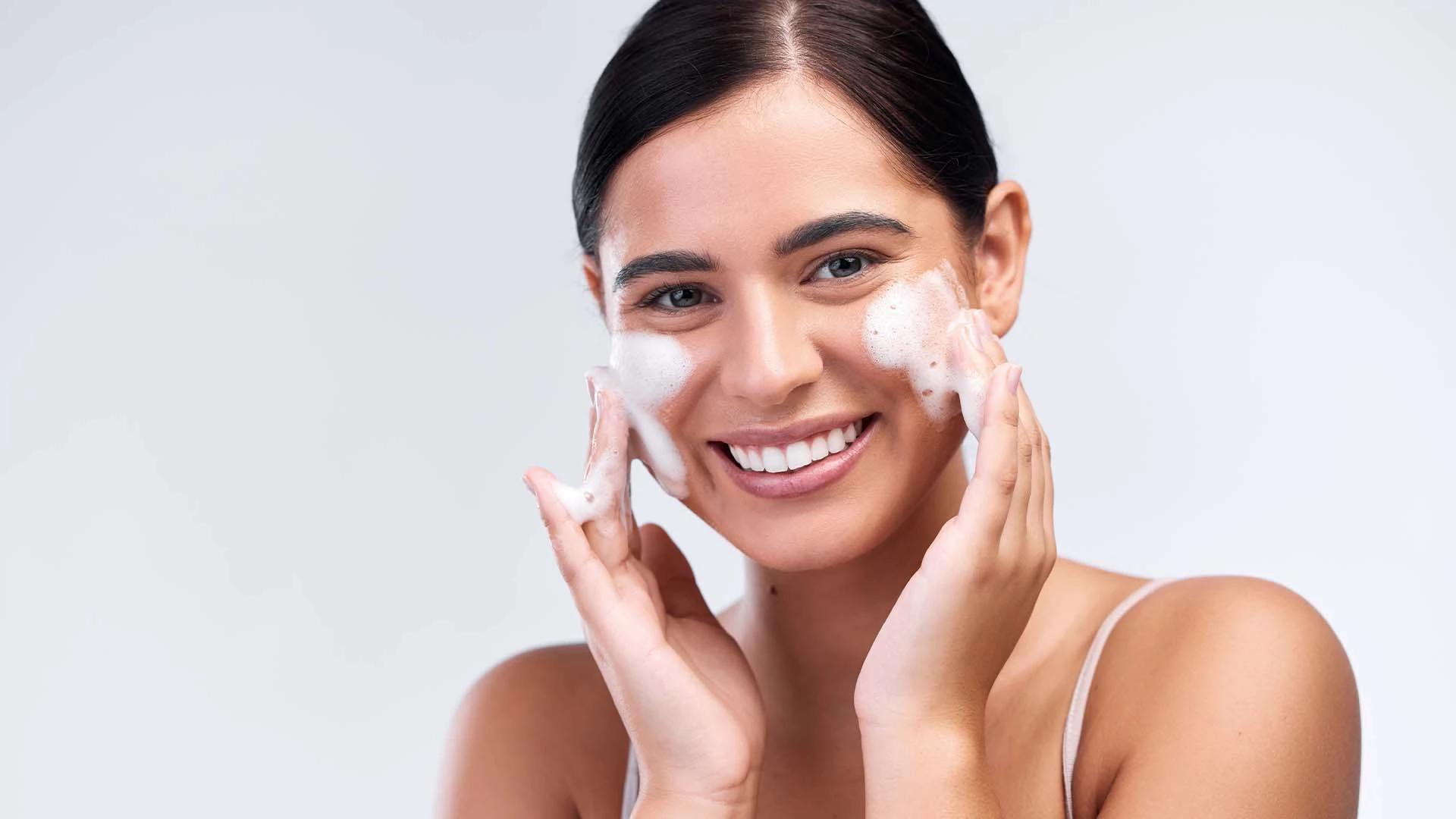
Start with a gentle cleanser that won't strip your skin's natural oils. Look for cream or lotion-based cleansers with ingredients like ceramides or hyaluronic acid. These maintain your skin barrier whilst removing overnight buildup and preparing your skin for the day ahead.
Follow with a lightweight moisturiser with SPF. This is non-negotiable, especially for preventing further pigmentation. Choose a broad-spectrum SPF 30 or higher that doesn't leave a white cast on Indian skin tones. Many modern formulations combine hydration and sun protection beautifully.
If you have specific concerns like dark spots, add a vitamin C serum before your moisturiser. This antioxidant helps brighten skin and provides additional protection against environmental damage. Start with a lower concentration if your skin feels sensitive post-pregnancy.

Mineral Sunscreen SPF 50 | Matte Finish | No White Cast | Non-Nano Zinc Oxide | Cica | Pregnancy Safe | All Skin Types | 50ml
Overnight treatments are your best friend. Apply a niacinamide serum or gentle AHA treatment before bed so your skin works whilst you catch whatever sleep you can. These ingredients help with texture, pore appearance, and mild pigmentation without requiring morning application time.
Keep hydrating mist and lip balm next to your baby's feeding area. You can spritz and moisturise whilst feeding, making the most of those quiet moments. Choose products that absorb quickly and won't transfer to your baby.
Traditional Indian skincare wisdom offers gentle, effective solutions that work particularly well for postpartum skin. These time-tested ingredients are often more suitable for sensitive, post-pregnancy skin than harsh modern actives.
Turmeric remains one of the most effective natural ingredients for addressing pigmentation and inflammation. Mix a pinch of turmeric with gram flour and rose water to create a gentle face pack. Use this twice weekly to help fade dark spots and even out skin tone. The anti-inflammatory properties are particularly beneficial for hormonal acne.
Coconut oil applied to stretch marks immediately after showering can help improve skin elasticity over time. The key is consistency—daily application works better than sporadic use. Choose cold-pressed, virgin coconut oil for the best results.
Rose water serves multiple purposes: it hydrates, soothes irritation, and provides a cooling effect that's perfect for India's warm climate. Keep a bottle in the refrigerator for an instant pick-me-up when your skin feels tired or inflamed.
Many contemporary skincare brands now incorporate traditional Indian ingredients into user-friendly formulations. Look for products containing turmeric extract, neem, or sandalwood that offer the benefits of traditional remedies without the mess or time investment of DIY treatments.
Ready-to-use face masks with multani mitti (fuller's earth) can help control excess oil and draw out impurities without over-drying your skin. These are particularly useful for managing hormonal breakouts around your menstrual cycle.
Sleep deprivation shows up on your face faster than anywhere else. Dark circles, puffiness, and a general lack of radiance are common complaints among new mothers. The good news is that targeted products and techniques can help minimise these effects.
Caffeine-based eye creams can temporarily tighten the under-eye area and reduce puffiness. Apply these products with gentle patting motions using your ring finger, which applies the least pressure. Look for formulations that also contain peptides for longer-term skin strengthening.
Cold compresses work wonders for morning puffiness. Keep two spoons in the freezer overnight and place them over closed eyes for a few minutes whilst your coffee brews. This simple technique helps constrict blood vessels and reduce swelling.
For quick coverage, choose a colour-correcting concealer in a peach or orange tone to neutralise dark circles before applying your regular concealer. This technique works particularly well on deeper Indian skin tones where dark circles often have blue or purple undertones.

Salicylic Acid Face Cleanser | Deep Cleansing Formula for Breakouts | Unclogs Pores & Controls Oil | For Oily & Acne-Prone Skin | 100ml
Vitamin C serums are excellent for restoring radiance to tired skin. Start with a 10% concentration and gradually increase if your skin tolerates it well. Apply in the morning for antioxidant protection and brightening effects throughout the day.
Weekly hydrating sheet masks can provide an instant glow boost. Choose masks with hyaluronic acid or glycerin for deep hydration. The 15-20 minutes of forced relaxation whilst the mask works can be therapeutic for both your skin and mental state.
Transitioning from home to office life as a new mother requires strategic skincare planning. Your office environment presents unique challenges that need specific solutions.
Keep a hydrating facial mist at your desk for mid-day refreshing. Air-conditioned offices can be incredibly drying, and a quick spritz can help maintain your skin's moisture levels. Choose alcohol-free formulations that won't disrupt your makeup.
Blotting papers are essential for managing shine without disturbing your base makeup. Gently press them onto oily areas rather than rubbing, which can move your foundation around.
A good hand cream is crucial, especially with increased hand sanitising. Look for formulations with ceramides or shea butter that provide long-lasting moisture without leaving a greasy residue on your keyboard or phone.
Develop a quick cleansing routine for when you arrive home. Micellar water can remove makeup and pollution buildup without requiring a full face wash, which is helpful when you need to immediately attend to your baby.
Switch to more nourishing products in the evening. Your skin repairs itself overnight, so this is the perfect time for treatments with retinol alternatives like bakuchiol or peptides that are safe for breastfeeding mothers.
Most dermatologists recommend avoiding traditional retinoids whilst breastfeeding as a precautionary measure. However, you can use bakuchiol, a plant-based alternative that provides similar benefits without the safety concerns. Vitamin C and niacinamide are also excellent alternatives for addressing pigmentation and texture concerns.
Most hormonal skin changes begin to stabilise around 3-6 months postpartum, though this can vary if you're breastfeeding. Melasma and hyperpigmentation may take 6-12 months to fade significantly, especially without consistent sun protection. Some changes, like stretch marks, may improve over time but might not completely disappear.

Hydrating Moisturizer | Non-Comedogenic | Boosts Collagen & Hydrates Deeply | Ceramides + Niacinamide | For Normal to Dry Skin | 50g
Many professional treatments are safe for new mothers, but timing and type matter. Gentle chemical peels and hydrafacials are generally safe, whilst more aggressive treatments like deep peels or laser therapy might be better postponed until you're no longer breastfeeding. Always inform your aesthetician about your postpartum status.
Avoid retinoids, hydroquinone, and high-concentration salicylic acid treatments. Benzoyl peroxide in small amounts is generally considered safe, but consult your doctor. Stick to gentle ingredients like niacinamide, vitamin C, hyaluronic acid, and ceramides.
Postpartum hair loss is temporary and typically peaks around 3-4 months after delivery. Focus on gentle care—avoid tight hairstyles, use a wide-tooth comb, and consider scalp massages with coconut oil or castor oil. A good dry shampoo can add volume on days when your hair feels thin.
You can start with gentle anti-ageing ingredients immediately. Vitamin C, peptides, and niacinamide are safe and effective. For stronger actives like retinoids, wait until you've finished breastfeeding. Focus on prevention with consistent SPF use and hydration in the meantime.
Simplify your routine to 2-3 essential steps that you can do consistently. Use micellar water for quick cleansing, a good moisturiser with SPF for day, and a nourishing night cream. Don't stress about perfect timing—consistency matters more than clock precision.
Prevention is key, but postpartum care can still help. Apply bio-oil or products with centella asiatica and vitamin E twice daily. Gentle exfoliation with a dry brush can improve circulation. Remember, stretch marks often fade significantly over time, changing from red or purple to silver.
Your skin's postpartum journey is unique, just like your motherhood experience. What works for your friend might not work for you, and that's perfectly normal. The key is finding a routine that fits your lifestyle, addresses your specific concerns, and makes you feel confident in your own skin.
Remember that this phase is temporary. Your hormones will stabilise, your sleep will improve (eventually!), and your skin will adapt. In the meantime, be gentle with yourself and your skin. Small, consistent steps often yield better results than dramatic overhauls that you can't maintain.
Platforms like Smytten Shop make it easier to discover products that work for your changing skin without committing to full sizes immediately. With over 28 million users exploring curated beauty selections, you can try samples of products specifically suited for postpartum skin concerns before investing in full-sized versions. This approach is particularly valuable when your skin is unpredictable and your budget might be stretched with new baby expenses.
Your worth isn't determined by how quickly your skin bounces back or how put-together you look at 6 AM. You're doing an incredible job, and your skin—like everything else—will find its new normal in time.
