Post-Inflammatory Hyperpigmentation FAQ: Your Questions Answered


Target & Fade Duo for Hyperpigmentation | Even-Tone Underarms, Inner Thighs & Bum | Refines Skin Texture | For All Skin Types
You've been dealing with those stubborn dark spots for months now. Every time you look in the mirror, there they are—reminders of that hormonal breakout or the mosquito bite you couldn't stop picking. Post-inflammatory hyperpigmentation doesn't discriminate, but it does seem to have a particular fondness for Indian skin tones. The good news? With the right ingredients and a bit of patience, you can absolutely fade these marks and reclaim your confidence.
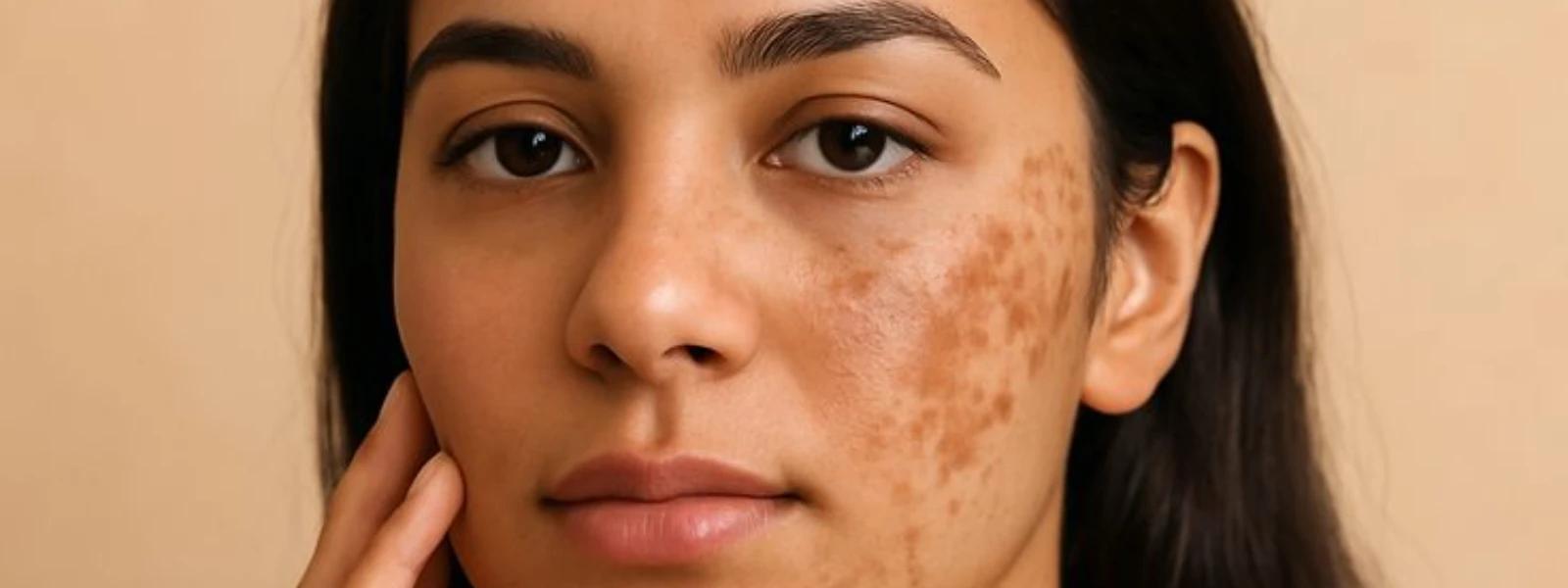
Post-inflammatory hyperpigmentation, or PIH, is your skin's way of protecting itself after trauma. When your skin experiences inflammation—whether from acne, eczema, cuts, or even aggressive scrubbing—it produces excess melanin as a defence mechanism. This extra pigment gets deposited in the affected area, creating those frustrating dark spots that seem to linger forever.
Indian skin typically falls into Fitzpatrick skin types IV to VI, which means we naturally produce more melanin. While this gives us better protection against UV damage, it also means our melanocytes (pigment-producing cells) are more reactive to inflammation. Even minor skin trauma can trigger significant pigment production, making hyperpigmentation treatment India a common concern for many of us.
It's worth understanding what you're actually dealing with. PIH appears as brown or black spots exactly where you had inflammation. Melasma, on the other hand, shows up as symmetrical patches on your cheeks, forehead, or upper lip, often triggered by hormones or sun exposure. Age spots are usually lighter brown and appear on sun-exposed areas over time.
The key to successful PIH skincare routine lies in choosing ingredients that work well with Indian skin's unique characteristics. Here are the dermatologist-recommended powerhouses that actually deliver results.
Mandelic acid is honestly a game-changer for Indian skin dealing with PIH. Derived from bitter almonds, this alpha hydroxy acid has the largest molecular size among AHAs, which means it penetrates slowly and gently. This makes it perfect for sensitive or reactive skin that might not tolerate glycolic acid well. Start with a 5% concentration twice a week and gradually increase as your skin builds tolerance.
If you could only choose one ingredient for PIH, niacinamide would be a strong contender. This form of vitamin B3 doesn't just fade dark spots—it also reduces inflammation, controls oil production, and strengthens your skin barrier. Look for concentrations between 5-10% for optimal results without irritation. The beauty of niacinamide is that it plays well with almost every other ingredient, making it perfect for layering.
Vitamin C works by inhibiting tyrosinase, the enzyme responsible for melanin production. L-ascorbic acid is the most potent form, but it can be unstable and irritating. For Indian skin, magnesium ascorbyl phosphate or sodium ascorbyl phosphate might be gentler options. Apply vitamin C in the morning, always followed by SPF, as it can make your skin more photosensitive.
Azelaic acid is particularly brilliant for acne-related PIH because it tackles both the pigmentation and prevents future breakouts. It's naturally anti-inflammatory and helps normalise skin cell turnover. Unlike some other acids, azelaic acid is generally well-tolerated and can be used during pregnancy, making it a versatile choice for many.

Mineral Sunscreen SPF 50 | Matte Finish | No White Cast | Non-Nano Zinc Oxide | Cica | Pregnancy Safe | All Skin Types | 50ml
Chemical exfoliation is crucial for uneven skin tone treatment because it helps remove the pigmented skin cells more efficiently than physical scrubs. However, the key is choosing the right acid for your skin type and using it correctly.
Glycolic acid is the most common AHA, but it can be quite aggressive for sensitive Indian skin. If you want to try it, start with 5% concentration once a week. Lactic acid is a gentler alternative that also provides hydration while exfoliating. It's derived from milk and tends to be more suitable for dry or sensitive skin types.
Salicylic acid is oil-soluble, which means it can penetrate into pores and is particularly effective for acne-related PIH. If your dark spots are from breakouts, incorporating a 2% salicylic acid product can help prevent new spots while fading existing ones.
Tranexamic acid is gaining popularity for its ability to tackle stubborn pigmentation that doesn't respond to other treatments. It works by blocking plasmin, which can trigger melanin production. Kojic acid, derived from fungi, is another effective option that's often used as a gentler alternative to hydroquinone.
While we love a good DIY moment, it's important to distinguish between traditional remedies that have scientific backing and those that are just wishful thinking. Here are some natural remedies for hyperpigmentation that actually show promise.
Manjistha has been used in Ayurveda for centuries to treat skin discolouration, and modern research shows it does have melanin-inhibiting properties. Turmeric contains curcumin, which has anti-inflammatory effects, though it's more effective for preventing PIH than treating existing spots. Licorice root extract contains glabridin, which can inhibit tyrosinase activity.
Tomato extract does contain lycopene, which has antioxidant properties, but the concentration in fresh tomatoes is quite low. Rice water contains trace amounts of kojic acid, but again, the concentration is minimal compared to formulated products. As for lemon juice—please be careful. While it contains vitamin C, it's also highly acidic and can cause irritation or even burns, especially when exposed to sunlight.
Alpha arbutin, derived from bearberry plants, is a stable and effective melanin inhibitor that's gentler than hydroquinone. Mulberry extract contains compounds that can help fade pigmentation, while green tea polyphenols provide antioxidant protection that can prevent further pigmentation.
Creating an effective routine for treating PIH isn't just about throwing every active ingredient at your skin. It's about strategic layering, proper timing, and most importantly, consistency. Here's how to structure your routine for maximum results.

Salicylic Acid Face Cleanser | Deep Cleansing Formula for Breakouts | Unclogs Pores & Controls Oil | For Oily & Acne-Prone Skin | 100ml
Start with a gentle cleanser that won't strip your skin barrier. Follow with a vitamin C serum to provide antioxidant protection and help fade existing spots. If you're using niacinamide, you can layer it under or mix it with your vitamin C (despite what you might have heard, they work fine together). Finish with a broad-spectrum SPF 30 or higher—this step is absolutely non-negotiable when treating PIH.
Double cleanse if you wear makeup or sunscreen. This is when you'll use your active ingredients like mandelic acid or azelaic acid. Start slowly—perhaps twice a week—and gradually increase frequency as your skin adapts. Always follow with a hydrating serum or moisturiser to support your skin barrier.
Consider incorporating a weekly treatment mask with ingredients like alpha arbutin or a higher concentration of vitamin C. Some people benefit from alternating different acids throughout the week, but this requires careful monitoring to avoid over-exfoliation.
The Indian beauty market has exploded with options for pigmentation removal creams and serums. Here's how to navigate the choices without breaking the bank or your skin barrier.
Several Indian brands now offer effective formulations at accessible price points. Look for serums containing 10% niacinamide, 2% alpha arbutin, or 5% mandelic acid. The key is checking the ingredient list carefully—the active ingredient should be listed in the first five ingredients for optimal efficacy.
This price range often offers more sophisticated formulations with multiple active ingredients or higher concentrations. You might find combination serums with vitamin C and niacinamide, or mandelic acid paired with hyaluronic acid for added hydration. These products often have better packaging that protects light-sensitive ingredients.
Higher-end products often feature patented delivery systems, stabilised vitamin C forms, or unique ingredient combinations. While they can be effective, remember that a higher price doesn't always guarantee better results. Sometimes, a simple, well-formulated serum works just as well as an expensive one.
Sometimes, at-home treatments need backup. If you've been consistent with your routine for 3-4 months without significant improvement, it might be time to consult a dermatologist about professional options.
Professional peels use higher concentrations of acids than what's available over-the-counter. Mandelic acid peels are particularly suitable for Indian skin because they're less likely to cause post-inflammatory hyperpigmentation from the treatment itself. Glycolic acid peels can be effective but require careful assessment of your skin's tolerance.

Hydrating Moisturizer | Non-Comedogenic | Boosts Collagen & Hydrates Deeply | Ceramides + Niacinamide | For Normal to Dry Skin | 50g
Q-switched lasers and IPL (Intense Pulsed Light) can be effective for stubborn PIH, but they require an experienced dermatologist familiar with treating darker skin tones. Improper laser treatment can actually worsen pigmentation, so this isn't a decision to take lightly.
Most people start seeing improvement after 6-8 weeks of consistent use, but complete fading can take 3-6 months or longer. The timeline depends on how deep the pigmentation is, your skin's natural turnover rate, and how diligent you are with sun protection. Patience is absolutely key here—PIH didn't appear overnight, and it won't disappear overnight either.
PIH can definitely be faded significantly, and in many cases, spots can become virtually invisible. However, if you're prone to PIH, new spots can develop from future inflammation. The key is prevention through gentle skincare practices and prompt treatment of any skin issues that arise.
This can happen for a few reasons. You might be over-exfoliating, causing irritation that triggers more pigmentation. Or you might not be using enough sun protection—active ingredients can make your skin more photosensitive. Sometimes, what looks like darkening is actually the pigment coming to the surface before it sheds off.
Ingredients like niacinamide, vitamin C, and azelaic acid are generally safe for long-term use. However, stronger ingredients like hydroquinone should only be used under dermatological supervision and typically for limited periods. Always patch test new products and introduce them gradually.
Yes, but timing and layering matter. Vitamin C and niacinamide can be used together despite old myths. However, you shouldn't use multiple exfoliating acids at the same time. When in doubt, alternate products on different nights or use them at different times of day.
India's humid climate can actually be beneficial for PIH treatment because it helps maintain skin hydration, which supports the healing process. However, high humidity can also increase the risk of fungal infections if you're using occlusive products. Choose lightweight, non-comedogenic formulations during monsoon season.
While topical treatments are most effective, a diet rich in antioxidants (berries, green tea, dark leafy greens) may support skin health. Some people find that reducing dairy or high-glycemic foods helps with overall skin clarity, which can prevent new PIH from forming.
Treating post-inflammatory hyperpigmentation requires patience, consistency, and the right approach for your unique skin. The best ingredients for post-inflammatory hyperpigmentation in India are those that work gently but effectively with our skin's natural characteristics. Whether you choose mandelic acid, niacinamide, vitamin C, or a combination approach, remember that sun protection is your most powerful tool in both treating and preventing PIH.
Your skin will notice the difference when you commit to a routine that respects its needs while actively working to fade those stubborn spots. Platforms like Smytten make it easier to discover and try dermatologist recommended hyperpigmentation products without committing to full sizes immediately—a practical approach when you're building your perfect PIH-fighting routine. With over 28 million users exploring curated skincare options, you're definitely not alone in this journey towards clearer, more even-toned skin.
Real talk: PIH can be frustrating, but it's absolutely treatable. Start with one or two gentle ingredients, be religious about your SPF, and give your routine time to work. Your future self will thank you for the patience and consistency you show your skin today.
