Post-Inflammatory Hyperpigmentation FAQ: Causes & PIH Treatment


Target & Fade Duo for Hyperpigmentation | Even-Tone Underarms, Inner Thighs & Bum | Refines Skin Texture | For All Skin Types
You've noticed those stubborn dark spots that linger long after your breakouts have cleared, or perhaps you're dealing with patches of discolouration where you once had eczema or a minor injury. These persistent marks aren't just leftover acne—they're post-inflammatory hyperpigmentation (PIH), and you're definitely not alone in wondering why they stick around and how to address them effectively. Understanding what causes these dark spots on skin and learning proper PIH treatment approaches can help you develop a targeted strategy for achieving more even skin tone.
Post-inflammatory hyperpigmentation is your skin's natural response to inflammation or injury, resulting in areas of increased melanin production that appear as dark spots or patches. Unlike other forms of hyperpigmentation causes, PIH specifically develops after some form of skin trauma—whether that's a pimple, a scratch, or even an overly aggressive skincare treatment.
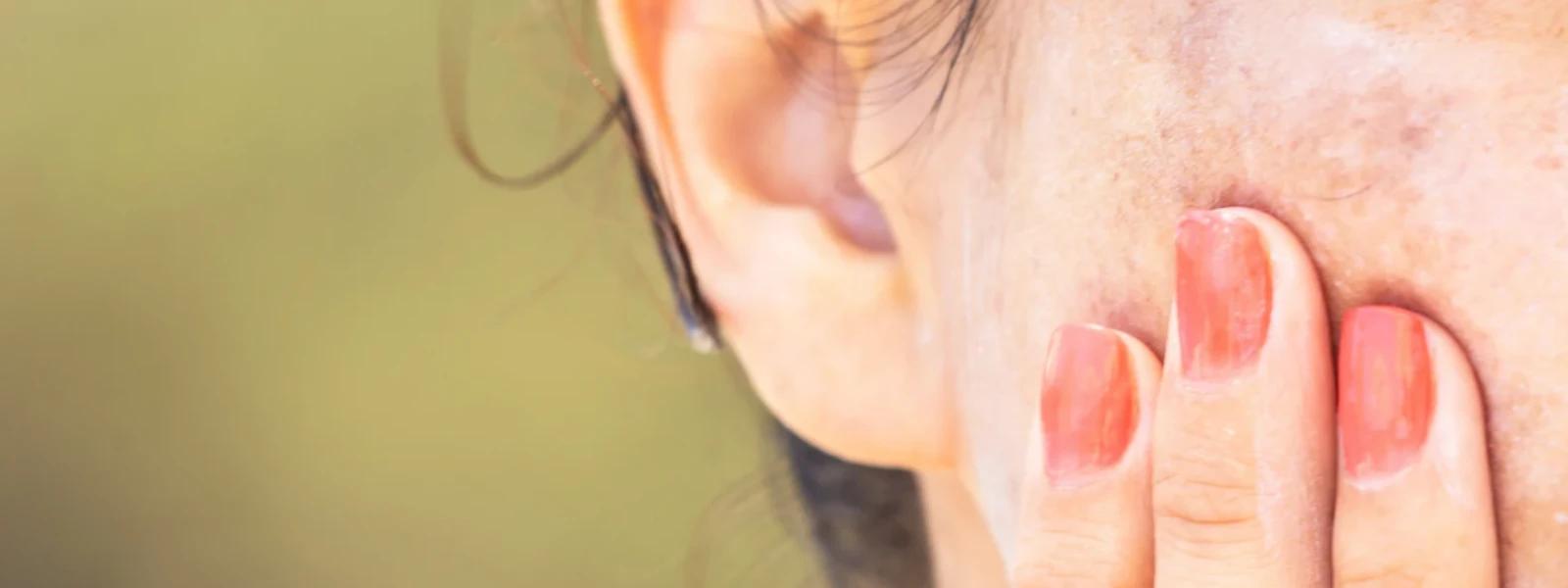
These dark spots on skin typically appear as brown, black, or grey patches that are flat to the touch, distinguishing them from raised scars or active inflammation. The colour intensity often correlates with your natural skin tone—those with deeper skin tones may experience more pronounced PIH due to higher baseline melanin levels, whilst lighter skin tones might see reddish-brown marks that gradually darken.
Research indicates that PIH affects up to 65% of people with acne-prone skin, making it one of the most common forms of skin discoloration. The condition is particularly prevalent among individuals with Fitzpatrick skin types III-VI, though it can affect anyone regardless of ethnicity or age.
Understanding hyperpigmentation causes begins with recognising how your skin responds to inflammation. When your skin experiences trauma, inflammatory cells release mediators that stimulate melanocytes—the cells responsible for melanin production. This increased melanin gets deposited in the skin layers, creating the characteristic dark patches we associate with PIH.
Acne breakouts remain the leading cause of post-acne marks, particularly when spots are picked, squeezed, or treated too aggressively. The deeper the initial inflammation, the more likely you are to develop persistent discolouration.
Other inflammatory skin conditions like eczema, psoriasis, and contact dermatitis can also trigger PIH formation. Even minor injuries such as cuts, burns, insect bites, or friction from clothing can result in lasting skin pigmentation changes.
Surprisingly, skincare treatments themselves can sometimes cause PIH. Overly aggressive exfoliation, harsh chemical peels performed incorrectly, or using active ingredients without proper preparation can inflame the skin and trigger unwanted pigmentation.

Mineral Sunscreen SPF 50 | Matte Finish | No White Cast | Non-Nano Zinc Oxide | Cica | Pregnancy Safe | All Skin Types | 50ml
Your genetic background plays a significant role in PIH susceptibility. Those with naturally higher melanin levels often experience more pronounced and longer-lasting skin discoloration. Hormonal fluctuations, sun exposure during the healing process, and certain medications can also influence both the development and persistence of PIH.
Effective PIH treatment requires patience and consistency, as the process of encouraging cellular turnover and reducing excess melanin takes time. The good news is that multiple approaches can help fade dark spots when used correctly.
Topical treatments form the foundation of most hyperpigmentation skincare routines. Vitamin C serums work by inhibiting tyrosinase, an enzyme crucial for melanin synthesis, whilst also providing antioxidant protection. Niacinamide offers a gentler approach, reducing inflammation whilst gradually evening out skin tone.
Alpha hydroxy acids (AHAs) like glycolic and lactic acid promote cellular turnover, helping to shed pigmented cells more quickly. Kojic acid, derived from fungi, specifically targets melanin production and can be particularly effective for stubborn spots.
Gentle exfoliation techniques, whether chemical or physical, support the natural skin renewal process. However, moderation is key—over-exfoliation can actually worsen PIH by creating additional inflammation.
Dermatologist-administered treatments offer more intensive options for persistent PIH. Chemical peels using higher concentrations of acids can accelerate the removal of pigmented skin layers. Microdermabrasion provides controlled physical exfoliation, whilst laser treatments target melanin deposits directly.
Prescription treatments like tretinoin or hydroquinone may be recommended for severe cases, though these require careful monitoring due to potential side effects.
Creating a targeted routine for uneven skin tone requires balancing active ingredients with gentle, supportive care. Your morning routine should prioritise protection and hydration, whilst evenings are ideal for treatment applications.

Salicylic Acid Face Cleanser | Deep Cleansing Formula for Breakouts | Unclogs Pores & Controls Oil | For Oily & Acne-Prone Skin | 100ml
Start with a gentle cleanser that won't strip your skin's natural barrier. Follow with a vitamin C serum for antioxidant protection and melanin inhibition. A lightweight moisturiser helps maintain skin barrier function, which is crucial for proper healing.
Sun protection cannot be overstated in its importance—UV exposure can darken existing PIH and trigger new spots. Choose a broad-spectrum SPF 30 or higher and reapply throughout the day.
Evening routines can incorporate stronger actives like retinoids or AHAs, but introduce these gradually to avoid irritation. Always follow active treatments with a nourishing moisturiser to support skin recovery overnight.
Preventing post-acne marks begins with proper acne management. Avoid picking or squeezing spots, as this increases inflammation and the likelihood of PIH development. Instead, use targeted spot treatments with salicylic acid or benzoyl peroxide to address breakouts gently.
During any inflammatory skin condition, treat your skin with extra care. Use lukewarm water for cleansing, pat skin dry rather than rubbing, and avoid harsh scrubs or aggressive treatments until inflammation subsides.
Consistent sun protection remains your best defence against PIH formation and darkening. Even brief sun exposure can trigger melanin production in healing skin, so make SPF a non-negotiable part of your daily routine.
Know when to seek professional help. If you're dealing with persistent acne, severe eczema, or other chronic inflammatory conditions, addressing the root cause with medical treatment can prevent future PIH development.
PIH typically takes 6-12 months to fade naturally, though this timeline varies significantly based on your skin type, the depth of pigmentation, and your skin's natural turnover rate. Darker skin tones may experience longer fading periods, whilst consistent treatment can accelerate the process considerably.

Hydrating Moisturizer | Non-Comedogenic | Boosts Collagen & Hydrates Deeply | Ceramides + Niacinamide | For Normal to Dry Skin | 50g
Yes, overly aggressive treatment can worsen PIH by creating additional inflammation. This is why dermatologists recommend starting with gentle ingredients and gradually increasing strength. If you notice increased darkening or irritation, scale back your routine and consider professional guidance.
Post-inflammatory erythema appears as red or pink marks, whilst PIH manifests as brown, black, or grey spots. Erythema results from dilated blood vessels and typically fades faster than PIH, which involves actual melanin deposits in the skin.
Avoid harsh scrubs, high-concentration acids without proper preparation, and any products that cause irritation. Fragrance, essential oils, and alcohol-based toners can also trigger inflammation in sensitive, healing skin.
Heavy, pore-clogging makeup can potentially worsen underlying acne and lead to more PIH. Choose non-comedogenic formulas and ensure thorough but gentle removal each evening. Some tinted moisturisers with SPF can actually help protect healing skin.
PIH is not permanent, though without intervention, it can take years to fade completely. The good news is that with proper treatment and sun protection, most PIH can be significantly improved within 6-18 months.
Managing post-inflammatory hyperpigmentation requires patience, consistency, and the right approach for your skin type. Remember that PIH is a common skin concern that responds well to targeted treatment when you understand the underlying causes and choose appropriate interventions.
The key to successful PIH treatment lies in gentle, consistent care rather than aggressive approaches that might create additional inflammation. Whether you're dealing with post-acne marks or pigmentation from other inflammatory conditions, building a routine around proven ingredients and sun protection will serve you well.
For those exploring new hyperpigmentation skincare products, platforms like Smytten Shop offer the opportunity to try treatments before committing to full sizes—particularly valuable when you're testing how your skin responds to different active ingredients. With over 28 million users discovering effective beauty solutions, you can explore curated options with confidence, knowing that finding the right products for your skin pigmentation concerns doesn't have to involve guesswork or expensive mistakes.
