Post-Breakout Skin FAQ: Your Complete Guide to Recovery


Target & Fade Duo for Hyperpigmentation | Even-Tone Underarms, Inner Thighs & Bum | Refines Skin Texture | For All Skin Types
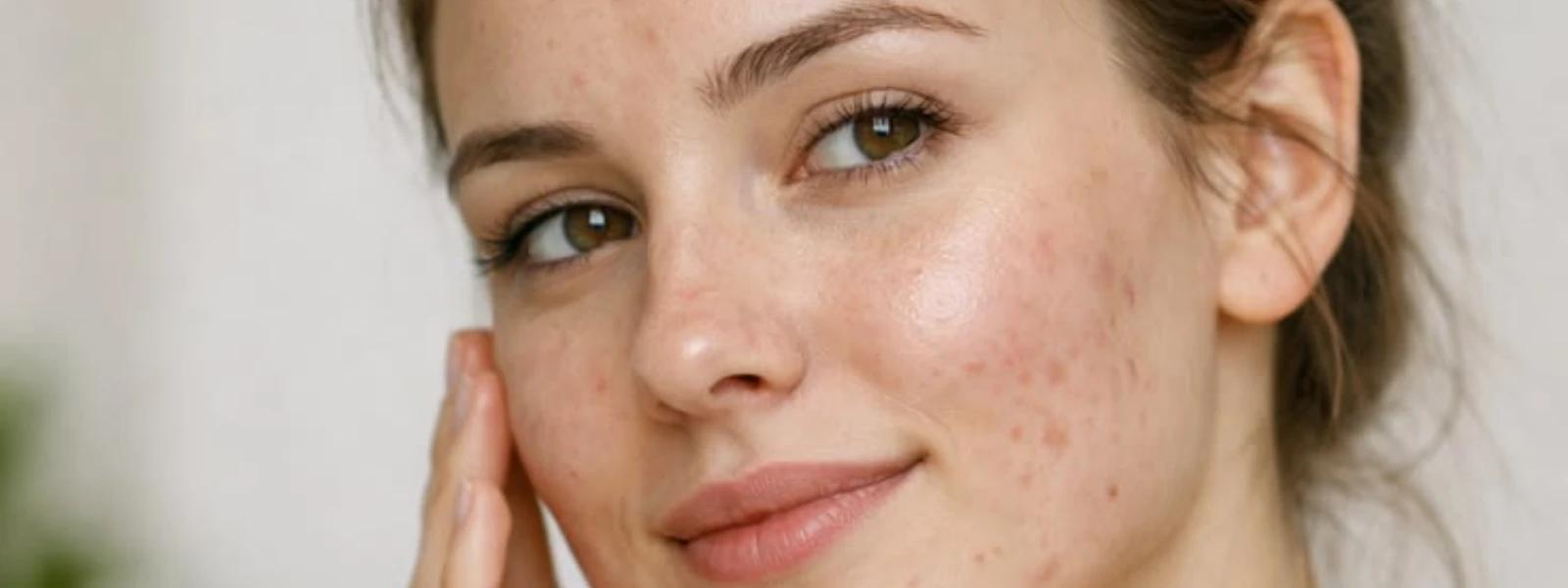
That angry red mark where your pimple used to be is staring back at you in the mirror, and you're wondering if your skin will ever look normal again. You're not alone in this frustration. Post-breakout skin recovery can feel like a waiting game, but understanding what's happening beneath the surface and knowing the right tips for post-breakout skin can make all the difference. Whether you're dealing with dark spots, lingering redness, or textural changes, your skin has an incredible ability to heal when given the proper support.
Before diving into treatment options, it's crucial to understand what type of post acne marks you're dealing with. Not all post-breakout concerns are created equal, and different types require different approaches for effective healing.
Post-inflammatory hyperpigmentation (PIH) appears as dark brown or black spots, particularly common on deeper skin tones. These marks develop when inflammation triggers excess melanin production. Post-inflammatory erythema (PIE) shows up as red or pink marks, more visible on lighter skin tones, caused by dilated capillaries beneath the skin's surface.
True acne scar treatment requires understanding scar types. Ice pick scars are narrow, deep indentations that look like small holes. Boxcar scars appear as broad, rectangular depressions with sharp edges. Rolling scars create a wave-like appearance across the skin's surface. Each type responds differently to treatment approaches.
PIH typically fades within 3-24 months without intervention, whilst PIE may resolve in 6-12 months. True acne scars, however, are permanent without professional treatment. Understanding this timeline helps set realistic expectations for your breakout recovery journey.
The foundation of effective skin healing after acne lies in consistent, gentle care that supports your skin's natural repair processes. Your approach during the first few weeks after a breakout can significantly impact how quickly and completely your skin recovers.
Over-cleansing irritated skin can worsen inflammation and delay healing. Use a gentle, pH-balanced cleanser twice daily. Look for ingredients like ceramides or hyaluronic acid that support the skin barrier whilst removing impurities without stripping natural oils.
Consistency trumps intensity when it comes to post-breakout care. Stick to a simple routine for at least 4-6 weeks before introducing new products. This allows your skin to heal without additional irritation from constantly changing formulations.
Aloe vera provides immediate soothing relief for inflamed skin. Green tea extract offers antioxidant protection whilst reducing redness. Centella asiatica supports wound healing and calms irritation. These gentle botanicals work well for sensitive, recovering skin.
Skip harsh scrubs, alcohol-based toners, and picking at healing skin. Avoid introducing multiple new products simultaneously, as this can trigger additional breakouts or irritation when your skin is already compromised.

Mineral Sunscreen SPF 50 | Matte Finish | No White Cast | Non-Nano Zinc Oxide | Cica | Pregnancy Safe | All Skin Types | 50ml
When home care isn't sufficient for your acne scar treatment needs, professional interventions can significantly improve skin texture and appearance. Understanding your options helps you make informed decisions about your skincare investment.
Professional peels using glycolic acid, salicylic acid, or TCA can improve skin texture and fade marks. Superficial peels require minimal downtime, whilst deeper peels offer more dramatic results but need longer recovery periods.
Fractional laser treatments create controlled micro-injuries that stimulate collagen production. IPL (Intense Pulsed Light) targets redness and pigmentation. These treatments require multiple sessions but can significantly improve skin texture improvement and reduce visible scarring.
Professional microneedling creates tiny channels in the skin, triggering natural healing responses. This treatment works well for shallow scars and can be combined with serums for enhanced results. Most people see improvement after 3-6 sessions.
If marks persist beyond 12 months, scars affect your confidence, or home treatments show no improvement after 3-6 months, professional intervention may be worth considering. A dermatologist can assess your specific needs and recommend appropriate treatments.
The right active ingredients can accelerate healing and prevent future issues. Understanding how each ingredient works helps you build an effective routine for acne inflammation reduction and mark prevention.
Retinol and retinyl palmitate accelerate cell turnover, helping fade marks faster. Start with low concentrations 2-3 times weekly, gradually increasing frequency as your skin adapts. Always use SPF when incorporating retinoids into your routine.
Niacinamide reduces inflammation, regulates oil production, and strengthens the skin barrier. At 5-10% concentrations, it's gentle enough for daily use whilst effectively addressing redness after pimple formation and preventing future breakouts.
Glycolic acid and lactic acid (AHAs) work on the skin's surface to fade marks and improve texture. Salicylic acid (BHA) penetrates pores to prevent future breakouts whilst gently exfoliating. Use these ingredients alternately to avoid over-exfoliation.

Salicylic Acid Face Cleanser | Deep Cleansing Formula for Breakouts | Unclogs Pores & Controls Oil | For Oily & Acne-Prone Skin | 100ml
L-ascorbic acid and magnesium ascorbyl phosphate brighten marks whilst providing antioxidant protection. Use vitamin C in the morning under SPF for maximum benefits and mark-fading results.
A well-structured routine supports healing whilst preventing future breakouts. The key is introducing active ingredients gradually whilst maintaining skin barrier health throughout your recovery process.
Start with gentle cleansing, apply a niacinamide serum, follow with a lightweight moisturiser, and finish with broad-spectrum SPF 30 or higher. This routine protects healing skin from UV damage that can worsen pigmentation.
Cleanse thoroughly, apply treatment serums like retinol or AHA/BHA (alternate nights), and seal with a nourishing moisturiser. Evening is when your skin does most of its repair work, making it ideal for active ingredients.
Incorporate a gentle clay mask once weekly to keep pores clear, or use a hydrating sheet mask to boost moisture levels. These treatments complement your daily routine without overwhelming healing skin.
Apply products from thinnest to thickest consistency: cleanser, toner/essence, serums, moisturiser, SPF (morning only). Wait 5-10 minutes between active ingredients to allow proper absorption and prevent irritation.
Your daily habits significantly impact how quickly your skin heals and whether marks become permanent. Small lifestyle adjustments can accelerate your breakout recovery timeline considerably.
UV exposure darkens existing marks and can make them permanent. Use broad-spectrum SPF 30+ daily, reapply every 2 hours when outdoors, and consider physical sunscreens with zinc oxide for sensitive, healing skin.
Anti-inflammatory foods like omega-3 rich fish, leafy greens, and berries support skin healing. Adequate water intake maintains skin hydration from within. Limit dairy and high-glycemic foods that may trigger inflammation in some people.
Quality sleep allows skin repair processes to function optimally. Chronic stress elevates cortisol levels, which can worsen inflammation and delay healing. Practice stress-reduction techniques like meditation or gentle exercise.

Hydrating Moisturizer | Non-Comedogenic | Boosts Collagen & Hydrates Deeply | Ceramides + Niacinamide | For Normal to Dry Skin | 50g
PIH typically fades within 3-24 months, whilst PIE may resolve in 6-12 months. Factors like skin tone, mark severity, and sun protection habits influence healing speed. Consistent skincare with active ingredients can accelerate this timeline significantly.
Start with one active ingredient and introduce others gradually. Combining niacinamide with hyaluronic acid is generally safe, but alternate nights when using retinoids with AHA/BHA products to prevent irritation.
Marks are flat discolourations (PIH/PIE) that fade over time with proper care. Scars involve textural changes like indentations or raised areas that typically require professional treatment for significant improvement.
Never pop pimples, as this increases inflammation and scarring risk. If you must extract, see a professional. For active breakouts, use spot treatments with salicylic acid or benzoyl peroxide instead.
Consult a dermatologist if marks persist beyond 12 months, you develop true scarring, or over-the-counter treatments show no improvement after 3-6 months of consistent use.
Natural ingredients like vitamin C, niacinamide, and alpha hydroxy acids can help fade marks. However, severe scarring typically requires professional treatment for optimal results.
Treat breakouts promptly with appropriate actives, avoid picking, use consistent sun protection, and maintain a gentle skincare routine. Early intervention significantly reduces mark formation risk.
Post-breakout skin recovery requires patience, consistency, and the right approach for your specific concerns. Whether you're dealing with lingering redness, dark spots, or textural changes, understanding your skin's healing process empowers you to make informed decisions about your skincare routine.
Remember that healing isn't linear—some days your skin may look better than others, and that's completely normal. Focus on gentle, consistent care that supports your skin's natural repair mechanisms rather than harsh treatments that promise overnight results.
The Smytten Shop offers carefully curated skincare products from trusted brands, allowing you to explore effective treatments for post-breakout concerns. With sample options available, you can test products before committing to full sizes, ensuring you find the right solutions for your unique skin needs. Your skin's recovery journey is personal, and having access to quality products that work for your specific concerns makes all the difference in achieving the clear, healthy complexion you're working towards.
