PIH Treatment for Acne FAQ: Your Questions Answered


Dark Spot Reduction Set | 3-Step Routine for Hyperpigmentation & Even Skin Tone | Cleanser, Serum & Moisturizer | Skin Care Routine Kit
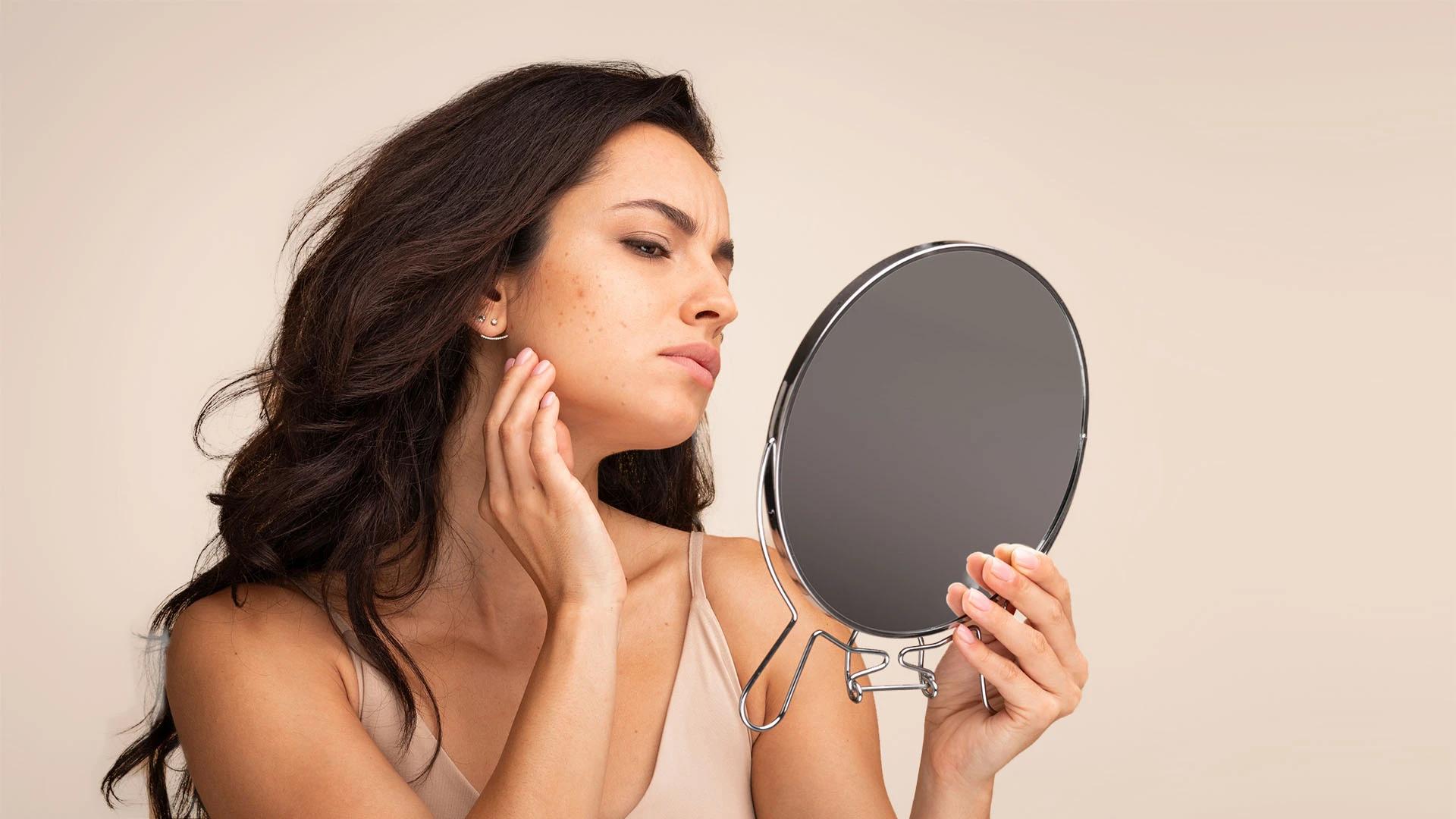
You've finally got your acne under control, but now you're left staring at those stubborn dark marks that seem determined to overstay their welcome. Those post-acne spots that make your skin look uneven despite your best efforts? You're dealing with post-inflammatory hyperpigmentation, and you're absolutely not alone in this journey. The good news is that with the right approach and a bit of patience, these marks can fade significantly.
Post-inflammatory hyperpigmentation (PIH) is your skin's natural response to inflammation. When acne creates trauma in your skin, your melanocytes (pigment-producing cells) go into overdrive, producing excess melanin as a protective mechanism. Think of it as your skin's way of trying to shield itself from further damage.
Unlike actual acne scars, which involve changes to your skin's texture, PIH is purely a colour issue. These flat, darkened areas range from light brown to deep black, depending on your natural skin tone. The deeper your skin tone, the more pronounced PIH tends to appear, which is why it's particularly common in South Asian skin types.
The process starts the moment your skin becomes inflamed. Whether it's a small whitehead or a deep cystic breakout, any acne lesion triggers an inflammatory cascade. Your immune system rushes to the area, bringing increased blood flow and inflammatory mediators. This environment signals your melanocytes to produce more pigment.
Several factors influence how severe your PIH becomes. Picking at spots dramatically increases your risk, as does prolonged inflammation from untreated acne. Sun exposure during the healing process can also darken marks significantly, making them more stubborn to treat later.
The key to successful PIH treatment lies in understanding that different approaches work for different severities and skin types. Most dermatologists recommend starting with topical treatments before considering more intensive procedures.
Retinoids remain the gold standard for treating PIH. These vitamin A derivatives accelerate cell turnover, helping to push pigmented cells to the surface more quickly. Tretinoin shows the strongest clinical evidence, whilst adapalene offers a gentler introduction for sensitive skin. Start with applications every third night and gradually increase frequency as your skin adapts.
Hydroquinone is often called the most effective topical lightening agent available. It works by inhibiting tyrosinase, the enzyme responsible for melanin production. However, it requires careful use and shouldn't be applied for more than 12 weeks continuously without a break.
Azelaic acid deserves special mention for acne-prone skin. Not only does it help fade hyperpigmentation, but it also has anti-inflammatory and antimicrobial properties that prevent new breakouts. This dual action makes it particularly valuable for those still dealing with active acne alongside PIH.

Target & Fade Duo for Hyperpigmentation | Even-Tone Underarms, Inner Thighs & Bum | Refines Skin Texture | For All Skin Types
Vitamin C serums work as both treatment and prevention. L-ascorbic acid and its stable derivatives like magnesium ascorbyl phosphate help inhibit melanin formation whilst providing antioxidant protection against future damage.
When topical treatments aren't moving the needle fast enough, chemical peels can accelerate results. Salicylic acid peels are particularly effective for acne-related PIH because they penetrate oil-filled pores whilst exfoliating the surface.
Glycolic acid offers deeper penetration for more established marks, whilst lactic acid provides gentler exfoliation for sensitive skin types. Professional-strength peels typically show results faster than at-home versions, but they also require proper aftercare and sun protection.
The most effective approach often involves combining treatments rather than relying on a single product. For mild PIH that's less than six months old, a combination of vitamin C in the morning and a gentle retinoid at night often produces excellent results within 3-4 months.
Moderate PIH typically requires more aggressive treatment. This might include prescription-strength retinoids, hydroquinone, or professional chemical peels. The key is patience – these marks didn't appear overnight, and they won't disappear overnight either.
Severe or long-standing PIH may need professional intervention. Laser treatments, intense pulsed light (IPL), or microneedling can help break up stubborn pigment deposits that haven't responded to topical treatments alone.
Understanding realistic timelines helps manage expectations and prevents treatment-hopping. Fresh PIH (under three months old) typically responds fastest, often showing improvement within 6-8 weeks of consistent treatment. Established marks (6-12 months old) usually require 3-6 months of dedicated treatment to see significant fading.
Very old PIH (over a year) can be the most challenging to treat and may require 6-12 months or longer to see substantial improvement. Some very deep, long-standing marks may never fade completely without professional intervention.
Success with PIH treatment for acne depends heavily on consistency and proper product layering. Your morning routine should focus on protection and gentle treatment, whilst evenings are for more active ingredients.

Mineral Sunscreen SPF 50 | Matte Finish | No White Cast | Non-Nano Zinc Oxide | Cica | Pregnancy Safe | All Skin Types | 50ml
Start your morning with a gentle cleanser, followed by vitamin C serum on clean skin. Allow it to absorb for 10-15 minutes before applying moisturiser and, crucially, broad-spectrum SPF 30 or higher. Sun protection isn't optional when treating PIH – UV exposure can darken marks and undo months of progress.
Evening routines can accommodate stronger actives. Begin with the same gentle cleanser, then apply your chosen treatment (retinoid, hydroquinone, or azelaic acid) to completely dry skin. Follow with a hydrating moisturiser to support your skin barrier.
The biggest mistake people make is using too many active ingredients too quickly. This often leads to irritation, which can actually worsen PIH. Start with one active ingredient and give your skin 4-6 weeks to adjust before adding anything new.
Inconsistent application is another progress killer. PIH treatment requires daily commitment – missing applications regularly will significantly slow your results. Set reminders if needed, but make your routine non-negotiable.
The best PIH treatment is prevention. Treating acne promptly and effectively reduces the likelihood of developing significant PIH. This means addressing breakouts early rather than waiting for them to resolve on their own.
Gentle skincare practices are crucial. Avoid aggressive scrubbing, picking, or squeezing spots. These actions increase inflammation and trauma, making PIH more likely and more severe. If you must extract a spot, do it properly with clean tools and gentle pressure.
Daily sun protection cannot be overstated. UV exposure during the inflammatory phase of acne can significantly darken resulting PIH. Make broad-spectrum sunscreen a non-negotiable part of your routine, even on cloudy days.
Salicylic acid can help with PIH, particularly when used in professional-strength peels. Its exfoliating action helps remove pigmented surface cells, whilst its anti-inflammatory properties may prevent new PIH from forming. However, it's generally less effective than retinoids or hydroquinone for established marks. For best results, use salicylic acid as part of a comprehensive routine rather than as a standalone treatment.

Salicylic Acid Face Cleanser | Deep Cleansing Formula for Breakouts | Unclogs Pores & Controls Oil | For Oily & Acne-Prone Skin | 100ml
Results vary significantly based on the age and severity of your PIH. Fresh marks (under 3 months) often show improvement within 6-8 weeks of consistent treatment. Older marks typically require 3-6 months to fade noticeably. Very established PIH may take 6-12 months or longer. The key is consistency – stopping and starting treatments will significantly slow your progress.
Yes, and it's often recommended to prevent new PIH from forming. Ingredients like azelaic acid and retinoids address both concerns effectively. However, be cautious about over-treating your skin. Start with one multi-purpose ingredient rather than layering multiple actives. If you're using separate acne and PIH treatments, introduce them gradually to avoid irritation.
Some natural ingredients show promise for mild PIH. Kojic acid (from rice fermentation), arbutin (from bearberry), and liquorice root extract all have melanin-inhibiting properties. However, these are generally less potent than proven treatments like retinoids or hydroquinone. They may work for very mild PIH or as maintenance treatments, but don't expect dramatic results from natural options alone.
Consider professional help if your PIH hasn't improved after 3-4 months of consistent treatment, if marks are very dark or extensive, or if you're developing new PIH despite treating your acne. A dermatologist can prescribe stronger treatments, perform professional procedures, or rule out other pigmentation disorders that might be mistaken for PIH.
Most PIH will fade naturally over time, even without treatment, though this can take 1-2 years or longer. However, very deep pigmentation or marks that have been present for several years may become semi-permanent without intervention. Early treatment significantly improves outcomes, which is why it's worth addressing PIH sooner rather than later.
PIH is purely a colour change – the marks are flat and don't affect your skin's texture. Acne scars involve actual tissue damage, creating depressions (atrophic scars) or raised areas (hypertrophic scars). You can have both PIH and scarring from the same breakout. The treatments differ significantly, so proper identification is important for choosing the right approach.
Dealing with post-inflammatory hyperpigmentation requires patience, consistency, and realistic expectations. The marks that seem so prominent to you will fade with time and proper treatment. Remember that your skin is constantly renewing itself – you're simply helping it along with the right ingredients and techniques.
The journey to clearer, more even-toned skin isn't always linear. You might see rapid improvement initially, followed by plateaus, then sudden progress again. This is completely normal and doesn't mean your treatment isn't working.
For those exploring new skincare solutions, platforms like Smytten Shop offer access to premium brands and curated selections that can help you discover effective treatments. With over 28 million users finding their perfect skincare matches, you're in good company on this journey to healthier skin. The key is finding what works for your unique skin type and sticking with it long enough to see results.
