PIH Skincare FAQ: Can I Use PIH With Other Actives?


Target & Fade Duo for Hyperpigmentation | Even-Tone Underarms, Inner Thighs & Bum | Refines Skin Texture | For All Skin Types
That stubborn dark spot from last month's breakout is still staring back at you in the mirror, isn't it? You've heard about post-inflammatory hyperpigmentation treatments, but now you're wondering if you can safely layer them with your existing skincare routine. The world of active ingredients can feel overwhelming when you're dealing with PIH—especially when everyone seems to have different advice about what works together and what doesn't.
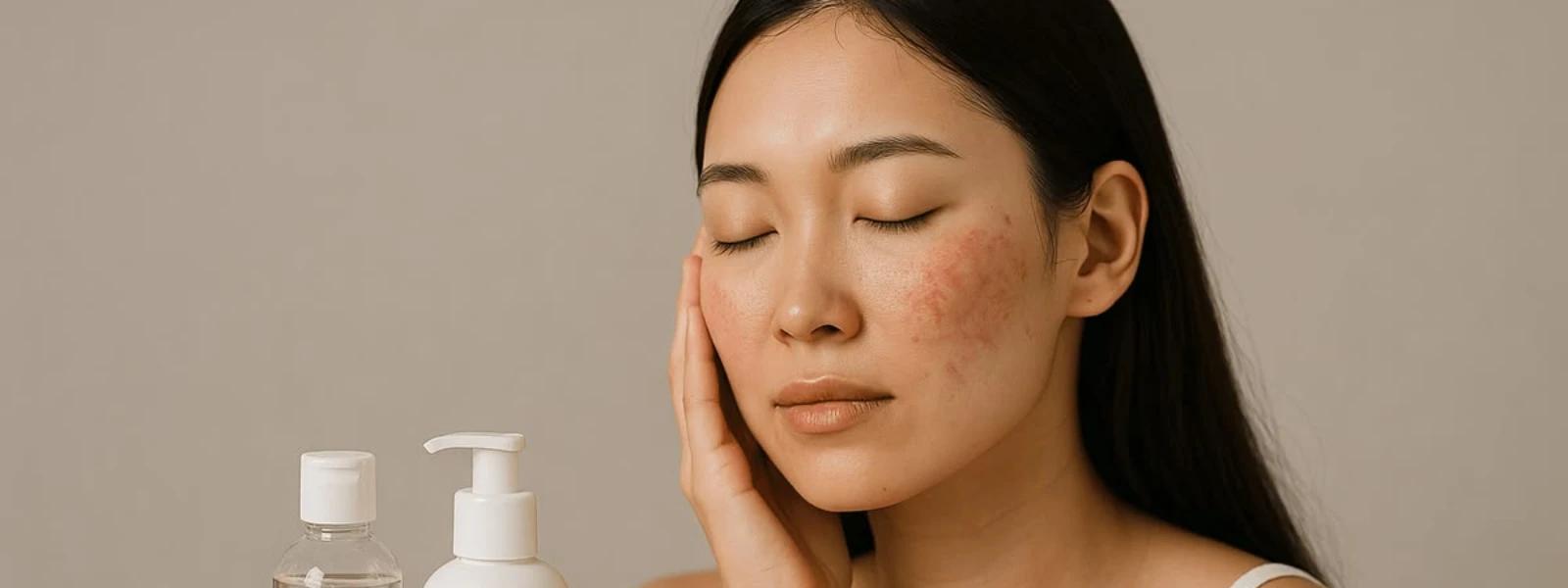
Post-inflammatory hyperpigmentation isn't just another skincare buzzword—it's your skin's natural response to inflammation. When a spot heals, your skin sometimes produces extra melanin in that area, leaving behind those frustrating dark marks that seem to linger for months. Unlike melasma or age spots, PIH is directly linked to previous inflammation, whether from acne, eczema, or even an aggressive skincare reaction.
The good news? PIH responds well to targeted treatment, and yes, you absolutely can use multiple active ingredients together—when done thoughtfully. Your skin will notice the difference when you approach PIH with a strategic combination rather than throwing everything at it at once.
PIH has a unique characteristic: it follows the exact pattern of your previous inflammation. That means if you had a cluster of spots on your chin, the dark marks will mirror that same pattern. This targeted nature actually works in your favour when choosing treatments, as you can focus your PIH treatment precisely where you need it most.
Think of active ingredients for PIH as your skin's renovation team. Some ingredients work to speed up cell turnover, revealing fresh skin underneath. Others inhibit melanin production, preventing new dark spots from forming. The most effective post-inflammatory hyperpigmentation routine typically combines both approaches, which is why layering actives can be so powerful—when done correctly.
Real talk: not all actives play well together, but many of the most effective PIH skincare ingredients are actually perfect partners. The key lies in understanding timing, concentration, and your skin's individual tolerance levels. Let's break down the combinations that actually work.
PIH and retinol make an excellent team for fading dark spots. Retinoids accelerate cell turnover, helping to push pigmented cells to the surface more quickly while preventing new PIH from forming. The trick is introducing retinol gradually—start with twice weekly applications and build up tolerance over 4-6 weeks.
For morning routines, pair your evening retinol with vitamin C and SPF. This combination gives you both treatment and protection, which is crucial since retinol can increase photosensitivity. Your skin will thank you for this methodical approach rather than diving in with daily retinol use straight away.
PIH and vitamin C work beautifully together, especially when you use vitamin C in the morning and save other actives for evening. Vitamin C not only helps fade existing dark spots but also prevents new PIH from forming by reducing inflammation and protecting against environmental damage that can worsen pigmentation.
L-ascorbic acid is the gold standard for hyperpigmentation treatment, but if your skin is sensitive, magnesium ascorbyl phosphate or sodium ascorbyl phosphate offer gentler alternatives. These stable forms work more slowly but cause less irritation, making them perfect for building a sustainable routine.

Mineral Sunscreen SPF 50 | Matte Finish | No White Cast | Non-Nano Zinc Oxide | Cica | Pregnancy Safe | All Skin Types | 50ml
Here's where things get exciting: niacinamide plays well with almost everything. This gentle powerhouse reduces inflammation, regulates oil production, and helps fade PIH without the irritation risk of stronger actives. You can use niacinamide morning and evening, making it an excellent base for your PIH treatment routine.
Niacinamide pairs particularly well with retinol, helping to buffer potential irritation while boosting the anti-inflammatory benefits. Many people find this combination more tolerable than retinol alone, especially when starting their PIH journey.
Once you've mastered the basics, you might want to explore more targeted combinations. Advanced skincare for PIH often involves cycling different actives throughout the week or using specific combinations for different skin concerns.
Azelaic acid deserves special mention in any PIH discussion because it tackles both acne and pigmentation simultaneously. This makes it particularly valuable if you're still dealing with active breakouts alongside existing dark spots. Azelaic acid can be used morning or evening, and it layers beautifully with most other actives.
Try pairing azelaic acid with niacinamide in the morning for a gentle but effective anti-inflammatory combination. In the evening, you can follow azelaic acid with retinol, though start slowly and monitor your skin's response.
AHAs and BHAs can support your PIH treatment by gently removing the top layer of pigmented skin cells. However, these should be used sparingly—2-3 times per week maximum—to avoid over-exfoliation that could actually worsen PIH by causing more inflammation.
Glycolic acid and lactic acid are excellent choices for PIH, but avoid using them on the same nights as retinol. Instead, alternate: retinol on Monday and Thursday, AHA on Tuesday and Friday, with gentler treatments on other days.
Let's address the elephant in the room: what can make PIH worse. Some ingredients and practices can actually deepen pigmentation or cause new dark spots to form, undoing all your careful progress.
Harsh scrubs, high-concentration acids used too frequently, and picking at your skin are the biggest culprits for worsening PIH. Physical exfoliation can create micro-trauma that leads to more inflammation and, consequently, more dark spots. Similarly, using multiple strong actives simultaneously can irritate your skin and trigger the very inflammation you're trying to avoid.
Essential oils, particularly citrus oils, can also cause photosensitivity and worsen pigmentation when exposed to sunlight. If you're serious about fading dark spots, it's worth avoiding these potentially problematic ingredients.
pH conflicts are real, and they can neutralise your carefully chosen actives. Vitamin C works best at a low pH, while retinol prefers a neutral environment. Using them simultaneously can reduce the effectiveness of both. This is why morning vitamin C and evening retinol is such a popular combination—it maximises the benefits of each ingredient.

Salicylic Acid Face Cleanser | Deep Cleansing Formula for Breakouts | Unclogs Pores & Controls Oil | For Oily & Acne-Prone Skin | 100ml
Over-layering is another common mistake. Your skin can only absorb so much at once, and piling on multiple actives often leads to irritation rather than better results. A good rule of thumb: if your routine takes more than 10 minutes to apply, you're probably using too many products.
Now for the practical bit: how do you actually structure a routine that addresses PIH without overwhelming your skin? The key is starting simple and building complexity gradually as your skin adapts.
Your morning routine should focus on protection and gentle treatment. Start with a gentle cleanser, follow with vitamin C serum, add niacinamide if your skin tolerates it, moisturise, and finish with broad-spectrum SPF 30 or higher. This foundation provides antioxidant protection while beginning the work of fading existing dark spots.
For oily skin, you might add azelaic acid after vitamin C. For sensitive skin, skip the vitamin C initially and focus on niacinamide and excellent sun protection. Remember, preventing new PIH is just as important as treating existing spots.
Evenings are when you can use stronger actives like retinol or chemical exfoliants. A typical evening routine might include gentle cleansing, followed by your chosen active (retinol, AHA, or azelaic acid), then a nourishing moisturiser to support your skin barrier.
Start with actives just 2-3 times per week, using gentle, hydrating products on off nights. Your skin needs time to repair and rebuild, especially when you're asking it to work harder with active ingredients.
Not all skin responds to PIH treatment in the same way, and this is particularly important to understand if you have darker skin or sensitive skin that's prone to irritation.
Darker skin tones are more prone to PIH because they naturally produce more melanin. This means both that dark spots can be more noticeable and that they may take longer to fade. However, it also means you need to be more cautious with active ingredients to avoid causing additional inflammation.
Lower concentrations of actives used consistently often work better than high-strength treatments used sporadically. Start with 0.25% retinol rather than 1%, and build up slowly. Your patience will be rewarded with gradual, sustainable improvement.
If your skin is sensitive, focus on gentle, anti-inflammatory ingredients like niacinamide and azelaic acid before introducing stronger actives. Bakuchiol, a plant-based retinol alternative, can be an excellent starting point for those who find traditional retinoids too irritating.
Always patch test new ingredients, and introduce only one new active at a time. This way, if irritation occurs, you'll know exactly which ingredient is the culprit.

Hydrating Moisturizer | Non-Comedogenic | Boosts Collagen & Hydrates Deeply | Ceramides + Niacinamide | For Normal to Dry Skin | 50g
While you can use both in your routine, it's best to separate them: vitamin C in the morning and retinol in the evening. This prevents potential pH conflicts and reduces irritation risk while maximising the benefits of both ingredients for fading dark spots.
Most people begin seeing improvement in PIH after 6-8 weeks of consistent treatment, with significant results typically visible after 3-4 months. Darker or deeper PIH may take 6-12 months to fade completely. Patience and consistency are key to successful hyperpigmentation treatment.
Yes, but introduce them gradually. Start with one active ingredient and add others slowly, monitoring your skin's response. Effective combinations include morning vitamin C with evening retinol, or niacinamide with azelaic acid. Avoid using multiple strong actives simultaneously to prevent irritation.
There's no single "best" ingredient—effectiveness depends on your skin type and the severity of your PIH. Retinoids are considered gold standard for cell turnover, vitamin C for prevention and antioxidant benefits, and hydroquinone (under dermatological supervision) for stubborn pigmentation. Most effective routines combine multiple complementary ingredients.
Focus on ingredients that address both concerns simultaneously, like azelaic acid, salicylic acid, and niacinamide. Avoid harsh scrubs or over-drying treatments that could worsen inflammation and lead to more PIH. Gentle, consistent treatment of active acne helps prevent new dark spots from forming.
Yes, but timing matters. Use chemical exfoliants 2-3 times per week maximum, and avoid combining them with retinol on the same night. You can use AHA/BHA in the morning (followed by SPF) or alternate evenings with retinol. Always start slowly and monitor for irritation.
Building an effective PIH skincare routine isn't about using every active ingredient available—it's about choosing the right combinations for your skin and using them consistently. The most successful approaches combine gentle daily treatments with targeted weekly interventions, always supported by excellent sun protection.
Remember, PIH treatment is a marathon, not a sprint. Your skin will respond better to patient, consistent care than to aggressive treatments that cause irritation. Start with proven combinations like morning vitamin C and evening retinol, build your tolerance gradually, and adjust based on your skin's response.
For those ready to explore curated PIH treatment options, platforms like Smytten Shop offer access to premium skincare brands with the added benefit of trying products through samples before committing to full sizes. With over 28 million users discovering their perfect skincare matches, you can build your ideal PIH routine with confidence, knowing you're investing in products that truly work for your skin.
