PIH for Brown Skin: Your Questions Answered


2% Salicylic Acid Face Serum | Reduces Open Pores, Blackheads & Whiteheads | With 5% Niacinamide | For All Skin Types | 30ml
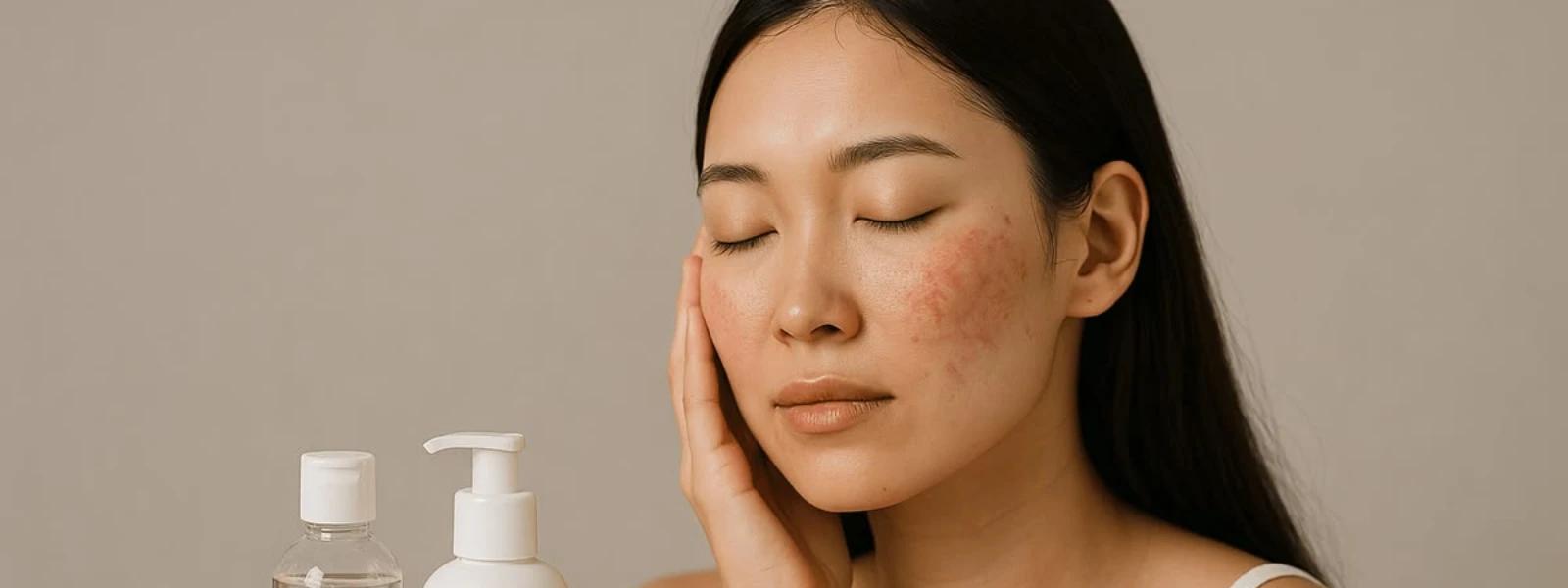
That stubborn dark spot from last month's breakout is still staring back at you in the mirror. If you have brown skin, you've probably noticed how even the smallest bump or scratch can leave behind a mark that seems to linger for months. Post-inflammatory hyperpigmentation (PIH) affects melanin-rich skin differently, and understanding these differences is the first step towards clearer, more even-toned skin. Real talk: your skin isn't being difficult—it's just responding the way nature designed it to protect itself.
Post-inflammatory hyperpigmentation occurs when your skin produces excess melanin in response to inflammation or injury. Think of it as your skin's overprotective response—whilst it's trying to heal and shield the damaged area, it ends up creating those frustrating dark spots that can take months to fade.
For those with melanin-rich skin (typically Fitzpatrick skin types 4-6), this process happens more intensely. Your melanocytes—the cells that produce melanin—are naturally more active, which means they respond more dramatically to any form of inflammation. Whether it's a pimple, an insect bite, or even aggressive scrubbing, your skin's melanin production kicks into overdrive.
Acne breakouts and picking at spots
Eczema or dermatitis flare-ups
Cuts, burns, or minor injuries
Harsh skincare treatments or over-exfoliation
Ingrown hairs from shaving or waxing
Allergic reactions to products
The key difference between epidermal and dermal PIH matters for treatment. Epidermal PIH sits in the top layer of skin and appears brown or black, whilst dermal PIH reaches deeper layers and often looks blue-grey. Brown skin tends to develop both types, making treatment more complex but not impossible.
Your skin's unique characteristics mean that what works for lighter skin tones might not be the best approach for you. Melanin-rich skin has a more robust inflammatory response, which can actually worsen PIH if treatments are too aggressive or inappropriate.
Sun exposure plays a particularly crucial role in PIH development and persistence in brown skin. UV rays stimulate melanin production, which means that existing dark spots can become darker and new ones can form more easily. This is why SPF isn't optional—it's absolutely essential for anyone dealing with hyperpigmentation in brown skin.
Inadequate sun protection
Using products with harsh ingredients
Picking or scratching at skin
Hormonal fluctuations
Certain medications that increase photosensitivity
Cultural practices and genetic predispositions also influence how your skin responds to inflammation. Some people naturally produce more melanin in response to injury, whilst others may have skin that's more sensitive to certain ingredients commonly found in skincare products.

2% Kojic Acid Serum | Dark Spot & Pigmentation Care | Alpha Arbutin + Niacinamide | Even-Tone Formula | For All Skin Types | 30ml
Effective PIH treatment for dark skin requires a gentle yet consistent approach. The goal is to inhibit excess melanin production whilst encouraging healthy skin cell turnover, all without triggering further inflammation.
Hydroquinone remains the gold standard for treating PIH, particularly in concentrations of 2% for over-the-counter use. It works by inhibiting tyrosinase, the enzyme responsible for melanin production. However, it's crucial to use it correctly—start slowly and always pair it with SPF, as it can increase photosensitivity.
Azelaic acid is particularly brilliant for sensitive brown skin. It offers anti-inflammatory properties whilst gently encouraging cell turnover, making it less likely to cause irritation than stronger acids. Niacinamide is another hero ingredient that helps regulate melanin transfer whilst reducing inflammation—perfect for preventing new PIH from forming.
Mandelic acid, derived from almonds, is the gentlest of the AHAs and works wonderfully for darker skin tones. Its larger molecular size means it penetrates more slowly, reducing the risk of irritation whilst still providing effective exfoliation.
Chemical peels specifically formulated for darker skin
Laser therapy with appropriate wavelengths
Microneedling to stimulate collagen production
IPL treatments designed for melanin-rich skin
Building an effective PIH skincare routine means choosing products that work synergistically without overwhelming your skin. The key is consistency and patience—most people start seeing improvements after 6-8 weeks of regular use.
Your morning routine should focus on protection and prevention. Start with a gentle cleanser that won't strip your skin's natural barrier. Follow with a vitamin C serum—this antioxidant helps prevent new dark spots from forming whilst gradually brightening existing ones. Always finish with a broad-spectrum SPF of at least 30.
Evening is when you can introduce more active ingredients. Retinoids are incredibly effective for PIH as they accelerate cell turnover, helping dark spots fade more quickly. Start with a gentle retinyl palmitate or low-concentration retinol if you're new to retinoids.
Brightening serums containing ingredients like kojic acid, arbutin, or licorice root extract can be layered under your moisturiser. These natural lightening agents work gradually to even out skin tone without the potential side effects of stronger treatments.

Target & Fade Duo for Hyperpigmentation | Even-Tone Underarms, Inner Thighs & Bum | Refines Skin Texture | For All Skin Types
Hyaluronic acid serums for deep hydration
Ceramide-rich moisturisers to repair skin barrier
Squalane oils for gentle nourishment
Peptide creams for skin repair and regeneration
Patience is perhaps the most important ingredient in any dark spot removal routine for brown skin. Unlike lighter skin tones where PIH might fade in 6-12 weeks, melanin-rich skin often requires 3-6 months or longer to see significant improvement.
The key to fading dark spots on brown skin is layering treatments safely. Never use multiple strong actives at once—this can lead to irritation and potentially worsen PIH. Instead, alternate between different treatments or use them at different times of day.
Week 1-4: Focus on establishing tolerance to new products. You might not see visible changes yet, but your skin is adjusting. Week 5-8: Early signs of improvement may appear, with spots looking slightly lighter. Week 9-16: More noticeable fading occurs, and skin tone becomes more even. Month 4-6: Significant improvement in PIH, with some spots completely faded.
Prevention is equally important as treatment. This means being gentle with your skin, avoiding picking at spots, and maintaining consistent sun protection. Even on cloudy days or when you're indoors, UV rays can still reach your skin and darken existing PIH.
An effective routine for uneven skin tone treatment doesn't need to be complicated, but it does need to be consistent. Here's a practical approach that works for most people with brown skin dealing with PIH.
Gentle cleanser (avoid sulfates that can strip skin)
Vitamin C serum (start with 10% concentration)
Lightweight moisturiser with ceramides
Broad-spectrum SPF 30 or higher (reapply every 2 hours)
Double cleanse if wearing makeup or SPF
Treatment serum (alternate between retinol and brightening ingredients)
Hydrating serum with hyaluronic acid
Rich moisturiser or facial oil
Weekly treatments can include gentle exfoliation with a mandelic acid mask or a hydrating sheet mask to support skin barrier repair. Remember, less is often more when dealing with PIH—overloading your skin with too many actives can backfire.

Mineral Sunscreen SPF 50 | Matte Finish | No White Cast | Non-Nano Zinc Oxide | Cica | Pregnancy Safe | All Skin Types | 50ml
PIH on brown skin typically takes 6-12 months to fade naturally without treatment, sometimes longer for deeper spots. With consistent use of appropriate treatments, you can reduce this timeline to 3-6 months. The key is patience and sun protection throughout the process.
PIH can temporarily appear darker when you first start treatment, especially if you're using active ingredients like retinoids or acids. This is often due to increased cell turnover bringing pigmented cells to the surface. Continue your routine consistently, and you should see improvement after 4-6 weeks.
The most effective approach combines gentle exfoliation (mandelic or azelaic acid), melanin inhibitors (niacinamide, kojic acid), and strict sun protection. Consistency matters more than using the strongest ingredients—gentle, regular treatment prevents irritation that could worsen PIH.
Yes, but introduce them gradually and never layer multiple strong actives at once. Start with one treatment for 2-3 weeks, then slowly add others. For example, use vitamin C in the morning and retinol at night, or alternate between different evening treatments on different days.
PIH occurs after inflammation or injury and appears as distinct dark spots. Melasma is hormonally triggered and appears as larger, symmetrical patches, often on the face. Melasma is typically more challenging to treat and requires different approaches, often involving professional treatments.
Whilst some natural ingredients like licorice root, kojic acid (from fungi), and vitamin C can help, home remedies like lemon juice or baking soda can actually worsen PIH by causing irritation. Stick to proven ingredients in properly formulated products for the safest and most effective results.
Treating PIH on brown skin requires understanding your skin's unique needs and responding with gentle, consistent care. The benefits of proper PIH treatment extend beyond just fading dark spots—you're building healthier skin that's more resilient to future inflammation and hyperpigmentation.
Remember that your skin's melanin-rich nature isn't a disadvantage—it's actually protective in many ways. With the right approach, you can achieve the even, radiant skin tone you're after whilst maintaining your skin's natural strength and beauty.
For those exploring new products and treatments, platforms like Smytten Shop offer the opportunity to try samples before committing to full sizes. With over 28 million users discovering products through trials, you can test different PIH treatments to find what works best for your unique skin needs, often with cashback benefits on purchases. Your skin deserves products that truly work for you, not against you.
