Oily Skin Sunscreen FAQ: Your Questions Answered
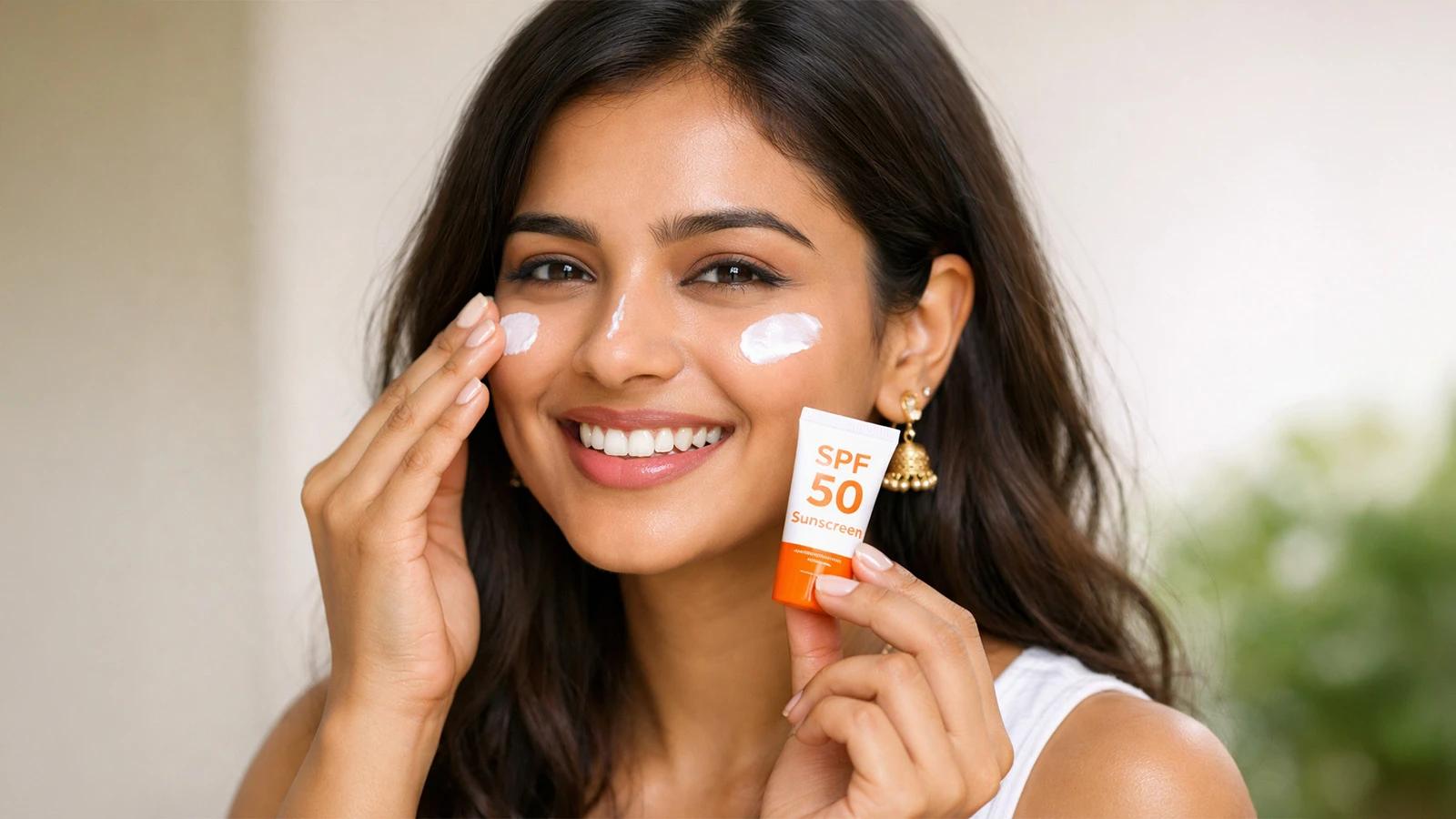


Fluid SPF 50 Sunscreen for Oily Skin | No White Cast | Matte, Ultra-Light & Non-Greasy | Niacinamide + Vitamin C | 50ml
You've just finished your morning skincare routine, and now comes the dreaded sunscreen step. Will it make your already oily skin look like a grease slick? Will it clog your pores and trigger more breakouts? If you're nodding along, you're not alone. Finding the right sunscreen for oily skin feels like an impossible task, but it doesn't have to be. Let's tackle your biggest concerns and questions about protecting oily, acne-prone skin without the shine or breakouts.
Absolutely, yes. This myth that oily skin doesn't need sun protection needs to disappear from skincare conversations. Your skin's natural oils provide zero protection against harmful UV rays. In fact, skipping sunscreen can make oily skin worse over time.
UV damage triggers your skin to produce even more oil as a protective response. It also breaks down collagen, leading to premature ageing and enlarged pores. For those dealing with acne, sun exposure might temporarily dry out spots, but it ultimately causes more inflammation and hyperpigmentation. Those dark marks left behind by breakouts? They become darker and more stubborn without proper SPF protection.
Research consistently shows that daily sunscreen use prevents 80% of visible ageing signs. For oily skin types, this protection is crucial because the combination of excess sebum and UV damage can lead to a cycle of inflammation, breakouts, and post-inflammatory marks that take months to fade.
The best sunscreen for oily skin comes down to formula and finish. You want products that protect without adding to the shine or clogging your pores. Here's what actually works for oily, acne-prone skin types.
Gel-based formulas are your best friend. They absorb quickly, don't leave a greasy residue, and often contain mattifying ingredients. Look for terms like "dry-touch," "matte finish," or "oil-free" on the packaging. These formulations are specifically designed to work with oily skin, not against it.
Key ingredients to seek out include niacinamide, which helps regulate sebum production whilst providing additional skin benefits. Zinc oxide offers excellent broad-spectrum protection and has natural oil-absorbing properties. Hyaluronic acid provides lightweight hydration without heaviness.
The non-comedogenic label isn't just marketing speak—it means the product has been tested to ensure it won't block your pores. For acne-prone skin, this certification is non-negotiable. Mineral sunscreens with zinc oxide or titanium dioxide tend to be gentler on sensitive, breakout-prone skin compared to chemical filters.

Tinted Sunscreen SPF 50 | Makeup-Friendly | No White Cast | Niacinamide + Titanium Dioxide | For Oily, Combination & Acne-Prone Skin | 40ml
Application technique matters just as much as product choice when you're dealing with oily skin. The right method can make even a slightly heavier sunscreen work beautifully on shine-prone areas.
Start with clean, slightly damp skin. Pat your face dry, leaving just a hint of moisture—this helps the sunscreen for face oily skin spread more evenly. Apply your sunscreen 15 minutes before sun exposure, giving it time to properly absorb and form a protective barrier.
Use the two-finger rule: squeeze sunscreen along your index and middle fingers, then dot it across your forehead, cheeks, nose, and chin. Gently pat and press the product into your skin rather than rubbing vigorously. This prevents the formula from pilling or feeling heavy.
For reapplication throughout the day, blotting papers are your secret weapon. Gently press away excess oil, then apply a thin layer of lightweight sunscreen or use a powder SPF for touch-ups. Remember, SPF 30 is the minimum for daily protection, but SPF 50 offers better coverage for extended outdoor time.
The wrong sunscreen absolutely can make your skin oilier and more prone to breakouts. Heavy, occlusive formulas can trap sebum and bacteria, leading to congestion and that dreaded greasy feeling that lasts all day.
Comedogenic ingredients like coconut oil, cocoa butter, or heavy silicones can clog pores in acne-prone individuals. Some chemical UV filters can also irritate sensitive skin, causing inflammation that triggers more oil production. If your skin feels greasier or breaks out more after starting a new sunscreen, the formula likely isn't right for your skin type.
Signs your sunscreen isn't working for oily skin include increased shine within an hour of application, new breakouts along the hairline or jawline, or a heavy, suffocating feeling on your skin. The solution isn't to skip SPF—it's to find a better-suited oil-free sunscreen that works with your skin's needs.
Switch to gel formulas, look for mattifying ingredients, and always patch-test new products on a small area first. Your skin should feel protected but comfortable, never greasy or irritated.

Sunscreen Spray for Body | SPF 50+ PA+++ | Sweat & Water-Resistant | Broad Spectrum UVA/UVB Protection | Clear Matte Formula | Aloe Vera | 100ml
Shopping for sunscreen for acne-prone skin requires a bit of label detective work, but knowing what to look for makes the process much easier. Focus on formulation type first—gels, lightweight lotions, and fluid textures typically work better than thick creams.
Check the ingredient list for oil-absorbing components like silica, kaolin clay, or rice starch. These help control shine throughout the day. Avoid heavy oils, thick emollients, and fragrances that can irritate sensitive, breakout-prone skin.
SPF levels between 30-50 offer excellent protection for daily use. Higher SPFs don't necessarily mean better protection and often come with heavier formulations. PA ratings (PA+, PA++, PA+++) indicate UVA protection—look for PA+++ for comprehensive coverage.
Price doesn't always indicate quality for mattifying sunscreen options. Many affordable drugstore formulas perform just as well as expensive alternatives. Focus on ingredients and finish rather than packaging claims. Reading reviews from people with similar skin types can provide valuable insight into real-world performance.
Gel-based formulas with zinc oxide or chemical filters like avobenzone work exceptionally well for oily, acne-prone skin. Look for products specifically labelled as non-comedogenic and oil-free. Ingredients like niacinamide provide additional sebum control benefits whilst protecting your skin.
Every two hours during sun exposure, or immediately after swimming or sweating heavily. For daily wear, reapply once midday if you're mostly indoors. Use blotting papers first to remove excess oil, then apply a thin layer of your lightweight sunscreen or touch up with powder SPF.

SPF 50 Sunscreen for Pigmentation | Lightweight, Non-Greasy, No White Cast | Fades Dark Spot & Acne Marks | For All Skin Types | 50g
Absolutely. Wait 10-15 minutes after applying sunscreen to let it fully absorb, then apply your makeup as usual. Choose oil-free, non-comedogenic makeup products to avoid overwhelming your skin. A mattifying primer can help control shine throughout the day.
SPF 30 blocks about 97% of UVB rays, whilst SPF 50 blocks 98%. The difference is minimal, but SPF 50 formulas are often heavier and may feel greasier on oily skin. SPF 30 is perfectly adequate for daily protection if you prefer a lighter feel.
It depends on your skin's hydration needs and your sunscreen formula. If your sunscreen for oily skin contains hydrating ingredients like hyaluronic acid, you might skip separate moisturiser. Very oily skin types often find sunscreen alone provides sufficient hydration, especially with gel formulas.
Mineral sunscreens with zinc oxide or titanium dioxide are often gentler and less likely to cause irritation. They also provide natural oil-absorbing benefits. However, some people find them too drying or prefer the lighter feel of chemical sunscreens. It's about finding what works for your specific skin needs.
Protecting oily skin doesn't mean accepting a greasy, uncomfortable feeling all day. The right sunscreen should feel lightweight, absorb quickly, and actually help control shine rather than add to it. Focus on gel formulas, mattifying ingredients, and non-comedogenic certifications when shopping.
Remember that consistency matters more than perfection. Using a good-enough sunscreen daily beats skipping protection because you haven't found the "perfect" formula yet. Your skin will thank you for the protection, and you'll notice fewer dark spots and less irritation over time.
For those exploring new products, platforms like Smytten Shop offer the chance to try different formulas before committing to full sizes. With over 28 million users discovering products through samples and trials, you can find your ideal oily skin sunscreen without the guesswork. The key is protecting your skin consistently whilst keeping it comfortable and healthy.
