Niacinamide for Redness FAQ: Your Skin Calming Questions Answered


10% Vitamin C Face Serum | Brightens Dull, Uneven Skin & Boosts Glow | With 5% Niacinamide | Beginner-Friendly | For All Skin Types | 30ml
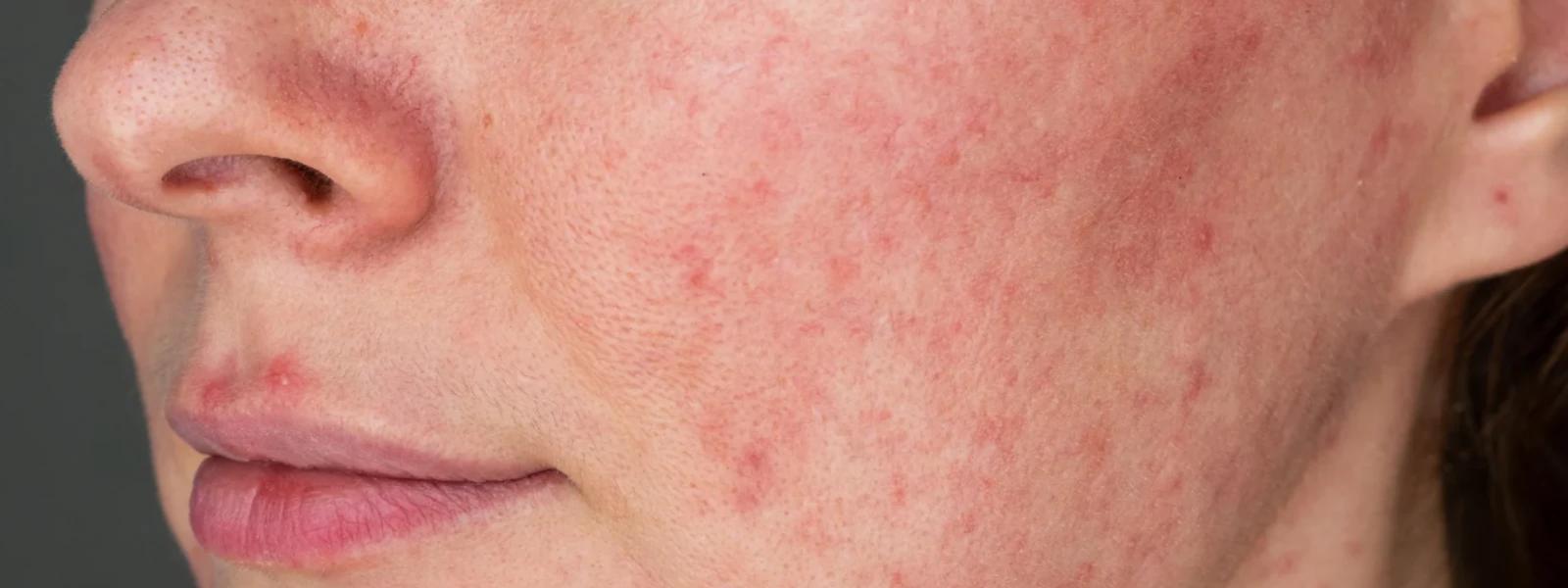
You've just caught a glimpse of your reflection and there it is again — that persistent redness across your cheeks that makes you look like you've been running when you've barely left your desk. Whether it's the aftermath of a particularly stressful week, your skin's reaction to the changing weather, or that familiar flush that appears whenever you're feeling overwhelmed, facial redness can feel like an unwelcome constant. The good news? Niacinamide has become something of a hero ingredient for calming irritated skin, and there's solid science behind why it works so well for redness relief.
Niacinamide, also known as nicotinamide, is a form of vitamin B3 that your skin absolutely loves. Unlike some skincare ingredients that can initially irritate before they improve your skin, niacinamide gets to work immediately, making it perfect for anyone dealing with sensitive skin solutions. The magic happens at a cellular level — niacinamide helps reduce inflammation by inhibiting the transfer of inflammatory mediators, which essentially means it tells your skin to calm down and stop overreacting.
Research shows that niacinamide works by reducing the production of inflammatory cytokines, the chemical messengers that trigger redness and irritation. When your skin encounters irritants — whether that's pollution, stress hormones, or even just the friction from your face mask — these cytokines go into overdrive. Niacinamide essentially acts as a mediator, helping to restore balance and reduce the visible signs of inflammation.
One of the key reasons niacinamide is so effective for redness relief is its ability to strengthen your skin barrier. A compromised barrier is often the root cause of persistent redness — when your skin can't protect itself properly, it becomes reactive to everything. Niacinamide boosts ceramide production, which helps seal the gaps between skin cells and creates a stronger, more resilient barrier.
Whilst niacinamide for redness is what initially draws many people to this ingredient, its benefits extend far beyond just calming irritated skin. This is why dermatologists often recommend it as a foundational ingredient — it's like getting multiple skincare benefits in one gentle package.
Niacinamide benefits for skin include regulating oil production, which means fewer breakouts and less congestion. It also helps minimise the appearance of pores and can gradually improve uneven skin tone. For anyone dealing with post-acne marks or general hyperpigmentation, niacinamide works gently over time to fade these concerns whilst simultaneously preventing new redness from forming.
The reason skincare professionals consistently recommend niacinamide is its remarkable tolerance across different skin types. Unlike acids or retinoids that require careful introduction, niacinamide is generally well-tolerated even by the most reactive skin. It's also stable in formulations and plays well with other ingredients, making it an excellent foundation for any anti-redness serum routine.
If you're dealing with rosacea or persistent facial redness, you've probably tried countless products with mixed results. The frustrating thing about chronic redness is that many treatments can initially make things worse before they get better. Niacinamide for rosacea offers a gentler approach that many find effective for managing symptoms without the irritation that can come with stronger treatments.

10% Niacinamide Serum | Controls Sebum & Minimizes Pores | Reduces Spots | With 1% Alpha Arbutin | Suitable for All Skin Types | 30ml
Clinical studies have shown that topical niacinamide can significantly reduce the inflammatory lesions associated with rosacea. In one study, participants using a 4% niacinamide gel showed marked improvement in redness and inflammation after 8 weeks of use. What's particularly encouraging is that these improvements were maintained with continued use, suggesting that niacinamide offers sustainable redness and irritation treatment.
For those with chronic redness that isn't necessarily rosacea, niacinamide can still be incredibly helpful. It works by addressing the underlying inflammation that causes persistent flushing and helps strengthen the skin's natural defences against environmental triggers. Many users find that regular use of niacinamide helps reduce the frequency and intensity of redness flare-ups.
Getting the most out of niacinamide for redness isn't just about finding the right product — it's about using it correctly and consistently. The good news is that niacinamide is one of the more straightforward ingredients to incorporate into your routine, but there are still some key points to consider for optimal results.
Start with clean skin and apply your niacinamide serum before heavier creams or oils. A concentration between 5-10% is typically most effective for redness relief — higher concentrations aren't necessarily better and may cause irritation in sensitive individuals. Apply a few drops to your entire face, focusing on areas where you experience the most redness.
One of the brilliant things about niacinamide is how well it plays with other skin calming ingredients. You can safely layer it with hyaluronic acid for added hydration, or use it alongside gentle ceramide-rich moisturisers. If you're using other actives like vitamin C or retinoids, niacinamide can actually help buffer any potential irritation from these ingredients.
When you're researching best products for facial redness, you'll likely come across several different ingredients that promise similar results. Understanding how niacinamide compares to alternatives can help you make the best choice for your specific skin concerns and tolerance levels.
Both niacinamide and azelaic acid are excellent for how to reduce skin inflammation, but they work slightly differently. Azelaic acid tends to be more effective for rosacea-related redness and can also help with gentle exfoliation, whilst niacinamide is generally more tolerable and better for overall skin barrier support. Many people find success using both ingredients, either alternating them or using products that contain both.

Target & Fade Duo for Hyperpigmentation | Even-Tone Underarms, Inner Thighs & Bum | Refines Skin Texture | For All Skin Types
Other skin calming ingredients worth considering include centella asiatica, green tea extract, and allantoin. These botanicals work beautifully alongside niacinamide and are often found in the same formulations. The advantage of niacinamide is its dual action — it both soothes existing redness and helps prevent future irritation by strengthening the skin barrier.
Whilst niacinamide is generally considered one of the gentlest active ingredients available, it's still important to understand potential side effects and how to use it safely. This is particularly crucial if you have very reactive skin or are dealing with conditions like rosacea where the wrong product can trigger a flare-up.
True adverse reactions to niacinamide are rare, but some people may experience mild irritation when first starting use. This typically presents as slight tingling or temporary redness that subsides within a few minutes. If you experience persistent irritation, burning, or worsening redness, discontinue use and consider trying a lower concentration or different formulation.
Very few people need to completely avoid niacinamide, but those with known allergies to vitamin B3 or nicotinic acid should exercise caution. If you're pregnant or breastfeeding, niacinamide is generally considered safe for topical use, but it's always worth checking with your healthcare provider about any new skincare ingredients.
Whilst some people notice immediate soothing effects from niacinamide, significant redness relief typically develops over 4-8 weeks of consistent use. You might notice your skin feels calmer after the first few applications, but the real anti-inflammatory benefits build up over time as your skin barrier strengthens.
For redness relief, concentrations between 5-10% tend to be most effective. Starting with 5% is often recommended for sensitive skin, whilst those with more resilient skin may benefit from 10%. Higher concentrations aren't necessarily more effective and may cause irritation.
Unlike some active ingredients, niacinamide rarely causes an initial worsening of redness. If you experience increased irritation, it's more likely due to other ingredients in the formulation or using too high a concentration. Consider switching to a simpler, lower-concentration product.

Mineral Sunscreen SPF 50 | Matte Finish | No White Cast | Non-Nano Zinc Oxide | Cica | Pregnancy Safe | All Skin Types | 50ml
Both ingredients can be effective for rosacea management. Niacinamide tends to be gentler and better for overall skin barrier support, whilst azelaic acid may be more effective for papulopustular rosacea. Many dermatologists recommend trying niacinamide first due to its excellent tolerance profile.
Yes, niacinamide and vitamin C can be used together safely. In fact, niacinamide may help reduce any potential irritation from vitamin C whilst providing additional anti-redness benefits. You can apply them at the same time or use one in the morning and one in the evening.
Most people begin noticing improvements in redness and irritation within 2-4 weeks of consistent use. Significant changes in chronic redness or rosacea symptoms typically become apparent after 6-8 weeks. The key is consistent daily application.
Niacinamide can be used both morning and evening, but many people find morning application particularly beneficial as it helps protect against environmental stressors that can trigger redness throughout the day. Evening use supports overnight skin barrier repair.
Creating an effective routine for redness relief goes beyond just adding a niacinamide serum to your existing regimen. The key is building a comprehensive approach that addresses both immediate soothing and long-term skin barrier health.
Start with a gentle, non-foaming cleanser that won't strip your skin. Follow with your niacinamide serum, then a lightweight, fragrance-free moisturiser. Always finish with a broad-spectrum SPF — sun exposure is one of the biggest triggers for facial redness, and protecting your skin daily is crucial for managing sensitive skin solutions.
Your evening routine is when your skin does most of its repair work, making it the perfect time to focus on niacinamide skin barrier strengthening. After cleansing, apply your niacinamide serum, then follow with a richer moisturiser that contains ceramides or other barrier-supporting ingredients. This combination helps maximise the redness and irritation treatment benefits whilst you sleep.
Managing facial redness doesn't have to be a constant battle with harsh treatments that promise quick fixes but often leave your skin more irritated than before. Niacinamide for redness offers a gentle, science-backed approach that works with your skin rather than against it. The beauty of this ingredient lies not just in its immediate soothing properties, but in its ability to strengthen your skin's natural defences over time.
Remember that consistency is key when it comes to seeing real improvements in chronic redness. Whilst you might notice some immediate calming effects, the most significant benefits develop over weeks and months of regular use. For those exploring new anti-redness serum options, platforms like Smytten Shop offer the opportunity to try products from premium brands before committing to full sizes — particularly valuable when you're dealing with reactive skin that doesn't respond well to every formulation.
Your skin's redness tells a story, and understanding that story is the first step towards finding solutions that actually work. Whether you're dealing with occasional flare-ups or persistent redness that affects your confidence, incorporating niacinamide into a thoughtfully constructed routine can help you achieve the calm, balanced skin you're looking for. Trust the process, be patient with your skin, and remember that the gentlest approach is often the most effective one.
