Melasma Triggers and Remedies FAQ: Your Complete Guide


Target & Fade Duo for Hyperpigmentation | Even-Tone Underarms, Inner Thighs & Bum | Refines Skin Texture | For All Skin Types
You've noticed those stubborn brown patches on your cheeks that seem to darken every time you step outside. Or perhaps you're dealing with the frustrating reality that your skin tone looks uneven despite your best skincare efforts. Melasma affects millions of people worldwide, creating symmetrical patches of hyperpigmentation that can feel impossible to manage. The good news? Understanding what triggers melasma and knowing the right remedies can help you regain confidence in your skin. Let's explore everything you need to know about managing this common yet complex skin concern.
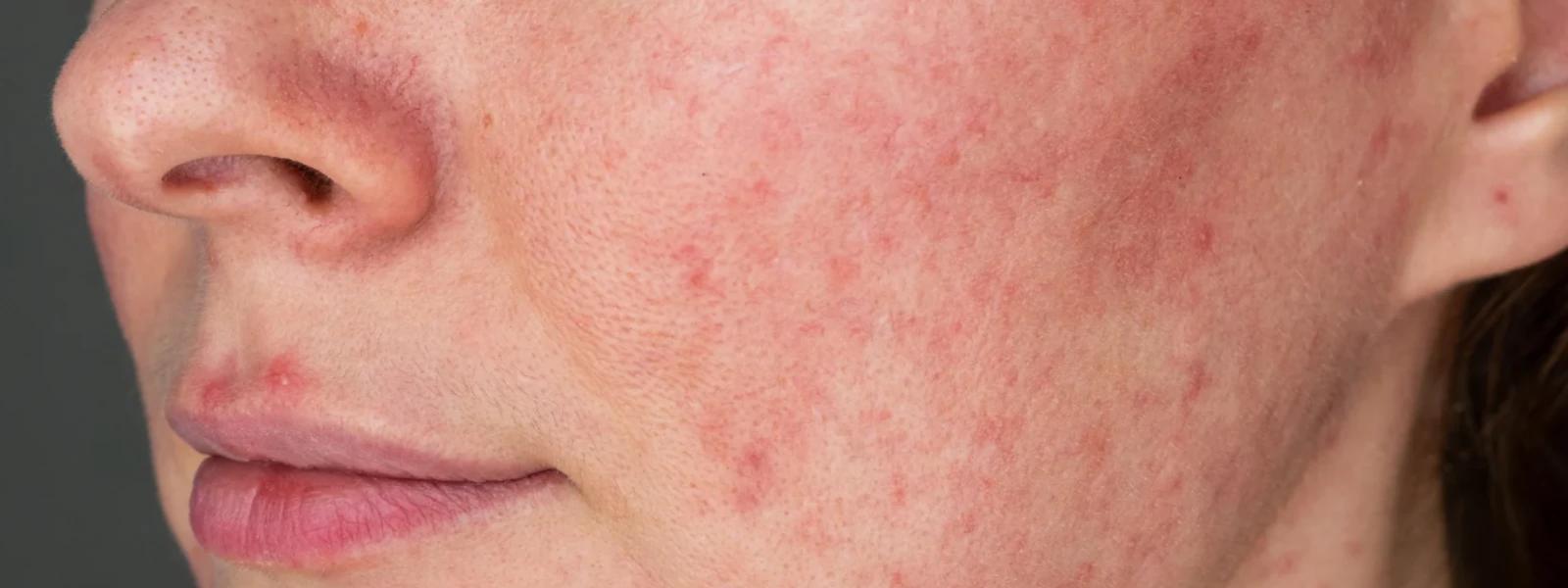
Melasma is a form of hyperpigmentation that creates brown or grey-brown patches on the face, typically appearing symmetrically across both sides. Unlike other types of skin discoloration, melasma has a distinctive pattern and tends to worsen with certain triggers. The condition occurs when melanocytes (pigment-producing cells) become overactive, producing excess melanin in specific areas of the skin.
When your skin encounters certain triggers, particularly UV radiation, it stimulates melanocytes to produce more melanin as a protective response. In melasma-prone skin, this process becomes dysregulated, leading to patches of concentrated pigmentation. The condition primarily affects the epidermis (outer skin layer), though deeper dermal melasma can also occur. This uneven skin tone develops gradually and tends to persist without proper treatment and prevention measures.
UV radiation exposure stands as the most significant trigger for melasma development and worsening. Even brief sun exposure can darken existing patches and stimulate new ones to form. Hormonal changes during pregnancy, menopause, or from birth control pills create the perfect storm for melasma development, which is why it's often called "pregnancy mask." Skin irritation from aggressive treatments, waxing, or harsh products can also trigger melasma in susceptible individuals. Additionally, genetic predisposition plays a crucial role, with family history significantly increasing your risk. Heat and humidity can worsen existing melasma, making summer months particularly challenging for those managing this condition.
When it comes to effective melasma treatment, professional interventions often provide the most dramatic and lasting results. Dermatologists have access to prescription-strength ingredients and advanced procedures that can significantly improve skin discoloration over time.

Mineral Sunscreen SPF 50 | Matte Finish | No White Cast | Non-Nano Zinc Oxide | Cica | Pregnancy Safe | All Skin Types | 50ml
Triple combination therapy remains the gold standard for melasma treatment, combining hydroquinone, tretinoin, and a topical corticosteroid. This powerful combination works by inhibiting melanin production, accelerating cell turnover, and reducing inflammation. Chemical peels using glycolic acid, lactic acid, or trichloroacetic acid can help remove pigmented skin layers and promote new, more evenly toned skin growth. Laser treatments like Q-switched lasers or fractional lasers target melanin deposits directly, though they require careful consideration as they can sometimes worsen melasma if not performed correctly.
Professional melasma treatment typically shows initial improvements within 6-8 weeks, with significant results visible after 3-6 months of consistent treatment. However, patience is essential as melasma responds slowly to treatment. Some people may experience temporary darkening before improvement occurs, and maintenance therapy is usually necessary to prevent recurrence. The cost varies significantly depending on the treatment chosen, ranging from ₹2,000-5,000 for prescription creams to ₹15,000-50,000 for laser treatments per session.
While professional treatments offer the fastest results, many people successfully manage melasma using natural approaches and targeted skincare routines. These melasma home remedies work best when combined with strict sun protection and patience.
Aloe vera contains aloesin, a compound that may help inhibit melanin production when applied twice daily to affected areas. Vitamin C serums with L-ascorbic acid concentrations of 10-20% can help brighten skin and reduce pigmentation over time. Glutathione supplementation (500-1000mg daily) has shown promise in some studies for reducing melasma, though results vary significantly between individuals. Tranexamic acid in topical form (2-5% concentration) has gained attention for its ability to reduce melasma without the side effects associated with hydroquinone.
Your daily routine should focus on gentle skin brightening while avoiding irritation that could worsen pigmentation. Start with a mild, pH-balanced cleanser that won't strip your skin's natural barrier. Incorporate ingredients like niacinamide, kojic acid, and arbutin gradually to avoid irritation. Avoid harsh scrubs, high-concentration acids, and any products that cause redness or stinging, as inflammation can trigger more pigmentation. Always apply treatments to clean, dry skin and follow with a gentle moisturiser to maintain skin barrier function.

Salicylic Acid Face Cleanser | Deep Cleansing Formula for Breakouts | Unclogs Pores & Controls Oil | For Oily & Acne-Prone Skin | 100ml
Melasma prevention centres around consistent sun protection and avoiding known triggers. Since UV exposure is the primary culprit in melasma development and worsening, creating a comprehensive sun protection strategy is non-negotiable for anyone prone to this condition.
Apply SPF 30 or higher sunscreen every single day, regardless of weather or season. Choose broad-spectrum formulas that protect against both UVA and UVB rays, and reapply every two hours when outdoors. Physical sunscreens containing zinc oxide or titanium dioxide often work better for melasma-prone skin than chemical sunscreens. Complement sunscreen with wide-brimmed hats, UV-protective clothing, and seeking shade during peak UV hours (10 AM to 4 PM). Remember that UV rays can penetrate windows, so protection is necessary even when indoors near windows or while driving.
Managing hormonal triggers involves working with healthcare providers to find suitable alternatives to hormone-containing medications when possible. Stress reduction through meditation, exercise, or other relaxation techniques may help, as chronic stress can worsen melasma in some individuals. A diet rich in antioxidants from fruits and vegetables supports overall skin health, while adequate sleep (7-9 hours nightly) allows skin to repair and regenerate properly.
The fastest approach typically involves professional melasma treatment with triple combination therapy (hydroquinone, tretinoin, and corticosteroid) prescribed by a dermatologist. This treatment can show initial improvements within 6-8 weeks, with significant results after 3-6 months. However, melasma cannot be "cured" permanently – it requires ongoing management and prevention strategies. Combining professional treatment with strict sun protection and appropriate skincare provides the best chance for rapid improvement and long-term control.
Natural melasma home remedies include consistent use of vitamin C serums, aloe vera gel, and gentle exfoliation with lactic acid. However, the most important natural remedy is rigorous sun protection with SPF 30+ sunscreen, protective clothing, and shade-seeking behaviour. Natural ingredients work slowly and may take 6-12 months to show noticeable results. Combining natural approaches with professional guidance often yields better outcomes than relying solely on home remedies.

Hydrating Moisturizer | Non-Comedogenic | Boosts Collagen & Hydrates Deeply | Ceramides + Niacinamide | For Normal to Dry Skin | 50g
UV radiation exposure is by far the biggest trigger for melasma development and worsening. Even minimal sun exposure can darken existing patches and stimulate new ones to form. This is why melasma often worsens during summer months or after holidays in sunny locations. The condition can develop even with brief, daily UV exposure during routine activities like commuting or walking outdoors, making year-round sun protection absolutely essential for anyone prone to melasma.
Sudden melasma development often coincides with hormonal changes such as pregnancy, starting birth control pills, hormone replacement therapy, or perimenopause. These hormonal fluctuations make skin more sensitive to UV radiation, triggering melasma in previously unaffected individuals. Other sudden triggers include new medications that increase photosensitivity, increased sun exposure, or skin trauma from aggressive treatments. If melasma appears suddenly, consider recent changes in medications, skincare routines, or life circumstances that might have triggered the condition.
Unfortunately, melasma cannot be permanently cured, but it can be effectively managed and controlled. The condition tends to be chronic and may recur even after successful treatment, especially with sun exposure or hormonal changes. However, many people achieve excellent long-term control through consistent treatment, sun protection, and lifestyle modifications. Some cases of pregnancy-related melasma do fade naturally after delivery, though this isn't guaranteed and may take months to years.
Melasma may fade naturally in some cases, particularly pregnancy-related melasma (chloasma) after hormonal levels normalise postpartum. However, this process can take months to years, and many cases persist without treatment. Sun-induced melasma rarely fades on its own and typically requires active treatment and prevention measures. Even when melasma does fade naturally, it often returns with subsequent sun exposure or hormonal changes, making prevention strategies crucial regardless of whether you pursue active treatment.
Most melasma treatments require 3-6 months of consistent use before significant improvement becomes visible. Initial changes may appear within 6-8 weeks, but substantial lightening typically takes longer. Some people may experience temporary darkening during the first few weeks of treatment before improvement occurs. Maintenance therapy is usually necessary to prevent recurrence, and results can vary significantly between individuals based on melasma severity, skin type, and adherence to treatment and sun protection protocols.
Managing melasma successfully requires understanding your triggers, implementing appropriate remedies, and maintaining realistic expectations about treatment timelines. The combination of professional treatment, natural supportive measures, and rigorous sun protection offers the best chance for improvement. Remember that melasma is a chronic condition requiring ongoing management rather than a one-time cure.
Whether you're exploring professional treatments or natural remedies, platforms like Smytten can help you discover effective skincare products through sample trials before committing to full sizes. With over 28 million users trusting the platform for beauty discoveries, you can explore curated skin brightening products and hyperpigmentation solutions with confidence, earning cashback on your purchases while building an effective melasma management routine.
