Melasma FAQ: Understanding What Causes These Dark Spots


Target & Fade Duo for Hyperpigmentation | Even-Tone Underarms, Inner Thighs & Bum | Refines Skin Texture | For All Skin Types
You've noticed those stubborn brown patches on your cheeks and forehead that seem to darken every summer, no matter how much concealer you apply. If you're wondering what causes melasma and why these dark spots keep appearing, you're not alone. This common skin condition affects millions of people worldwide, particularly women, and understanding its triggers is the first step towards managing it effectively. Let's explore the complex factors behind melasma and how you can protect your skin from future discolouration.
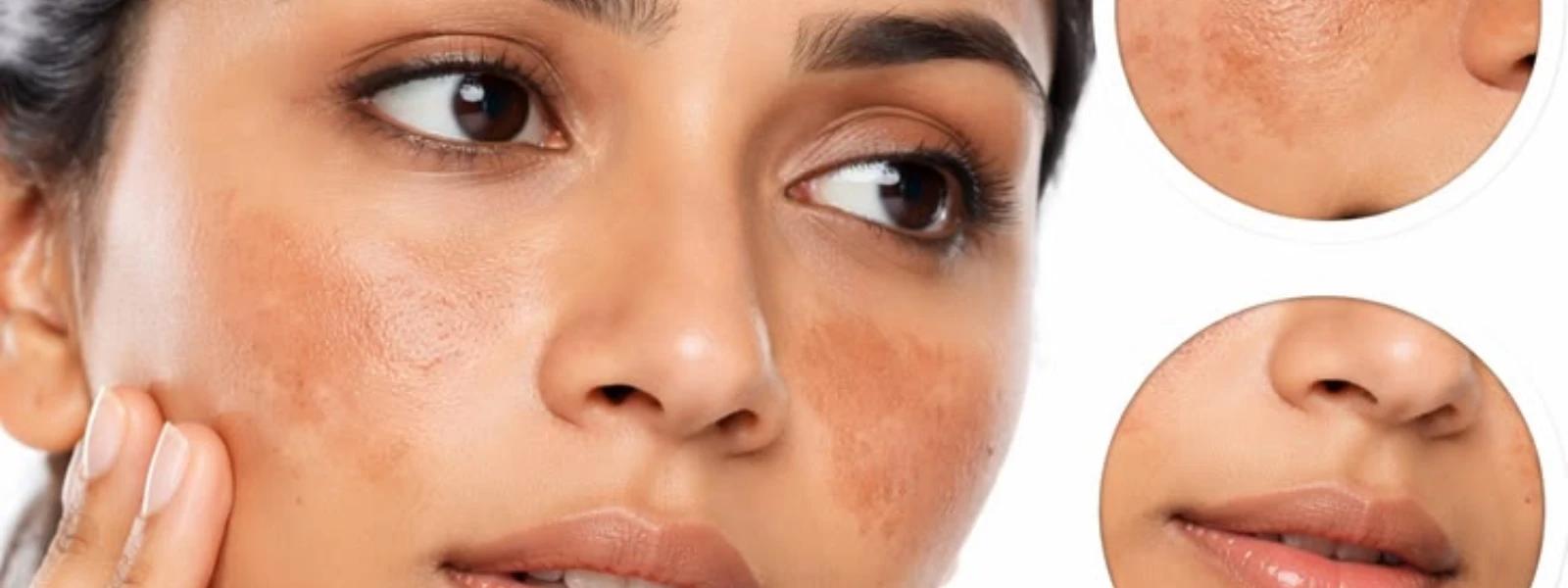
Melasma is a chronic skin condition characterised by symmetrical brown or grey-brown patches that typically appear on the face. Unlike other forms of hyperpigmentation, melasma creates distinctive patterns that often mirror each other on both sides of the face, earning it the nickname "the mask of pregnancy" when it occurs during pregnancy.
This condition primarily affects women between the ages of 20 and 40, with studies showing that 90% of melasma cases occur in females. The patches most commonly appear on the cheeks, bridge of the nose, forehead, chin, and upper lip. Whilst melasma can occasionally affect men, it's far less common and usually linked to sun exposure rather than hormonal factors.
What sets melasma apart from other types of skin discolouration is its tendency to worsen with heat and light exposure, and its strong connection to hormonal changes. The patches can range from light brown to dark brown or even blue-grey, depending on how deep the pigmentation extends into the skin layers.
Sun exposure remains the most significant trigger for melasma development and worsening. When your skin is exposed to ultraviolet radiation, it stimulates melanocytes (pigment-producing cells) to create excess melanin as a protective response. In people prone to melasma, this process becomes overactive, leading to the characteristic dark patches.
UV radiation doesn't just come from direct sunlight. Even brief exposure during your daily commute or sitting near a window can trigger melasma. Infrared radiation and heat also play crucial roles, which explains why melasma often worsens during summer months or in hot, humid climates. The combination of UV rays and heat creates the perfect storm for melanocyte activation.
Emerging research suggests that visible light, particularly blue light from digital devices, may contribute to melasma worsening. Whilst the evidence is still developing, some dermatologists recommend using broad-spectrum sunscreens that protect against visible light, especially for those with existing melasma.
Hormonal fluctuations are the second major cause of melasma, which explains why this condition is so prevalent among women. The interplay between hormones and sun exposure creates the perfect conditions for dark spots on face to develop and persist.
Pregnancy melasma affects up to 70% of pregnant women, typically appearing during the second or third trimester. Rising levels of oestrogen and progesterone increase skin sensitivity to UV radiation, making melanocytes more reactive to sun exposure. This hormonal surge, combined with even minimal sun exposure, can trigger the development of melasma patches that may persist long after childbirth.

Mineral Sunscreen SPF 50 | Matte Finish | No White Cast | Non-Nano Zinc Oxide | Cica | Pregnancy Safe | All Skin Types | 50ml
Oral contraceptives containing oestrogen and progesterone can trigger melasma in susceptible individuals. Similarly, hormone replacement therapy during menopause may activate dormant melasma or cause new patches to appear. These hormonal melasma cases often improve when hormone levels stabilise or when the triggering medication is discontinued.
Thyroid dysfunction, particularly hypothyroidism, has been linked to melasma development. The hormonal imbalances associated with thyroid disorders can make skin more susceptible to pigmentation changes, especially when combined with sun exposure.
Your genetic makeup plays a significant role in determining whether you'll develop melasma. Understanding these melasma risk factors can help you take preventive measures early.
Research indicates that 33-50% of people with melasma have a family history of the condition. If your mother, sister, or other female relatives have experienced melasma, you're more likely to develop it yourself. Certain ethnic groups, including those with Hispanic, Asian, Middle Eastern, or African heritage, show higher susceptibility to melasma due to naturally higher melanin production.
People with Fitzpatrick skin types III and IV (light to moderate brown skin that tans easily) are at highest risk for melasma development. This skin type produces melanin readily in response to triggers, making it more prone to hyperpigmentation. The overwhelming female predominance of melasma clearly demonstrates the crucial role of female hormones in this condition.
Beyond sun and hormones, several environmental and lifestyle factors can contribute to melasma development or worsening. Recognising these melasma triggers helps you make informed choices about your daily routine.
Harsh skincare ingredients can cause inflammation that triggers post-inflammatory hyperpigmentation, which may worsen existing melasma or create new dark spots. Products containing strong fragrances, alcohol, or aggressive exfoliants can irritate melasma-prone skin. Even some anti-ageing treatments, if too aggressive, can backfire and worsen pigmentation.
Certain medications can increase photosensitivity, making your skin more reactive to sun exposure. Antibiotics like tetracyclines, some diuretics, and even topical retinoids can temporarily increase your risk of developing melasma. Anti-seizure medications have also been linked to melasma development in some cases.

Salicylic Acid Face Cleanser | Deep Cleansing Formula for Breakouts | Unclogs Pores & Controls Oil | For Oily & Acne-Prone Skin | 100ml
Melasma prevention focuses primarily on avoiding known triggers and protecting your skin from environmental damage. Since melasma is easier to prevent than treat, these strategies are crucial for anyone at risk.
Daily application of broad-spectrum SPF 30 or higher is non-negotiable for melasma prevention. Choose sunscreens containing zinc oxide or titanium dioxide, as these physical blockers provide excellent protection without irritating sensitive skin. Reapply every two hours, and don't forget often-missed areas like your hairline and ears.
Beyond sunscreen, protective clothing, wide-brimmed hats, and seeking shade during peak UV hours (10 AM to 4 PM) significantly reduce your exposure to melasma triggers.
Maintain a gentle skincare routine that supports your skin barrier without causing irritation. Look for products with niacinamide, which can help regulate melanin production, and avoid harsh scrubs or strong acids that might inflame melasma-prone skin. Consistency in your routine helps maintain skin health and prevents inflammatory responses that could worsen pigmentation.
Whilst prevention is ideal, many people need professional intervention to address existing melasma. Understanding when and how to seek melasma treatment can help you achieve better results.
Professional melasma treatment typically involves prescription medications like tretinoin combined with mild topical corticosteroids and hydroquinone. These treatments work by reducing melanin production, encouraging skin cell turnover, and decreasing inflammation. However, results take time, and maintenance therapy is usually necessary to prevent recurrence.
A dermatologist can properly diagnose melasma using tools like Wood's lamp examination and develop a customised treatment plan based on your specific triggers and skin type. They can also help you identify and avoid personal melasma triggers whilst monitoring your progress safely.
Melasma prevention focuses on strict sun protection with broad-spectrum SPF 30+ sunscreen applied daily, avoiding hormonal triggers when possible, and using gentle skincare products to prevent inflammation-induced pigmentation. Consistent protection is key, as melasma can worsen quickly with exposure to triggers.

Hydrating Moisturizer | Non-Comedogenic | Boosts Collagen & Hydrates Deeply | Ceramides + Niacinamide | For Normal to Dry Skin | 50g
The primary cause of facial melasma is sun exposure, specifically UV and infrared radiation, which triggers hyperactive melanocytes to produce excess melanin. This is especially problematic when combined with hormonal changes during pregnancy, birth control use, or genetic predisposition to pigmentation disorders.
Whilst melasma cannot be completely removed through natural methods alone, consistent sun protection, gentle skincare routines, and avoiding known triggers can help prevent worsening and support professional treatment effectiveness. Natural approaches work best as preventive measures rather than treatments.
The most effective melasma treatments combine prescription tretinoin with mild topical corticosteroids and sometimes hydroquinone, which work together to reduce melanin production, encourage skin cell turnover, and decrease inflammation. These treatments require dermatological supervision and consistent use for best results.
Melasma is a chronic condition that can be effectively managed and significantly improved with proper treatment, but it requires ongoing prevention strategies to prevent recurrence. Many people see substantial improvement with consistent treatment and sun protection, though complete permanent removal isn't always possible.
Whilst stress doesn't directly cause melasma, it can worsen existing conditions by triggering hormonal fluctuations and inflammatory responses. Managing stress through healthy lifestyle choices may help prevent melasma flare-ups in susceptible individuals.
Melasma can worsen with age due to cumulative sun damage and hormonal changes, particularly during perimenopause and menopause. However, with proper prevention and treatment, many people successfully manage melasma throughout their lives.
There's no strong scientific evidence linking specific foods to melasma triggers. However, maintaining a healthy diet rich in antioxidants may support overall skin health and complement your melasma prevention routine.
Understanding what causes melasma empowers you to take control of this challenging condition. The primary culprits—sun exposure and hormonal changes—often work together to trigger and worsen melasma, but recognising these patterns helps you develop effective prevention strategies.
Remember that melasma management is a long-term commitment requiring consistent sun protection, gentle skincare, and often professional treatment. The good news is that with proper care, most people can significantly improve their melasma and prevent new patches from forming.
For those exploring skincare solutions, platforms like Smytten Shop offer access to dermatologist-recommended brands and products specifically formulated for pigmentation concerns. With over 28 million users discovering effective skincare through curated selections and sample programmes, you can find gentle, effective products that support your melasma management routine without the guesswork.
Your skin's journey with melasma may require patience, but understanding its causes puts you in the driver's seat. Focus on consistent prevention, seek professional guidance when needed, and remember that effective management is absolutely achievable with the right approach.
