Melasma FAQ: Understanding Causes, Triggers, and Treatment


Target & Fade Duo for Hyperpigmentation | Even-Tone Underarms, Inner Thighs & Bum | Refines Skin Texture | For All Skin Types
You notice those brown patches on your cheeks getting darker after your holiday in Goa, or perhaps they appeared during pregnancy and never quite faded. Melasma affects millions of people worldwide, yet many still wonder exactly what triggers this common form of hyperpigmentation. Understanding the root causes can help you make informed decisions about prevention and treatment, whether you're dealing with the "pregnancy mask" or sun-induced skin discoloration.
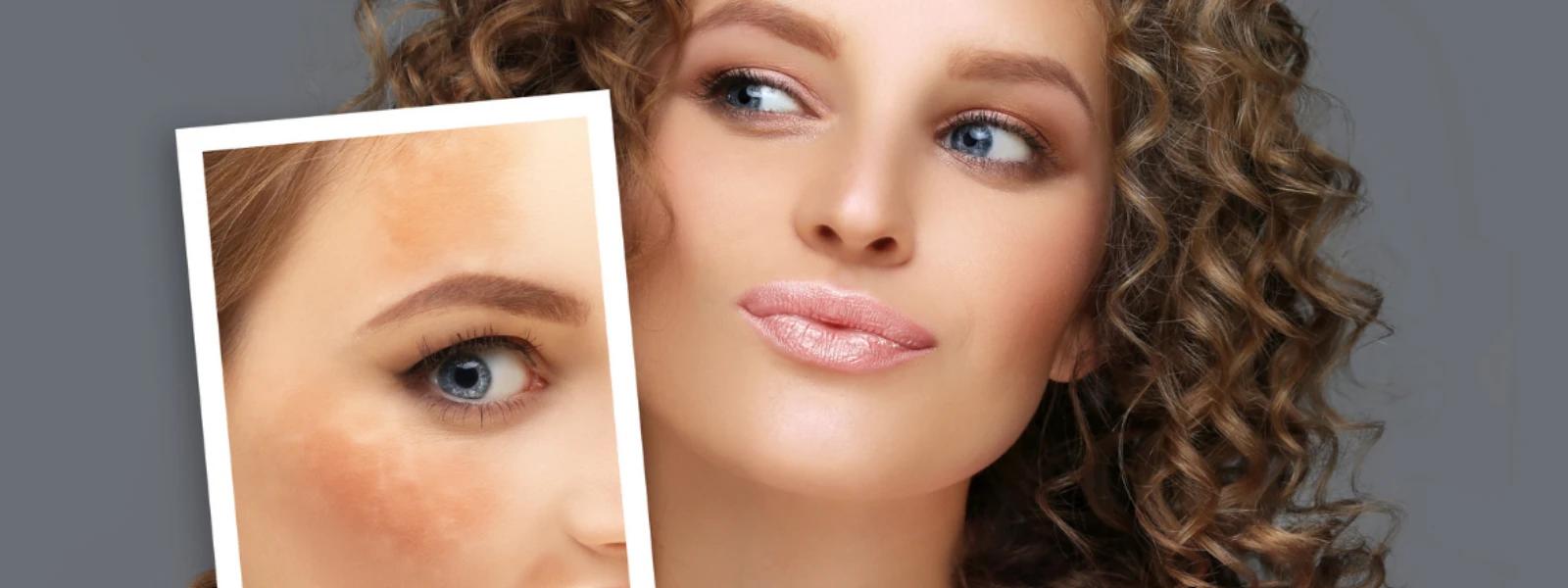
Melasma is a chronic skin condition characterised by brown or grey-brown patches, typically appearing on the face. Unlike other forms of hyperpigmentation, melasma tends to be symmetrical, often affecting both sides of the face equally. The condition primarily impacts women, with studies showing that 90% of melasma cases occur in females, particularly those of reproductive age.
The patches usually appear on the cheeks, forehead, nose bridge, and upper lip area. What makes melasma distinct from other types of skin discoloration is its tendency to worsen with heat and hormonal fluctuations, not just sun exposure. The pigmentation can range from light brown to deep chocolate colour, and in some cases, may appear blue-grey, indicating deeper dermal involvement.
Melasma affects people of all skin tones, but it's more common in those with naturally darker complexions. The condition is particularly prevalent in tropical countries like India, where intense sun exposure combines with genetic predisposition to create perfect conditions for melasma development.
Understanding what causes melasma requires looking at how our skin produces pigment. Melanocytes, the cells responsible for skin colour, become overactive in response to specific triggers. This overproduction of melanin creates the characteristic patches we associate with melasma.
Hormonal melasma represents the most significant cause, particularly fluctuations in oestrogen and progesterone. These hormones directly stimulate melanocyte activity, which explains why melasma often appears during pregnancy, whilst taking birth control pills, or during hormone replacement therapy. The condition earned the nickname "pregnancy mask" because it's so common during pregnancy, affecting up to 70% of expectant mothers.
Sun exposure melasma occurs when UV radiation triggers melanin production in already sensitive skin. However, it's not just UV rays that cause problems. Heat from cooking, saunas, or even hot yoga classes can worsen melasma, as thermal energy also stimulates melanocyte activity.
Genetic predisposition plays a crucial role in melasma causes. If your mother or grandmother experienced melasma, you're significantly more likely to develop it yourself. This genetic component explains why certain ethnic groups, particularly those with Mediterranean, Asian, or Hispanic heritage, show higher melasma rates.

Mineral Sunscreen SPF 50 | Matte Finish | No White Cast | Non-Nano Zinc Oxide | Cica | Pregnancy Safe | All Skin Types | 50ml
The overwhelming female predominance in melasma cases directly relates to hormonal influences. During pregnancy, rising oestrogen and progesterone levels create the perfect storm for pregnancy mask development. These hormones increase skin sensitivity to UV radiation whilst simultaneously stimulating melanin production.
Birth control pills and hormone replacement therapy can trigger melasma even outside pregnancy. The synthetic hormones in these medications mimic the effects of natural hormonal fluctuations, potentially causing skin discoloration in susceptible individuals.
Beyond the primary causes, numerous melasma triggers can worsen existing pigmentation or spark new patches. Phototoxic medications, including certain antibiotics, anti-inflammatory drugs, and even some skincare ingredients, can increase skin sensitivity to sun damage.
Cosmetic products containing fragrances or harsh chemicals may cause low-level inflammation, contributing to pigmentation issues. This is particularly relevant for those using multiple active ingredients without proper guidance. Heat exposure from cooking, particularly over gas flames, can trigger melasma flares in susceptible individuals.
Stress represents an often-overlooked melasma trigger. Chronic stress elevates cortisol levels, which can influence hormone balance and potentially worsen pigmentation. Additionally, stress often leads to poor skincare habits, inadequate sun protection, and lifestyle choices that may exacerbate melasma.
Thyroid disorders, particularly hypothyroidism, have been linked to increased melasma risk. The connection between thyroid function and skin pigmentation highlights the complex interplay between various body systems in melasma development.
Effective melasma prevention starts with understanding your personal risk factors. If you have a family history of melasma or are planning pregnancy, proactive sun protection becomes even more crucial. This means using broad-spectrum SPF 30 or higher daily, regardless of weather conditions or indoor activities.
However, sun protection goes beyond sunscreen application. Wearing wide-brimmed hats, seeking shade during peak UV hours (10 AM to 4 PM), and using UV-protective clothing provide additional layers of defence. For those living in sunny climates, consider window tinting for cars and homes to reduce incidental UV exposure.
Gentle skincare routines help prevent the inflammation that can trigger pigmentation. Avoid harsh scrubs, aggressive treatments, or products that cause irritation. Instead, focus on maintaining a healthy skin barrier with gentle cleansers and appropriate moisturisers.

Salicylic Acid Face Cleanser | Deep Cleansing Formula for Breakouts | Unclogs Pores & Controls Oil | For Oily & Acne-Prone Skin | 100ml
If you're considering hormonal contraceptives or hormone replacement therapy, discuss melasma risk with your healthcare provider. Alternative contraceptive methods or different hormone formulations might be worth exploring if you're at high risk.
Successful melasma treatment requires patience and often combines multiple approaches. Topical treatments form the foundation of most treatment plans, with ingredients like hydroquinone, tretinoin, and kojic acid showing proven efficacy. These ingredients work by inhibiting melanin production and promoting cell turnover to fade existing pigmentation.
Professional treatments offer more intensive options for stubborn melasma. Chemical peels using glycolic acid or trichloroacetic acid can help remove pigmented skin layers, whilst laser treatments target melanin deposits directly. However, these treatments require careful selection and expert administration, as inappropriate treatment can actually worsen melasma.
Natural approaches focus on gentle, consistent care using ingredients like vitamin C, niacinamide, and botanical extracts. Whilst these options work more slowly than prescription treatments, they often provide sustainable results with minimal side effects. The key is consistency and realistic expectations about timelines.
For those exploring natural options, platforms like Smytten Shop offer curated selections of gentle, effective products from trusted brands. With over 28 million users discovering new skincare solutions, you can explore various treatment options whilst earning cashback on your purchases.
Addressing melasma from within involves supporting overall skin health through nutrition and lifestyle modifications. Antioxidant-rich foods, particularly those high in vitamin C and E, may help protect against oxidative stress that contributes to pigmentation.
Some studies suggest that certain supplements, including vitamin D and omega-3 fatty acids, may support skin health and potentially influence pigmentation. However, it's essential to consult healthcare providers before starting any supplement regimen, particularly if you're pregnant or breastfeeding.

Hydrating Moisturizer | Non-Comedogenic | Boosts Collagen & Hydrates Deeply | Ceramides + Niacinamide | For Normal to Dry Skin | 50g
Stopping melasma requires addressing both triggers and existing pigmentation. Start with rigorous sun protection using broad-spectrum SPF, avoid known triggers like heat and harsh skincare products, and consider topical treatments containing proven ingredients like vitamin C or niacinamide. For persistent cases, professional treatments may be necessary, but prevention remains the most effective long-term strategy.
Natural melasma removal focuses on gentle, consistent care using ingredients like vitamin C, kojic acid, and liquorice extract. Regular use of gentle exfoliants containing lactic acid can help promote cell turnover. However, natural methods work slowly and require patience. Combining natural approaches with strict sun protection typically yields the best results.
The main cause of facial melasma is hormonal fluctuation, particularly increased oestrogen and progesterone levels during pregnancy or whilst taking hormonal contraceptives. Sun exposure acts as a significant trigger, activating melanocytes that are already sensitised by hormonal changes. The face is most affected because it receives the most sun exposure and has the highest concentration of hormone-sensitive melanocytes.
There's no single "best" cure for melasma, as treatment success depends on individual factors like melasma depth, triggers, and skin type. The most effective approach typically combines topical treatments (hydroquinone, tretinoin, or vitamin C), strict sun protection, and addressing underlying triggers like hormonal imbalances. Professional treatments like chemical peels may help stubborn cases, but maintenance therapy is usually necessary.
Melasma is manageable rather than permanently curable. Many people achieve significant improvement or complete clearing with appropriate treatment, but the condition can recur if triggers return. Pregnancy-related melasma often fades naturally after delivery, whilst sun-induced melasma may require ongoing management. Success depends on consistent treatment, trigger avoidance, and realistic expectations about timelines.
Understanding what causes melasma empowers you to make informed decisions about prevention and treatment. Whether you're dealing with pregnancy mask, sun-induced pigmentation, or hormonal fluctuations, remember that melasma is a common, manageable condition that responds well to appropriate care.
The key to success lies in addressing your specific triggers whilst maintaining consistent, gentle skincare habits. Real talk: melasma treatment requires patience, but with the right approach, significant improvement is absolutely possible. Your skin will notice the difference when you combine proper sun protection with targeted treatments suited to your individual needs.
