Melasma FAQ: Clearing Hyperpigmentation Naturally
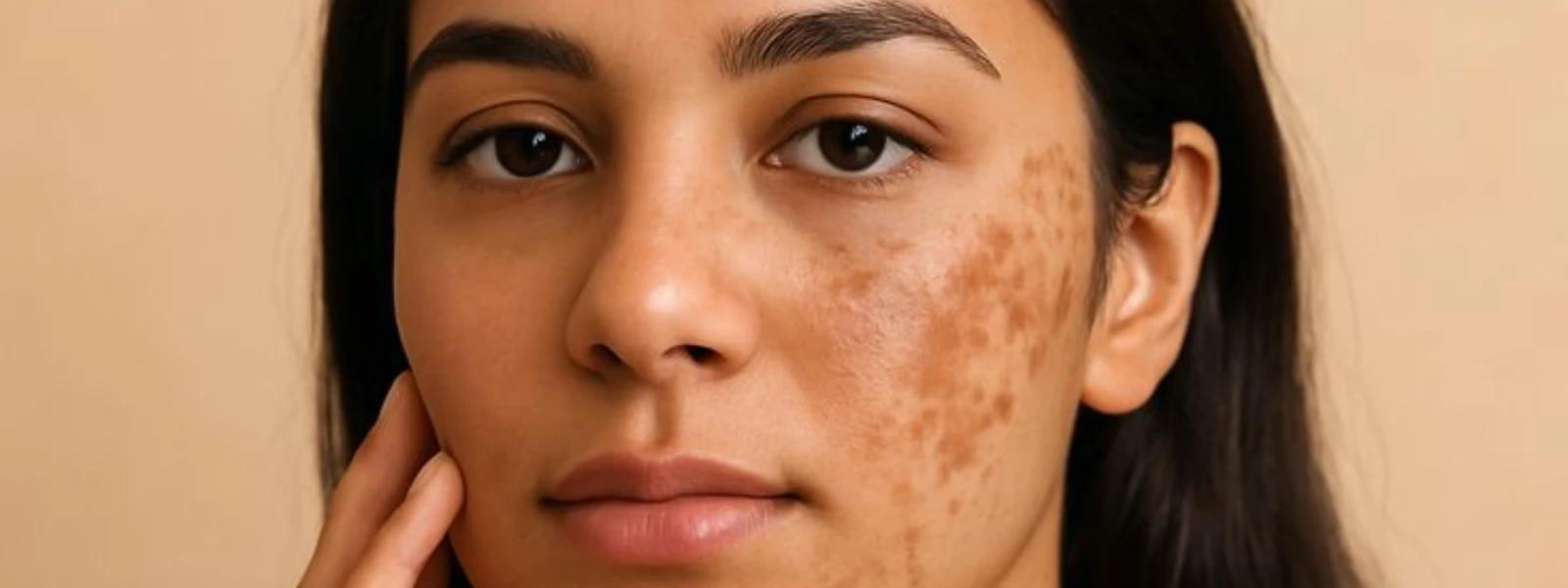

You've noticed those stubborn dark patches on your cheeks, forehead, or upper lip that seem to deepen with every sunny day. If you're dealing with melasma, you're not alone—this common form of hyperpigmentation affects millions, particularly women during pregnancy or hormonal changes. The good news? You don't need harsh chemicals or expensive treatments to see real improvement. Natural melasma treatment approaches work with your skin's healing processes, offering gentle yet effective solutions that address the root causes whilst protecting your skin barrier.
Melasma appears as symmetrical brown or grey patches, typically on the face, and differs from other types of hyperpigmentation in its distinctive pattern and triggers. Unlike post-inflammatory hyperpigmentation from acne or age spots from sun damage, melasma often develops due to hormonal fluctuations combined with sun exposure.
The primary melasma causes include pregnancy hormones (often called the "pregnancy mask"), oral contraceptives, hormone replacement therapy, and genetic predisposition. When these hormonal triggers meet UV exposure, melanocytes—the cells that produce pigment—go into overdrive, creating those persistent dark patches.
Here's why natural treatment approaches often work better than harsh chemicals for melasma: aggressive treatments like high-concentration hydroquinone or strong chemical peels can actually trigger more melanin production in sensitive skin. This phenomenon, called post-inflammatory hyperpigmentation, can make melasma worse. Natural methods work gradually, supporting your skin's natural renewal process without causing irritation that could worsen discolouration.
Natural treatments also focus on strengthening the skin barrier, which becomes compromised when melasma develops. A healthy barrier helps regulate melanin production and prevents further damage from environmental stressors.
This comprehensive approach addresses melasma from multiple angles, combining protection, gentle treatment, and skin barrier support. Each step builds on the previous one, creating a foundation for lasting improvement.
Sun protection isn't just important—it's absolutely essential for any melasma treatment success. Even minimal UV exposure can undo weeks of progress. Choose a broad-spectrum SPF 30 or higher and apply it generously 20 minutes before sun exposure.
Physical sunscreens containing zinc oxide or titanium dioxide work particularly well for melasma-prone skin because they create a physical barrier without potentially irritating chemical filters. Reapply every two hours, and don't forget often-missed areas like the hairline and around the eyes.
Natural exfoliation helps remove pigmented skin cells whilst encouraging healthy cell turnover. Fruit enzymes from papaya and pineapple offer gentle exfoliation without the irritation of harsh scrubs. Rice water, rich in natural enzymes and vitamins, provides additional brightening benefits.
Start with once-weekly treatments and gradually increase to twice weekly if your skin tolerates it well. Watch for signs of over-exfoliation like increased sensitivity, redness, or tightness—these indicate you need to reduce frequency.
Vitamin C serum applied in the morning helps inhibit melanin production whilst providing antioxidant protection. Look for stable forms like magnesium ascorbyl phosphate or sodium ascorbyl phosphate, which are less likely to cause irritation than L-ascorbic acid.
Kojic acid from fermented rice offers natural skin brightening without the potential side effects of synthetic alternatives. Licorice root extract contains glabridin, which helps regulate melanin production and provides anti-inflammatory benefits.
Niacinamide (vitamin B3) helps regulate melanin transfer from melanocytes to skin cells, gradually reducing the appearance of dark patches. It also strengthens the skin barrier and reduces inflammation. Apply niacinamide serums in the evening for best results.
Hyaluronic acid supports barrier function by maintaining optimal hydration levels, which is crucial for healthy cell turnover and melanin regulation. Well-hydrated skin also responds better to other treatments.
These time-tested remedies have scientific backing and can complement your daily routine. The key is consistency and patience—natural treatments work gradually but offer lasting results.
Fresh aloe vera gel contains aloin, a compound that helps inhibit melanin production. The gel also provides anti-inflammatory benefits and supports skin healing. Extract fresh gel from aloe leaves and apply it to affected areas twice daily, leaving it on for 20 minutes before rinsing.
For best results, use aloe vera consistently for at least 8 weeks. Many people notice initial improvements in skin texture and hydration within 2-3 weeks, with gradual lightening becoming apparent after 6-8 weeks of regular use.
Turmeric contains curcumin, which has powerful anti-inflammatory properties and may help regulate melanin production. Mix one teaspoon of turmeric powder with enough milk to form a paste, and apply weekly for 15-20 minutes.
Always patch test turmeric treatments first, as they can temporarily stain the skin yellow. Use this treatment in the evening and follow with a gentle cleanser to remove any residual colour.
Green tea provides potent antioxidants that help protect against further pigmentation whilst supporting skin repair. Honey offers antibacterial and moisturising benefits. Brew strong green tea, let it cool, then mix with raw honey to create a soothing mask.
Apply this mixture twice weekly for 20 minutes. The antioxidants in green tea help neutralise free radicals that can worsen melasma, whilst honey supports the skin's natural healing processes.
Addressing melasma from the inside out significantly improves treatment outcomes. Your diet and lifestyle directly impact inflammation levels and hormonal balance, both crucial factors in melasma development and healing.
Focus on foods rich in antioxidants and anti-inflammatory compounds. Berries, leafy greens, fatty fish, and nuts provide vitamins C and E, omega-3 fatty acids, and other nutrients that support skin healing and may help regulate melanin production.
Avoid foods that increase inflammation, including processed foods high in sugar, refined carbohydrates, and trans fats. These can worsen hormonal imbalances and increase oxidative stress, potentially making melasma more persistent.
Proper hydration supports cellular function and helps your skin eliminate toxins more effectively. Aim for at least 8 glasses of water daily, and consider adding lemon or cucumber for additional vitamin C and antioxidants.
Chronic stress elevates cortisol levels, which can worsen melasma by increasing inflammation and potentially affecting melanin production. Incorporate stress-reduction techniques like meditation, yoga, or regular walks in nature.
Quality sleep is essential for skin repair and hormonal balance. Aim for 7-9 hours of sleep nightly, and maintain consistent sleep and wake times to support your body's natural rhythms.
Success with natural melasma treatment requires a structured approach and realistic expectations. This timeline helps you track progress and make necessary adjustments along the way.
Focus on establishing consistent sun protection and beginning gentle treatments. Your skin may initially appear unchanged, but you're building the foundation for visible improvements. Take weekly photos in consistent lighting to track subtle changes that might not be immediately obvious.
During this phase, pay attention to how your skin responds to new products. Some people experience mild purging as skin cell turnover increases, which is normal but should resolve within 2-3 weeks.
This is when you'll typically notice the first visible improvements. Dark patches may begin to lighten slightly, and overall skin tone may appear more even. You can gradually increase treatment frequency if your skin tolerates it well.
Continue taking progress photos and note any changes in patch size, colour intensity, or overall skin texture. This phase requires patience—improvements are often gradual and may not be dramatic yet.
By this stage, you should see noticeable improvement in melasma appearance. Focus on maintaining your routine whilst preventing new pigmentation from forming. This is also when you can evaluate which treatments work best for your skin and adjust accordingly.
Begin planning your long-term maintenance strategy, as melasma can return if triggers like sun exposure or hormonal changes occur without proper protection.
Even with the best natural approach, you might encounter obstacles. Understanding common challenges helps you adjust your strategy for better results.
If you don't see improvement after 12 weeks of consistent treatment, consider whether you're addressing all contributing factors. Are you getting adequate sun protection? Have you identified and addressed hormonal triggers? Sometimes, combining natural treatments with professional guidance yields better results.
Realistic expectations are crucial—natural treatments typically lighten melasma by 30-60% rather than completely eliminating it. This level of improvement often makes patches much less noticeable and easier to conceal if desired.
Prevention is often easier than treatment. Maintain daily sun protection year-round, not just during summer months. UV rays can penetrate clouds and windows, making consistent protection essential.
If you're planning pregnancy or starting hormonal medications, discuss melasma prevention with your healthcare provider. Sometimes, starting protective measures before hormonal changes can prevent melasma from developing.
The most effective natural approach combines daily SPF 30+ protection, gentle vitamin C serums, natural exfoliation with fruit enzymes, and consistent use of aloe vera gel. Results typically appear in 8-12 weeks with this comprehensive protocol. Focus on consistency rather than intensity—gentle, regular treatments work better than aggressive approaches that can irritate sensitive melasma-prone skin.
A multi-pronged approach works fastest: strict sun protection, topical vitamin C and kojic acid treatments, anti-inflammatory diet rich in antioxidants, and stress management. Consistency is key—most see initial improvements in 4-6 weeks. Remember that "fast" is relative with natural treatments; they work gradually but provide lasting results without the risk of rebound pigmentation.
While melasma cannot be permanently "cured," natural treatments can significantly fade dark patches and prevent recurrence. Hormonal melasma may fade naturally post-pregnancy, but maintenance protocols prevent return. The goal is management rather than complete elimination—most people achieve 30-60% improvement, which often makes melasma barely noticeable.
High-sugar foods, processed foods with artificial additives, and excessive caffeine can increase inflammation and worsen melasma. These foods can disrupt hormonal balance and increase oxidative stress, potentially making dark patches more persistent. Focus on antioxidant-rich whole foods, lean proteins, and healthy fats instead.
Initial improvements typically appear in 4-6 weeks, with significant fading visible by 8-12 weeks. Complete results may take 6-12 months depending on melasma severity and consistency of treatment. Patience is essential—natural treatments work with your skin's renewal cycle, which takes time but provides sustainable results.
Yes, melasma can return if triggers like sun exposure or hormonal changes occur without proper protection. However, maintaining a simplified version of your treatment routine—especially consistent sun protection and gentle brightening ingredients—significantly reduces recurrence risk. Many people find that maintenance is much easier than initial treatment.
Natural melasma treatment requires patience, consistency, and a comprehensive approach that addresses both external and internal factors. The combination of proper sun protection, gentle brightening ingredients, and lifestyle modifications can significantly improve melasma appearance without the risks associated with harsh chemical treatments.
Remember that melasma is a manageable condition, not a permanent sentence. With the right approach, most people achieve meaningful improvement that boosts confidence and makes daily skincare feel empowering rather than frustrating. The key is starting with realistic expectations and building sustainable habits that support long-term skin health.
For those exploring natural skincare solutions, platforms like Smytten Shop offer curated selections of gentle, effective products from trusted brands. With over 28 million users discovering new favourites through sample programmes, you can try different natural treatments risk-free before committing to full sizes. This approach is particularly valuable when building a melasma treatment routine, as it allows you to find the specific combination of natural ingredients that works best for your unique skin needs.
