Melasma Causes and FAQ: Understanding Skin Discoloration


Target & Fade Duo for Hyperpigmentation | Even-Tone Underarms, Inner Thighs & Bum | Refines Skin Texture | For All Skin Types
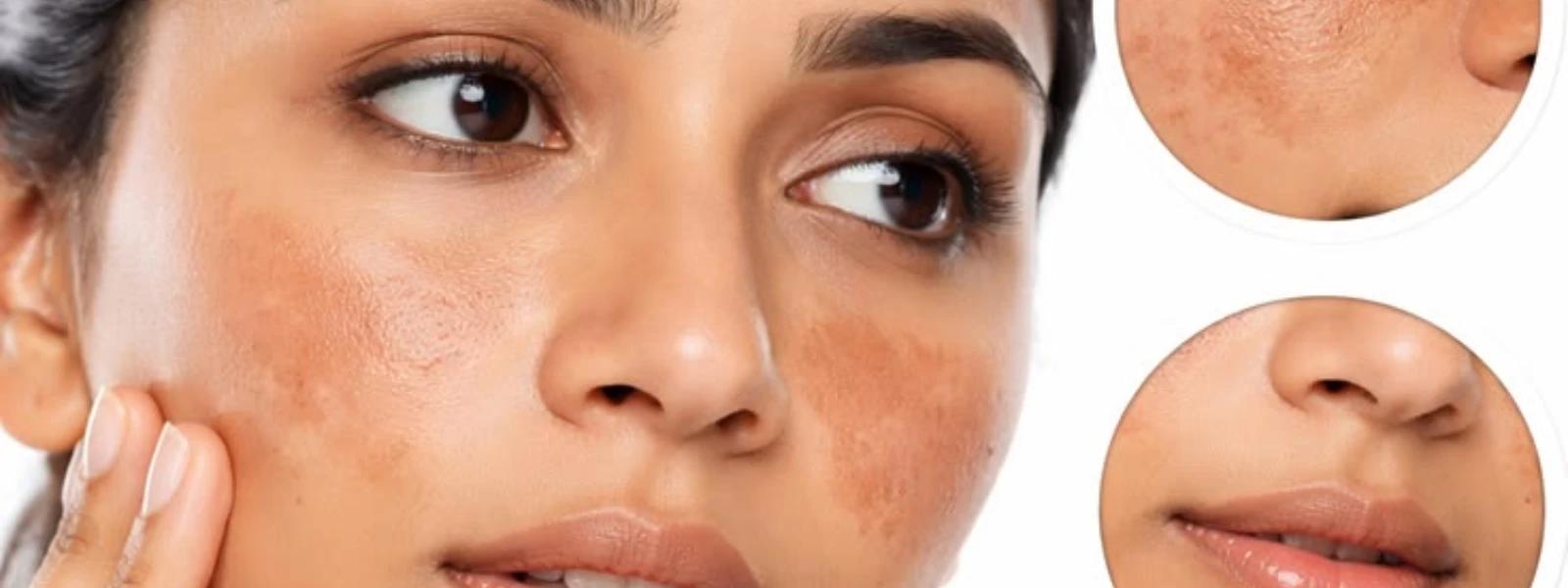
That moment when you notice brown patches appearing on your cheeks, forehead, or upper lip can feel overwhelming. You're not imagining things, and you're certainly not alone. Melasma affects millions of people worldwide, particularly women, creating symmetrical patches of skin discoloration that seem to appear out of nowhere. Understanding the root melasma causes is the first step towards managing this common yet frustrating skin condition.
Melasma is a chronic skin condition characterised by brown, blue-grey, or greyish-brown patches that typically appear on the face. Unlike other forms of hyperpigmentation, melasma creates distinctive symmetrical patterns, often resembling a mask across the cheeks, bridge of the nose, forehead, chin, and upper lip.
This condition affects approximately 90% more women than men, earning it the nickname "the mask of pregnancy" when it occurs during gestation. The patches can vary in intensity and may become more pronounced with sun exposure or hormonal fluctuations. Unlike age spots or post-inflammatory hyperpigmentation, melasma tends to be more persistent and requires targeted management approaches.
Real talk: melasma doesn't just happen overnight. It's the result of complex interactions between your hormones, sun exposure, and genetic predisposition. Understanding these melasma triggers helps you take control of your skin's future.
Hormonal melasma occurs when fluctuating oestrogen and progesterone levels stimulate melanocytes to produce excess melanin. Pregnancy melasma affects up to 70% of pregnant women, typically appearing during the second or third trimester when hormone levels peak.
Birth control pills, hormone replacement therapy, and fertility treatments can also trigger melasma. Even thyroid disorders and insulin resistance may contribute to hormonal imbalances that worsen skin pigmentation issues.

Mineral Sunscreen SPF 50 | Matte Finish | No White Cast | Non-Nano Zinc Oxide | Cica | Pregnancy Safe | All Skin Types | 50ml
Sun exposure melasma develops when UV radiation, visible light, and infrared heat penetrate the skin, activating melanocytes. What's particularly frustrating is that even minimal sun exposure can trigger melasma in susceptible individuals.
Heat from cooking, hot yoga classes, or even sitting near windows can worsen existing melasma. This explains why many people notice their dark spots on face becoming more prominent during summer months or after holidays in sunny destinations.
Certain medications, including anti-seizure drugs and some cosmetics containing fragrances or harsh chemicals, can trigger melasma. Genetic predisposition plays a significant role too – if your mother or grandmother experienced melasma, you're more likely to develop it yourself.
When melasma triggers activate melanocytes, these cells begin producing excess melanin in an uneven pattern. This process involves complex inflammatory pathways and can occur in different layers of the skin.
Epidermal melasma affects the top layer of skin and typically responds better to treatment, whilst dermal melasma penetrates deeper layers and proves more challenging to address. Mixed melasma, affecting both layers, is the most common type. Understanding where your melasma sits helps determine the most effective melasma treatment approach.
Managing melasma requires patience and consistency. The good news? With proper care, most people see significant improvement within 3-6 months of starting treatment.

Salicylic Acid Face Cleanser | Deep Cleansing Formula for Breakouts | Unclogs Pores & Controls Oil | For Oily & Acne-Prone Skin | 100ml
Melasma treatment often begins with topical ingredients like hydroquinone, tretinoin, and vitamin C. These ingredients work by inhibiting melanin production and encouraging cell turnover. Niacinamide and kojic acid offer gentler alternatives for sensitive skin types.
Melasma prevention centres around consistent SPF use – and we mean every single day, regardless of weather. Look for broad-spectrum formulas that protect against UV, visible light, and infrared radiation. Mineral sunscreens containing zinc oxide or titanium dioxide work particularly well for melasma-prone skin.
The two primary melasma causes are hormonal fluctuations (particularly oestrogen and progesterone) and sun exposure. These factors often work together – hormonal changes make your skin more sensitive to UV radiation, whilst sun exposure triggers melanin overproduction in hormonally primed skin.
Whilst no specific vitamin deficiency directly causes melasma, low levels of antioxidants like vitamin C and vitamin E may worsen skin damage and slow healing. Some studies suggest that folate deficiency during pregnancy might contribute to melasma development.
Vitamin C stands out as particularly beneficial for melasma management. This powerful antioxidant helps inhibit melanin production, protects against free radical damage, and supports skin repair. Vitamin E works synergistically with vitamin C to enhance protection and healing.

Hydrating Moisturizer | Non-Comedogenic | Boosts Collagen & Hydrates Deeply | Ceramides + Niacinamide | For Normal to Dry Skin | 50g
Elevated oestrogen and progesterone levels are the primary hormonal melasma triggers. This explains why melasma commonly appears during pregnancy, whilst taking birth control pills, or during hormone replacement therapy. Thyroid imbalances and insulin resistance may also contribute to melasma development.
Melasma isn't permanently "curable," but it's highly manageable with proper treatment. Many cases fade naturally after hormonal changes resolve – such as after pregnancy or stopping birth control. However, the tendency to develop melasma often remains, making ongoing prevention crucial.
Internal approaches include maintaining hormonal balance, eating antioxidant-rich foods, managing stress levels, and addressing underlying health conditions. Foods rich in vitamin C (citrus fruits, berries), vitamin E (nuts, seeds), and folate (leafy greens) support skin health from within.
Melasma can worsen with age due to cumulative sun damage and hormonal changes during perimenopause and menopause. However, with consistent protection and treatment, many people successfully manage melasma throughout their lives.
Chronic stress can worsen melasma by triggering inflammatory responses and disrupting hormonal balance. Stress management through exercise, meditation, or other relaxation techniques may help improve overall skin health and melasma management.
Understanding melasma causes empowers you to take control of your skin's journey. Whether your melasma stems from pregnancy, sun exposure, or hormonal changes, consistent protection and targeted treatment can make a real difference. Remember, melasma management is a marathon, not a sprint – but with patience and the right approach, clearer skin is absolutely achievable.
Your skin will notice the difference when you combine daily sun protection with targeted treatments and internal support. At Smytten, you'll discover curated skincare solutions from trusted brands, allowing you to try products before committing to full sizes. With over 28 million users finding their perfect skincare matches, you're in good company on this journey towards healthier, more even-toned skin.
