Manage Uneven Skin FAQ: Your Questions Answered


10% Vitamin C Face Serum | Brightens Dull, Uneven Skin & Boosts Glow | With 5% Niacinamide | Beginner-Friendly | For All Skin Types | 30ml
You've been staring at your reflection, wondering why your skin looks like a patchwork quilt. One cheek has dark spots from last summer's breakouts, the other shows redness that never quite settles, and your forehead feels bumpy despite your best efforts. If you're dealing with uneven skin tone, texture issues, or persistent skin discoloration, you're not alone. These concerns affect millions of people, and the good news? There are proven ways to manage uneven skin and achieve the smooth skin you're after. Let's dive into the most common questions about tackling uneven skin, from understanding what causes it to building an effective routine that actually works.
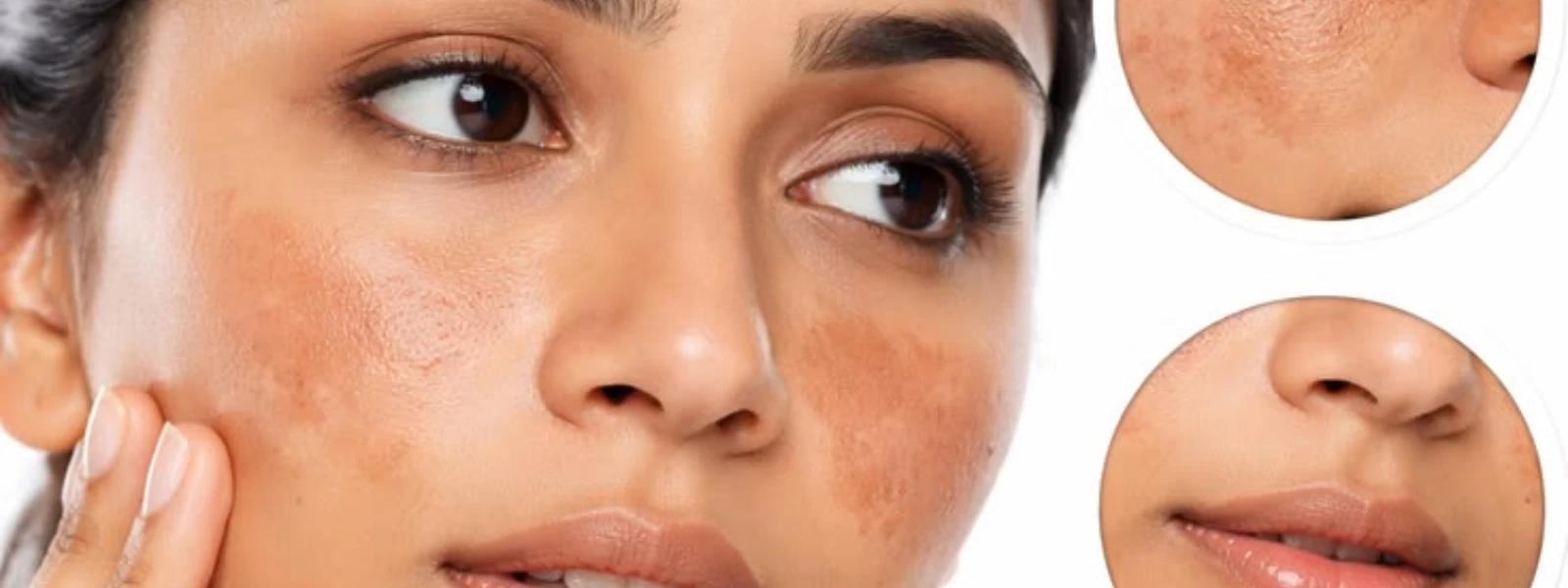
Uneven skin isn't just about having a few blemishes here and there. It's when your skin shows noticeable variations in colour, texture, or both across different areas of your face. You might notice hyperpigmentation around your mouth, redness on face areas like your cheeks, or rough patches that catch the light differently than the rest of your skin.
The most common signs include dark spots or patches (often called post-inflammatory hyperpigmentation), persistent redness that doesn't fade, dull skin that lacks radiance, and textural irregularities like bumps, rough patches, or enlarged pores. These issues can make your complexion appear patchy and prevent makeup from sitting smoothly.
Several factors contribute to uneven skin. Sun damage tops the list, as UV exposure triggers melanin production unevenly across your face. Hormonal changes, particularly during pregnancy or menstrual cycles, can cause melasma or worsen existing pigmentation. Acne scarring leaves behind both textural changes and discolouration, whilst the natural ageing process slows cell turnover, leading to a buildup of dead skin cells that creates dullness and rough texture.
Stand in natural light and examine your face without makeup. Look for areas that appear darker or lighter than your overall skin tone, patches of redness that don't fade throughout the day, and areas that feel rough or bumpy when you run your fingers across them. Take photos in consistent lighting to track changes over time.
The key to managing uneven skin tone lies in understanding that this is a marathon, not a sprint. Whilst you might see some immediate improvements in skin texture within a few weeks, significant changes in pigmentation and overall tone typically take three to six months of consistent care.
Your foundation routine should include four essential steps. Start with gentle cleansing using a mild, pH-balanced cleanser that won't strip your skin's natural barrier. Follow with targeted treatments containing active ingredients like niacinamide, vitamin C, or gentle acids. Always moisturise to support your skin barrier, and never skip SPF during the day—sun protection is crucial for preventing further damage and allowing your treatments to work effectively.
Timeline expectations matter for staying motivated. In the first 2-4 weeks, you'll likely notice improved skin texture and a slight brightening effect. By 6-8 weeks, you should see more noticeable evening of your skin tone. The 3-6 month mark is when you'll see significant reduction in hyperpigmentation and overall improvement in skin clarity.
Over-exfoliating is perhaps the biggest mistake people make when trying to achieve smooth skin. Using harsh scrubs or acids too frequently can damage your skin barrier and actually increase pigmentation. Skipping SPF, even on cloudy days or when staying indoors, allows UV damage to continue. Picking at blemishes or dry patches creates more inflammation and potential scarring.

Target & Fade Duo for Hyperpigmentation | Even-Tone Underarms, Inner Thighs & Bum | Refines Skin Texture | For All Skin Types
Building an effective skincare routine for uneven skin requires patience and the right products in the correct order. Your morning routine sets the stage for protection, whilst your evening routine focuses on repair and renewal.
In the morning, start with a gentle cleanser that removes overnight buildup without stripping your skin. Follow with a vitamin C serum—look for concentrations between 10-20% L-ascorbic acid or more stable forms like magnesium ascorbyl phosphate. Apply a moisturiser suited to your skin type, then finish with broad-spectrum SPF 30 or higher. This combination provides antioxidant protection, hydration, and crucial sun protection.
Your evening routine is when the real work happens. Double cleanse if you wear makeup or SPF, starting with an oil-based cleanser followed by your regular gentle cleanser. This ensures complete removal of the day's buildup. Apply your treatment products—this might include niacinamide for redness and pore appearance, or gentle acids like lactic acid for texture improvement. Always finish with a nourishing moisturiser to support overnight repair.
Incorporate gentle exfoliation 2-3 times per week using chemical exfoliants rather than physical scrubs. Alpha hydroxy acids like glycolic or lactic acid help remove dead skin cells and improve texture. Consider weekly hydrating masks to boost moisture levels and support your skin barrier.
When it comes to addressing dull skin and uneven pigmentation, certain ingredients have proven track records. Understanding how these work helps you choose products that will actually deliver results rather than just promising them.
Vitamin C is a powerhouse antioxidant that brightens skin and helps prevent new pigmentation from forming. Look for concentrations between 10-20% and stable forms if you have sensitive skin. Niacinamide is gentler but equally effective, reducing the appearance of pores, controlling oil production, and helping to even skin tone over time.
Kojic acid is derived from fungi and works by inhibiting melanin production. It's particularly effective for stubborn dark spots but should be introduced gradually. Retinol accelerates cell turnover, helping to fade pigmentation whilst improving overall skin texture. Start with lower concentrations and use only in the evening.
If your skin is sensitive, consider arbutin, which provides gentle brightening without irritation. Licorice root extract offers anti-inflammatory benefits alongside mild brightening effects. Rosehip oil provides natural vitamin C and essential fatty acids that support skin repair.

Mineral Sunscreen SPF 50 | Matte Finish | No White Cast | Non-Nano Zinc Oxide | Cica | Pregnancy Safe | All Skin Types | 50ml
Sometimes at-home care needs professional support, especially for persistent redness on face or significant texture concerns. Facial treatments can accelerate your results and address issues that topical products alone might not resolve.
Chemical peels offer controlled exfoliation that's more effective than what you can achieve at home. Light peels using glycolic or lactic acid improve texture and mild pigmentation, whilst medium-depth peels can address more significant concerns. Microneedling stimulates collagen production, improving both texture and the appearance of acne scars.
For pigmentation concerns, IPL (Intense Pulsed Light) targets melanin deposits specifically, whilst fractional laser treatments address both pigmentation and texture simultaneously. These treatments require downtime but offer more dramatic results than topical treatments alone.
LED light therapy devices offer gentle, consistent treatment for redness and mild texture concerns. At-home chemical peel systems provide stronger exfoliation than daily-use products but with less intensity than professional treatments. If considering derma-rolling, stick to needle lengths of 0.5mm or less and maintain strict hygiene protocols.
Understanding what to expect and when helps maintain motivation during your skin brightening journey. Uneven skin tone doesn't disappear overnight, but consistent care does yield visible results.
Within 2-4 weeks, you'll likely notice improved skin texture and a subtle glow as your products begin working. The 6-8 week mark typically brings more noticeable tone evening and reduced appearance of surface-level concerns. Significant pigmentation reduction usually occurs between 3-6 months, with maximum results achieved after 6-12 months of consistent routine adherence.
Several factors affect your timeline. Younger skin typically responds faster due to higher cell turnover rates. The severity of your initial concerns impacts how long results take—mild unevenness responds more quickly than deep pigmentation. Consistency with your routine and religious sun protection significantly influence your success rate.
If you've been consistent with an appropriate routine for three months without seeing improvement, it's time to consult a dermatologist. Worsening conditions, signs of irritation, or new concerning spots warrant professional evaluation. Sometimes prescription treatments or professional procedures are necessary for optimal results.

Salicylic Acid Face Cleanser | Deep Cleansing Formula for Breakouts | Unclogs Pores & Controls Oil | For Oily & Acne-Prone Skin | 100ml
Uneven skin tone refers to colour variations across your face—dark spots, redness, or areas of discolouration. Skin texture relates to how your skin feels and looks in terms of smoothness—bumps, rough patches, or enlarged pores. Many people have both concerns, but they require slightly different treatment approaches. Tone issues respond well to brightening ingredients like vitamin C and niacinamide, whilst texture problems benefit more from exfoliating acids and retinoids.
Yes, you can use vitamin C and niacinamide together, despite old myths suggesting otherwise. Apply vitamin C in the morning for antioxidant protection and niacinamide in the evening for its pore-refining and calming benefits. If you prefer using both in the same routine, apply vitamin C first, wait 10-15 minutes, then follow with niacinamide. Start slowly to ensure your skin tolerates the combination well.
Patience is crucial when addressing uneven skin. You might notice improved texture within 2-4 weeks, but significant changes in pigmentation typically take 8-12 weeks. Some stubborn dark spots may require 3-6 months of consistent treatment. Take progress photos in the same lighting conditions to track subtle changes you might not notice day-to-day. If you see no improvement after 12 weeks of consistent use, consider adjusting your routine or consulting a professional.
You don't need to avoid makeup whilst treating skin discoloration, but choose products wisely. Look for non-comedogenic foundations and concealers that won't clog pores or interfere with your treatments. Mineral makeup often works well during treatment periods. Always remove makeup thoroughly each evening to allow your treatment products to work effectively. Consider using a primer to create a smooth base and help makeup sit better on textured skin.
Sun protection is absolutely the most crucial step in managing uneven skin tone. Without consistent SPF use, UV exposure will continue creating new pigmentation and prevent your treatments from working effectively. Use broad-spectrum SPF 30 or higher daily, even when staying indoors or on cloudy days. Reapply every two hours when outdoors. This single step can prevent 80% of new pigmentation from forming.
Some natural ingredients can support your skin brightening efforts, though they're typically gentler and slower-acting than synthetic alternatives. Rosehip oil provides natural vitamin C, whilst licorice root extract offers mild brightening effects. However, for significant concerns, proven active ingredients like niacinamide, retinoids, and stable vitamin C formulations tend to deliver more consistent results. Natural ingredients work best as supportive elements in a comprehensive routine.
Managing uneven skin requires patience, consistency, and the right combination of products and techniques. Focus on gentle, effective ingredients like niacinamide, vitamin C, and mild acids rather than harsh treatments that can worsen the problem. Remember that achieving smooth skin and even tone is a gradual process—most people see significant improvements within 3-6 months of consistent care.
The foundation of any successful routine includes gentle cleansing, targeted treatments, proper moisturising, and religious sun protection. Professional treatments can accelerate results, but a solid at-home routine forms the backbone of long-term skin health. Whether you're exploring new products through sample programmes or building your first comprehensive routine, remember that understanding your skin's specific needs leads to better results than following generic advice.
Your skin's journey towards evenness and clarity is unique to you. What works for others might need adjustment for your specific concerns, skin type, and lifestyle. Stay patient, track your progress, and don't hesitate to seek professional guidance when needed. With the right approach and realistic expectations, achieving the balanced, radiant complexion you're after is entirely possible.
