Makeup and Sunscreen FAQ: Your Top Questions Answered


Fluid SPF 50 Sunscreen for Oily Skin | No White Cast | Matte, Ultra-Light & Non-Greasy | Niacinamide + Vitamin C | 50ml
Ever stood in front of your mirror, sunscreen in one hand and foundation in the other, wondering which goes first? You're not alone. The makeup and sunscreen debate has left countless people confused about proper application order, product compatibility, and whether that SPF in your foundation actually counts as sun protection. Real talk: getting this wrong can leave your skin vulnerable to UV damage, even when you think you're protected.
Here's the science-backed truth: sunscreen before makeup is non-negotiable. Your SPF needs direct contact with skin to form an effective protective barrier. When you apply makeup first, you're essentially diluting your sun protection and creating gaps in coverage that UV rays can slip through.
Think of sunscreen as your skin's invisible shield. When applied correctly, it creates a uniform film that reflects and absorbs UV radiation. Layering makeup underneath disrupts this barrier, reducing effectiveness by up to 50%. The ingredients in foundation, concealer, and powder can also break down sunscreen actives, leaving you with patchy protection. This is why dermatologists consistently recommend the cleanse → moisturise → sunscreen → makeup sequence.
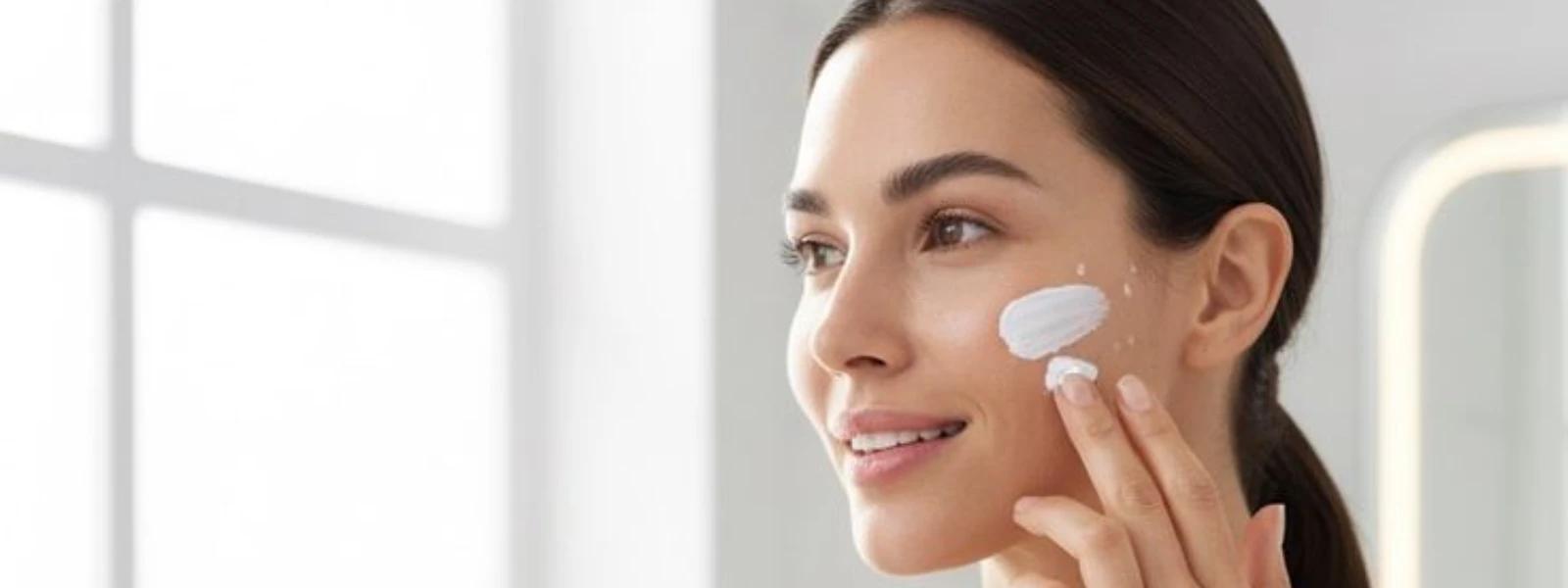
The golden rule? Wait 15 minutes between applying face sunscreen and your makeup base. This allows the SPF to properly set and bond with your skin. Start with a generous layer—about a quarter teaspoon for your face and neck. Pat, don't rub, to avoid disturbing the protective film. Once your sunscreen feels dry to the touch, you can proceed with primer and foundation. This patience pays off with better makeup adherence and reliable sun protection.
Not all sunscreens play nicely under makeup. The key is finding formulations that absorb quickly without leaving residue or interfering with your foundation's finish. Lightweight face sunscreen options have revolutionised the beauty routine, making daily SPF wear effortless rather than cumbersome.
Chemical sunscreens containing avobenzone or octinoxate typically blend more seamlessly under makeup. They absorb into skin rather than sitting on top, creating a smooth canvas for foundation. Mineral sunscreens with zinc oxide or titanium dioxide offer gentler protection for sensitive skin but may require more blending to avoid white cast. Modern hybrid formulations combine both types, offering broad-spectrum protection with improved cosmetic elegance.
Water-based and serum sunscreens have transformed the makeup and sunscreen experience. These formulations absorb quickly, leaving no greasy residue that could cause makeup to slip or separate. Tinted sunscreen serves double duty as both protection and light coverage, perfect for minimal makeup days. For those with dry skin, hydrating SPF formulas with hyaluronic acid or ceramides provide moisture and protection in one step.

SPF 50 Sunscreen for Pigmentation | Lightweight, Non-Greasy, No White Cast | Fades Dark Spot & Acne Marks | For All Skin Types | 50g
Oily skin benefits from oil-free, mattifying sunscreens that control shine whilst providing protection. Look for niacinamide-infused formulas that regulate sebum production. Dry skin types should seek creamy, nourishing SPF with ingredients like squalane or glycerin. Sensitive skin requires fragrance-free, mineral-based options with minimal ingredients to reduce irritation risk.
Here's where things get tricky. Whilst makeup with SPF sounds convenient, it rarely provides adequate protection on its own. The coverage required for effective sun protection is much thicker than most people apply their foundation or powder.
To achieve the SPF rating listed on your foundation, you'd need to apply about six times more product than most people use. That heavy application would look cakey and unnatural. Additionally, makeup application often misses areas like the hairline, ears, and around the eyes—spots where dedicated sunscreen ensures complete coverage. Think of sun protection makeup as a helpful supplement, not your primary defence.
BB and CC creams with SPF 30 or higher can provide meaningful protection when applied generously. Tinted moisturiser with broad-spectrum SPF works well for light coverage days. Setting powders with SPF offer convenient touch-up protection, though they shouldn't replace your morning sunscreen application. These products work best as part of a layered protection strategy.
Even with the right products and application order, you might encounter issues like pilling, white cast, or makeup that won't stay put. These problems usually stem from product incompatibility or application technique rather than the products themselves being faulty.
Pilling occurs when products don't properly absorb or when incompatible formulations are layered. Water-based sunscreens pair best with water-based makeup, whilst silicone-based products work well together. Allow each layer to fully absorb before applying the next. If pilling persists, try using less product or switching to a different sunscreen formulation that's more compatible with your makeup routine.
White cast from mineral sunscreens can be minimised by choosing tinted formulations or those specifically designed for your skin tone. Proper blending technique—using patting motions rather than rubbing—helps achieve even coverage. If your makeup separates or slides off, ensure your sunscreen is completely dry before applying foundation, and consider using a primer designed to work with SPF.

Tinted Sunscreen SPF 50 | Makeup-Friendly | No White Cast | Niacinamide + Titanium Dioxide | For Oily, Combination & Acne-Prone Skin | 40ml
The biggest challenge with daily sunscreen use is reapplication throughout the day. Dermatologists recommend reapplying SPF every two hours, but this seems impossible when you're wearing a full face of makeup. Fortunately, there are practical solutions that don't require starting your makeup routine from scratch.
Brush-on powder sunscreens offer the most makeup-friendly reapplication method. These finely-milled powders contain SPF actives that can be dusted over existing makeup without disturbing the base. Use a fluffy brush to apply in gentle, circular motions, building coverage gradually. Whilst not as protective as liquid sunscreen, powder SPF provides meaningful protection for touch-ups.
Setting sprays with SPF can refresh both your makeup and sun protection simultaneously. Hold the bottle 6-8 inches from your face and mist evenly, allowing the spray to dry naturally. These products work best as supplementary protection rather than primary SPF, but they're invaluable for maintaining coverage throughout long days outdoors.
Creating an effective routine requires understanding how each product interacts with the others. The goal is seamless layering that maximises both protection and beauty benefits without compromising either.
Start with clean skin, then apply any treatment serums containing vitamin C or niacinamide. Follow with moisturiser, allowing 2-3 minutes for absorption. Apply your best sunscreen for face under makeup next, waiting the crucial 15 minutes before beginning makeup application. This timeline ensures each product performs optimally without interference from subsequent layers.
Choose products with compatible bases—if your sunscreen is silicone-based, select a silicone-based primer and foundation. This creates a cohesive system where each layer enhances rather than disrupts the others. Professional makeup artists often mix a drop of facial oil into foundation when working over very mattifying sunscreens, restoring the natural luminosity that heavy SPF can sometimes diminish.
Always apply sunscreen before makeup. Sunscreen needs direct contact with skin to form an effective protective barrier. Applying makeup first dilutes the SPF and creates gaps in coverage that UV rays can penetrate.

Sunscreen Spray for Body | SPF 50+ PA+++ | Sweat & Water-Resistant | Broad Spectrum UVA/UVB Protection | Clear Matte Formula | Aloe Vera | 100ml
Wait at least 15 minutes after applying sunscreen before beginning your makeup routine. This allows the SPF to properly set and bond with your skin, ensuring better protection and makeup adherence.
Mixing sunscreen with foundation significantly reduces the SPF effectiveness and can cause the products to separate or pill. It's better to apply them as separate layers in the correct order.
Tinted sunscreen can provide adequate protection for daily wear if applied generously and reapplied as needed. However, for extended sun exposure, layering additional makeup with SPF or using powder touch-ups is recommended.
For oily skin, choose oil-free, mattifying sunscreens with ingredients like niacinamide. Pair with water-based foundations and setting powders to control shine whilst maintaining protection.
Ideally every two hours, though this can be challenging over makeup. Use powder sunscreens or SPF setting sprays for convenient reapplication without disturbing your base makeup.
Makeup with SPF should supplement, not replace, dedicated sunscreen. Most people don't apply foundation thickly enough to achieve the stated SPF protection, making separate sunscreen application essential.
White cast typically occurs with mineral sunscreens containing zinc oxide or titanium dioxide. Choose tinted formulations or ensure thorough blending using patting motions rather than rubbing.
Mastering the makeup and sunscreen combination takes practice, but the protection benefits are worth the effort. Remember that consistency matters more than perfection—daily SPF use, even imperfectly applied, provides significantly more protection than sporadic use of the "perfect" routine. The beauty industry continues innovating with products specifically designed to work together, making sun protection easier to incorporate into your daily beauty routine.
Whether you're exploring new formulations or perfecting your current routine, platforms like Smytten Shop offer the opportunity to try products before committing to full sizes. With over 28 million users discovering their perfect beauty matches, you can find the ideal sunscreen with makeup combination that works for your skin type, lifestyle, and preferences. Your skin will thank you for the protection, and your makeup routine will become more streamlined once you find products that truly work together.
