Loss of Skin Elasticity in Indian Women FAQ: Causes & Prevention


Peptide Moisturizer | Brightens Skin & Boosts Collagen | Vitamin C + Niacinamide + Peptide Complex | Non-Comedogenic | For All Skin Types | 50g
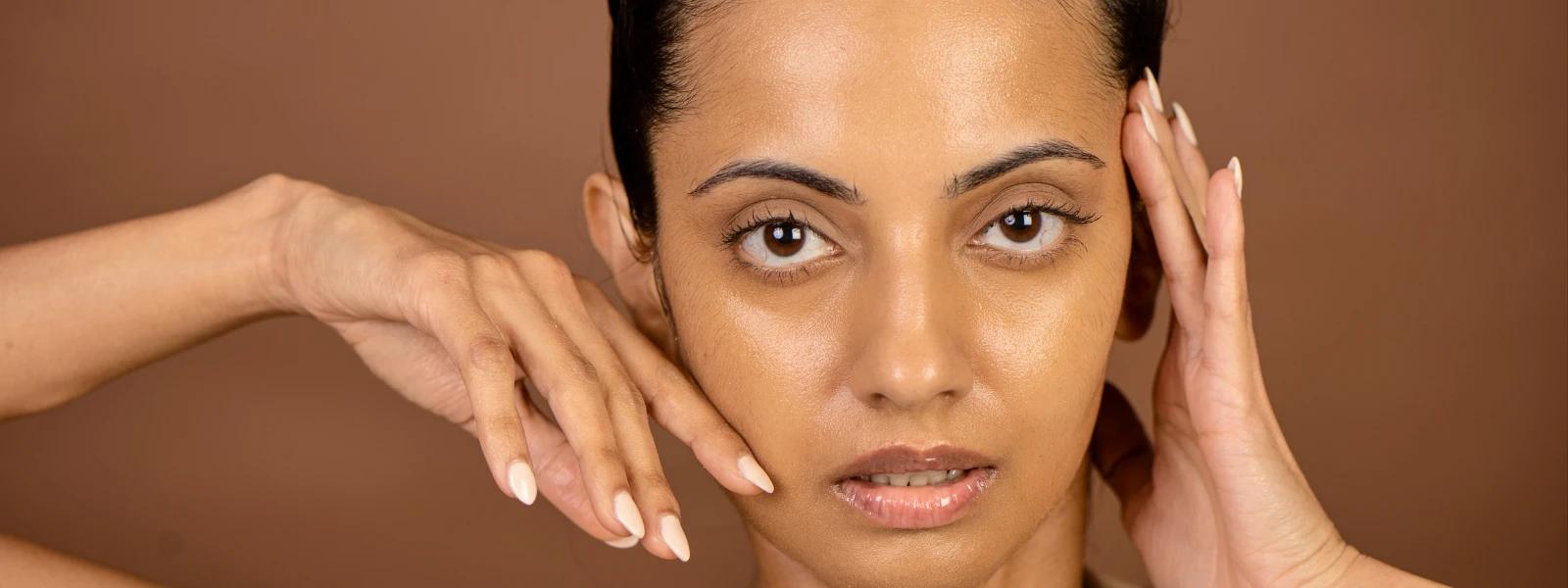
You've noticed it in the mirror—that subtle shift where your skin doesn't bounce back quite like it used to. Maybe it's the way your cheek feels less plump when you smile, or how those expression lines seem to linger a bit longer. If you're wondering what causes loss of skin elasticity in Indian women specifically, you're asking the right question. Our skin has unique needs shaped by genetics, climate, and lifestyle factors that deserve targeted understanding and care.
Skin elasticity is essentially your skin's ability to stretch and return to its original shape—think of it as your skin's natural bounce-back factor. This quality depends heavily on two key proteins: collagen and elastin. Collagen provides structure and firmness, whilst elastin gives skin its flexibility and ability to snap back into place.
For Indian women, this process has some unique characteristics. Our naturally higher melanin content offers built-in protection against UV damage, which is brilliant news for preventing premature aging. However, this same protective quality can sometimes mask early signs of collagen loss, meaning we might notice elasticity changes later but more suddenly.
Indian skin tends to age differently from other ethnicities. We're more prone to pigmentation changes and often experience volume loss in specific facial areas—particularly around the temples and cheeks. The good news? Our skin typically maintains thickness longer, which means when we do address skin elasticity concerns, we often see more dramatic improvements.
Genetic factors play a significant role too. Many Indian women have naturally oilier skin, which can actually help maintain moisture and delay some signs of aging. However, this can also lead to different skincare needs and challenges.
Understanding what specifically affects Indian skin aging helps us tackle the root causes rather than just treating symptoms. The reality is that multiple factors work together to influence how our skin ages and loses elasticity over time.
From around age 25, our natural collagen production begins to decline by about 1% each year. For Indian women, this process can be influenced by hormonal fluctuations, particularly during pregnancy and menopause. The decline isn't just about quantity—the quality of collagen we produce also changes, becoming less organised and effective at maintaining skin firmness.
Cellular turnover also slows down, meaning our skin takes longer to repair and regenerate itself. This is when you might start noticing that post-acne marks take longer to fade, or that your skin doesn't recover from stress or lack of sleep as quickly as it used to.
Living in India presents unique environmental challenges for our skin. The intense UV radiation—particularly in tropical and subtropical regions—can accelerate collagen breakdown even with our natural melanin protection. Air pollution in urban areas creates additional oxidative stress, leading to premature aging and elasticity loss.

Target & Fade Duo for Hyperpigmentation | Even-Tone Underarms, Inner Thighs & Bum | Refines Skin Texture | For All Skin Types
The climate itself plays a role too. High humidity can lead to increased sebum production and clogged pores, whilst air conditioning and seasonal changes can cause dehydration that affects skin plumpness and elasticity.
Chronic stress—whether from work, family responsibilities, or urban living—elevates cortisol levels, which directly impacts collagen production. Poor sleep quality, common in busy Indian cities, disrupts the skin's natural repair processes that happen during rest.
Nutritional factors matter enormously. Diets high in sugar and processed foods can lead to glycation, where sugar molecules bind to collagen fibres, making them stiff and less elastic. Conversely, traditional Indian foods rich in antioxidants and healthy fats can support skin elasticity when incorporated mindfully.
The first signs of elasticity loss often appear subtly. You might notice that your skin takes longer to bounce back when gently pinched, or that fine lines around your eyes seem more pronounced in the morning. These changes typically begin in areas where skin is thinner—around the eyes, neck, and décolletage.
For Indian women, early signs might also include changes in skin texture and a gradual loss of that natural glow we're known for. The skin might start feeling less plump and more fragile, particularly after cleansing or exposure to air conditioning.
Whilst some elasticity loss is natural, sudden or dramatic changes warrant attention. If you notice rapid skin sagging, deep creases forming quickly, or significant texture changes, it's worth consulting a dermatologist. These could indicate underlying health issues or the need for more targeted anti-aging skincare interventions.
The most effective approach to maintaining skin elasticity combines consistent daily care with targeted treatments. Prevention is always easier than correction, but it's never too late to start supporting your skin's natural resilience.
A morning routine should focus on protection: gentle cleansing, a vitamin C serum for antioxidant protection, moisturiser suited to your skin type, and broad-spectrum SPF 30 or higher. Evening routines can include more active ingredients like retinoids or peptides that support collagen production whilst your skin repairs overnight.
Key ingredients to look for include niacinamide for skin barrier support, hyaluronic acid for hydration, and gentle AHAs for cellular turnover. These work particularly well for Indian skin types and can be found in products available through platforms like Smytten Shop, where you can try samples before committing to full sizes.

Mineral Sunscreen SPF 50 | Matte Finish | No White Cast | Non-Nano Zinc Oxide | Cica | Pregnancy Safe | All Skin Types | 50ml
Non-invasive treatments like radiofrequency, microneedling, and certain laser therapies can stimulate collagen production effectively. These skin tightening treatments are increasingly available in Indian cities and can complement a good home skincare routine.
The key is choosing treatments appropriate for your skin tone and type. Indian skin can be more prone to post-inflammatory hyperpigmentation, so working with experienced practitioners familiar with darker skin tones is crucial.
Traditional Indian skincare wisdom offers valuable insights for maintaining skin firmness. Ingredients like turmeric, neem, and sandalwood have been used for centuries and contain compounds that modern science recognises as beneficial for skin health.
Ashwagandha and amla are particularly interesting for their adaptogenic and antioxidant properties. These can be incorporated through both topical applications and dietary inclusion. Face massage with oils like sesame or coconut, following traditional techniques, can also improve circulation and support skin elasticity.
However, it's important to patch-test any natural remedies for skin and understand that whilst traditional ingredients can be beneficial, they work best as part of a comprehensive approach rather than standalone solutions.
What you eat directly impacts your skin's ability to maintain elasticity. A healthy skin diet for Indian women should emphasise foods rich in vitamin C (like guava and citrus fruits), healthy fats (from nuts and seeds), and protein for collagen synthesis.
Traditional foods like ghee, when consumed in moderation, provide fat-soluble vitamins essential for skin health. Turmeric in cooking offers anti-inflammatory benefits, whilst green leafy vegetables provide folate and antioxidants crucial for cellular repair.
Hydration remains fundamental—aim for adequate water intake, but also consider hydrating foods like cucumber, watermelon, and coconut water that provide electrolytes alongside moisture.

Salicylic Acid Face Cleanser | Deep Cleansing Formula for Breakouts | Unclogs Pores & Controls Oil | For Oily & Acne-Prone Skin | 100ml
Women experience elasticity loss due to declining estrogen levels, which directly affects collagen production. This hormonal change, combined with natural aging processes, environmental damage, and lifestyle factors, leads to gradual loss of skin firmness and bounce. The process typically accelerates during perimenopause and menopause when hormonal fluctuations are most significant.
Vitamin C deficiency is particularly problematic for skin elasticity, as this vitamin is essential for collagen synthesis. Protein deficiency also impacts elastin and collagen production. Additionally, deficiencies in vitamins A and E, zinc, and essential fatty acids can contribute to premature elasticity loss. For Indian women, iron deficiency—common due to dietary restrictions or heavy menstrual cycles—can also affect skin health and appearance.
Focus on consistent hydration, both internal and external. Use skincare products with ingredients like retinoids, peptides, and vitamin C. Incorporate facial massage and exercises to improve circulation. Ensure adequate protein intake and foods rich in antioxidants. Regular exercise boosts circulation and supports overall skin health. Most importantly, protect your skin from further damage with daily SPF use.
Crepey skin often indicates deficiencies in vitamins C, E, and A. Vitamin C is crucial for collagen production, vitamin E protects against oxidative damage, and vitamin A supports cellular turnover. Many Indian women also have vitamin D deficiency, which can affect skin barrier function and overall skin health. A balanced diet with these vitamins, or targeted supplementation under medical guidance, can help improve skin texture.
Rapid or sudden elasticity loss can indicate underlying health issues such as hormonal imbalances, autoimmune conditions, or nutritional deficiencies. If you notice dramatic changes in skin texture or firmness over a short period, consult a dermatologist or healthcare provider. Gradual changes are normal with aging, but sudden changes warrant professional evaluation.
Lose weight gradually—aim for 1-2 pounds per week maximum. Stay well-hydrated and maintain adequate protein intake to support skin structure. Use moisturisers with ingredients like hyaluronic acid and peptides. Consider dry brushing and massage to improve circulation. Strength training can help maintain muscle mass, which supports skin structure. Avoid crash diets that can lead to rapid skin sagging.
Understanding what causes loss of skin elasticity in Indian women specifically empowers you to make informed decisions about your skincare journey. The combination of genetic factors, environmental stressors unique to India, and lifestyle choices all play roles in how our skin ages and maintains its firmness over time.
The most effective approach combines prevention with targeted treatment—consistent daily skincare, sun protection, proper nutrition, and professional treatments when needed. Remember that maintaining skin elasticity is a gradual process that requires patience and consistency rather than quick fixes.
Whether you're exploring new products through sample programmes or building a comprehensive anti-aging skincare routine, the key is finding what works for your unique skin needs. Your skin's journey is individual, and with the right knowledge and tools, you can support its health and resilience for years to come.
