Is Retinol Safe for Indian Skin Dark Tones? Your FAQ Answered


Dark Spot Reduction Set | 3-Step Routine for Hyperpigmentation & Even Skin Tone | Cleanser, Serum & Moisturizer | Skin Care Routine Kit
You've been scrolling through skincare content, watching influencers rave about retinol's transformative effects, and now you're wondering: is this miracle ingredient actually safe for your Indian skin? The question isn't just valid—it's essential. With darker skin tones being more prone to post-inflammatory hyperpigmentation and having unique responses to active ingredients, understanding how retinol works with melanin-rich skin can make the difference between achieving that coveted glow and dealing with unwanted dark spots. Let's dive into everything you need to know about using retinol safely on Indian skin tones.
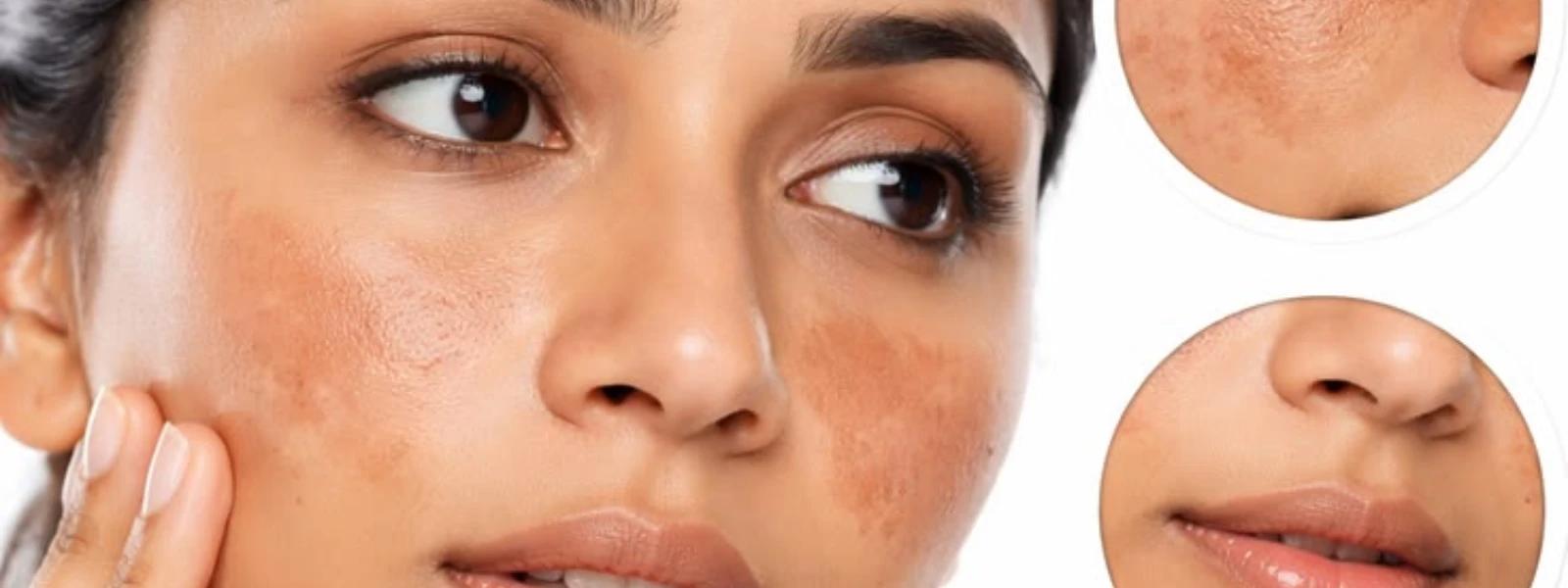
The relationship between retinol and Indian skin isn't as straightforward as many beauty guides suggest. Indian skin, with its higher melanin content, responds differently to active ingredients compared to lighter skin tones. This doesn't mean retinol is off-limits—quite the opposite. When used correctly, retinol benefits for dark skin can be remarkable, addressing everything from stubborn hyperpigmentation to acne scarring that seems impossible to fade.
Indian skin contains more melanin, which acts as a natural protective barrier against UV damage but also makes the skin more reactive to irritation. When your skin gets inflamed—whether from harsh products, picking at spots, or even aggressive scrubbing—it tends to produce excess melanin as a protective response. This is why that tiny pimple can leave behind a dark mark that lingers for months. Understanding this mechanism is crucial when introducing retinol for hyperpigmentation Indian skin concerns.
Retinol works by accelerating cell turnover, which means it helps your skin shed dead cells faster and generate new ones. In melanin-rich skin, this process can initially cause some sensitivity, but it's also what makes retinol so effective at fading dark spots over time. The key is working with your skin's natural processes rather than against them.
Research consistently shows that retinol can be highly effective for darker skin tones when used appropriately. Studies focusing on retinol for acne dark skin have demonstrated significant improvements in both active breakouts and post-acne marks. The ingredient's ability to regulate oil production whilst promoting healthy cell turnover makes it particularly valuable for Indian skin types that often struggle with combination concerns.
Clinical studies have shown that retinol for hyperpigmentation Indian skin can reduce dark spots by up to 40% over 12 weeks of consistent use. The ingredient works by inhibiting tyrosinase, the enzyme responsible for melanin production, whilst simultaneously encouraging the skin to shed pigmented cells more rapidly. For acne-prone Indian skin, retinol offers the dual benefit of preventing new breakouts whilst addressing the dark marks left behind by previous ones.
Beyond hyperpigmentation, retinol addresses several concerns common in Indian skin. It helps refine skin texture, minimise the appearance of pores, and can even help with early signs of ageing. The ingredient's ability to stimulate collagen production means it's working on multiple levels to improve your skin's overall health and appearance.
Understanding potential retinol side effects Indian skin experiences is crucial for safe usage. The most common side effects include dryness, peeling, and initial irritation—what's often called the "retinol adjustment period." However, darker skin tones need to be particularly mindful of irritation-induced hyperpigmentation, where the very ingredient meant to fade dark spots could potentially cause new ones if not used carefully.

2% Salicylic Acid Face Serum | Reduces Open Pores, Blackheads & Whiteheads | With 5% Niacinamide | For All Skin Types | 30ml
The retinol purge dark skin experiences can be more noticeable than in lighter skin tones. During the first few weeks, you might notice increased breakouts as the retinol brings underlying congestion to the surface. This is normal, but if you notice new dark spots forming around areas of irritation, it's time to slow down your usage. Watch for excessive redness, burning sensations, or any darkening of the skin that doesn't resolve within a few days.
Certain skin conditions, such as active eczema or severe rosacea, may make retinol unsuitable. Additionally, during India's intense summer months or if you're spending extended time outdoors without proper sun protection, it might be wise to pause retinol use. The ingredient makes your skin more photosensitive, and inadequate sun protection can lead to increased pigmentation.
The key to successful retinol use on Indian skin lies in the approach. Starting slowly and building tolerance is essential. Many people make the mistake of jumping in with daily use, which often leads to irritation and subsequent hyperpigmentation—the exact opposite of what you're trying to achieve.
When considering retinol percentage for dark skin, always start low. Begin with 0.25% or 0.5% retinol, using it just once a week for the first two weeks. Apply a small amount to clean, dry skin, followed by a gentle moisturiser. Patch testing is non-negotiable—apply a tiny amount to your inner arm and wait 24-48 hours to check for any adverse reactions.
Retinol should only be used at night, as it breaks down in sunlight and increases photosensitivity. Apply it after cleansing but before moisturising, unless you're using a retinol-infused moisturiser. During monsoon season, when humidity is high, you might find your skin tolerates retinol better, whilst summer usage requires extra caution and sun protection.
A robust skincare routine supporting your skin barrier is essential when using retinol. This means gentle cleansing, adequate moisturising, and religious sun protection with SPF 30 or higher. Ingredients like niacinamide, hyaluronic acid, and ceramides work beautifully alongside retinol to maintain skin health.
Choosing the right retinol product for Indian skin involves considering formulation, concentration, and additional ingredients. The best retinol serum for dark skin often includes complementary ingredients that support the skin barrier and minimise irritation potential.
Encapsulated retinol formulations tend to be gentler and more stable, making them ideal for sensitive Indian skin. Look for products that combine retinol with soothing ingredients like niacinamide, which helps regulate oil production and reduce inflammation, or hyaluronic acid for hydration. Avoid products with high concentrations of fragrances or essential oils, which can increase irritation risk.

Even Tone Restore Set | 3-Step Brightening Routine for Hyperpigmentation | Serum, Moisturizer & Sunscreen | Daily Skincare Kit
For beginners, 0.25-0.5% retinol is ideal. Those with some experience can move to 0.5-1%, whilst advanced users might tolerate 1% or higher concentrations. Remember, higher isn't always better—consistency with a lower concentration often yields better results than sporadic use of a stronger formula.
In India's climate, lightweight serums often work better than heavy creams, especially during humid months. However, retinol cream for dark skin can be beneficial during cooler, drier periods when extra moisture is needed. Consider your skin type, the season, and your overall routine when choosing between formats.
Sometimes, despite best intentions, retinol simply doesn't work for everyone. Understanding retinol alternatives for dark skin ensures you can still address your skin concerns effectively. These alternatives can be particularly valuable during pregnancy, breastfeeding, or if you experience persistent irritation with retinol.
If you're pregnant, breastfeeding, or have extremely sensitive skin that doesn't tolerate retinol despite gradual introduction, alternatives become essential. Some people also prefer to use alternatives during summer months when sun exposure is higher, switching back to retinol during cooler seasons.
Bakuchiol, often called "nature's retinol," offers similar benefits without the irritation potential. Alpha hydroxy acids like glycolic and lactic acid provide gentle exfoliation that can help with hyperpigmentation. Vitamin C serums, particularly those with magnesium ascorbyl phosphate, work well for Indian skin tones without causing irritation.
Tretinoin, the prescription-strength version, can be more effective but requires careful monitoring, especially on darker skin tones. If over-the-counter retinol isn't providing desired results after 3-4 months of consistent use, consulting a dermatologist about tretinoin might be worthwhile.
Yes, retinol is generally safe for Indian skin and darker tones when introduced gradually and used correctly. The key is starting with lower concentrations, using proper sun protection, and monitoring your skin's response. Many dermatologists specifically recommend retinol for addressing hyperpigmentation concerns common in Indian skin.
Retinol itself doesn't darken skin, but improper use can lead to irritation-induced hyperpigmentation. This happens when the skin becomes inflamed from too much retinol too quickly, causing it to produce excess melanin as a protective response. This is why gradual introduction and proper moisturising are crucial.

15% Vitamin C Face Serum | Brightens & Evens Skin Tone | Boosts Collagen & Firmness | Reduces Dark Spots | Vitamin C & E + Ferulic Acid | 30ml
Start with 0.25-0.5% retinol for dark skin tones. This allows your skin to build tolerance gradually. You can increase to 0.5-1% after several weeks of successful use. Higher concentrations aren't necessarily better and can increase the risk of irritation and subsequent hyperpigmentation.
Most people begin seeing improvements in skin texture within 4-6 weeks, with significant changes in hyperpigmentation visible after 8-12 weeks of consistent use. However, results can vary based on individual skin response, the concentration used, and the specific concerns being addressed.
A mild purge is normal during the first 2-4 weeks of retinol use. However, if you notice excessive irritation, new dark spots forming, or if the purging continues beyond 6 weeks, reduce frequency or concentration. The purge should gradually improve, not worsen over time.
Yes, but timing matters. Use retinol at night and vitamin C in the morning. Niacinamide works well with retinol and can help minimise irritation. Avoid using retinol with other strong actives like AHAs or BHAs initially, introducing them gradually once your skin tolerates retinol well.
Retinol can be used year-round, but summer requires extra caution due to increased sun exposure. Ensure you're using broad-spectrum SPF 30+ daily, reapplying every 2-3 hours. Some people prefer to reduce retinol frequency during peak summer months or switch to gentler alternatives.
Stop using retinol immediately and focus on gentle, hydrating skincare. Use a broad-spectrum sunscreen daily and consider ingredients like vitamin C, kojic acid, or arbutin to help fade the marks. Consult a dermatologist if the hyperpigmentation doesn't improve within 4-6 weeks.
Retinol can be a game-changer for Indian skin when used thoughtfully and consistently. The key lies in respecting your skin's unique needs and building tolerance gradually. Remember that skincare is a journey, not a destination—what works for your friend might need adjustment for your skin type and concerns.
At Smytten, you'll find carefully curated retinol products from trusted brands, allowing you to explore different formulations and find what works best for your skin. With over 28 million users discovering their perfect skincare matches through sample-sized trials, you can experiment confidently without committing to full-sized products immediately. The platform's cashback offers also make it more affordable to build a comprehensive routine that supports your retinol journey.
Your skin deserves products that work with its natural processes, not against them. Start slowly, stay consistent, and remember that the best skincare routine is one you can maintain long-term. With patience and the right approach, retinol can help you achieve the clear, even-toned skin you've been working towards.
