Intimate Area Care FAQ: Your Vaginal Health Questions Answered


Salicylic Acid Face Cleanser | Deep Cleansing Formula for Breakouts | Unclogs Pores & Controls Oil | For Oily & Acne-Prone Skin | 100ml
That moment when you're standing in the shower, wondering if you're doing everything right down there. You're not alone in having questions about intimate area care – it's one of those topics that somehow never gets the clear, honest conversation it deserves. Whether you're dealing with unexpected changes, trying to prevent infections, or simply want to establish a healthy routine, understanding how to care for your intimate area properly is essential for your overall wellbeing.
Before diving into care routines, it's crucial to understand what you're actually caring for. Your intimate area is remarkably designed to maintain itself, but knowing the basics helps you support its natural processes rather than work against them.
Many people use these terms interchangeably, but they're actually different parts that require different approaches. The vulva includes all the external parts – the labia, clitoris, and vaginal opening. This is what you can see and what needs gentle washing. The vagina is the internal canal that leads to your cervix, and here's the brilliant bit: it's completely self-cleaning.
Your vagina produces discharge that naturally flushes out bacteria and dead cells. This means you never need to clean inside your vagina – no douching, no special internal washes, nothing. Focus your cleaning efforts on the vulva only.
Your vagina maintains a delicate pH balance between 3.8 and 4.5, making it slightly acidic. This acidity is maintained by beneficial bacteria called lactobacilli, which produce lactic acid and keep harmful bacteria at bay. When this balance gets disrupted – through harsh soaps, douching, or certain medications – you become more susceptible to infections like bacterial vaginosis or yeast infections.
Think of your vaginal microbiome as a carefully balanced ecosystem. The healthier it is, the better it can protect itself from infections and maintain optimal vaginal health.
Establishing a proper daily routine doesn't need to be complicated. In fact, the simpler, the better when it comes to intimate hygiene. Your intimate area thrives on gentle, consistent care rather than aggressive cleaning.
Start with lukewarm water – never hot, as this can irritate delicate skin. Gently wash the external vulva area with your hands, moving from front to back. This direction is crucial because it prevents bacteria from the anal area from reaching your vaginal opening, reducing UTI risk.
Focus on the folds of the labia and around the clitoris where natural oils and dead skin can accumulate. Use gentle, circular motions and rinse thoroughly. The entire process should take no more than a minute or two.
Plain water is often sufficient for daily cleaning, but if you prefer using a cleanser, choose one specifically formulated for intimate wash. These products are pH-balanced to match your vulva's natural acidity and won't disrupt your microbiome.

Intimate Brightening Roll-On Serum | Inner Thighs & Bum | 10% AHA + PHA | Evens Skin Tone | Lightweight & Non-Sticky | 70ml
Avoid regular soap, body wash, bubble bath, or anything with fragrances, dyes, or harsh chemicals. These can cause irritation, dryness, and throw off your natural pH balance. Even products marketed as "gentle" or "for sensitive skin" may be too harsh for your intimate area.
After washing, gently pat the area dry with a clean, soft towel. Never rub vigorously, as this can cause irritation. If possible, allow some air-drying time before putting on underwear – this helps prevent moisture buildup that can lead to bacterial growth.
Some people find that using a separate towel for their intimate area helps prevent cross-contamination from other body areas.
What you wear can significantly impact your intimate area care routine. The right clothing choices support your body's natural processes and help prevent issues before they start.
Cotton underwear is your best friend for vulva care. Cotton is breathable and absorbs moisture, keeping your intimate area dry and comfortable. Avoid synthetic materials like nylon or polyester for daily wear, as these trap heat and moisture.
Choose underwear that fits properly – not too tight, which can cause chafing and restrict airflow, and not too loose, which might not provide adequate support. Consider going without underwear occasionally, especially when sleeping, to give your intimate area maximum breathability.
After exercise or any activity that causes sweating, change out of damp clothes as soon as possible. Moisture creates an environment where harmful bacteria can thrive, potentially leading to infections or odour issues.
If you're prone to moisture buildup, consider changing underwear midday, especially during hot weather or stressful periods when you might sweat more. This simple step can make a significant difference in preventing vaginal odor and maintaining comfort.
Certain situations require special attention to maintain optimal vaginal health. Understanding how to adapt your routine during these times helps prevent complications and keeps you comfortable.
During menstruation, change tampons or pads every 4-6 hours, even if they don't seem full. This prevents bacterial overgrowth and reduces odour. If using a menstrual cup, empty and rinse it at least twice daily, or follow the manufacturer's guidelines.

D-Tan Face Wash | Reduces Tan & Dullness | Removes Excess Oil & Impurities | Glycolic Acid + Hyaluronic Acid | For All Skin Types | 100g
You might want to wash your vulva more frequently during your period, but stick to gentle techniques and avoid overwashing, which can cause irritation when your skin is already more sensitive.
Always urinate within 30 minutes after sexual activity. This helps flush out any bacteria that might have been introduced during intercourse, significantly reducing your risk of urinary tract infections.
A gentle rinse with water after sex can help you feel fresh, but avoid immediate douching or using harsh cleansers. Your body needs time to restore its natural balance.
Always wipe from front to back after using the toilet. This prevents bacteria from the anal area from reaching your vaginal opening. Use gentle pressure and consider patting rather than wiping if you're experiencing any irritation.
In public restrooms, hover over the seat if possible, or use toilet seat covers. Always wash your hands thoroughly before and after any intimate contact.
Understanding what's normal for your body helps you identify when something might need attention. Every person's normal is different, so pay attention to your own patterns and changes.
Healthy vagina discharge varies throughout your menstrual cycle. It might be clear and stretchy around ovulation, thicker and white before your period, or minimal after menstruation. Normal discharge doesn't have a strong, unpleasant odour and doesn't cause itching or burning.
Watch for changes in colour (green, grey, or bright yellow), consistency (very thick and cottage cheese-like, or frothy), or smell (fishy, very sweet, or metallic outside of menstruation). These changes might indicate an infection that needs medical attention.
Most infections can be prevented through proper intimate hygiene and lifestyle choices. Avoid tight-fitting clothes for extended periods, change out of wet swimwear promptly, and be cautious with new products that might cause allergic reactions.
Probiotics, either through supplements or yoghurt with live cultures, may help maintain your vaginal microbiome. However, consult with a healthcare provider before starting any new supplements.

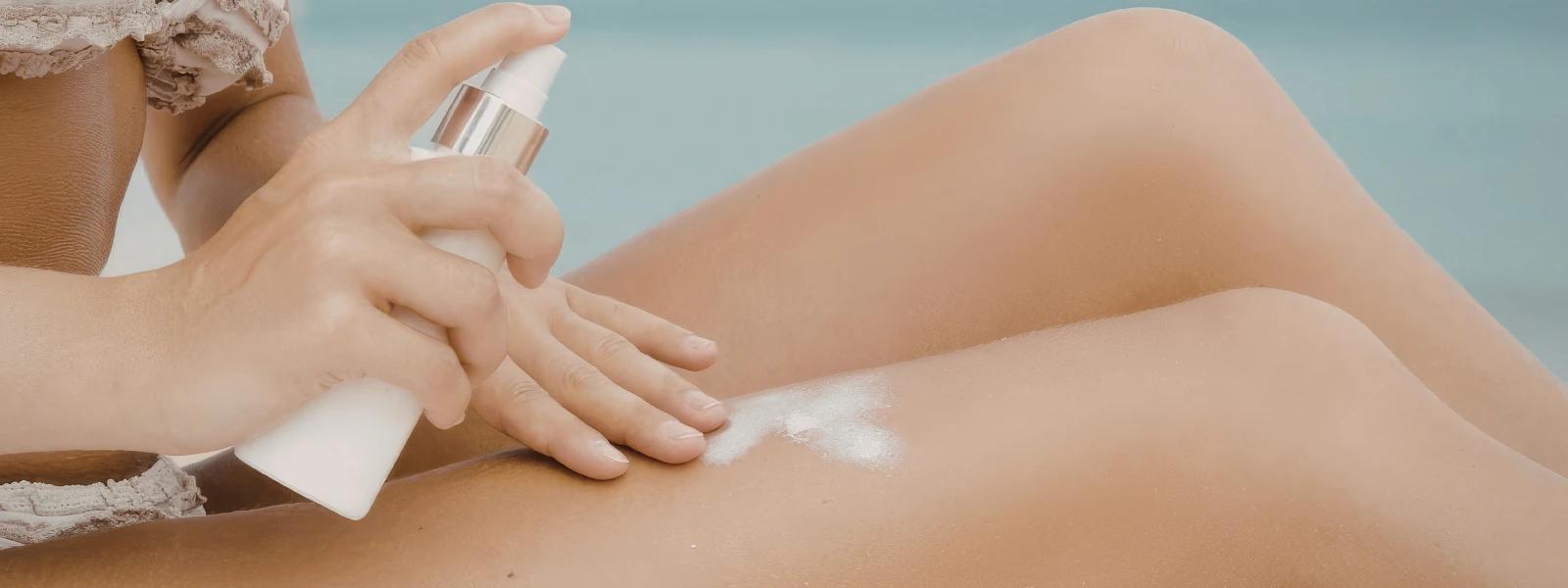
Sunscreen Spray for Body | SPF 50+ PA+++ | Sweat & Water-Resistant | Broad Spectrum UVA/UVB Protection | Clear Matte Formula | Aloe Vera | 100ml
Once daily is typically sufficient for most people. Overwashing can disrupt your natural pH balance and cause irritation. If you exercise frequently or live in a hot climate, you might rinse with water more often, but limit soap use to once daily.
Regular soap is too harsh for your intimate area. It can disrupt your natural pH balance and cause dryness, irritation, or infections. Stick to pH-balanced intimate cleansers or plain water for daily cleaning.
Your natural scent can change due to hormonal fluctuations, diet, stress, or where you are in your menstrual cycle. Slight variations are normal. However, a strong, fishy, or very unpleasant odour might indicate an infection requiring medical attention.
Never douche. Your vagina is self-cleaning, and douching disrupts the natural balance of bacteria, increasing your risk of infections. It can push bacteria further into your reproductive tract and cause more harm than good.
Gently pat with a clean, soft towel using a front-to-back motion. Allow some air-drying time if possible before putting on underwear. Avoid rubbing or using rough towels that might cause irritation.
Focus on external cleaning only, use gentle products or plain water, and listen to your body. If you feel clean and comfortable, you're probably doing enough. More isn't always better when it comes to intimate area care.
Consult a healthcare provider if you experience persistent itching, burning, unusual discharge, pelvic pain, or any symptoms that concern you. Don't wait if symptoms worsen or don't improve with basic care changes.
Caring for your intimate area doesn't require expensive products or complicated routines – it's about understanding your body and supporting its natural processes. The key is gentle, consistent care that respects your body's delicate balance.
Remember that every person's normal is different. What matters most is knowing your own body and recognising when something changes. When you're exploring new products for your intimate hygiene routine, platforms like Smytten Shop allow you to try samples before committing to full-sized products, helping you find what works best for your unique needs without waste or regret.
Your intimate health is an important part of your overall wellbeing. By following these guidelines and staying attuned to your body's signals, you're taking an important step towards maintaining optimal vaginal health throughout your life.
