Indian Skin Hyperpigmentation Causes FAQ: Your Questions Answered


Target & Fade Duo for Hyperpigmentation | Even-Tone Underarms, Inner Thighs & Bum | Refines Skin Texture | For All Skin Types
Ever wondered why that stubborn dark spot from last summer's breakout is still staring back at you in the mirror? Or why your friend's pigmentation faded in weeks whilst yours seems permanently etched? You're not imagining it—Indian skin hyperpigmentation causes are genuinely more complex than what most skincare advice acknowledges. With higher melanin content and unique environmental challenges, our skin responds differently to triggers, treatments, and even healing processes.
Understanding why hyperpigmentation Indian skin behaves differently starts with recognising our skin's unique characteristics. Indian skin contains significantly more melanin than lighter skin tones, which means our melanocytes (pigment-producing cells) are naturally more active. This isn't a flaw—it's actually protective against UV damage—but it does make us more susceptible to pigmentation disorders.
The real challenge lies in how our skin responds to triggers. When Indian skin experiences inflammation, trauma, or hormonal changes, melanocytes can go into overdrive, producing excess pigment that settles into those frustrating dark spots Indian skin is prone to developing.
Our genetic makeup influences how melanin is distributed and regulated. Indian skin typically has larger, more active melanosomes (the structures that contain melanin), which can lead to more pronounced pigmentation responses. Additionally, our skin barrier function may vary, affecting how we process inflammation and heal from skin trauma.
The Indian subcontinent's year-round intense UV radiation plays a major role in Indian skin discoloration. Unlike temperate climates with seasonal variation, we're exposed to high UV levels consistently, which continuously stimulates melanin production. Hormonal fluctuations from pregnancy, PCOS, or thyroid disorders create another layer of complexity, often resulting in melasma patterns that can be particularly stubborn to treat.
Not all pigmentation is created equal, and recognising the type you're dealing with is crucial for effective treatment. Pigmentation problems Indian skin faces typically fall into several distinct categories, each with its own characteristics and treatment approaches.

Mineral Sunscreen SPF 50 | Matte Finish | No White Cast | Non-Nano Zinc Oxide | Cica | Pregnancy Safe | All Skin Types | 50ml
Indian skin melasma often presents as symmetrical brown patches on the cheeks, forehead, and upper lip. This type of pigmentation is deeply connected to hormonal changes and can be triggered by pregnancy, oral contraceptives, or hormone replacement therapy. The patches tend to darken with sun exposure and may fluctuate with hormonal cycles.
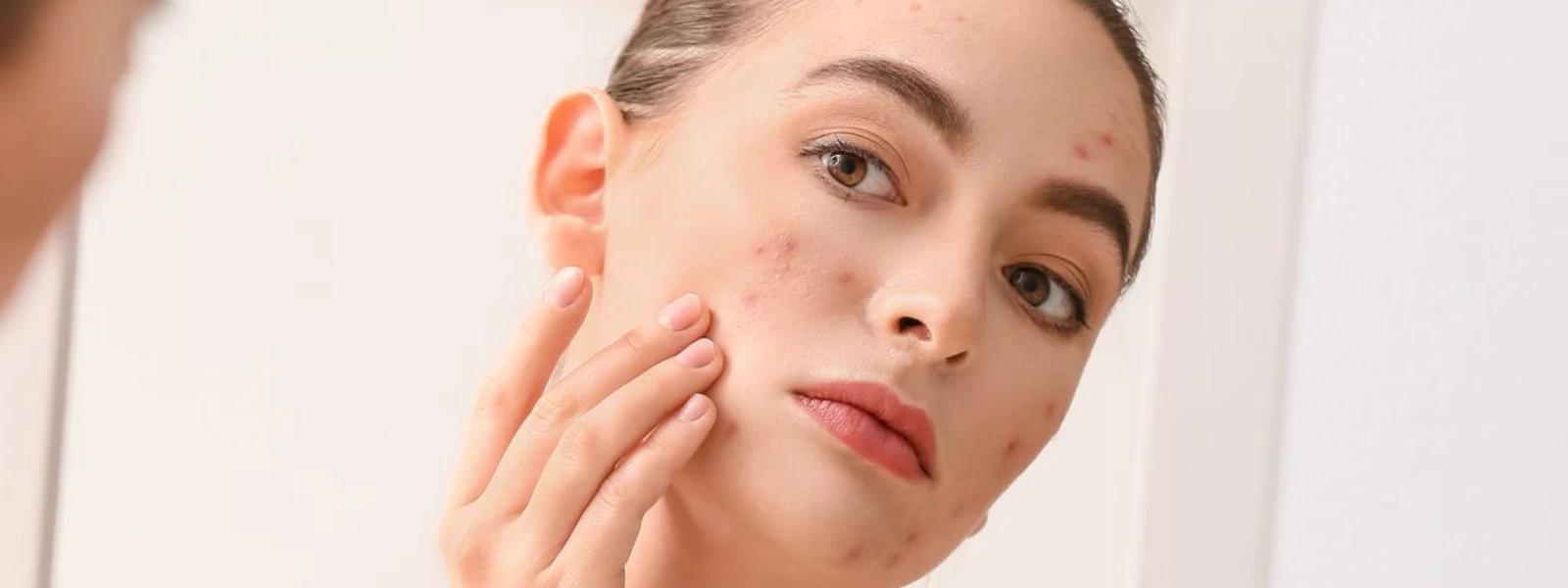
Post inflammatory hyperpigmentation Indian skin develops after any form of skin trauma—acne, cuts, burns, or even aggressive skincare treatments. These dark marks can persist for months or even years if not properly managed, making prevention and gentle treatment approaches essential.
Living in India presents unique challenges for maintaining even skin tone. The combination of high humidity, intense heat, and urban pollution creates a perfect storm for uneven skin tone Indian skin concerns. High humidity can increase melanin production, whilst pollution generates free radicals that damage skin cells and trigger inflammatory responses.
Traditional beauty practices, whilst culturally significant, can sometimes contribute to pigmentation issues. Certain home remedies or aggressive scrubbing techniques may cause micro-trauma that leads to post-inflammatory hyperpigmentation.
The primary Indian skin hyperpigmentation causes include UV exposure, hormonal changes, post-inflammatory responses from acne or skin trauma, genetic predisposition, and environmental factors like heat and pollution. Indian skin's higher melanin content makes it more reactive to these triggers, often resulting in more persistent pigmentation issues compared to lighter skin tones.
Treating hyperpigmentation Indian skin requires more patience because our melanocytes are naturally more active. When stimulated by inflammation or trauma, they produce excess melanin that can take months to naturally shed through skin cell turnover. Additionally, the risk of developing new pigmentation from treatments themselves is higher, requiring gentler, more gradual approaches.

Salicylic Acid Face Cleanser | Deep Cleansing Formula for Breakouts | Unclogs Pores & Controls Oil | For Oily & Acne-Prone Skin | 100ml
Indian skin melasma is typically a chronic condition that requires ongoing management rather than a one-time cure. Whilst significant improvement is possible with consistent treatment and sun protection, complete elimination is rare. The key is understanding that melasma management is a long-term commitment involving prevention, treatment, and maintenance phases.
Perioral hyperpigmentation is commonly caused by hormonal melasma, friction from face masks or clothing, heat exposure, and sometimes reactions to dental products or lip cosmetics. This area is particularly susceptible because the skin is thinner and more sensitive to hormonal fluctuations.
Some natural ingredients like turmeric, kojic acid from rice, and vitamin C from citrus fruits have scientific backing for skin brightening Indian skin. However, natural doesn't always mean gentle—some traditional remedies can cause irritation and worsen pigmentation. It's best to combine evidence-based natural ingredients with proven actives like niacinamide or azelaic acid.
Realistic timelines for treating hyperpigmentation Indian skin range from 3-6 months for surface-level pigmentation to 12-18 months for deeper melasma. The key is consistency with treatment and sun protection. Many people give up too early—Indian skin often shows gradual improvement rather than dramatic quick changes.
Harsh ingredients like high-concentration glycolic acid, aggressive retinoids, or hydroquinone used incorrectly can cause irritation and paradoxical darkening in Indian skin. It's crucial to start with lower concentrations and build tolerance gradually. Always patch test new ingredients and introduce them slowly into your routine.

Hydrating Moisturizer | Non-Comedogenic | Boosts Collagen & Hydrates Deeply | Ceramides + Niacinamide | For Normal to Dry Skin | 50g
Whilst diet alone won't cure pigmentation, certain nutrients can support skin health. Antioxidants from colourful fruits and vegetables help combat free radical damage, whilst omega-3 fatty acids may help reduce inflammation. However, topical treatments and sun protection remain the most important factors in managing Indian skin discoloration.
The most effective approach to managing pigmentation problems Indian skin combines prevention with targeted treatment. Daily broad-spectrum SPF 30 or higher is non-negotiable—even on cloudy days or when staying indoors, as UV rays penetrate windows and reflect off surfaces.
For active treatment, ingredients like niacinamide, azelaic acid, and vitamin C are generally well-tolerated by Indian skin. These work by inhibiting melanin production, promoting cell turnover, and providing antioxidant protection. The key is starting slowly and building tolerance over time.
A successful routine for skin brightening Indian skin typically includes a gentle cleanser, treatment serums with proven actives, moisturiser, and religious sun protection. Evening routines can incorporate stronger actives, whilst morning routines should focus on antioxidant protection and SPF.
Certain pigmentation patterns require professional evaluation. Sudden onset of dark patches, asymmetrical pigmentation, or spots that change in size or colour should be examined by a dermatologist. Additionally, if over-the-counter treatments haven't shown improvement after 3-4 months of consistent use, professional intervention may be necessary.
Professional treatments for Indian skin might include prescription-strength topicals, chemical peels specifically formulated for darker skin tones, or laser treatments performed by experienced practitioners who understand the unique needs of Indian skin.
Understanding Indian skin hyperpigmentation causes is the first step towards effective management. Our skin's unique characteristics aren't obstacles to overcome—they're factors to work with intelligently. The key lies in patience, consistency, and choosing treatments that respect our skin's natural behaviour rather than fighting against it.
Remember, achieving even skin tone is a journey, not a destination. With the right approach and realistic expectations, significant improvement is absolutely possible. Whether you're exploring new ingredients through sample programmes or building a comprehensive routine, the most important step is starting with knowledge and proceeding with patience.
