Hyperpigmentation & Urban Lifestyle FAQ: Your Questions Answered


Target & Fade Duo for Hyperpigmentation | Even-Tone Underarms, Inner Thighs & Bum | Refines Skin Texture | For All Skin Types
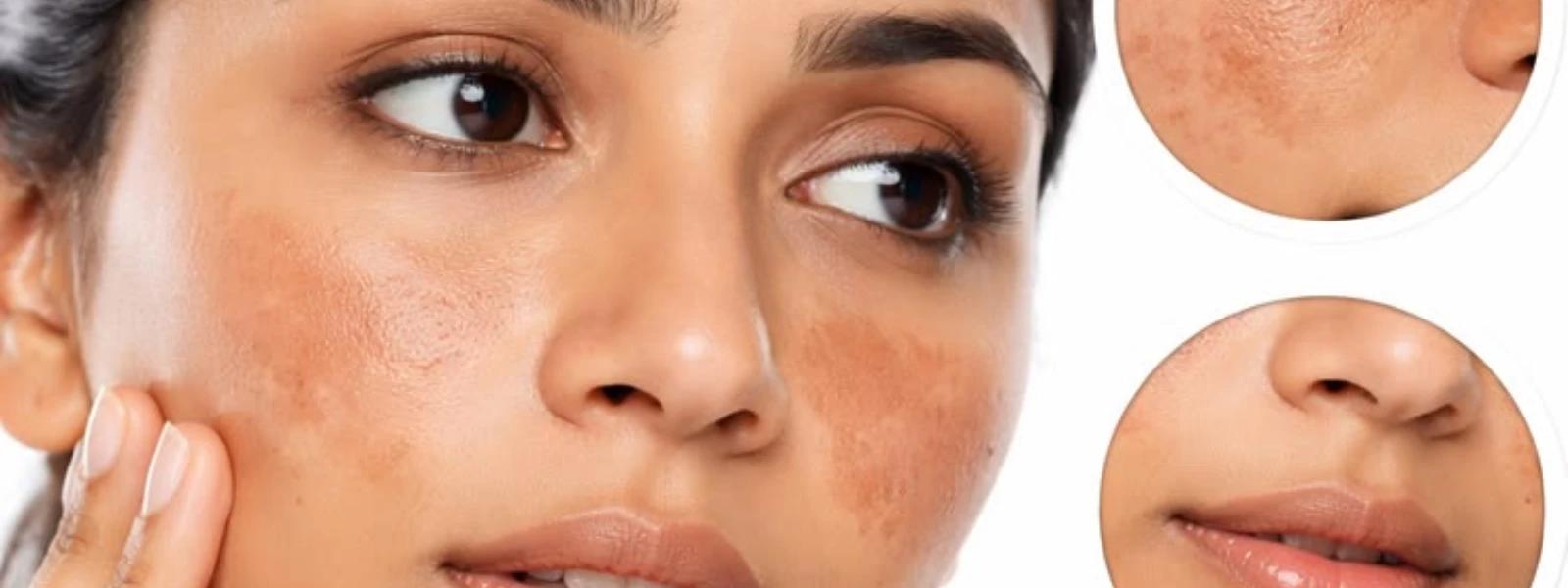
Ever noticed how your skin seems to develop more dark spots and uneven patches since moving to the city? You're not imagining it. Urban living creates a perfect storm for hyperpigmentation – from pollution particles settling into your pores to the constant blue light exposure from screens. If you've been wondering why your usual skincare routine isn't cutting it anymore, or why those stubborn marks just won't fade, you're asking the right questions. City life affects our skin in ways we're only just beginning to understand.
Living in a city means your skin faces challenges that previous generations never had to deal with. The combination of environmental stressors and modern lifestyle factors creates a unique set of circumstances that can trigger and worsen hyperpigmentation. Understanding these factors is the first step towards managing them effectively.
Urban pollution isn't just something you breathe – it settles on your skin throughout the day, creating free radical damage that triggers melanin production. PM2.5 particles, those tiny pollutants smaller than the width of a human hair, penetrate deep into your skin and cause inflammation. This inflammation signals your melanocytes to produce more melanin as a protective response, leading to dark spots and uneven skin tone.
UV radiation in cities gets amplified in unexpected ways. Concrete surfaces, glass buildings, and even car windscreens reflect UV rays back onto your skin, meaning you're getting hit from multiple angles. This reflected radiation often catches areas you thought were protected, like under your chin or the sides of your face.
The modern urban lifestyle creates a cascade of factors that accelerate hyperpigmentation. Chronic stress from city living elevates cortisol levels, which directly impacts melanin production. When you're constantly in fight-or-flight mode – whether from work pressure, traffic, or general city chaos – your skin responds by becoming more reactive and prone to pigmentation.
Blue light exposure from screens and LED lighting has emerged as a significant factor in urban skin concerns. Research shows that blue light can penetrate deeper into the skin than UV rays and trigger melanin production, particularly in people with darker skin tones. When you consider that urban dwellers spend 8-12 hours daily in front of screens, the cumulative effect becomes substantial.
City living exposes your skin to a cocktail of environmental aggressors that work together to create and worsen hyperpigmentation. These aren't just surface-level concerns – they penetrate deep into your skin's structure and affect how your melanocytes function.
Air pollution contains a mixture of particulate matter, ozone, nitrogen dioxide, and volatile organic compounds. These pollutants don't just sit on your skin's surface – they generate reactive oxygen species that damage cellular DNA and trigger inflammatory responses. This inflammation is one of the primary drivers of post-inflammatory hyperpigmentation, explaining why city dwellers often struggle with persistent dark spots.
The urban heat island effect means cities are consistently warmer than surrounding areas, leading to increased sweating and oil production. This creates an environment where pollutants stick more readily to your skin, and the increased heat can exacerbate existing pigmentation issues.

Mineral Sunscreen SPF 50 | Matte Finish | No White Cast | Non-Nano Zinc Oxide | Cica | Pregnancy Safe | All Skin Types | 50ml
Urban diets often rely heavily on processed foods, which can increase systemic inflammation. This internal inflammation manifests in your skin as increased sensitivity and a higher likelihood of developing hyperpigmentation from minor irritations or breakouts.
Air conditioning and central heating systems strip moisture from the air, leading to chronic dehydration of your skin barrier. When your skin barrier is compromised, it becomes more susceptible to environmental damage and takes longer to heal from any pigmentation-causing incidents.
Treating hyperpigmentation in an urban environment requires a multi-pronged approach that addresses both existing pigmentation and prevents new spots from forming. The key is understanding that urban skin needs more intensive protection and repair than skin in less polluted environments.
Chemical peels can be particularly effective for urban dwellers because they remove the top layer of pollution-damaged skin while stimulating cellular turnover. However, city residents need to be more cautious about timing these treatments, as freshly peeled skin is more vulnerable to pollution damage.
Laser treatments require special consideration in urban environments. The increased inflammation from pollution exposure means urban skin may be more reactive to laser treatments, requiring longer healing times and more careful post-treatment protection.
Vitamin C serums serve a dual purpose for urban dwellers – they help fade existing pigmentation while providing antioxidant protection against daily pollution exposure. Look for stable forms like magnesium ascorbyl phosphate or sodium ascorbyl phosphate that won't oxidise quickly in polluted environments.
Niacinamide is particularly valuable for urban skin because it helps regulate melanin production while strengthening the skin barrier against environmental damage. It's also anti-inflammatory, helping to calm the chronic low-level inflammation that urban environments create.
Your skincare routine needs to work harder in an urban environment. It's not just about treating existing hyperpigmentation – it's about creating a daily defence system that protects your skin from the unique challenges of city living.

Salicylic Acid Face Cleanser | Deep Cleansing Formula for Breakouts | Unclogs Pores & Controls Oil | For Oily & Acne-Prone Skin | 100ml
Start with a gentle cleanser that removes overnight pollutant buildup without stripping your skin. Urban air contains particles that settle on your skin even while you sleep, especially if you keep windows open or live near busy roads.
Layer your antioxidant serums strategically – vitamin C first for pollution protection, followed by niacinamide for barrier support. Finish with a broad-spectrum SPF of at least 30, but consider SPF 50 if you're in a high-pollution area where UV rays are amplified by reflection.
Double cleansing is non-negotiable for urban dwellers. Use an oil-based cleanser first to dissolve pollution particles and sunscreen, followed by a water-based cleanser to remove any remaining residue. This ensures your treatment products can penetrate effectively.
Evening is when you can use stronger skin brightening ingredients like retinoids or alpha hydroxy acids. These ingredients increase photosensitivity, so using them at night protects you from additional UV damage while maximising their efficacy.
Building an effective routine for urban hyperpigmentation means selecting products that multitask and address the specific challenges of city living. Your routine should protect, repair, and prevent in equal measure.
Look for formulations that combine multiple antioxidants rather than relying on single ingredients. Urban skin benefits from a cocktail approach – vitamin C, vitamin E, ferulic acid, and green tea extract work synergistically to combat the complex mixture of pollutants you encounter daily.
Choose gentle exfoliants over harsh scrubs. Urban skin is already dealing with environmental stress, so mechanical exfoliation can cause micro-tears that lead to more pigmentation. AHAs like glycolic acid or lactic acid provide effective exfoliation while helping to fade existing dark spots.
Layer your serums from thinnest to thickest consistency, allowing each layer to absorb before applying the next. In humid urban environments, this prevents pilling and ensures maximum absorption of active ingredients.
Adjust your routine seasonally – urban pollution levels often fluctuate with weather patterns, and your skin's needs change accordingly. Summer might require lighter textures but stronger antioxidant protection, while winter calls for richer moisturisers to combat heating-induced dryness.

Hydrating Moisturizer | Non-Comedogenic | Boosts Collagen & Hydrates Deeply | Ceramides + Niacinamide | For Normal to Dry Skin | 50g
Urban environments expose skin to significantly higher levels of pollution, UV radiation, and blue light. Studies show that people living in high-pollution areas have 20% more dark spots and uneven pigmentation than those in cleaner environments. The combination of particulate matter, ozone, and reflected UV rays creates a perfect storm for melanin overproduction. Additionally, urban stress levels trigger hormonal changes that make skin more reactive to pigmentation triggers.
While significant improvement is possible, complete reversal depends on several factors including the depth of pigmentation, skin type, and continued exposure to urban pollutants. Surface-level pigmentation often responds well to consistent treatment with vitamin C, niacinamide, and gentle exfoliants. Deeper pigmentation may require professional treatments combined with diligent daily protection. The key is understanding that prevention is easier than reversal – protecting your skin from further damage is crucial for maintaining results.
Urban dwellers typically need 8-12 weeks to see noticeable improvement in hyperpigmentation, compared to 6-8 weeks for those in less polluted environments. This extended timeline reflects the ongoing environmental damage that urban skin faces daily. Consistent use of antioxidants and sun protection can show initial benefits within 4-6 weeks, but significant fading of dark spots requires patience and persistence. The good news is that once you establish an effective routine, maintenance becomes easier.
Yes, urban skin benefits from more intensive antioxidant protection and barrier repair ingredients. While rural dwellers might focus primarily on UV protection, city residents need products that address pollution damage, blue light exposure, and chronic inflammation. Look for formulations with multiple antioxidants, pollution-blocking ingredients like niacinamide, and barrier-repairing components like ceramides. Urban skin also benefits from more frequent but gentler exfoliation to remove pollution buildup.
Indoor air quality plays a significant role in urban skin health. Poor ventilation, chemical cleaning products, and recycled air can contribute to skin inflammation and sensitivity. Air purifiers can help reduce indoor pollutants, while humidifiers combat the drying effects of air conditioning and heating systems. Even simple changes like opening windows during low-pollution hours and using natural cleaning products can benefit your skin's overall health and reduce hyperpigmentation triggers.
Absolutely. An anti-inflammatory diet rich in antioxidants can help combat the internal effects of pollution exposure. Foods high in vitamin C, vitamin E, and omega-3 fatty acids support skin repair and reduce inflammation. Urban dwellers should focus on colourful fruits and vegetables, fatty fish, and green tea while limiting processed foods that increase systemic inflammation. Staying well-hydrated is particularly important in urban environments where air conditioning and pollution can dehydrate your skin.
Managing hyperpigmentation in an urban environment requires understanding that your skin faces unique challenges that go beyond typical skincare concerns. The combination of pollution, stress, and modern lifestyle factors creates a complex web of triggers that need targeted solutions. Success comes from building a comprehensive routine that protects, repairs, and prevents rather than simply treating existing pigmentation.
Remember that consistency trumps perfection. Even small changes like adding an antioxidant serum or improving your cleansing routine can make a significant difference over time. Your skin is remarkably adaptable, and with the right approach, you can maintain healthy, even-toned skin despite urban challenges. The key is working with your environment rather than against it, creating a skincare strategy that acknowledges and addresses the realities of city living.
