Hyperpigmentation Treatment Guide FAQ: Causes & Solutions


Target & Fade Duo for Hyperpigmentation | Even-Tone Underarms, Inner Thighs & Bum | Refines Skin Texture | For All Skin Types
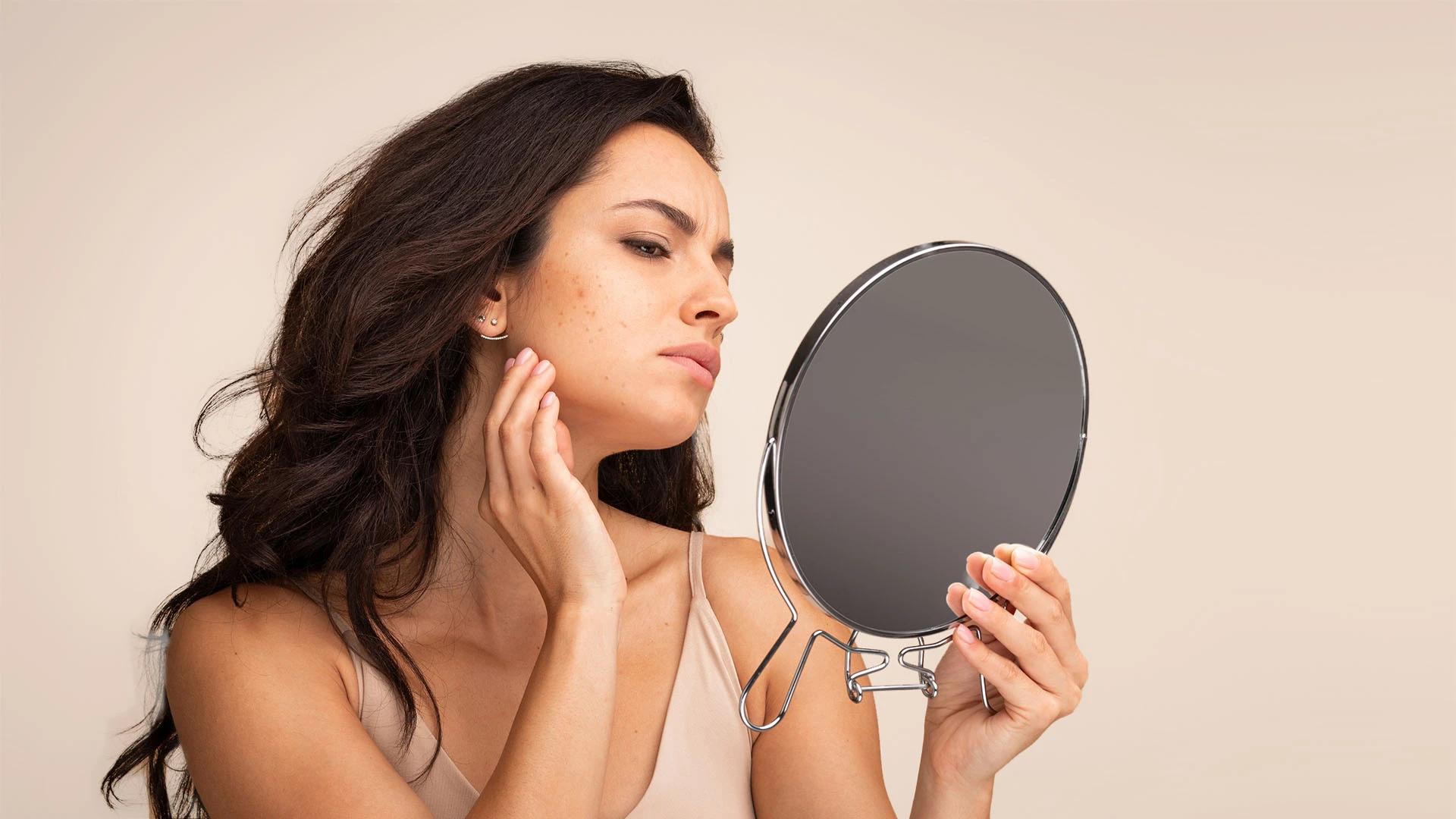
That stubborn dark spot from last summer's breakout is still there, isn't it? Or perhaps you've noticed new patches appearing after months of working from home near that sunny window. Hyperpigmentation affects nearly everyone at some point, yet the sheer volume of conflicting advice online can leave you more confused than when you started. Whether you're dealing with post-acne marks, melasma, or those pesky sunspots that seem to multiply with age, understanding the science behind skin pigmentation is your first step towards clearer, more even-toned skin.
Hyperpigmentation occurs when your skin produces excess melanin, the pigment responsible for your natural skin colour. Think of melanin as your skin's natural defence system—it ramps up production when it detects potential damage, particularly from UV exposure. This process, whilst protective, can leave behind unwanted reminders long after the initial trigger has gone.
Skin discoloration develops through a complex process involving melanocytes, the cells responsible for melanin production. When these cells become overactive due to inflammation, hormonal changes, or UV damage, they create concentrated patches of pigment that appear darker than your surrounding skin tone. The face, hands, and décolletage are particularly vulnerable areas, as they receive the most sun exposure throughout our daily lives.
Understanding what triggers hyperpigmentation causes helps you prevent future occurrences whilst treating existing concerns. UV damage remains the leading culprit—those seemingly harmless lunch breaks in the sun add up over time. Post-inflammatory hyperpigmentation (PIH) develops after acne, cuts, or even aggressive skincare treatments that cause inflammation. Hormonal fluctuations, particularly during pregnancy or whilst taking certain medications, can trigger melasma. Age-related factors also play a role, as our skin's natural repair mechanisms slow down over time, making pigmentation more persistent.
Melasma typically appears as symmetrical patches on the cheeks, forehead, and upper lip, often triggered by hormonal changes. Sunspots and age spots are usually smaller, well-defined brown spots that develop on sun-exposed areas. Post-acne marks can range from red to brown, depending on your skin tone and the depth of inflammation. Each type requires a slightly different approach, though many treatments overlap in their effectiveness.
Real talk: there's no overnight miracle for dark spots removal, but science has given us some genuinely effective tools. The key lies in understanding which ingredients work, how they function, and realistic timelines for seeing results.
Hydroquinone remains the gold standard for skin brightening, working by inhibiting tyrosinase, the enzyme responsible for melanin production. Available in concentrations from 2% (over-the-counter) to 4% (prescription), it's particularly effective for melasma and age spots. Vitamin C serums offer a gentler approach, providing antioxidant protection whilst gradually lightening existing pigmentation. Retinoids accelerate cellular turnover, helping pigmented cells shed more quickly whilst preventing new spots from forming. Niacinamide works differently, reducing inflammation and preventing melanin transfer to skin cells, making it excellent for sensitive skin types.

Mineral Sunscreen SPF 50 | Matte Finish | No White Cast | Non-Nano Zinc Oxide | Cica | Pregnancy Safe | All Skin Types | 50ml
Kojic acid and azelaic acid offer effective alternatives for those who can't tolerate hydroquinone. Alpha hydroxy acids (AHAs) like glycolic and lactic acid provide gentle exfoliation, removing pigmented surface cells whilst improving overall skin texture. The most effective approach often involves combination therapy—using multiple ingredients that target different aspects of pigmentation correction. However, this requires careful layering to avoid irritation, which could worsen hyperpigmentation.
When topical treatments aren't sufficient, professional interventions can accelerate results significantly. Chemical peels using glycolic, lactic, or TCA provide controlled exfoliation, removing pigmented layers more aggressively than at-home treatments. Laser therapy targets melanin specifically, breaking down pigment deposits that your body then naturally eliminates. Intense pulsed light (IPL) works similarly but covers larger areas, making it efficient for widespread sunspots treatment. Microdermabrasion offers gentler exfoliation, suitable for maintaining results between stronger treatments.
Your skin tone significantly influences both your risk of developing hyperpigmentation and the safest treatment approaches. Darker skin tones are more prone to post-inflammatory hyperpigmentation but may not respond as well to certain laser treatments.
Melanin-rich skin requires extra caution with professional treatments, as aggressive approaches can trigger more pigmentation. Lower concentrations of active ingredients often work better long-term, even if results take longer to appear. Ingredients like niacinamide, vitamin C, and gentle AHAs are generally safer starting points. Always patch test new products, and consider consulting a dermatologist experienced with darker skin tones before beginning any intensive treatment protocol.
Body skin is typically thicker and less sensitive than facial skin, allowing for stronger concentrations of active ingredients. However, larger surface areas mean treatments can become expensive quickly. Focus on prevention through daily SPF application, and consider body-specific formulations that often contain higher percentages of effective ingredients at more affordable price points.
Whilst permanent removal isn't realistic without ongoing maintenance, significant improvement is absolutely achievable. Superficial pigmentation may fade within 6-12 weeks of consistent treatment, whilst deeper pigmentation can take 6 months to 2 years. The key is patience and consistency—stopping treatment too early often leads to pigmentation returning.

Salicylic Acid Face Cleanser | Deep Cleansing Formula for Breakouts | Unclogs Pores & Controls Oil | For Oily & Acne-Prone Skin | 100ml
Prevention remains your most powerful tool against future uneven skin tone. A well-structured daily routine can prevent new pigmentation whilst supporting your treatment efforts.
SPF 30 or higher broad-spectrum sunscreen isn't negotiable—it's the foundation of any hyperpigmentation treatment plan. Apply generously (most people use half the recommended amount) and reapply every two hours when outdoors. Physical sunscreens containing zinc oxide or titanium dioxide are often gentler for sensitive or treated skin. Don't forget often-missed areas like your ears, neck, and the backs of your hands.
Morning routines should focus on protection: gentle cleanser, vitamin C serum, moisturiser, and SPF. Evening routines can incorporate active ingredients like retinoids or hydroquinone, but never combine them with AHAs or other exfoliating acids on the same night. Start slowly—introducing one new active ingredient every 2-3 weeks allows your skin to adjust without triggering irritation that could worsen pigmentation.
Understanding when to seek professional help versus managing concerns at home can save you time, money, and potential skin damage from inappropriate treatments.
Consult a professional if you notice changing moles, irregular borders, or spots that appear suddenly. Melasma often requires prescription-strength treatments for effective management. If over-the-counter treatments haven't shown improvement after 3 months of consistent use, professional intervention may be necessary. Additionally, if you're unsure about your skin type or have a history of sensitive reactions, professional guidance can prevent costly mistakes.
Many effective ingredients are available without prescription. Niacinamide serums, vitamin C formulations, and gentle AHA products can provide significant improvement for mild to moderate pigmentation. The key is choosing well-formulated products from reputable brands and maintaining realistic expectations about timelines. At-home treatments typically cost a fraction of professional procedures but require longer commitment periods.

Hydrating Moisturizer | Non-Comedogenic | Boosts Collagen & Hydrates Deeply | Ceramides + Niacinamide | For Normal to Dry Skin | 50g
The best hyperpigmentation treatment combines daily SPF 30+ sunscreen with proven active ingredients like hydroquinone, vitamin C, retinoids, and niacinamide. Professional treatments including chemical peels and laser therapy provide faster results but require ongoing maintenance. The most effective approach is often a combination of consistent at-home care with periodic professional treatments.
Without treatment, superficial hyperpigmentation may fade within 6-12 months, whilst deeper pigmentation can persist for years. Factors affecting natural fading include your age, skin type, the depth of pigmentation, and continued sun exposure. Active treatment significantly accelerates this process and prevents new pigmentation from forming.
No treatment permanently removes hyperpigmentation without ongoing maintenance, as your skin continues producing melanin throughout your life. However, professional treatments like laser therapy and chemical peels can provide long-lasting results (1-2 years) when combined with proper sun protection and maintenance skincare. The goal is management rather than permanent elimination.
Avoid harsh scrubs, high concentrations of acids without proper introduction, and any ingredients that cause irritation to your specific skin type. Fragrance, certain essential oils, and aggressive physical exfoliation can worsen post-inflammatory hyperpigmentation. Always patch test new products and introduce active ingredients gradually.
Hyperpigmentation typically appears as flat, uniform spots that develop gradually. Consult a dermatologist immediately if you notice raised areas, irregular borders, multiple colours within one spot, rapid changes in size or colour, or any spots that bleed or itch. When in doubt, professional evaluation provides peace of mind.
Yes, but careful layering is essential to avoid irritation. Start with one ingredient and gradually introduce others. Never combine retinoids with AHAs or vitamin C on the same application. Morning routines should focus on antioxidants and sun protection, whilst evening routines can incorporate stronger active ingredients. Always use SPF when using any brightening ingredients, as they can increase photosensitivity.
Managing hyperpigmentation requires patience, consistency, and realistic expectations. The most effective approach combines understanding your specific type of pigmentation with appropriate treatment selection and unwavering sun protection. Remember that improvement is a gradual process—those dramatic before-and-after photos you see online often represent months or years of dedicated care.
For those beginning their journey with pigmentation correction, platforms like Smytten offer an excellent opportunity to trial different products before committing to full sizes. With access to premium skincare brands and the ability to test formulations on your specific skin type, you can build an effective routine without the guesswork. The platform's curated selection means you're choosing from dermatologist-recommended ingredients and trusted formulations, whilst the trial sizes allow you to assess tolerance and effectiveness before investing in larger quantities.
Your skin's journey towards evenness is unique, and what works for others may need adjustment for your specific needs. Focus on gentle, consistent care, protect your skin daily, and celebrate the small improvements along the way. With the right approach and quality products, clearer, more even-toned skin is absolutely achievable.
