Hyperpigmentation Treatment for Face FAQ: Your Questions Answered


Target & Fade Duo for Hyperpigmentation | Even-Tone Underarms, Inner Thighs & Bum | Refines Skin Texture | For All Skin Types
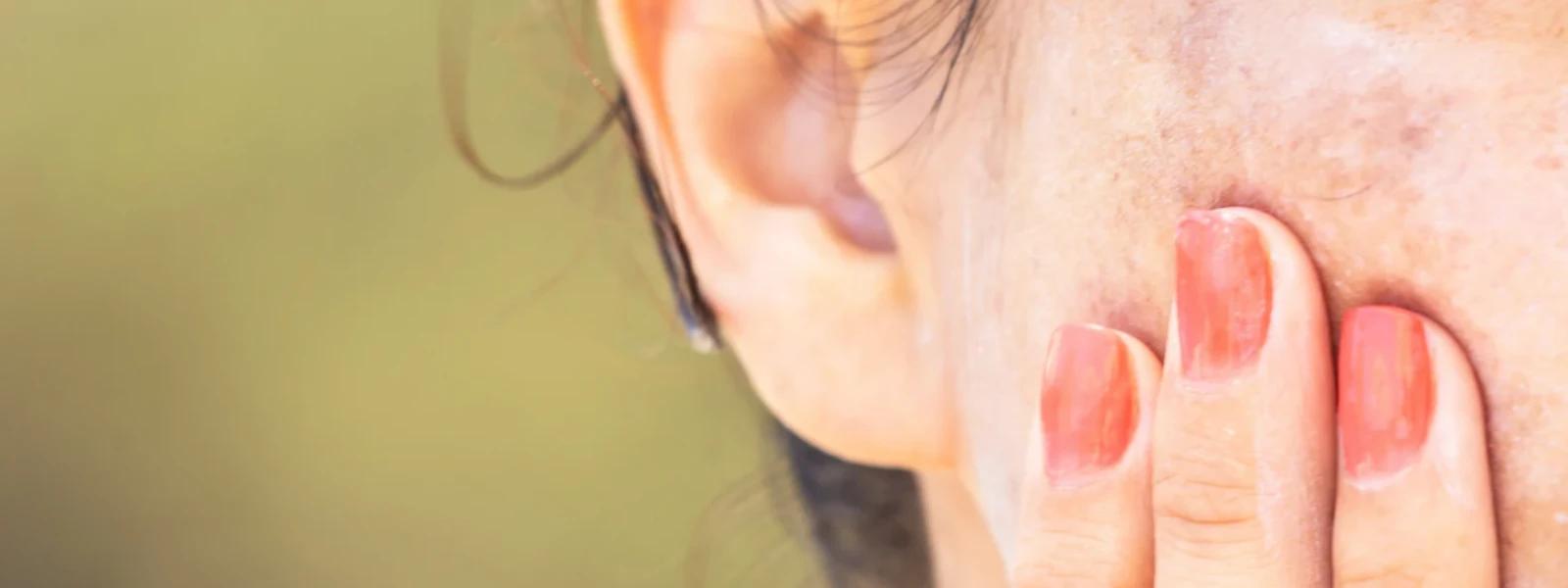
That stubborn dark spot from last summer's breakout is still there, isn't it? Or perhaps you've noticed patches of uneven skin tone creeping across your cheeks, making your usual foundation routine feel like a daily battle. Hyperpigmentation affects nearly everyone at some point, yet finding the right treatment approach can feel overwhelming with countless products promising miraculous results. Whether you're dealing with post-acne marks, sun damage, or hormonal melasma, understanding your options is the first step towards clearer, more even skin.
Hyperpigmentation occurs when your skin produces excess melanin, the pigment responsible for your natural skin colour. Think of it as your skin's overenthusiastic response to inflammation, sun exposure, or hormonal changes. Your face bears the brunt of this because facial skin is thinner, more exposed to UV rays, and constantly subjected to environmental stressors.
The most common types include melasma - those symmetrical patches often triggered by hormonal changes during pregnancy or from birth control. Then there's post-inflammatory hyperpigmentation (PIH), which appears after acne, cuts, or any skin trauma. Sun spots and age spots develop from cumulative UV damage over time, typically appearing as small, dark patches on areas that see the most sun exposure.
Your facial skin is particularly vulnerable because it's constantly exposed and has a high concentration of melanocytes - the cells that produce pigment. Unlike body skin, facial skin also tends to be more reactive to hormonal fluctuations, making it a prime target for skin discoloration.
Identifying your specific type of hyperpigmentation is crucial for choosing the right treatment. PIH typically appears as dark spots in areas where you've had breakouts, whilst melasma presents as larger, symmetrical patches often on the cheeks, forehead, or upper lip. Sun spots are usually smaller, well-defined dark patches that appear on the most sun-exposed areas.
The good news? Modern skincare offers numerous effective approaches to tackle uneven skin tone, from gentle daily treatments to professional procedures. The key is matching the right treatment intensity to your specific concerns and skin type.
Vitamin C remains one of the most accessible and effective ingredients for daily pigment reduction. It works by inhibiting tyrosinase, the enzyme responsible for melanin production, whilst also providing antioxidant protection against future damage. Look for stable forms like magnesium ascorbyl phosphate or sodium ascorbyl phosphate if you have sensitive skin.
Niacinamide deserves a spot in every hyperpigmentation routine. This form of vitamin B3 not only helps reduce existing dark spots but also prevents new ones from forming by regulating melanin transfer to skin cells. It's particularly brilliant for those dealing with both acne and PIH, as it addresses both concerns simultaneously.
Alpha arbutin and kojic acid offer gentler alternatives to hydroquinone, working to gradually lighten dark spots without the potential for irritation. Tranexamic acid has gained recognition for its effectiveness against melasma, particularly when used consistently over several months.
When topical treatments aren't sufficient, professional procedures can provide more dramatic results. Chemical peels range from gentle lactic acid peels you can have monthly to deeper TCA peels that require significant downtime but offer more pronounced results.
Laser therapy options include IPL (Intense Pulsed Light) for general sun damage and Q-switched lasers for stubborn dark spots. These treatments work by targeting melanin deposits directly, breaking them down so your body can naturally eliminate them.

Mineral Sunscreen SPF 50 | Matte Finish | No White Cast | Non-Nano Zinc Oxide | Cica | Pregnancy Safe | All Skin Types | 50ml
Professional treatments typically cost between ₹3,000-₹15,000 per session, with most people requiring 3-6 sessions for optimal results. The investment can be worthwhile for stubborn pigmentation that hasn't responded to topical treatments.
Your skin type significantly influences which treatments will work best and which might cause more harm than good. Dark skin requires particular care, as aggressive treatments can actually worsen hyperpigmentation or cause post-inflammatory changes.
For darker skin tones, gentle ingredients like vitamin C, niacinamide, and azelaic acid are typically safer choices. Avoid high concentrations of acids or aggressive procedures without professional guidance, as these can trigger more pigmentation.
Sensitive skin benefits from a slow-and-steady approach. Start with lower concentrations of active ingredients and gradually increase as your skin builds tolerance. Licorice extract and arbutin are particularly gentle options that still deliver results.
If you have oily or acne-prone skin, you can typically tolerate stronger actives like salicylic acid combined with brightening ingredients. This combination addresses both current breakouts and prevents the PIH that often follows.
Successful hyperpigmentation treatment requires consistency and patience. Results typically become visible after 6-12 weeks of regular use, with significant improvement often taking 3-6 months.
Morning protection is non-negotiable. Apply a broad-spectrum SPF 30 or higher every single day, regardless of weather or indoor plans. UV exposure is the primary cause of hyperpigmentation and will undo any treatment progress.
Evening is when the real work happens. After cleansing, apply your chosen brightening serum or treatment. Start with 2-3 times per week and gradually increase frequency as your skin adapts. Always follow with a moisturiser to support your skin barrier.
Weekly treatments might include a gentle exfoliating mask or a more intensive serum application. Monthly professional treatments can accelerate results, but aren't necessary for everyone.
Whilst professional treatments and proven actives offer the most reliable results, some natural ingredients do show promise for mild hyperpigmentation. Liquorice extract contains glabridin, which has been shown to inhibit tyrosinase activity.
However, be realistic about natural remedies. Lemon juice, often touted online, can actually worsen pigmentation and cause chemical burns. Stick to gentle, proven natural ingredients and don't expect dramatic results overnight.

Salicylic Acid Face Cleanser | Deep Cleansing Formula for Breakouts | Unclogs Pores & Controls Oil | For Oily & Acne-Prone Skin | 100ml
Prevention truly is better than cure when it comes to skin discoloration. Once you've achieved clearer skin, maintaining those results requires ongoing commitment to sun protection and gentle skincare practices.
Daily SPF remains your most important tool. Reapply every two hours when outdoors, and consider wearing a wide-brimmed hat during peak sun hours. Even brief sun exposure can trigger new pigmentation or darken existing spots.
For those prone to melasma, hormonal management becomes crucial. Discuss with your doctor whether your current contraception or hormone therapy might be contributing to pigmentation issues.
Gentle skincare practices prevent the inflammation that leads to PIH. Avoid picking at spots, use clean hands and tools, and treat active breakouts promptly to minimise the risk of dark marks forming.
The most effective approach combines daily use of proven actives like vitamin C or niacinamide with religious sun protection. For stubborn pigmentation, professional treatments like chemical peels or laser therapy may be necessary. The "best" treatment depends on your specific type of hyperpigmentation, skin type, and tolerance for downtime.
Most people notice initial improvements after 6-8 weeks of consistent use, with significant results typically visible after 3-4 months. Deeper, older pigmentation may take 6-12 months to fade substantially. Professional treatments can accelerate this timeline, often showing results after 2-3 sessions.
Whilst existing dark spots can be significantly lightened or eliminated, hyperpigmentation isn't permanently "cured." Your skin retains the ability to produce excess melanin in response to triggers like sun exposure, inflammation, or hormonal changes. Ongoing prevention and maintenance are essential for long-term results.
Vitamin C serums often show the quickest initial brightening effects, sometimes within 2-4 weeks. However, for deeper pigmentation, ingredients like tranexamic acid or alpha arbutin may provide more substantial long-term results, though they work more gradually.

Hydrating Moisturizer | Non-Comedogenic | Boosts Collagen & Hydrates Deeply | Ceramides + Niacinamide | For Normal to Dry Skin | 50g
Many treatments are safe for darker skin tones when used appropriately, but extra caution is needed. Avoid aggressive procedures or high concentrations of acids without professional guidance. Gentle ingredients like niacinamide, vitamin C, and azelaic acid are typically well-tolerated across all skin tones.
Yes, but introduce them gradually and pay attention to your skin's response. Vitamin C works well with niacinamide, whilst retinoids are best used separately from acids. Start with one active ingredient and add others slowly to avoid irritation that could worsen pigmentation.
Common side effects include temporary redness, peeling, and increased sensitivity to sun exposure. More serious risks include post-inflammatory hyperpigmentation (especially in darker skin), scarring from aggressive treatments, and prolonged healing times. Always choose qualified practitioners and follow aftercare instructions carefully.
Many common treatments aren't recommended during pregnancy. Avoid hydroquinone, retinoids, and most professional procedures. Safe options include vitamin C, niacinamide, and gentle physical sunscreens. Always consult your healthcare provider before starting any new skincare treatments during pregnancy.
Costs vary significantly based on treatment type and location. Chemical peels typically range from ₹3,000-₹8,000 per session, whilst laser treatments can cost ₹8,000-₹25,000 per session. Most people require multiple sessions, so budget for the full treatment course rather than individual sessions.
Absolutely. Many effective ingredients like niacinamide and vitamin C are available in affordable formulations. Consistent use of budget-friendly actives combined with diligent sun protection can deliver excellent results over time. The key is patience and consistency rather than expensive products.
Treating hyperpigmentation successfully requires understanding your specific concerns, choosing appropriate treatments, and maintaining realistic expectations. Whether you're dealing with stubborn melasma, post-acne marks, or sun damage, effective solutions exist for every budget and skin type.
Remember that consistency trumps intensity when it comes to pigment reduction. A gentle, sustainable routine that you can maintain long-term will always outperform aggressive treatments that damage your skin barrier or cause irritation.
For those exploring new products and treatments, platforms like Smytten Shop offer the opportunity to try proven formulations from trusted brands before committing to full sizes. With over 28 million users discovering effective skincare solutions, you can explore curated options with confidence, often with cashback benefits that make premium treatments more accessible.
Your skin's journey towards clarity and evenness is unique, and the right treatment combination will depend on your individual needs, lifestyle, and preferences. Start with gentle, proven ingredients, protect your skin daily, and be patient with the process. Clear, even skin is absolutely achievable with the right approach and commitment.
