Hyperpigmentation Solutions Guide FAQ: Your Questions Answered


Target & Fade Duo for Hyperpigmentation | Even-Tone Underarms, Inner Thighs & Bum | Refines Skin Texture | For All Skin Types
You've been staring at that stubborn dark spot for months now, watching it mock your skincare efforts. Whether it's a reminder of last summer's sun damage, a hormonal breakout that overstayed its welcome, or those pesky age spots that seem to multiply overnight, hyperpigmentation can feel like an unsolvable puzzle. The good news? You're not alone in this journey, and there are proven solutions that actually work. Let's dive into the most common questions about tackling uneven skin tone and find the answers that will finally give you the clear, radiant complexion you're after.
Hyperpigmentation is essentially your skin's overenthusiastic response to various triggers, producing excess melanin that creates those frustrating dark patches. Think of it as your skin's way of protecting itself, but sometimes it goes a bit overboard.
The main culprits behind skin discoloration include sun exposure (the biggest offender), hormonal changes during pregnancy or from birth control, inflammation from acne or injuries, and genetics. Melasma typically appears as symmetrical patches on the face, often triggered by hormones. Age spots and sun spots are usually the result of years of UV damage, whilst post-inflammatory hyperpigmentation (PIH) develops after your skin heals from acne, cuts, or other trauma.
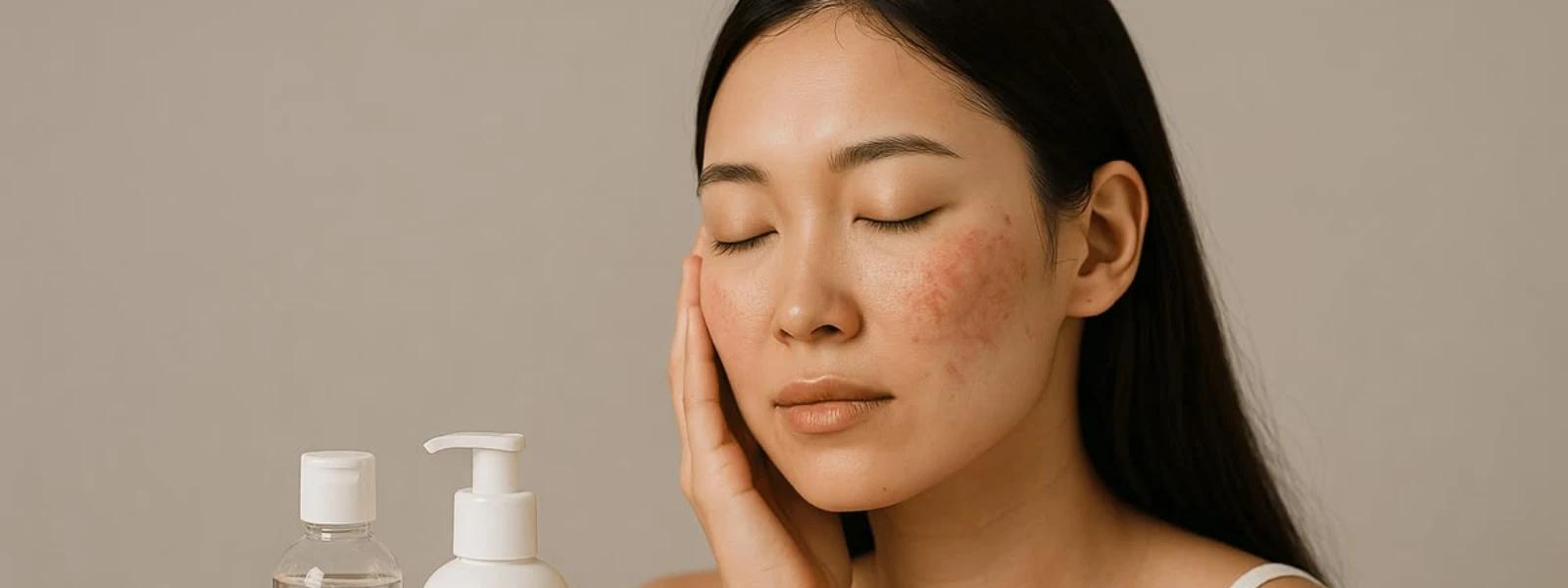
Melasma presents as brown or grey patches, commonly on the cheeks, forehead, and upper lip. It's often called the "pregnancy mask" because hormonal fluctuations trigger it. Sun spots appear as small, dark patches on areas frequently exposed to UV rays like your face, hands, and shoulders. Post-inflammatory hyperpigmentation shows up after acne, eczema, or any skin injury, appearing darker on deeper skin tones.
When at-home remedies aren't cutting it, professional treatments can provide the intensive pigmentation correction you need. Dermatologists have several powerful tools in their arsenal that can significantly improve uneven skin tone.
Chemical peels use acids like glycolic, lactic, or trichloroacetic acid to remove damaged skin layers, revealing brighter skin underneath. Light peels require minimal downtime but need multiple sessions, whilst deeper peels provide more dramatic results with longer recovery periods. Laser therapy targets melanin directly, breaking up pigmented cells so your body can naturally eliminate them. IPL (Intense Pulsed Light) works well for sun damage, whilst Q-switched lasers are excellent for stubborn age spots.
Microneedling creates tiny channels in your skin, allowing brightening serums to penetrate deeper whilst stimulating collagen production. When combined with vitamin C or kojic acid serums, it can be particularly effective for melasma treatment.
Professional treatments typically show initial results within 2-4 weeks, with optimal results appearing after 3-6 months. Most people need 3-6 sessions spaced 4-6 weeks apart. Costs range from ₹3,000-₹15,000 per session depending on the treatment type and clinic location.
Your bathroom cabinet can become a powerful ally in the fight against hyperpigmentation when you know which ingredients actually deliver results. The key is consistency and patience – these skin brightening heroes work gradually but effectively.

Mineral Sunscreen SPF 50 | Matte Finish | No White Cast | Non-Nano Zinc Oxide | Cica | Pregnancy Safe | All Skin Types | 50ml
Vitamin C is your morning brightening champion, inhibiting melanin production whilst providing antioxidant protection. Look for L-ascorbic acid concentrations between 10-20% for optimal results. Retinoids accelerate cell turnover, helping fade existing spots whilst preventing new ones. Start with retinol 2-3 times weekly and gradually increase frequency as your skin adapts.
Niacinamide offers gentle skin brightening without irritation, making it perfect for sensitive skin or those new to active ingredients. It works by inhibiting melanosome transfer and reducing inflammation. Alpha hydroxy acids (AHAs) like glycolic and lactic acid exfoliate the surface, revealing brighter skin underneath whilst improving product penetration.
Morning routines should focus on protection and gentle brightening. Start with a vitamin C serum, follow with niacinamide if your skin tolerates layering, moisturise, and always finish with SPF 30 or higher. Evening routines can handle stronger actives like retinoids or AHAs, but never use them together initially.
Introduce new ingredients gradually – start with 2-3 times weekly and monitor your skin's response. Always patch test new products on your inner arm for 24-48 hours before applying to your face.
One size definitely doesn't fit all when it comes to treating hyperpigmentation. Melanin-rich skin requires extra caution as it's more prone to post-inflammatory hyperpigmentation from aggressive treatments.
For deeper skin tones, gentle acids like lactic acid and mandelic acid are safer choices than glycolic acid. Kojic acid and arbutin provide effective brightening without the irritation risk of hydroquinone. Vitamin C remains excellent for all skin tones, but those with sensitive skin should opt for magnesium ascorbyl phosphate over L-ascorbic acid.
Hormonal hyperpigmentation like melasma requires a different approach. Since hormones trigger it, topical treatments work best when combined with sun protection and sometimes oral supplements like tranexamic acid (under dermatologist guidance).
Body skin is thicker and less sensitive than facial skin, allowing for stronger concentrations of active ingredients. Glycolic acid body lotions, retinol creams, and even hydroquinone (where legal) can be more effective on areas like elbows, knees, and underarms.
Whilst you can significantly fade existing dark spots, complete permanent removal isn't always possible, especially for genetic or hormonal pigmentation. However, with consistent treatment and sun protection, most people achieve 70-90% improvement. The key is maintaining your routine even after seeing results, as pigmentation can return without proper care.

Salicylic Acid Face Cleanser | Deep Cleansing Formula for Breakouts | Unclogs Pores & Controls Oil | For Oily & Acne-Prone Skin | 100ml
At-home treatments typically show initial improvements within 6-8 weeks, with significant results appearing after 3-6 months of consistent use. Professional treatments may show faster initial results but still require 3-6 months for optimal outcomes. Remember, skin cell turnover takes 28 days, so patience is essential.
Melasma appears as symmetrical patches triggered by hormones, whilst age spots are typically smaller, irregular spots caused by sun damage. Melasma often worsens with heat and hormonal changes, making it more challenging to treat. Age spots respond better to standard brightening treatments and professional procedures.
Some natural ingredients like vitamin E, green tea extract, and liquorice root extract have mild brightening properties, but they're significantly less effective than proven actives like vitamin C, retinoids, and AHAs. Natural remedies work best as supportive treatments alongside proven ingredients rather than standalone solutions.
Layering multiple actives requires caution to avoid irritation. Safe combinations include vitamin C with niacinamide (despite old myths), and AHAs with vitamin E. Avoid combining retinoids with AHAs initially, and never mix vitamin C with benzoyl peroxide. When in doubt, use different actives on alternating days.
This "purging" phase is normal with active ingredients like retinoids and AHAs. As cell turnover accelerates, deeper pigmentation rises to the surface before shedding off. This process typically lasts 4-6 weeks. However, if irritation or darkening persists beyond 8 weeks, discontinue use and consult a dermatologist.
SPF is absolutely crucial – without proper sun protection, you're essentially taking one step forward and two steps back. UV exposure not only creates new pigmentation but also darkens existing spots. Use broad-spectrum SPF 30 minimum daily, reapplying every 2 hours when outdoors.
Heavy, comedogenic makeup can clog pores and cause inflammation, potentially leading to post-inflammatory hyperpigmentation. However, makeup with SPF can actually help protect against UV-induced darkening. Choose non-comedogenic formulas and always remove makeup thoroughly before bed.

Hydrating Moisturizer | Non-Comedogenic | Boosts Collagen & Hydrates Deeply | Ceramides + Niacinamide | For Normal to Dry Skin | 50g
Prevention truly is better than cure when it comes to hyperpigmentation. Once you've invested time and effort into fading existing spots, protecting your progress becomes paramount.
Daily sun protection goes beyond just applying SPF. Seek shade during peak UV hours (10 AM-4 PM), wear wide-brimmed hats, and consider UV-protective clothing for extended outdoor activities. Antioxidant-rich serums containing vitamin C, vitamin E, and ferulic acid provide additional protection against environmental damage.
Address acne promptly to prevent post-inflammatory hyperpigmentation. Avoid picking at spots, use gentle cleansing techniques, and treat breakouts with appropriate ingredients like niacinamide or salicylic acid.
Stress, poor sleep, and inflammatory diets can worsen hormonal fluctuations that trigger melasma. Incorporating stress-reduction techniques, maintaining consistent sleep schedules, and eating antioxidant-rich foods support your skin's natural repair processes.
Understanding realistic timelines helps maintain motivation during your pigmentation correction journey. Week 1-2 focus on skin adjustment to new products. Week 3-6 may show initial brightening, especially around spot edges. Month 2-3 typically reveal significant fading of lighter spots, whilst deeper pigmentation begins showing improvement.
Month 4-6 often bring the most dramatic results, with many spots fading considerably. However, stubborn areas may require 6-12 months of consistent treatment. Document your progress with weekly photos in consistent lighting to track improvements that might not be obvious day-to-day.
Signs of improvement include spots becoming lighter, smaller, or less defined around edges. Worsening signs include increased darkness, irritation, or new spots forming. If you experience persistent irritation or no improvement after 3 months, consider consulting a dermatologist for professional guidance.
Your hyperpigmentation journey doesn't have to be a solo mission. Whether you're dealing with stubborn melasma, frustrating age spots, or post-acne marks, the right combination of ingredients, patience, and consistency can deliver remarkable results. Remember that effective skin brightening is a marathon, not a sprint – but every day of proper care brings you closer to the even-toned complexion you deserve.
The beauty of modern skincare lies in having options that suit every skin type, budget, and lifestyle. From gentle niacinamide for sensitive skin to powerful professional treatments for stubborn pigmentation, there's a solution that fits your needs. Platforms like Smytten Shop make it easier than ever to discover and try proven beauty treatments for hyperpigmentation from trusted brands, with the added benefit of cashback rewards and a community of 28M+ users sharing their real experiences.
Your skin has been through a lot, and it deserves the patience and care you're ready to give it. Trust the process, protect your progress with daily SPF, and celebrate the small victories along the way. Clear, radiant skin isn't just a dream – it's an achievable goal with the right knowledge and commitment.
