Hyperpigmentation Skincare Routine FAQ: Your Questions Answered


Target & Fade Duo for Hyperpigmentation | Even-Tone Underarms, Inner Thighs & Bum | Refines Skin Texture | For All Skin Types
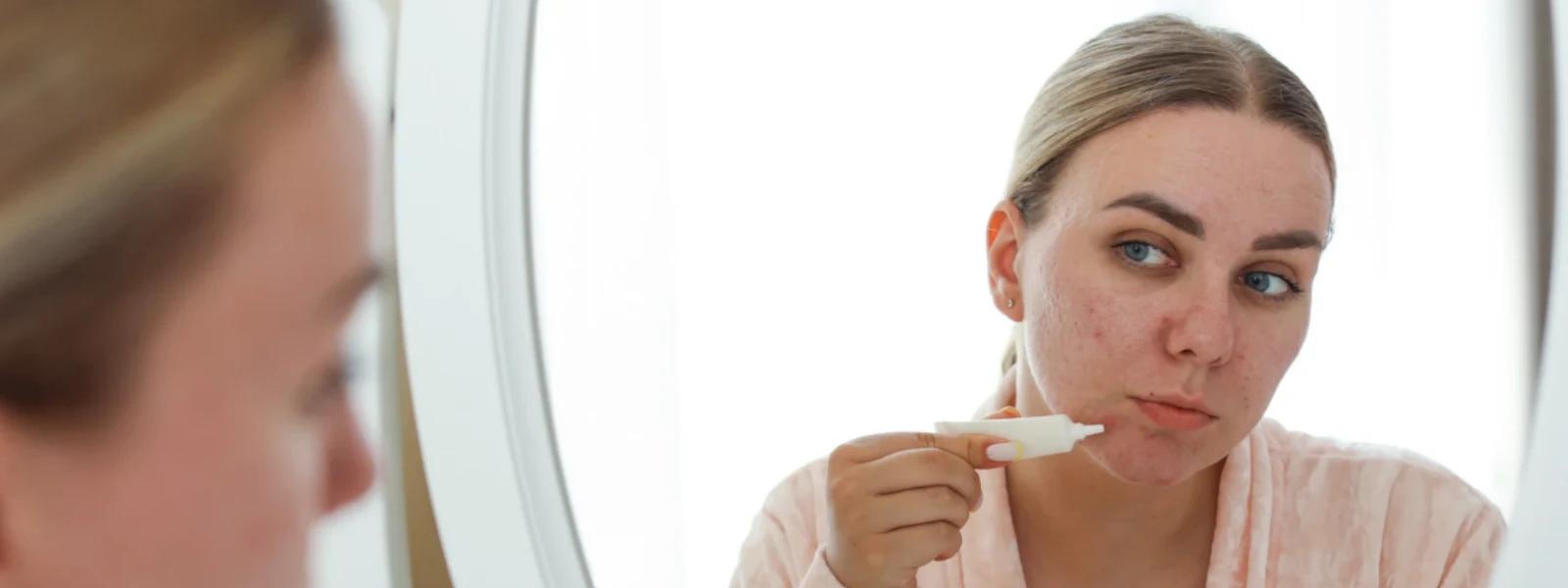
You've been diligently applying your skincare routine for months, yet those stubborn dark spots from last summer's breakouts refuse to budge. Sound familiar? If you're staring at your reflection wondering why your hyperpigmentation seems immune to every serum you've tried, you're not alone. The truth is, treating uneven skin tone requires more than wishful thinking and random product purchases—it demands a strategic, science-backed approach that addresses the root causes of skin discoloration.
Before diving into solutions, let's get clear on what we're actually dealing with. Hyperpigmentation isn't just one condition—it's an umbrella term for various types of skin discoloration that occur when melanin production goes into overdrive in specific areas of your skin.
Hyperpigmentation occurs when your skin produces excess melanin, the pigment responsible for your skin colour. Think of melanin as your skin's natural defence system—when it detects potential damage from UV rays, inflammation, or trauma, it rushes to protect the area by producing more pigment. Unfortunately, sometimes this protective response doesn't know when to stop, leaving you with dark spots long after the initial trigger has healed.
The most common types include melasma (those symmetrical patches often triggered by hormonal changes), sunspots (flat brown spots from UV damage), and post-inflammatory hyperpigmentation or PIH (the dark marks left behind after acne or other skin trauma). Each type requires a slightly different approach, which explains why that one-size-fits-all brightening serum might not be delivering the results you're after.
Understanding what triggers your specific type of skin pigmentation is crucial for effective treatment. UV damage remains the primary culprit—those seemingly harmless lunch breaks in the sun without proper SPF can accumulate into visible sunspots over time. Hormonal fluctuations, particularly during pregnancy or when starting new contraceptives, can trigger melasma that appears as brown patches across the cheeks and forehead.
Inflammation from acne, picking at spots, or even aggressive skincare treatments can lead to PIH, especially in deeper skin tones. Age also plays a role, as our skin's natural repair mechanisms slow down, making it harder to fade existing pigmentation whilst becoming more susceptible to new damage.
Here's the real talk: most standard skincare routines aren't designed to tackle hyperpigmentation effectively. They might include a vitamin C serum or gentle exfoliant, but they lack the targeted approach needed for serious skin brightening. Without consistent use of proven actives like retinoids, adequate sun protection, or proper ingredient layering, you're essentially hoping your dark spots will fade on their own—which rarely happens.
Now for the good news: there are genuinely effective ingredients for treating hyperpigmentation, backed by solid research and real results. The key is understanding how each one works and incorporating them strategically into your routine.

Mineral Sunscreen SPF 50 | Matte Finish | No White Cast | Non-Nano Zinc Oxide | Cica | Pregnancy Safe | All Skin Types | 50ml
Vitamin C deserves its reputation as a skin brightening superstar. This antioxidant doesn't just protect against environmental damage—it actively inhibits tyrosinase, the enzyme responsible for melanin production. Look for stable forms like magnesium ascorbyl phosphate or sodium ascorbyl phosphate, which are less likely to oxidise and irritate sensitive skin.
Retinoids work by accelerating cell turnover, essentially helping your skin shed pigmented cells faster whilst promoting the growth of new, evenly-toned skin. Whether you opt for prescription tretinoin or over-the-counter retinol, consistency is key—and always start slowly to build tolerance.
Niacinamide is the gentle giant of hyperpigmentation treatment. This form of vitamin B3 reduces inflammation, strengthens the skin barrier, and has been shown to decrease melanin transfer to skin cells. It's particularly brilliant for those with sensitive skin who can't tolerate stronger actives.
AHAs like glycolic and lactic acid provide gentle exfoliation that helps fade surface-level pigmentation whilst improving overall skin texture. They're particularly effective for acne scars and age-related pigmentation.
For stubborn pigmentation that doesn't respond to first-line treatments, consider these targeted ingredients. Alpha arbutin is a gentler alternative to hydroquinone that inhibits melanin production without the potential side effects. Kojic acid, derived from fungi, has been used in Japanese skincare for centuries and works similarly to hydroquinone but with better tolerance.
Tranexamic acid has gained attention for its effectiveness in treating melasma, working by reducing inflammation and inhibiting melanin synthesis. Azelaic acid offers a multi-pronged approach, providing gentle exfoliation, anti-inflammatory benefits, and melanin inhibition—making it ideal for sensitive skin types.
The art of treating hyperpigmentation lies in smart layering. Vitamin C pairs beautifully with niacinamide and sunscreen in morning routines, whilst retinoids work best at night alongside hydrating ingredients like hyaluronic acid. However, avoid using AHAs and retinoids simultaneously initially, as this can lead to irritation that actually worsens pigmentation.
Your morning routine sets the foundation for both protection and active treatment. The goal is to shield your skin from further damage whilst delivering brightening actives that work throughout the day.

Salicylic Acid Face Cleanser | Deep Cleansing Formula for Breakouts | Unclogs Pores & Controls Oil | For Oily & Acne-Prone Skin | 100ml
Start with a gentle cleanser that removes overnight buildup without stripping your skin's natural barrier. Follow with a pH-balancing toner if your skin tends to be reactive—this creates the optimal environment for active ingredients to penetrate effectively.
Your vitamin C serum comes next, applied to clean, dry skin. Wait a few minutes for absorption before layering your hydrating moisturiser, which seals in the active ingredients whilst providing essential barrier support. Finally, apply a broad-spectrum SPF 30 or higher—this step is absolutely non-negotiable for anyone serious about fading dark spots.
Oily skin benefits from lightweight, gel-based formulations that won't clog pores or feel heavy under makeup. Look for niacinamide-containing products that help regulate sebum production whilst treating pigmentation. Dry skin types need cream-based products with ceramides and hyaluronic acid to maintain hydration levels whilst delivering actives.
Sensitive skin requires fragrance-free formulations with minimal ingredient lists. Start with lower concentrations of actives and gradually increase as tolerance builds. For darker skin tones, zinc oxide-based sunscreens often provide better protection without leaving a white cast.
Your evening routine is where the real magic happens. This is when you can use stronger actives and focus on repair and regeneration without worrying about sun sensitivity.
Begin with a thorough double cleanse to remove sunscreen, makeup, and daily buildup. This ensures your treatment products can penetrate effectively. Two to three times weekly, incorporate gentle exfoliation with AHAs or BHAs to accelerate cell turnover and enhance the penetration of subsequent products.
Apply your targeted dark spot correctors or brightening serums to clean skin, focusing on areas of concern. If you're using retinoids, apply them after your treatment serums but before moisturiser. Always finish with a barrier-repair moisturiser that supports overnight healing and prevents irritation from active ingredients.
Consider incorporating weekly treatments like at-home chemical peels for accelerated results, though always patch test first and start with lower concentrations. Hydrating masks can provide essential barrier support, especially important when using multiple actives. For stubborn spots, targeted treatments with higher concentrations of brightening ingredients can be applied directly to affected areas.

Hydrating Moisturizer | Non-Comedogenic | Boosts Collagen & Hydrates Deeply | Ceramides + Niacinamide | For Normal to Dry Skin | 50g
Realistic expectations are crucial for success. Most people begin noticing improvements in skin discoloration after 6-8 weeks of consistent use, with significant results typically visible after 12-16 weeks. Factors like the depth of pigmentation, skin type, and consistency of routine application all affect the timeline. Surface-level pigmentation responds faster than deeper melasma or long-standing sunspots.
The most effective hyperpigmentation skincare routine combines morning protection with evening treatment. Morning should include vitamin C, moisturiser, and broad-spectrum SPF, whilst evening focuses on retinoids, targeted brightening serums, and barrier repair. Consistency trumps expensive products—a simple routine followed religiously will outperform an elaborate one used sporadically.
Yes, but timing matters. Use vitamin C in the morning for antioxidant protection and retinol at night for cell turnover acceleration. If you prefer using both in the evening, apply vitamin C first, wait 20-30 minutes, then apply retinol. Start slowly and monitor for irritation, as some skin types may find this combination too stimulating initially.
For most skin types, exfoliating 2-3 times weekly with AHAs provides optimal results without irritation. Oily skin may tolerate daily gentle exfoliation, whilst sensitive skin should start with once weekly and gradually increase frequency. Over-exfoliation can actually worsen hyperpigmentation by causing inflammation, so less is often more.
Several factors can worsen existing pigmentation. Inadequate sun protection is the most common culprit—even brief UV exposure can darken treated spots. Inflammatory responses to new products, picking at healing skin, or hormonal fluctuations can also intensify skin discoloration. If spots are darkening despite proper care, consult a dermatologist to rule out underlying conditions.
Sunspots appear as discrete, well-defined brown patches typically on sun-exposed areas like hands, face, and shoulders. Melasma presents as larger, symmetrical patches with irregular borders, often across the cheeks, forehead, and upper lip. Melasma is primarily hormone-driven and may worsen with sun exposure, whilst sunspots are purely UV-damage related.
Treating hyperpigmentation successfully requires patience, consistency, and the right combination of ingredients for your specific skin type and concerns. Remember that this journey isn't about achieving perfection overnight—it's about gradually improving your skin's overall tone and texture whilst preventing future damage.
The beauty of a well-structured hyperpigmentation skincare routine is that it not only addresses existing dark spots but also improves your skin's overall health and resilience. With platforms like Smytten Shop, you can explore curated selections of proven brightening products from trusted brands, often with the added benefit of trying samples before committing to full sizes—particularly valuable when building a new routine.
Your skin's journey is unique, and what works brilliantly for others might need tweaking for your specific needs. Trust the process, stay consistent with your routine, and remember that the most effective skin brightening approach is one you can maintain long-term. With the right ingredients, proper application, and realistic expectations, achieving a more even, radiant complexion is absolutely within reach.
