Hyperpigmentation Reduction FAQ: Your Questions Answered


Target & Fade Duo for Hyperpigmentation | Even-Tone Underarms, Inner Thighs & Bum | Refines Skin Texture | For All Skin Types
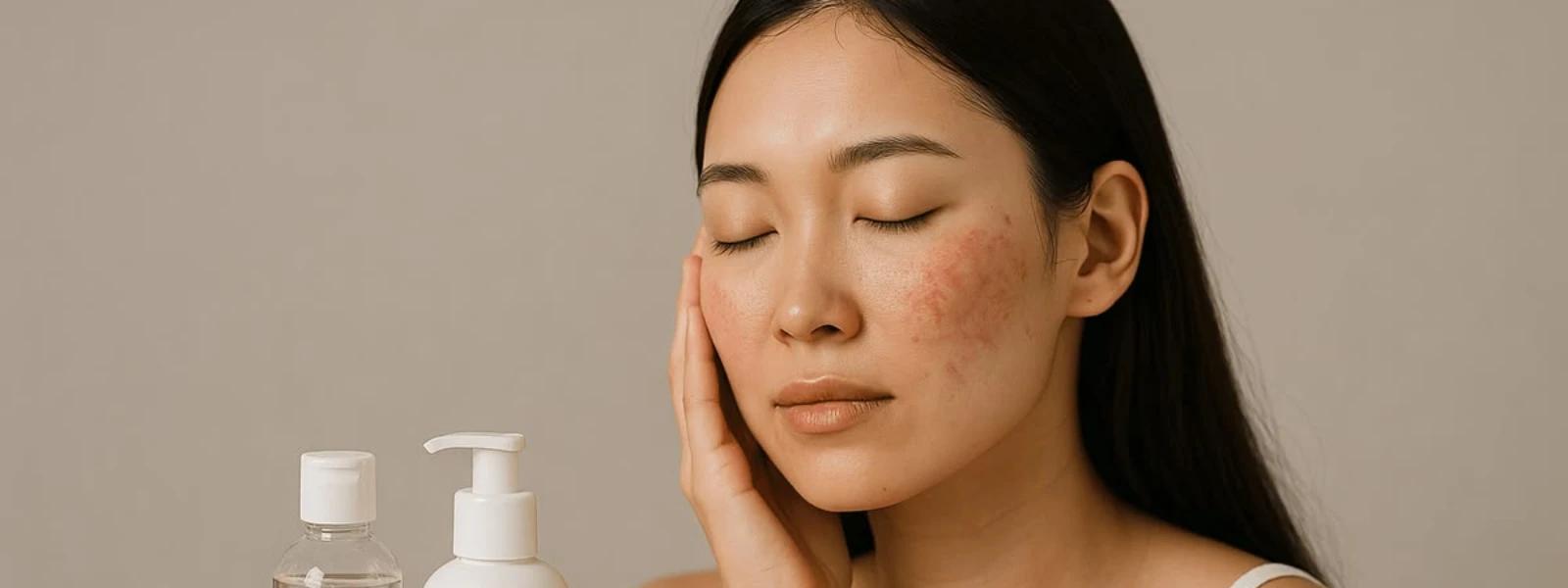
You've been staring at that stubborn dark spot on your cheek for months now, wondering if it'll ever fade. Or perhaps you've noticed your skin looking patchy after a particularly sunny holiday, leaving you with uneven patches that no amount of concealer seems to cover. If you're dealing with hyperpigmentation, you're definitely not alone. From post-acne marks to sun damage, skin discolouration affects people of all ages and skin tones. The good news? There are proven ways to address these concerns, and we're here to answer all your burning questions about hyperpigmentation reduction.
Hyperpigmentation occurs when your skin produces excess melanin, the pigment responsible for your skin colour. Think of it as your skin's overenthusiastic response to various triggers, creating those darker patches that seem to appear overnight but take forever to fade.
The most common types include age spots (those flat brown spots that appear with time), sun spots from UV damage, melasma (often triggered by hormonal changes), and post-inflammatory hyperpigmentation that follows acne or skin injuries. Each type has its own personality and requires slightly different approaches for effective treatment.
Several factors contribute to skin discolouration. UV exposure is the biggest culprit, triggering melanin production as your skin tries to protect itself. Hormonal fluctuations during pregnancy or whilst taking contraceptives can spark melasma. Even that innocent habit of picking at spots can lead to dark marks that linger for months. Genetics also play a role – some people are simply more prone to developing pigmentation issues than others.
When it comes to tackling hyperpigmentation treatment, you have two main paths: professional treatments and at-home solutions. Both have their place in an effective strategy, and often the best results come from combining approaches.
Professional treatments offer the most dramatic results for dark spot removal. Laser therapies like IPL and PicoSure target melanin directly, breaking down pigment clusters beneath the skin's surface. Chemical peels using glycolic acid or TCA remove damaged skin layers, revealing brighter skin underneath. These treatments typically require 8-12 weeks to show significant results, with costs ranging from ₹5,000 to ₹25,000 per session depending on the treatment type and clinic location.
Your daily skincare routine forms the foundation of any pigmentation correction strategy. Topical treatments with proven ingredients can gradually fade dark spots over time. The key is consistency and patience – at-home treatments work more slowly than professional options but offer the advantage of being gentler and more affordable. Building an effective routine means layering products correctly and giving each ingredient time to work its magic.

Mineral Sunscreen SPF 50 | Matte Finish | No White Cast | Non-Nano Zinc Oxide | Cica | Pregnancy Safe | All Skin Types | 50ml
Not all skin brightening ingredients are created equal. Some have decades of research backing their effectiveness, whilst others are newer players showing promising results.
Hydroquinone remains the gold standard for melanin reduction, available in 2-4% concentrations for stubborn pigmentation. Vitamin C works as both an antioxidant and melanin inhibitor, making it perfect for prevention and treatment. Retinoids accelerate cell turnover, helping fade existing spots whilst preventing new ones. Kojic acid, derived from fungi, naturally inhibits tyrosinase, the enzyme responsible for melanin production.
For sensitive skin or those seeking gentler options, niacinamide reduces pigment transfer between cells without irritation. Tranexamic acid is a newer ingredient showing excellent results for melasma and general discolouration. Azelaic acid combines anti-inflammatory properties with brightening effects, making it ideal for post-acne pigmentation.
Your skin tone and type significantly influence which treatments will work best for your hyperpigmentation reduction journey.
Melanin-rich skin requires extra caution when treating pigmentation. Aggressive treatments can sometimes worsen discolouration or create new dark spots. Korean skincare's gentle layering approach often works beautifully for darker complexions, using multiple mild ingredients rather than one harsh treatment. Professional treatments like certain lasers may not be suitable, so always consult a dermatologist experienced with your skin tone.
Facial hyperpigmentation often responds well to vitamin C serums and gentle acids, whilst body pigmentation may require stronger formulations due to thicker skin. Delicate areas like the under-eyes need specially formulated products that won't cause irritation or sensitivity.

Salicylic Acid Face Cleanser | Deep Cleansing Formula for Breakouts | Unclogs Pores & Controls Oil | For Oily & Acne-Prone Skin | 100ml
Understanding the timeline for fade dark spots helps set realistic expectations and maintain motivation throughout your treatment journey.
During weeks 1-4, focus on building tolerance to new ingredients and establishing your routine. Month 2-3 typically brings the first visible signs of improvement – spots may appear lighter or less defined. Significant changes in uneven skin tone usually become apparent around month 6-12 with consistent treatment.
Several factors affect how quickly you'll see results. Deeper pigmentation takes longer to fade than surface-level discolouration. Your skin type, age, and the consistency of your routine all play crucial roles. Sometimes adjusting your approach – perhaps adding a new ingredient or increasing frequency – can accelerate progress.
No hyperpigmentation treatment will succeed without proper sun protection. Daily SPF 30+ broad-spectrum protection is non-negotiable, even on cloudy days or when staying indoors near windows.
Physical barriers like wide-brimmed hats and protective clothing provide additional defence during peak UV hours (10 AM - 4 PM). After professional treatments, your skin becomes more photosensitive, making sun protection even more critical. Remember, preventing new dark spots whilst treating existing ones is key to long-term success.
Professional treatments like Cosmelan peels or PicoSure laser offer the quickest results, often showing improvement within 7-14 days. However, even the fastest treatments require 6-8 weeks for significant changes. At-home treatments with proven ingredients like vitamin C and retinoids provide gradual but effective results over 3-6 months.
Whilst existing dark spots can fade significantly or disappear completely, hyperpigmentation is better viewed as a manageable condition rather than something permanently "cured." Your skin will always be capable of producing excess melanin in response to triggers like sun exposure or inflammation. Maintenance routines help prevent new spots and keep existing ones from returning.

Hydrating Moisturizer | Non-Comedogenic | Boosts Collagen & Hydrates Deeply | Ceramides + Niacinamide | For Normal to Dry Skin | 50g
Natural ingredients like vitamin C from citrus fruits, kojic acid from rice, and liquorice root extract have proven brightening properties. However, natural doesn't always mean effective or safe. DIY treatments often lack the concentration and stability needed for significant results. For best outcomes, look for professionally formulated products containing these natural ingredients at effective concentrations.
Korean skincare emphasises gentle, multi-step layering using mild ingredients like niacinamide, vitamin C, and fermented extracts. This approach focuses on gradual improvement through consistent use of multiple products rather than relying on one strong treatment. Popular K-beauty ingredients include tranexamic acid, alpha arbutin, and rice water extracts.
Several factors can slow progress: using products inconsistently, not protecting skin from sun exposure, choosing inappropriate treatments for your skin type, or having unrealistic timeline expectations. Some pigmentation sits deeper in the skin and requires professional treatment. If you've been consistent for 3-4 months without improvement, consider consulting a dermatologist.
Yes, but timing and compatibility matter. Vitamin C works well with niacinamide and hyaluronic acid. Retinoids should be used separately from acids to avoid irritation. Always introduce new ingredients gradually and consider consulting a skincare professional when combining multiple active ingredients.
Sometimes, yes. Treatments like chemical peels or retinoids can initially bring deeper pigmentation to the surface, making spots appear darker temporarily. This usually resolves within 2-4 weeks as the skin continues to renew itself. However, if darkening persists or worsens, discontinue use and consult a professional.
Treating hyperpigmentation successfully requires patience, consistency, and the right combination of ingredients for your skin type. Whether you choose professional treatments, at-home solutions, or a combination of both, remember that results take time – typically 3-6 months for significant improvement.
The most effective approach combines proven ingredients like vitamin C, retinoids, and niacinamide with religious sun protection. For those exploring new products and treatments, platforms like Smytten Shop offer access to premium skincare brands with the advantage of trying samples before committing to full sizes. With over 28 million users discovering their perfect skincare matches, you can explore curated selections of brightening products whilst earning cashback on your purchases.
Remember, your skin's journey is unique. What works brilliantly for your friend might need adjusting for your skin type and concerns. Stay consistent, protect your skin from further damage, and celebrate the gradual improvements along the way. Your patience and dedication will pay off with clearer, more even-toned skin.
