Hyperpigmentation Indian Skin FAQ: Causes & Remedies


Target & Fade Duo for Hyperpigmentation | Even-Tone Underarms, Inner Thighs & Bum | Refines Skin Texture | For All Skin Types
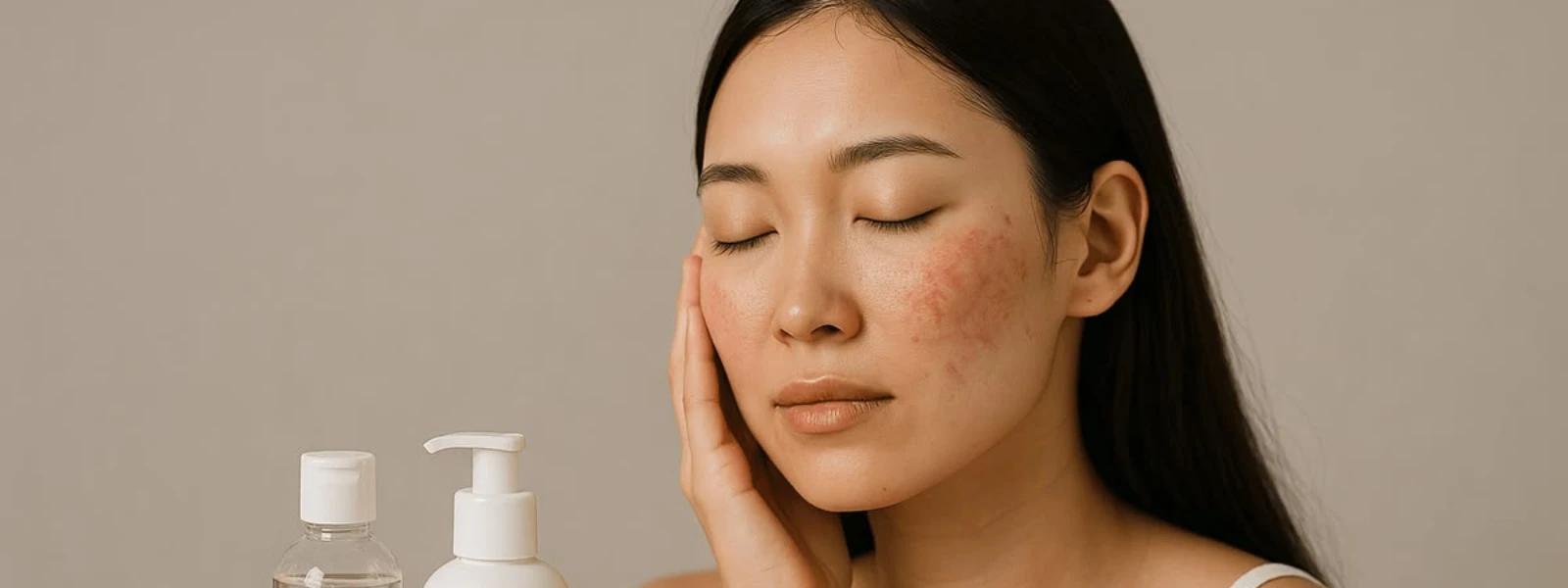
You've noticed those stubborn dark patches on your cheeks that seem to darken every summer, or perhaps those acne marks that refuse to fade months after your skin cleared up. If you're dealing with hyperpigmentation, you're not alone—and there's a reason why Indian skin seems particularly prone to these concerns. Let's dive into the science behind why this happens and what you can actually do about it.
Hyperpigmentation occurs when your skin produces excess melanin—the pigment responsible for your skin colour. Think of melanin as your skin's natural defence system, but sometimes it goes into overdrive, creating those uneven patches we'd rather not have.
Indian skin has a unique relationship with melanin production. Our melanocytes (the cells that produce melanin) are naturally more active compared to lighter skin tones, which means we're more efficient at producing pigment. This evolutionary advantage protected our ancestors from harsh UV rays, but it also means we're more susceptible to skin discoloration when these cells get triggered.
The most common types of hyperpigmentation affecting Indian skin include melasma (those symmetrical patches often called the "pregnancy mask"), post-inflammatory hyperpigmentation (PIH) from acne or injuries, and solar lentigines (age spots from sun damage). Each type has distinct characteristics, but they all share the same root cause: overactive melanin production.
What makes this particularly relevant for Indian skin is that our higher melanin content means these dark spots tend to be more pronounced and can take longer to fade naturally. The good news? This same melanin also provides us with better natural sun protection than lighter skin tones.
Understanding why hyperpigmentation happens to Indian skin starts with recognising the main triggers that send our melanocytes into overdrive. Let's break down the most common culprits.
The Indian subcontinent's intense UV radiation is perhaps the biggest factor in pigmentation causes Indian skin faces. Our year-round exposure to strong sunlight, particularly UV-A rays that penetrate deeper into the skin, constantly stimulates melanin production.
Unlike the seasonal sun exposure in temperate climates, Indian skin deals with consistent UV bombardment. This means even brief periods without proper sun protection can trigger new dark spots or darken existing ones. The UV-A rays are particularly problematic because they can penetrate glass and clouds, making indoor workers and those who think they're protected still vulnerable to skin discoloration.
Hormonal fluctuations are major pigmentation causes Indian women experience, particularly during pregnancy, while taking birth control pills, or dealing with PCOS. These hormonal changes can trigger melasma, which appears as symmetrical brown patches typically on the cheeks, forehead, and upper lip.
Indian skin seems particularly susceptible to hormonal melasma, possibly due to genetic factors and the interaction between our naturally active melanocytes and hormonal triggers. This type of hyperpigmentation can be stubborn and often requires a combination approach to manage effectively.

Mineral Sunscreen SPF 50 | Matte Finish | No White Cast | Non-Nano Zinc Oxide | Cica | Pregnancy Safe | All Skin Types | 50ml
Any inflammation or injury to Indian skin can result in dark spots that linger long after the initial problem heals. This includes acne breakouts, cuts, burns, or even aggressive skincare treatments. Our skin's robust inflammatory response, while excellent for healing, often leaves behind excess melanin as a "memory" of the trauma.
PIH is particularly common in Indian skin because our melanocytes are quick to respond to any inflammatory signal. Even minor irritations like harsh scrubbing or using products with high concentrations of active ingredients can trigger this response.
The answer to why does hyperpigmentation happen to Indian skin more frequently lies in our genetic makeup and environmental factors. Indian skin typically falls into Fitzpatrick skin types III-V, which means we have more active melanocytes and a greater capacity for melanin production.
Our melanocytes are not only more numerous but also more reactive to triggers like UV exposure, inflammation, and hormonal changes. This heightened sensitivity means that what might cause mild tanning in lighter skin types can result in significant hyperpigmentation in Indian skin.
Additionally, the Indian climate presents unique challenges. High humidity combined with intense sun exposure creates an environment where skin discoloration can develop and persist. The constant heat and humidity can also increase inflammation, which further contributes to uneven skin tone.
Genetic factors also play a role. Research suggests that certain genetic variations common in South Asian populations affect how our skin responds to UV damage and inflammation, making us more prone to developing and retaining hyperpigmentation.
Treating hyperpigmentation Indian skin requires a thoughtful approach that respects our skin's unique characteristics while effectively addressing the excess melanin production.
Vitamin C serums are excellent for Indian skin because they not only help fade existing dark spots but also prevent new ones from forming. Look for stable forms like magnesium ascorbyl phosphate or sodium ascorbyl phosphate, which are less likely to cause irritation.
Niacinamide is particularly effective for treating hyperpigmentation Indian skin because it works gently to regulate melanin production without causing irritation. It's also excellent for managing oil production and improving overall skin texture.
Retinoids can be highly effective but require careful introduction in Indian skin. Start with lower concentrations and use them every other night initially. They work by increasing cell turnover, helping to shed pigmented cells more quickly.
Chemical peels using glycolic acid or lactic acid can be effective for Indian skin, but they must be performed by experienced professionals who understand how to avoid post-inflammatory hyperpigmentation.

Salicylic Acid Face Cleanser | Deep Cleansing Formula for Breakouts | Unclogs Pores & Controls Oil | For Oily & Acne-Prone Skin | 100ml
Laser treatments require special consideration for Indian skin tones. Q-switched lasers and fractional lasers can be effective when used by practitioners experienced with darker skin types. However, there's always a risk of causing more pigmentation if not done correctly.
When building a routine for treating hyperpigmentation Indian skin, certain ingredients have proven particularly effective for our skin type.
Kojic acid is a gentle alternative to hydroquinone that works well for Indian skin. It inhibits melanin production without the potential side effects associated with stronger bleaching agents.
Arbutin is another excellent option for skin brightening Indian skin tones. It's derived from bearberry and works by slowly releasing hydroquinone in small, controlled amounts.
Azelaic acid is particularly beneficial because it addresses both hyperpigmentation and acne, making it ideal for those dealing with both concerns simultaneously.
For those exploring options, platforms like Smytten Shop offer curated selections of products specifically chosen for Indian skin concerns, allowing you to try different formulations before committing to full sizes.
Preventing hyperpigmentation is often easier than treating it. For Indian skin, this means being particularly vigilant about sun protection and gentle skincare practices.
Daily SPF use is non-negotiable, even indoors. Look for broad-spectrum sunscreens with at least SPF 30, and reapply every two hours when outdoors. Physical sunscreens with zinc oxide or titanium dioxide are often better tolerated by sensitive Indian skin.
Avoid aggressive scrubbing or harsh treatments that can trigger inflammation. Indian skin responds better to consistent, gentle care than sporadic intensive treatments.
Managing stress and maintaining hormonal balance through proper sleep, nutrition, and exercise can also help prevent hormonally-triggered hyperpigmentation.
Indian skin typically takes 3-6 months to show significant improvement in hyperpigmentation. This is because our skin's natural cell turnover cycle is about 28 days, and it takes several cycles for pigmented cells to be shed and replaced with new, evenly-toned cells. Patience and consistency are key to seeing results.

Hydrating Moisturizer | Non-Comedogenic | Boosts Collagen & Hydrates Deeply | Ceramides + Niacinamide | For Normal to Dry Skin | 50g
While some home remedies like turmeric masks or lemon juice are popular, they're generally not as effective as proven skincare ingredients for treating hyperpigmentation Indian skin. Some home remedies can even cause irritation or worsen pigmentation. It's better to stick with scientifically-proven ingredients like vitamin C, niacinamide, and proper sun protection.
Hyperpigmentation is not permanent, but it can be persistent in Indian skin due to our active melanocytes. With proper treatment and sun protection, most types of hyperpigmentation can be significantly improved or completely resolved. However, melasma can be more challenging and may require ongoing management.
Melasma appears as symmetrical patches, usually on both sides of the face, and is primarily triggered by hormonal changes. General hyperpigmentation can appear anywhere and is usually caused by sun damage, acne, or other inflammatory conditions. Melasma is typically more challenging to treat and often requires a combination approach.
High concentrations of glycolic acid or aggressive retinoids can sometimes worsen hyperpigmentation in Indian skin if not used properly. Always start with lower concentrations and patch test new products. Avoid DIY treatments with lemon juice or baking soda, which can cause irritation and worsen pigmentation.
As we age, our skin's ability to repair itself slows down, making hyperpigmentation more persistent. Additionally, years of cumulative sun exposure mean that age spots become more common in Indian skin after age 40. However, with proper care and treatment, age-related hyperpigmentation can still be effectively managed.
Understanding why hyperpigmentation happens to Indian skin is the first step towards effectively managing it. Our skin's unique characteristics—while making us more prone to hyperpigmentation—also give us natural advantages like better sun protection and resilience.
The key to treating hyperpigmentation Indian skin lies in patience, consistency, and using the right combination of ingredients for your specific concerns. Whether you're dealing with post-acne marks, melasma, or sun damage, there are effective treatments available.
Remember that skincare is a journey, not a destination. With platforms like Smytten Shop offering access to premium brands and the ability to try products before committing, you can build a routine that works specifically for your Indian skin needs. The 28M+ users on the platform have found their perfect matches through this try-before-you-buy approach, making it easier to discover what works for your unique skin concerns.
Your skin will notice the difference when you treat it with understanding and the right products. Real talk: hyperpigmentation may be common in Indian skin, but it's absolutely manageable with the right approach and patience.
