Hyperpigmentation FAQ: Your Guide to Fading Dark Spots


Target & Fade Duo for Hyperpigmentation | Even-Tone Underarms, Inner Thighs & Bum | Refines Skin Texture | For All Skin Types
That stubborn dark spot from last summer's holiday burn is still staring back at you in the mirror. Or perhaps it's those acne marks that refuse to budge, despite trying countless products promising overnight miracles. Hyperpigmentation affects nearly everyone at some point, yet the journey to clearer, more even skin feels overwhelming with conflicting advice everywhere you turn. Real talk: fading dark spots takes patience, the right ingredients, and a proper understanding of what's actually happening beneath your skin's surface.
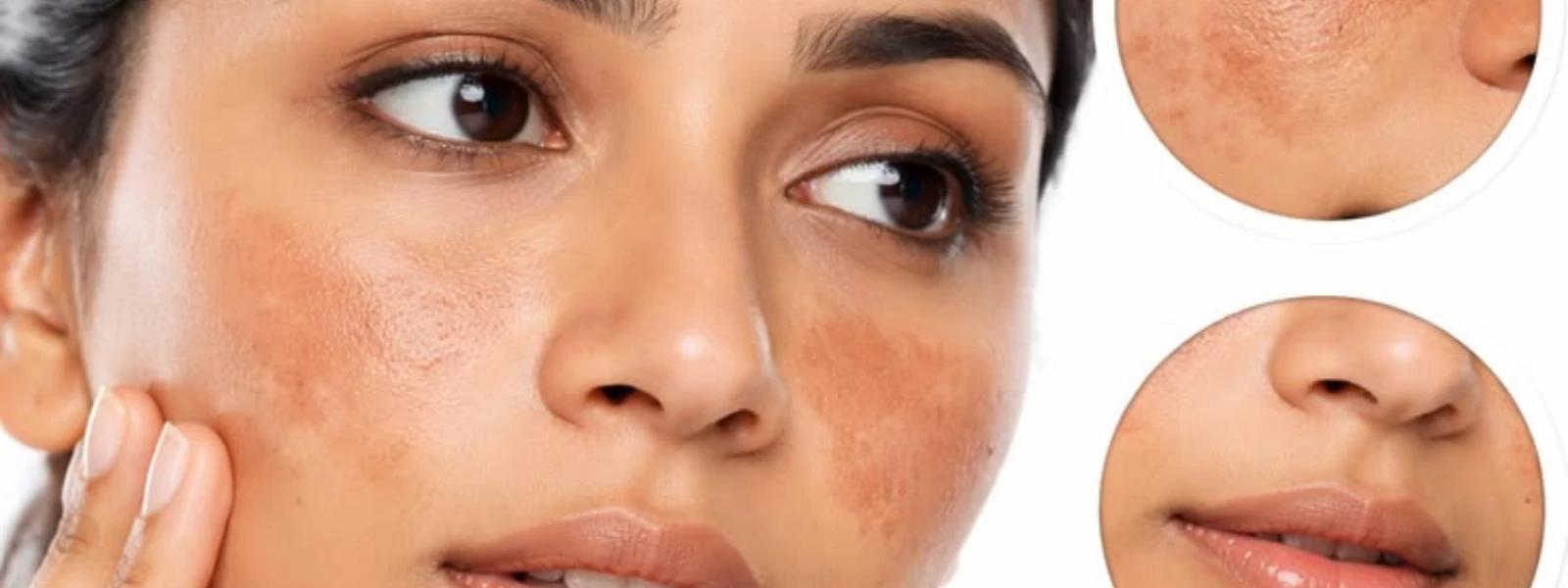
Hyperpigmentation occurs when your skin produces excess melanin in specific areas, creating those frustrating patches that seem darker than your natural skin tone. Think of melanin as your skin's natural protection system - it ramps up production when it senses damage or inflammation, but sometimes it gets a bit overzealous and doesn't know when to stop.
The most common types you'll encounter include post-inflammatory hyperpigmentation (those marks left behind after spots), melasma (often triggered by hormonal changes), and sun spots from years of UV exposure. Each type behaves differently and responds to various treatments at different rates.
If you have medium to deeper skin tones, you're naturally more susceptible to skin discoloration because your melanocytes (melanin-producing cells) are more reactive. This isn't a flaw - it's actually your skin's enhanced protection system. However, it means you need gentler, more targeted approaches to fade dark spots without triggering further pigmentation.
Understanding whether your pigmentation sits in the epidermis (surface) or dermis (deeper layers) helps determine which treatments will work best. Surface-level discolouration typically responds well to topical treatments, whilst deeper pigmentation often requires professional intervention for significant improvement.
When it comes to hyperpigmentation treatment, certain ingredients have decades of research backing their effectiveness. The key is understanding how each works and finding the right combination for your skin's needs.
Hydroquinone remains the most researched melanin inhibitor, working by blocking the enzyme tyrosinase that's essential for melanin production. Available in 2% concentrations over-the-counter, it's particularly effective for stubborn melasma and age spots. However, it requires careful use and isn't suitable for long-term application.
Vitamin C offers dual benefits - it interrupts melanin synthesis whilst providing antioxidant protection against future damage. L-ascorbic acid in 10-20% concentrations shows the most dramatic results, though magnesium ascorbyl phosphate works brilliantly for sensitive skin types.
Retinoids accelerate cell turnover, helping pigmented cells shed faster whilst preventing new dark spots from forming. Start with retinyl palmitate or granactive retinoid if you're new to this ingredient family.
Niacinamide works by interrupting the transfer of melanin from melanocytes to skin cells. At 5-10% concentrations, it's incredibly well-tolerated and perfect for daily use alongside other actives.
Azelaic acid offers gentle pigmentation correction whilst being safe for darker skin tones and pregnancy. It works particularly well for acne-related pigmentation since it addresses both the spots and the marks they leave behind.
Tranexamic acid has gained attention for its effectiveness against melasma, working by reducing inflammation that triggers excess melanin production. It's particularly useful for hormonal pigmentation that doesn't respond well to other treatments.

Mineral Sunscreen SPF 50 | Matte Finish | No White Cast | Non-Nano Zinc Oxide | Cica | Pregnancy Safe | All Skin Types | 50ml
When topical treatments aren't providing the results you're after, professional interventions can offer more dramatic dark spot removal. These treatments work by either removing pigmented skin layers or breaking down melanin deposits directly.
TCA peels penetrate deeper than glycolic acid options, making them excellent for stubborn age spot treatment. However, they require proper aftercare and aren't suitable for all skin tones. Glycolic acid peels offer gentler resurfacing with minimal downtime, perfect for surface-level pigmentation.
The key with chemical peels is starting conservatively and building up intensity based on your skin's response. Most people see significant improvement after 3-6 sessions spaced 4-6 weeks apart.
Q-switched Nd:YAG lasers target melanin deposits without damaging surrounding tissue, making them safe for darker skin tones. They're particularly effective for sun spot removal and can show results after just one session.
IPL (Intense Pulsed Light) works well for surface-level pigmentation and overall skin tone improvement. However, it's not suitable for darker skin tones as it can cause paradoxical hyperpigmentation.
Microneedling creates controlled micro-injuries that stimulate collagen production whilst allowing better penetration of topical brightening ingredients. When combined with vitamin C or tranexamic acid, it can significantly accelerate pigmentation correction results.
Whilst professional treatments offer faster results, natural approaches can provide gentle skin brightening for those preferring a more conservative route or dealing with sensitive skin.
Aloe vera contains aloin, a compound that can help fade dark spots gradually. Fresh aloe gel applied twice daily shows modest improvement over 8-12 weeks, particularly for post-inflammatory pigmentation.
Licorice root extract contains glabridin, which inhibits tyrosinase activity. Korean skincare has long utilised this ingredient for its gentle brightening properties without irritation.
Green tea provides antioxidant protection whilst reducing inflammation that can trigger excess melanin production. Cooled green tea compresses can soothe irritated skin whilst providing gentle brightening benefits.
Natural ingredients work more slowly than synthetic actives, typically requiring 3-6 months of consistent use to see noticeable improvement. They're excellent for maintenance and prevention but may not provide dramatic results for established pigmentation.

Salicylic Acid Face Cleanser | Deep Cleansing Formula for Breakouts | Unclogs Pores & Controls Oil | For Oily & Acne-Prone Skin | 100ml
Building an effective routine to fade dark spots requires strategic layering of ingredients and consistent application. The goal is maximum efficacy whilst maintaining your skin's barrier function.
Start with a gentle cleanser that won't strip your skin's natural oils. Follow with a vitamin C serum applied to clean, dry skin. Allow it to absorb for 10-15 minutes before applying a lightweight moisturiser.
The most crucial step is broad-spectrum SPF 30 or higher. Look for tinted options if you're concerned about white cast on deeper skin tones. Zinc oxide and titanium dioxide provide excellent protection without triggering further pigmentation.
Double cleanse to remove sunscreen and daily buildup thoroughly. Apply your chosen active ingredient - whether it's retinoid, hydroquinone, or azelaic acid - to clean skin. Wait 20-30 minutes before applying moisturiser to ensure proper absorption.
If using multiple actives, alternate nights to prevent irritation. For example, use vitamin C in the morning, retinoid on Monday/Wednesday/Friday evenings, and niacinamide on Tuesday/Thursday/Saturday evenings.
Those with darker skin tones should introduce actives slowly and always patch test new ingredients. Start with lower concentrations and increase gradually as your skin builds tolerance. Avoid aggressive treatments that could trigger post-inflammatory hyperpigmentation.
Sensitive skin types benefit from gentle alternatives like azelaic acid and niacinamide rather than stronger options like hydroquinone or high-concentration retinoids.
Preventing new skin discoloration is often easier than treating existing pigmentation. Daily sun protection forms the foundation of any anti-pigmentation strategy, as UV exposure can darken existing spots and create new ones.
Consider visible light protection if you're dealing with melasma, as blue light from screens and LED lighting can potentially worsen hormonal pigmentation. Look for sunscreens containing iron oxides for comprehensive protection.
Anti-inflammatory lifestyle factors like adequate sleep, stress management, and a diet rich in antioxidants support your skin's natural repair processes. Chronic inflammation can trigger excess melanin production, making these factors more important than you might think.
Professional treatments like chemical peels, laser therapy, and microneedling combined with prescription-strength topicals provide the fastest results, typically showing improvement within 6-12 weeks. However, daily SPF 30+ and consistent use of proven ingredients like vitamin C, retinoids, and niacinamide are essential components of any effective treatment plan.

Hydrating Moisturizer | Non-Comedogenic | Boosts Collagen & Hydrates Deeply | Ceramides + Niacinamide | For Normal to Dry Skin | 50g
Yes, vitamin C effectively brightens skin and suppresses melanin production through tyrosinase inhibition. Use 10-20% L-ascorbic acid or stable derivatives like magnesium ascorbyl phosphate daily for 8-12 weeks to see significant improvement in dark spots. Consistency is key for optimal results.
Natural approaches include aloe vera gel (containing aloin), licorice root extract, green tea compresses, and gentle fruit acid exfoliation from papaya or pineapple. These methods work more slowly than synthetic actives, requiring 3-6 months of consistent use, but they're excellent for sensitive skin types.
With consistent treatment and sun protection, most hyperpigmentation can fade significantly. However, genetic predisposition and continued UV exposure mean maintenance is crucial to prevent recurrence. Think of it as an ongoing skincare commitment rather than a one-time fix.
Topical treatments typically show initial improvement within 6-8 weeks, with significant results appearing after 3-6 months of consistent use. Professional treatments may show faster initial results but still require several sessions for optimal outcomes. Patience and consistency are essential for lasting results.
Niacinamide works by interrupting melanin transfer from melanocytes to skin cells, making it highly effective for preventing new dark spots and gradually fading existing ones. At 5-10% concentrations, it's well-tolerated by most skin types and can be used alongside other brightening ingredients.
Avoid harsh scrubs, high-concentration acids without proper introduction, and ingredients that increase photosensitivity without adequate sun protection. Be cautious with essential oils like bergamot or lime, which can cause phototoxic reactions and worsen pigmentation.
Yes, but use them at different times - vitamin C in the morning and retinol in the evening. This combination is highly effective for hyperpigmentation as vitamin C provides antioxidant protection and melanin inhibition, whilst retinol accelerates cell turnover to reveal brighter skin faster.
Fading hyperpigmentation requires patience, consistency, and the right combination of ingredients for your specific skin type and concerns. Whether you choose gentle natural methods or more aggressive professional treatments, the key is maintaining realistic expectations and protecting your progress with daily sun protection.
Remember that your skin's journey is unique - what works brilliantly for your friend might need modification for your skin type. Start slowly, introduce one new ingredient at a time, and give each treatment adequate time to show results before making changes.
The beauty community on platforms like Smytten Shop understands this journey, offering curated selections of proven brightening ingredients and treatments backed by real user experiences. With over 28 million users sharing their skincare discoveries, you're not alone in navigating the path to clearer, more even skin tone.
