Hyperpigmentation FAQ: What Causes Dark Spots & Skin Discoloration?


Dark Spot Reduction Set | 3-Step Routine for Hyperpigmentation & Even Skin Tone | Cleanser, Serum & Moisturizer | Skin Care Routine Kit
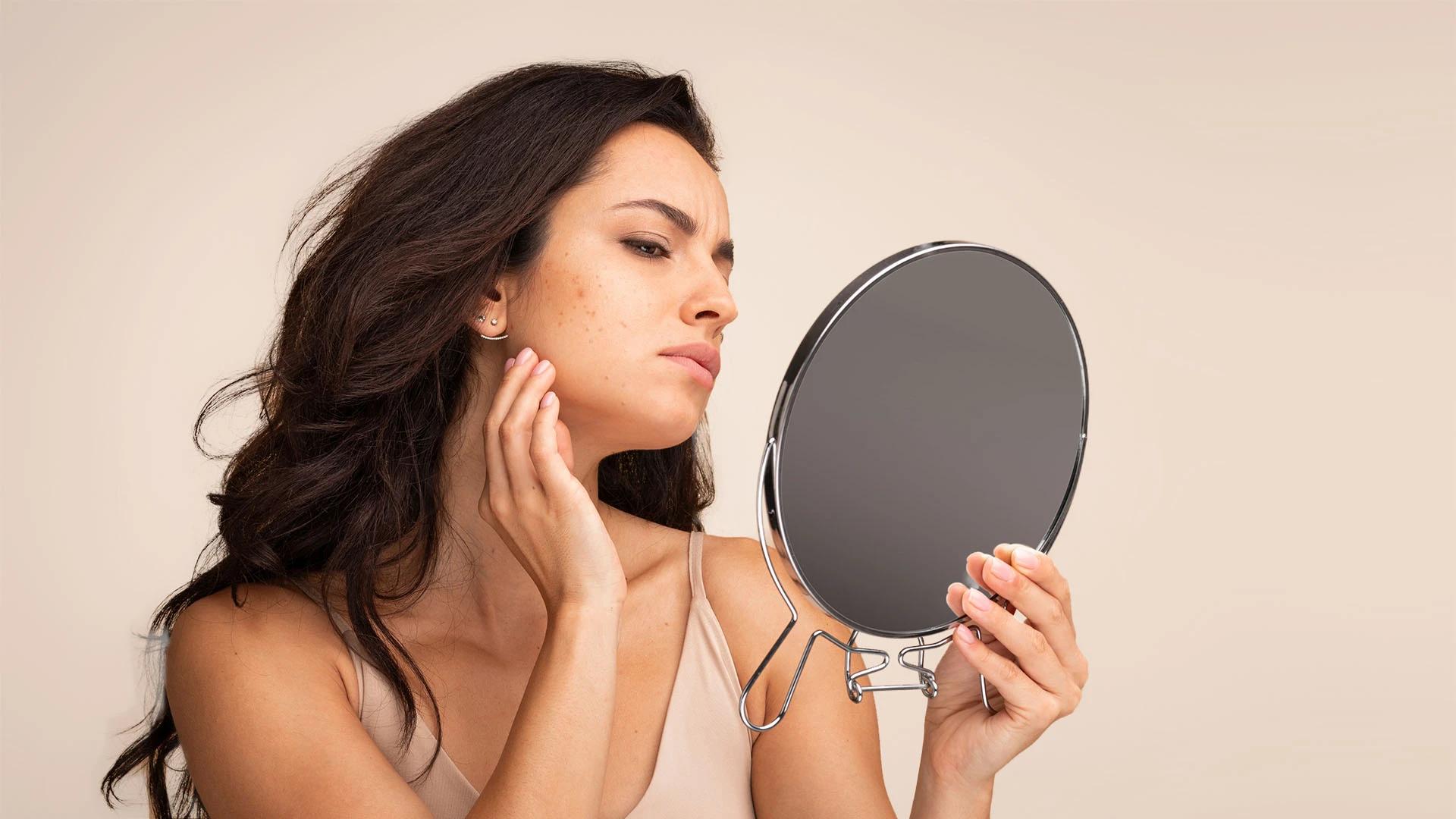
You've noticed those stubborn dark patches on your cheeks that seem to have appeared overnight, or perhaps you're dealing with lingering marks from last summer's breakouts. If you're wondering what causes hyperpigmentation, you're not alone. These frustrating spots of skin discoloration affect millions of people, and understanding their root causes is the first step toward clearer, more even-toned skin. From hormonal shifts to sun exposure, the triggers behind dark spots are more varied than you might think.
Hyperpigmentation occurs when your skin produces excess melanin, the pigment responsible for your natural skin colour. Think of melanin as your skin's natural defence system—it's produced by cells called melanocytes to protect against UV damage. In healthy skin, melanin is distributed evenly, giving you your natural skin tone.
However, when certain triggers activate melanocytes excessively, they go into overdrive, creating concentrated patches of darker pigmentation. This results in the uneven skin tone and dark spots that many of us struggle with. Unlike hypopigmentation (where skin loses colour) or vitiligo (where melanocytes are destroyed), hyperpigmentation involves overactive melanin production in specific areas.
Interestingly, people with higher natural melanin levels—particularly those with medium to darker skin tones—are often more prone to post-inflammatory hyperpigmentation. This isn't a flaw; it's actually your skin's protective mechanism working overtime. Understanding this helps explain why certain skincare approaches work better for different skin types.
Understanding what causes hyperpigmentation requires looking at the various triggers that can send your melanocytes into overdrive. These causes often work together, which is why some people develop multiple types of skin discoloration simultaneously.
Sun damage remains the leading cause of hyperpigmentation worldwide. When UV rays penetrate your skin, they trigger melanocytes to produce more melanin as protection. Over time, this leads to age spots, solar lentigines, and general skin darkening. The tricky part? Sun damage is cumulative, meaning those carefree beach days from years ago might be showing up as dark spots now. Even brief daily exposure—like walking to your car or sitting near a window—contributes to this process over time.
Hormonal fluctuations, particularly involving oestrogen and progesterone, can trigger a specific type of hyperpigmentation called melasma. This often appears as symmetrical patches on the face, earning it the nickname "pregnancy mask." Birth control pills, hormone replacement therapy, and even stress-related hormonal changes can activate this type of skin discoloration. The patches typically appear on the forehead, cheeks, and upper lip in distinctive patterns.

Target & Fade Duo for Hyperpigmentation | Even-Tone Underarms, Inner Thighs & Bum | Refines Skin Texture | For All Skin Types
Post-inflammatory hyperpigmentation develops after your skin experiences trauma or inflammation. This includes acne breakouts, cuts, burns, eczema flare-ups, or even aggressive skincare treatments. When your skin heals from inflammation, it sometimes produces excess melanin in the affected area, leaving behind dark spots. This type of hyperpigmentation is particularly common in people with naturally higher melanin levels and can persist for months or even years without treatment.
Certain medications can increase your skin's sensitivity to light or directly affect melanin production. Antibiotics like tetracyclines, some chemotherapy drugs, and anti-inflammatory medications can all contribute to skin discoloration. Medical conditions such as Addison's disease, diabetes, and thyroid disorders can also cause hyperpigmentation patterns. If you've noticed new dark spots after starting a medication, it's worth discussing with your healthcare provider.
Your family history plays a significant role in determining your susceptibility to hyperpigmentation. Some people inherit genes that make their melanocytes more reactive to triggers like sun exposure or hormonal changes. If your parents or siblings struggle with dark spots or uneven skin tone, you're more likely to experience similar issues. This genetic component explains why some people develop hyperpigmentation easily while others rarely do, even with similar lifestyles.
As we age, our skin's ability to repair itself slows down, and years of environmental exposure catch up with us. Age spots typically appear after age 40, representing decades of accumulated sun damage. Additionally, the natural skin cell turnover process slows with age, meaning pigmented cells linger longer on the skin's surface, contributing to persistent dark spots and uneven skin tone.
Not all dark spots are created equal, and identifying the specific type of hyperpigmentation you're dealing with helps determine the most effective treatment approach. Each type has distinct characteristics and responds differently to various treatments.
Solar lentigines, commonly called age spots or liver spots, appear as well-defined brown patches on sun-exposed areas like the face, hands, and shoulders. These develop gradually over years of UV exposure and are most common in people over 40. Melasma presents as larger, symmetrical patches typically on the face, often triggered by hormonal changes. The patches usually have irregular borders and can vary in colour from light brown to dark brown.
Post-inflammatory hyperpigmentation appears as dark marks where previous inflammation occurred. These can range from pink to deep brown or black, depending on your natural skin tone and the severity of the initial inflammation. Unlike other types, PIH often has irregular shapes that correspond to the original injury or breakout pattern.

Mineral Sunscreen SPF 50 | Matte Finish | No White Cast | Non-Nano Zinc Oxide | Cica | Pregnancy Safe | All Skin Types | 50ml
While anyone can develop hyperpigmentation, certain factors increase your risk significantly. People with naturally higher melanin levels (Fitzpatrick skin types III-VI) are more prone to developing post-inflammatory hyperpigmentation and may see more dramatic colour changes when hyperpigmentation occurs.
Women are more likely to experience hormonal hyperpigmentation, particularly during pregnancy, while taking hormonal contraceptives, or during menopause. Age is another significant factor—the risk of developing age spots and other forms of sun damage increases substantially after age 40. People who spend significant time outdoors, either for work or recreation, face higher risks of UV-induced hyperpigmentation.
Geographic location also plays a role. Those living in sunny climates or at high altitudes experience more intense UV exposure, increasing their risk of developing dark spots and uneven skin tone. Additionally, people with certain medical conditions or those taking photosensitising medications may be more susceptible to developing skin discoloration.
Addressing hyperpigmentation requires a multi-faceted approach that combines prevention, at-home care, and sometimes professional treatments. The key is understanding that hyperpigmentation treatment is a marathon, not a sprint—most effective treatments require consistent use over several months to show significant results.
Prevention remains the most effective approach to managing hyperpigmentation. Daily broad-spectrum SPF 30 or higher is non-negotiable, even on cloudy days and when staying indoors. UV rays can penetrate windows and clouds, contributing to ongoing sun damage. Gentle skincare practices help prevent post-inflammatory hyperpigmentation—avoid picking at blemishes, use mild cleansers, and introduce new active ingredients gradually to minimise irritation.
Several proven ingredients can help fade existing dark spots and prevent new ones from forming. Vitamin C serums provide antioxidant protection while inhibiting melanin production. Retinoids accelerate cell turnover, helping pigmented cells shed more quickly. Chemical exfoliants like glycolic acid and salicylic acid can help improve uneven skin tone by removing the top layer of pigmented skin cells. Niacinamide has shown promise in reducing melanin transfer and improving overall skin tone.
For stubborn hyperpigmentation that doesn't respond to at-home treatments, professional options include chemical peels, laser therapy, and prescription-strength lightening agents. These treatments can provide more dramatic results but require professional supervision and often involve some downtime. The choice of treatment depends on the type and severity of hyperpigmentation, your skin type, and your tolerance for downtime.

Salicylic Acid Face Cleanser | Deep Cleansing Formula for Breakouts | Unclogs Pores & Controls Oil | For Oily & Acne-Prone Skin | 100ml
Hyperpigmentation typically requires consistent treatment over 3-6 months to see significant improvement. The most effective approach combines daily SPF use, gentle exfoliation, and targeted treatments like vitamin C, retinoids, or professional procedures. Patience is crucial—rushing the process with aggressive treatments often worsens pigmentation, especially in darker skin tones.
Natural approaches include consistent SPF use, gentle exfoliation with fruit enzymes, and ingredients like vitamin C from natural sources. However, natural doesn't always mean effective—many proven treatments like retinoids and chemical exfoliants are synthetic but well-researched. The key is choosing evidence-based treatments that work for your skin type, whether natural or synthetic.
Some types of hyperpigmentation, particularly post-inflammatory hyperpigmentation, may fade naturally over 6-24 months as skin cells turn over. However, sun damage, age spots, and melasma typically persist without treatment. Even when hyperpigmentation fades naturally, the process is much slower than with targeted treatments, and prevention remains crucial to prevent recurrence.
While treatments can significantly fade hyperpigmentation, "permanent" removal is challenging because the underlying triggers often remain. Successful long-term management requires ongoing prevention (daily SPF), maintenance treatments, and addressing root causes like hormonal imbalances. Professional treatments can provide dramatic improvement, but maintenance is typically needed to prevent recurrence.
Hyperpigmentation involves excess melanin production, creating darker patches. This differs from conditions like vitiligo (loss of pigment), rosacea (redness from blood vessel dilation), or bruising (temporary discoloration from blood under the skin). If you're unsure about the cause of your skin discoloration, consulting a dermatologist can help determine the appropriate treatment approach.
Understanding what causes hyperpigmentation empowers you to make informed decisions about prevention and treatment. Whether you're dealing with sun damage, hormonal melasma, or post-inflammatory hyperpigmentation, remember that effective treatment takes time and consistency. The key is starting with gentle, proven approaches while protecting your skin from further damage.
For those exploring new skincare solutions, platforms like Smytten Shop offer access to premium brands with sample options, allowing you to test treatments before committing to full sizes. With over 28 million users discovering effective products through trials, you can find the right hyperpigmentation treatment for your unique skin needs while earning cashback on your purchases. Your journey to clearer, more even-toned skin is worth the patience and care it requires.
