Hyperpigmentation FAQ: Causes, Solutions & Skin Pigmentation Explained


Target & Fade Duo for Hyperpigmentation | Even-Tone Underarms, Inner Thighs & Bum | Refines Skin Texture | For All Skin Types
You've noticed those stubborn dark patches that seem to appear overnight but take forever to fade. Whether it's the aftermath of a particularly aggressive breakout, those mysterious patches that showed up during pregnancy, or the sun damage from last summer's holiday, hyperpigmentation can feel like an unwelcome guest that's overstayed its welcome. The good news? Understanding what causes these dark spots is the first step towards finding solutions that actually work for your skin.
Hyperpigmentation occurs when your skin produces excess melanin, the pigment responsible for your natural skin colour. Think of melanin as your skin's natural defence system - it ramps up production when it senses potential damage, creating those darker patches we're all too familiar with.
Normal skin pigmentation is evenly distributed, giving you your baseline skin tone. But when certain areas go into overdrive, you end up with patches that are noticeably darker than the surrounding skin. These can appear anywhere on your body, though they're most common on your face, hands, and décolletage - basically, the areas that see the most sun exposure.
The tricky thing about skin discoloration is that it can look different on everyone. On lighter skin tones, hyperpigmentation often appears as brown or black spots. On deeper skin tones, it might show up as darker brown or even grey patches. What remains consistent is that these areas are distinctly darker than your natural skin tone.
Research suggests that over 90% of people will experience some form of hyperpigmentation during their lifetime, making it one of the most common skin concerns across all demographics. It's particularly prevalent among women, largely due to hormonal fluctuations, though men certainly aren't immune.
Understanding hyperpigmentation causes is crucial because different triggers require different approaches. Let's break down the main culprits behind those unwanted dark patches.
Sun exposure tops the list as the primary cause of hyperpigmentation. UV radiation triggers melanin production as a protective response, but over time, this can lead to uneven distribution and persistent dark spots. Even brief, unprotected sun exposure can kickstart this process, which is why you might notice new spots appearing after a weekend outdoors.
Hormonal changes are another major player, particularly for women. Pregnancy, birth control pills, and hormone replacement therapy can all trigger melasma - those symmetrical patches that often appear on the cheeks, forehead, and upper lip. This type of hyperpigmentation is so common during pregnancy that it's earned the nickname "pregnancy mask."
Post-inflammatory hyperpigmentation develops after your skin has been injured or inflamed. This could be from acne, cuts, burns, or even aggressive skincare treatments. Your skin essentially overcompensates during the healing process, producing excess melanin that lingers long after the initial trauma has healed.
Age spots develop naturally as we get older. Years of cumulative sun exposure catch up with us, and our skin's ability to regenerate evenly diminishes. These typically appear as small, well-defined brown spots on areas that have seen the most sun over the years.
Genetic factors also play a role in how prone you are to developing hyperpigmentation. Some people are simply more susceptible due to their genetic makeup, skin type, and natural melanin production patterns.

Mineral Sunscreen SPF 50 | Matte Finish | No White Cast | Non-Nano Zinc Oxide | Cica | Pregnancy Safe | All Skin Types | 50ml
Not all dark spots are created equal, and identifying your specific type of hyperpigmentation is essential for choosing the right treatment approach. Each type has distinct characteristics and responds differently to various treatments.
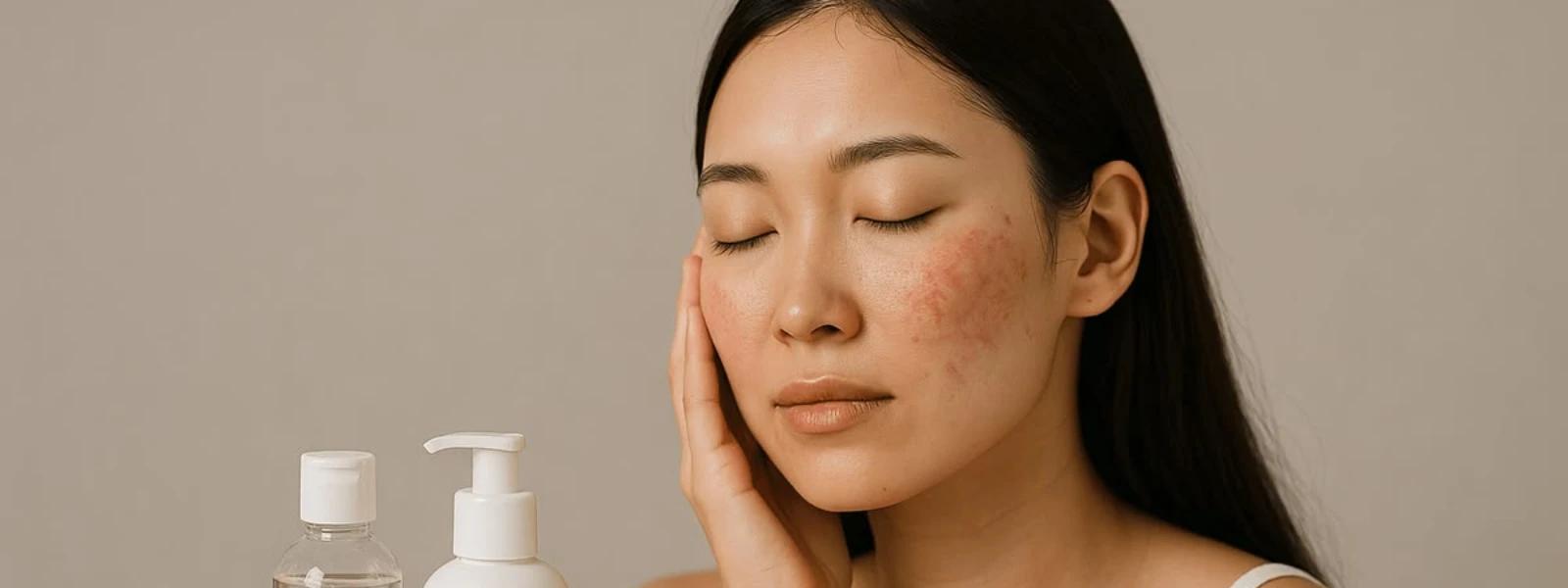
Melasma presents as larger, symmetrical patches typically on the face. It's strongly linked to hormonal changes and sun exposure, which is why it often worsens during pregnancy or when taking hormonal contraceptives. The patches usually appear on both sides of the face in a mirror-like pattern, affecting the cheeks, bridge of the nose, forehead, and upper lip.
Melasma treatment requires a comprehensive approach because this condition is notoriously stubborn. Heat, hormones, and UV exposure can all trigger flare-ups, making prevention just as important as active treatment.
Sunspots, also called solar lentigines or liver spots, are the result of cumulative UV damage. They typically appear as small, well-defined brown or black spots on sun-exposed areas like the face, hands, shoulders, and arms. Unlike melasma, these spots are usually isolated rather than symmetrical.
Post-inflammatory hyperpigmentation can appear anywhere you've experienced skin trauma. These spots often have irregular shapes and can range from light brown to deep black, depending on your skin tone and the severity of the initial inflammation.
Darker skin tones are more prone to developing hyperpigmentation because they naturally produce more melanin. However, the good news is that many treatments that work well for lighter skin can be adapted for deeper skin tones with proper professional guidance.
When it comes to effective hyperpigmentation treatment, professional interventions often deliver the most dramatic and lasting results. These treatments work by either inhibiting melanin production, accelerating cell turnover, or physically removing pigmented skin layers.
Topical treatments prescribed by dermatologists remain the gold standard for many types of hyperpigmentation. Hydroquinone is often considered the most effective topical agent, working by inhibiting the enzyme responsible for melanin production. Tretinoin accelerates cell turnover, helping to shed pigmented cells more quickly. Kojic acid and vitamin C offer gentler alternatives with proven efficacy.
Chemical peels provide controlled exfoliation to remove pigmented skin layers. Glycolic acid peels are excellent for surface-level pigmentation, while deeper peels using trichloroacetic acid (TCA) can address more stubborn spots. The key is matching the peel depth to your specific type of hyperpigmentation.
Laser therapies offer precise targeting of pigmented areas. IPL (Intense Pulsed Light) works well for general pigmentation and sun damage, while Q-switched lasers can target specific spots with minimal damage to surrounding skin. Fractional lasers create controlled micro-injuries that stimulate skin renewal.
Professional treatments typically require multiple sessions spaced several weeks apart. Most people start seeing improvements after 4-6 weeks, with optimal results appearing after 3-6 months of consistent treatment.

Salicylic Acid Face Cleanser | Deep Cleansing Formula for Breakouts | Unclogs Pores & Controls Oil | For Oily & Acne-Prone Skin | 100ml
While professional treatments offer the most dramatic results, consistent at-home care forms the foundation of any successful pigmentation correction routine. The key is choosing ingredients that are both effective and gentle enough for daily use.
Niacinamide has become a skincare favourite for good reason. This form of vitamin B3 helps regulate melanin production while strengthening your skin barrier. It's gentle enough for sensitive skin and works well in combination with other active ingredients.
Vitamin C serums provide antioxidant protection while inhibiting melanin formation. Look for stable forms like magnesium ascorbyl phosphate or sodium ascorbyl phosphate, which are less likely to irritate sensitive skin than pure L-ascorbic acid.
Arbutin offers a gentler alternative to hydroquinone, working similarly to inhibit melanin production but with fewer side effects. Alpha arbutin is particularly effective and well-tolerated across different skin types.
Building an effective routine means layering these ingredients thoughtfully. Start with vitamin C in the morning for antioxidant protection, follow with niacinamide for melanin regulation, and always finish with broad-spectrum SPF. Evening routines can incorporate stronger actives like retinoids or AHAs, but introduce them gradually to avoid irritation.
The beauty of platforms like Smytten Shop is discovering which formulations work best for your skin without committing to full-size products immediately. With access to premium brands and the ability to try before you invest, you can build a personalised routine that actually delivers results.
Preventing uneven skin tone is infinitely easier than treating existing hyperpigmentation. The most effective prevention strategies focus on protecting your skin from the triggers that cause excess melanin production in the first place.
Daily sun protection is non-negotiable. This means SPF 30 or higher every single day, regardless of weather or season. Reapplication every two hours is crucial, especially if you're spending time outdoors. Don't forget often-missed areas like your ears, neck, and the backs of your hands.
Gentle skincare practices help prevent post-inflammatory hyperpigmentation. This means resisting the urge to pick at blemishes, using gentle cleansing techniques, and avoiding overly aggressive exfoliation that can trigger inflammation.
For those prone to hormonal fluctuations, discussing options with healthcare providers can help manage triggers. While you can't always prevent hormonal changes, understanding your patterns can help you adjust your skincare routine accordingly.
Early intervention for acne and other skin concerns prevents the inflammation that leads to long-lasting dark spots. Treating breakouts promptly and gently reduces the likelihood of post-inflammatory hyperpigmentation developing.

Hydrating Moisturizer | Non-Comedogenic | Boosts Collagen & Hydrates Deeply | Ceramides + Niacinamide | For Normal to Dry Skin | 50g
Reducing hyperpigmentation requires a multi-pronged approach combining prevention and active treatment. Start with consistent sun protection using broad-spectrum SPF 30 or higher daily. Incorporate gentle exfoliation with AHAs or BHAs to encourage cell turnover, and use targeted ingredients like vitamin C, niacinamide, or arbutin to inhibit melanin production. For stubborn spots, professional treatments like chemical peels or laser therapy may be necessary. Most people see initial improvements after 6-8 weeks of consistent treatment, with optimal results taking 3-6 months.
The primary cause of hyperpigmentation is sun exposure, which triggers excess melanin production as a protective response. Other major causes include hormonal changes (pregnancy, birth control, menopause), post-inflammatory responses from acne or skin injuries, natural ageing processes, and genetic predisposition. Certain medications and medical conditions can also contribute to skin discoloration. Understanding your specific triggers helps determine the most effective treatment approach.
The best treatment depends on your specific type of hyperpigmentation, skin tone, and severity. For mild to moderate cases, topical treatments containing hydroquinone, tretinoin, or vitamin C are often effective. Chemical peels work well for surface-level pigmentation, while laser treatments can target deeper or more stubborn spots. Combination therapy using multiple approaches typically yields the best results. Professional consultation helps determine the most appropriate treatment plan for your individual needs.
Over-the-counter products can significantly improve mild to moderate hyperpigmentation, though they typically work more slowly than prescription treatments. Ingredients like vitamin C, niacinamide, kojic acid, and arbutin have proven efficacy for lightening dark spots. However, severe or deep pigmentation often requires professional intervention. The key is consistency and patience - OTC products may take 3-6 months to show significant results, compared to 6-12 weeks for prescription treatments.
Timeline varies significantly based on treatment type, pigmentation severity, and individual skin response. Topical treatments typically show initial improvements after 4-6 weeks, with optimal results at 3-6 months. Chemical peels may show results after 2-4 sessions spaced 2-4 weeks apart. Laser treatments often require 3-6 sessions with results becoming apparent after the second treatment. Post-inflammatory hyperpigmentation generally responds faster than melasma or age spots. Consistency is crucial - stopping treatment too early often leads to pigmentation returning.
Most types of hyperpigmentation are treatable and can be significantly improved or completely resolved with appropriate treatment. Post-inflammatory hyperpigmentation and sunspots typically respond well to treatment. Melasma can be more challenging and may require ongoing maintenance to prevent recurrence. Age spots are generally very treatable with professional interventions. However, without proper sun protection and maintenance, hyperpigmentation can return. The key is viewing treatment as an ongoing process rather than a one-time fix.
Understanding hyperpigmentation causes and solutions empowers you to make informed decisions about your skincare journey. Whether you're dealing with stubborn melasma, post-acne marks, or sun damage, remember that effective treatment takes time and consistency.
The most successful approach combines prevention through diligent sun protection with targeted treatments suited to your specific type of pigmentation. Professional guidance can accelerate results, but don't underestimate the power of a well-formulated at-home routine using proven ingredients.
Your skin's journey is unique, and what works for others may need adjustment for your specific needs. Platforms like Smytten Shop make this exploration more accessible, allowing you to discover effective formulations from premium brands without the commitment of full-size purchases. With over 28 million users trusting the platform for their beauty discoveries, you're in good company as you work towards achieving the even, radiant skin tone you deserve.
