Hyperpigmentation FAQ: Causes of Skin Discoloration & Dark Spots


Target & Fade Duo for Hyperpigmentation | Even-Tone Underarms, Inner Thighs & Bum | Refines Skin Texture | For All Skin Types
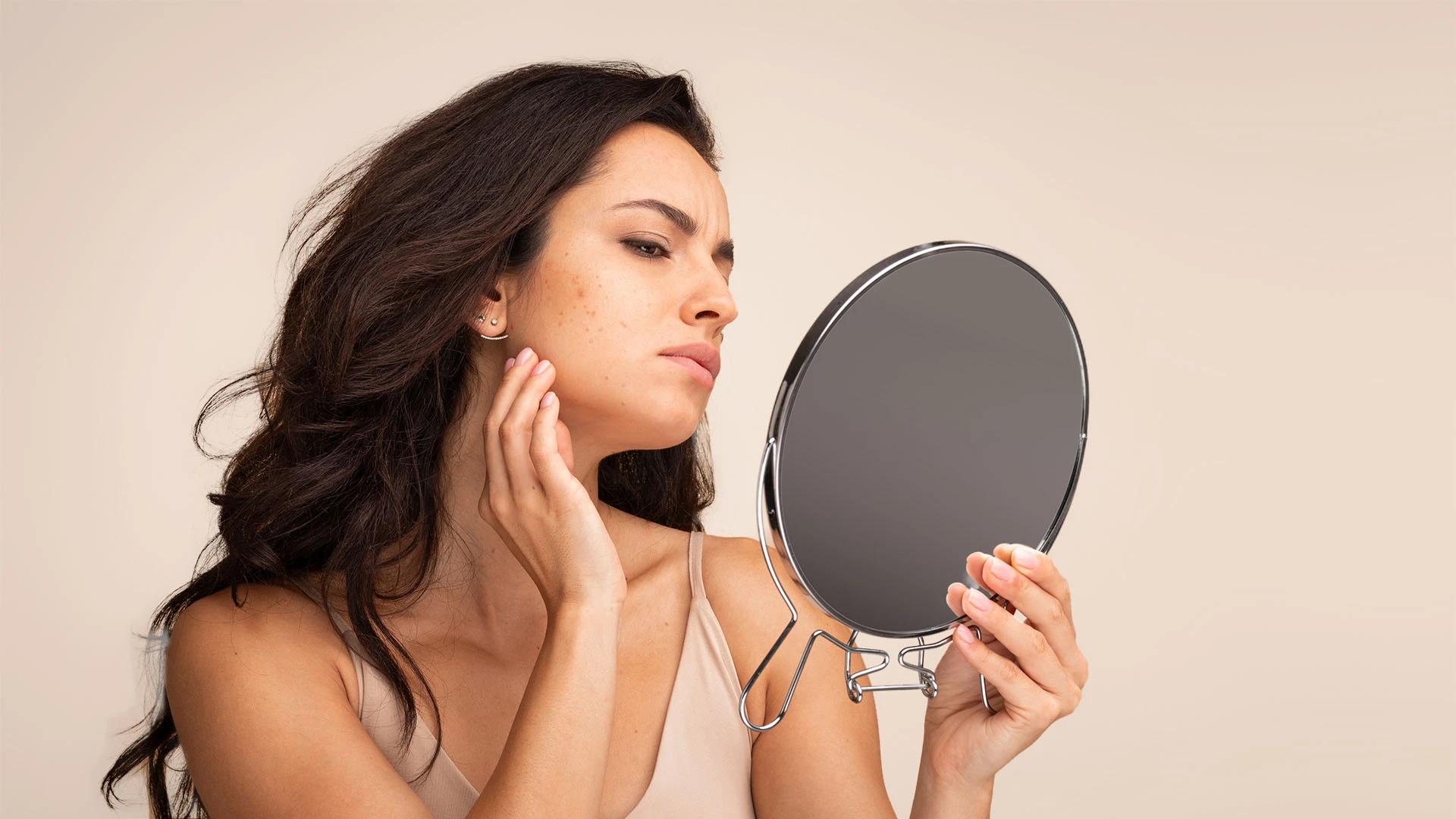
You've noticed those stubborn dark patches on your cheeks that seem to have appeared overnight, or perhaps those spots on your hands that weren't there last summer. Hyperpigmentation affects millions of people worldwide, leaving many wondering what causes these frustrating changes in skin pigmentation. Whether you're dealing with post-inflammatory hyperpigmentation from old breakouts or mysterious patches that appeared during pregnancy, understanding the root causes is the first step towards clearer, more even-toned skin.
Hyperpigmentation occurs when your skin produces excess melanin, the pigment responsible for your natural skin colour. Think of melanin as your skin's natural defence system—it's produced by specialised cells called melanocytes in response to various triggers. When these cells become overactive or damaged, they create patches of skin discoloration that appear darker than your surrounding skin tone.
Normal melanin production helps protect your skin from UV damage and gives you your natural complexion. However, when this process goes into overdrive, you end up with uneven skin tone and those telltale dark spots that can affect your confidence. The face, hands, shoulders, and décolletage are particularly vulnerable areas since they receive the most sun exposure throughout your lifetime.
What makes hyperpigmentation particularly frustrating is that it often appears gradually, making it difficult to pinpoint exactly when or why it started. Unlike temporary redness from a breakout, these pigmentation changes can persist for months or even years without proper treatment.
Understanding what triggers hyperpigmentation helps you make informed decisions about prevention and treatment. The most common culprits behind skin discoloration include several interconnected factors that often work together to create those unwanted patches.
Sun damage remains the leading cause of hyperpigmentation worldwide. Every time you step outside without adequate protection, UV rays trigger your melanocytes to produce more pigment. Over time, this leads to age spots, also known as solar lentigines, which typically appear on areas with the most sun exposure.
Hormonal fluctuations during pregnancy, whilst taking birth control, or during menopause can trigger a specific type of hyperpigmentation called melasma. Often referred to as the "mask of pregnancy," this condition creates symmetrical patches across the cheeks, forehead, and upper lip.

Mineral Sunscreen SPF 50 | Matte Finish | No White Cast | Non-Nano Zinc Oxide | Cica | Pregnancy Safe | All Skin Types | 50ml
Post-inflammatory hyperpigmentation develops after your skin experiences trauma from acne, cuts, burns, or even aggressive skincare treatments. Your skin's healing response includes increased melanin production, which can leave behind persistent dark marks long after the original injury has healed.
Certain medications, including some antibiotics, antimalarials, and chemotherapy drugs, can trigger skin discoloration as a side effect. Additionally, medical conditions affecting hormone levels or immune function may contribute to irregular skin pigmentation.
Not all dark spots are created equal, and identifying the specific type of hyperpigmentation you're dealing with is crucial for choosing the right treatment approach. Each type has distinct characteristics and responds differently to various treatments.
Melasma appears as symmetrical brown or grey patches, typically on the face. It's closely linked to hormonal changes and often worsens with sun exposure. This type of hyperpigmentation can be particularly stubborn and may require ongoing management rather than a one-time treatment.
These flat, brown spots typically appear on sun-exposed areas like the face, hands, shoulders, and arms. Age spots are directly related to cumulative sun damage over time and tend to become more prominent as you age.
Post-inflammatory hyperpigmentation can range from pink to deep brown, depending on your skin tone and the severity of the original inflammation. These marks often follow the pattern of previous breakouts or injuries and may fade naturally over time, though this process can take months or years.

Salicylic Acid Face Cleanser | Deep Cleansing Formula for Breakouts | Unclogs Pores & Controls Oil | For Oily & Acne-Prone Skin | 100ml
Several factors can make you more susceptible to developing hyperpigmentation, and understanding these can help you take preventive measures. Your natural skin tone plays a significant role—people with darker skin tones have more active melanocytes, making them more prone to post-inflammatory hyperpigmentation but often more resistant to sun damage.
Environmental factors extend beyond just sun exposure. Pollution, harsh weather conditions, and even blue light from screens may contribute to skin discoloration over time. Lifestyle habits like picking at blemishes, using overly aggressive skincare products, or neglecting sun protection significantly increase your risk of developing unwanted pigmentation.
Genetics also play a role—if your family members struggle with melasma or tend to develop dark spots easily, you may be predisposed to similar issues. Hormonal life stages, including puberty, pregnancy, and menopause, can trigger or worsen existing hyperpigmentation.
Effective hyperpigmentation treatment often requires a multi-pronged approach combining prevention, topical treatments, and sometimes professional procedures. The key is consistency and patience, as most treatments take several months to show significant results.
Topical treatments form the foundation of most hyperpigmentation treatment regimens. Ingredients like vitamin C, niacinamide, retinoids, and alpha hydroxy acids can help fade existing dark spots whilst preventing new ones from forming. These ingredients work by either inhibiting melanin production or accelerating cell turnover to reveal fresher, more evenly toned skin.
For stubborn hyperpigmentation that doesn't respond to topical treatments, professional procedures may be necessary. Chemical peels, laser therapy, and microneedling can provide more dramatic results, though they typically require multiple sessions and proper aftercare to avoid worsening the pigmentation.
Prevention remains the most effective approach to managing hyperpigmentation. Daily SPF use, even indoors, protects against both direct sun exposure and reflected UV rays. Gentle skincare practices, avoiding picking at blemishes, and using products suitable for your skin type can prevent post-inflammatory hyperpigmentation.

Hydrating Moisturizer | Non-Comedogenic | Boosts Collagen & Hydrates Deeply | Ceramides + Niacinamide | For Normal to Dry Skin | 50g
Treatment depends on the type and severity of your hyperpigmentation. Most people see the best results with a combination of daily SPF, topical treatments containing ingredients like vitamin C or retinoids, and professional treatments when necessary. Consistency is key—most treatments require 3-6 months of regular use to show significant improvement.
Prevention centres around protecting your skin from triggers. Use broad-spectrum SPF 30 or higher daily, avoid picking at blemishes, and maintain a gentle skincare routine. If you're prone to hormonal hyperpigmentation, discuss options with your healthcare provider, especially before starting hormonal contraceptives or during pregnancy.
Some types of hyperpigmentation, particularly post-inflammatory hyperpigmentation, may fade naturally over 6-24 months. However, melasma and age spots typically persist without treatment. Sun damage rarely improves without intervention and often worsens over time with continued exposure.
The primary causes include sun damage from UV exposure, hormonal changes during pregnancy or from contraceptives, post-inflammatory hyperpigmentation from acne or injuries, natural aging, certain medications, and genetic predisposition. Often, multiple factors work together to create skin discoloration.
Yes, harsh ingredients or improper use of active ingredients can worsen hyperpigmentation. Over-exfoliation, using too many active ingredients simultaneously, or not using SPF whilst using photosensitising ingredients like retinoids or AHAs can increase pigmentation. Always introduce new products gradually and maintain consistent sun protection.
Understanding what causes hyperpigmentation empowers you to make informed decisions about prevention and treatment. Whether you're dealing with hormonal melasma, sun damage, or post-inflammatory hyperpigmentation, remember that improvement takes time and consistency. The most effective approach combines proper sun protection, appropriate topical treatments, and patience with the process.
For those exploring treatment options, platforms like Smytten Shop offer access to dermatologist-recommended brands and products specifically formulated for hyperpigmentation treatment. With over 28 million users discovering effective skincare solutions, you can explore curated options that have worked for others with similar concerns. The key is finding products that suit your specific type of skin discoloration and maintaining realistic expectations about the timeline for results.
