Hyperpigmentation Face FAQ: Your Guide to Dark Spots & Uneven Skin Tone


2% Kojic Acid Serum | Dark Spot & Pigmentation Care | Alpha Arbutin + Niacinamide | Even-Tone Formula | For All Skin Types | 30ml
You've noticed those stubborn dark patches on your cheeks that seem to mock your skincare efforts, or perhaps that melasma that appeared during pregnancy and simply won't budge. Hyperpigmentation face concerns affect millions of people, leaving many feeling frustrated with uneven skin tone and wondering if there's hope for clearer, more radiant skin. The good news? Understanding what causes these dark spots and knowing the right treatment approach can make all the difference in your journey towards more even-toned skin.
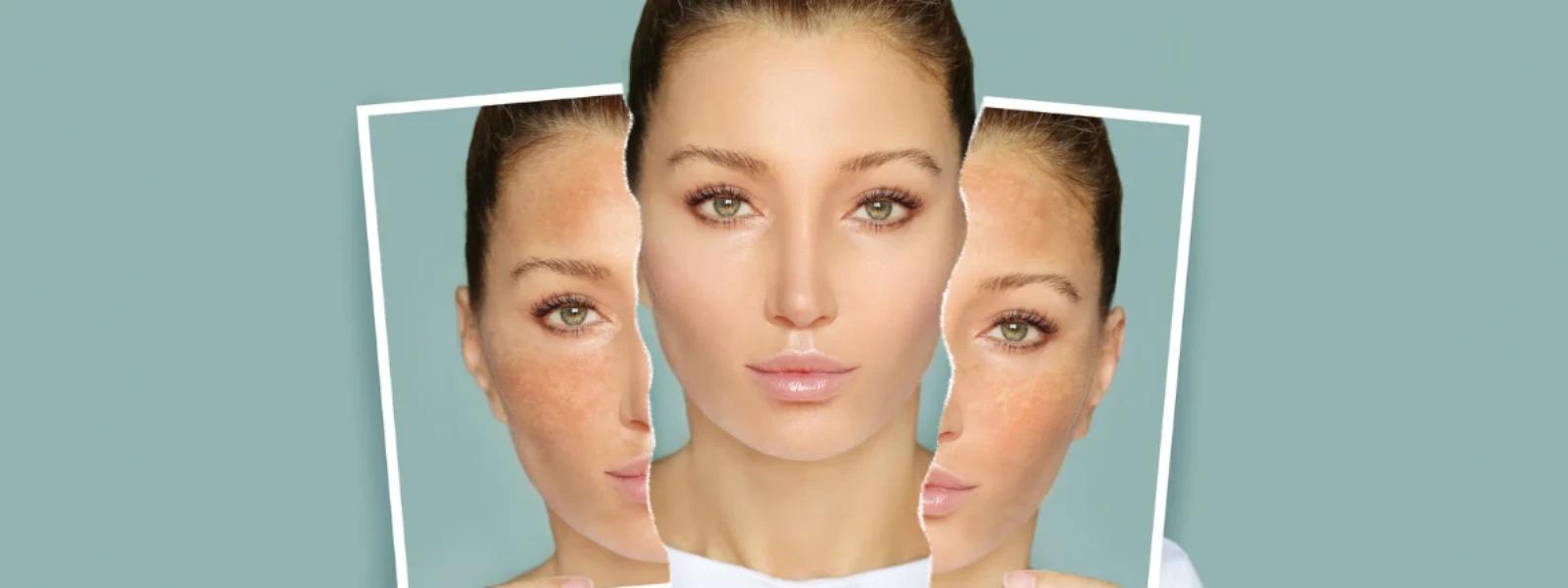
Hyperpigmentation occurs when your skin produces excess melanin, the pigment responsible for your natural skin colour. On facial skin, this manifests as darker patches, spots, or areas that stand out against your normal skin tone. Unlike natural variations in skin colour, hyperpigmentation face issues create noticeable contrast and can affect your confidence.
Your face is particularly susceptible to skin discoloration because it receives the most sun exposure throughout your lifetime. The delicate facial skin also responds more dramatically to hormonal changes, inflammation, and environmental stressors. These darker areas can range from light brown spots to deep, almost black patches, depending on your skin type and the underlying cause.
The key difference between normal skin tone variations and problematic hyperpigmentation lies in the uniformity and cause. Natural skin variations are typically genetic and consistent, whilst hyperpigmentation develops over time due to specific triggers like sun damage, hormonal fluctuations, or skin trauma.
Not all dark spots are created equal, and understanding the type you're dealing with helps determine the most effective treatment approach. Each type has distinct characteristics and responds differently to various treatments.
Sunspots and age spots typically appear as flat, brown or black spots on areas that receive the most sun exposure. On your face, you'll commonly find them on your forehead, cheeks, nose, and temples. These spots develop gradually over years of UV exposure and become more prominent as you age. They're usually round or oval-shaped and have well-defined borders.
Melasma presents as symmetrical brown or grey-brown patches, often called the "pregnancy mask" when it develops during pregnancy. This type of hyperpigmentation face issue is primarily triggered by hormonal changes from pregnancy, birth control pills, or hormone replacement therapy. The patches typically appear on both sides of your face in a mirror-like pattern across your cheeks, forehead, nose, and upper lip.
PIH develops after skin inflammation or injury, making it particularly common for those who've experienced acne. These dark spots can range from pink to red, brown, or even black, depending on your skin tone. Unlike other types of hyperpigmentation, PIH can appear anywhere on your face where inflammation occurred, and the healing timeline varies significantly based on the severity of the original trauma.

Target & Fade Duo for Hyperpigmentation | Even-Tone Underarms, Inner Thighs & Bum | Refines Skin Texture | For All Skin Types
Understanding what triggers hyperpigmentation face issues empowers you to make informed decisions about prevention and treatment. Sun exposure remains the primary culprit, as UV radiation stimulates melanin production as your skin's natural defence mechanism. Even brief daily exposure without proper protection can accumulate over time, leading to visible skin discoloration.
Hormonal fluctuations play a significant role, particularly for women. Pregnancy, menopause, and hormonal contraceptives can all trigger melasma and other forms of facial hyperpigmentation. The hormones oestrogen and progesterone make your skin more sensitive to UV radiation, amplifying the pigmentation response.
Skin trauma from acne, eczema, cuts, or aggressive skincare treatments can leave lasting dark spots. Your skin's inflammatory response can trigger excess melanin production, which persists long after the original injury has healed. Certain medications, including some antibiotics and chemotherapy drugs, can also increase photosensitivity and contribute to pigmentation issues.
Effective hyperpigmentation treatment requires patience and consistency, but the right approach can deliver remarkable results. The key lies in combining appropriate active ingredients with professional treatments when necessary.
Vitamin C serves as both an antioxidant and skin brightening agent, helping to inhibit melanin production whilst protecting against further damage. Kojic acid, derived from fungi, naturally lightens skin by blocking the enzyme responsible for melanin formation. Azelaic acid offers gentle exfoliation whilst specifically targeting pigmentation correction, making it suitable for sensitive skin types.
Niacinamide works by preventing melanin transfer from melanocytes to skin cells, effectively reducing the appearance of existing dark spots whilst preventing new ones. Retinoids accelerate cell turnover, helping to fade dark spots by bringing fresh, unpigmented cells to the surface more quickly.
Chemical peels, laser therapy, and IPL treatments offer more intensive pigmentation correction for stubborn cases. These professional treatments work by either removing pigmented skin layers or targeting melanin directly. However, they require proper consultation and aftercare to avoid complications, particularly for darker skin tones.
Creating an effective routine to fade dark spots requires strategic layering of products and realistic expectations. Your morning routine should focus on protection, starting with a gentle cleanser, followed by vitamin C serum, moisturiser, and broad-spectrum SPF 50+ sunscreen.

Mineral Sunscreen SPF 50 | Matte Finish | No White Cast | Non-Nano Zinc Oxide | Cica | Pregnancy Safe | All Skin Types | 50ml
Evening routines can incorporate more active ingredients for skin brightening. After cleansing, apply treatments containing retinoids, kojic acid, or azelaic acid, followed by a nourishing moisturiser. Remember to introduce new actives gradually and always patch test first.
Consistency matters more than intensity when treating hyperpigmentation face concerns. Gentle, regular application of appropriate ingredients typically yields better results than aggressive treatments that can cause irritation and potentially worsen pigmentation.
Prevention remains the most effective approach to managing hyperpigmentation face issues. Daily sunscreen application, even on cloudy days or when staying indoors, provides crucial protection against UV-induced skin discoloration. Choose broad-spectrum formulas with SPF 50+ and reapply every two hours when outdoors.
Gentle skincare practices help prevent inflammation that can trigger post-inflammatory hyperpigmentation. Avoid harsh scrubbing, picking at blemishes, or using overly aggressive products that can damage your skin barrier. If you're prone to hormonal melasma, discuss management strategies with your healthcare provider, particularly when considering hormonal contraceptives or hormone replacement therapy.
Complete removal of hyperpigmentation face concerns requires a combination of consistent topical treatments, professional procedures, and diligent sun protection. Whilst significant improvement is achievable, "permanent" results depend on preventing new damage through lifestyle changes. Topical treatments with vitamin C, retinoids, and kojic acid can fade existing dark spots over 3-6 months, whilst professional treatments like chemical peels or laser therapy may provide faster results. However, without proper sun protection and maintenance, new pigmentation can develop.
Some types of hyperpigmentation may fade naturally over time, particularly post-inflammatory hyperpigmentation from minor injuries. However, sunspots, age spots, and melasma typically persist or worsen without intervention. Natural fading can take 6-24 months and often results in incomplete resolution. Active treatment with appropriate skin brightening ingredients significantly accelerates the process and provides more comprehensive results.
The primary causes include sun exposure, hormonal changes, skin inflammation, and genetic predisposition. UV radiation triggers excess melanin production, whilst hormones from pregnancy, contraceptives, or menopause can increase sensitivity to pigmentation. Acne, eczema, and skin injuries can leave lasting dark spots through inflammatory processes. Certain medications and age-related changes also contribute to uneven skin tone development.

Salicylic Acid Face Cleanser | Deep Cleansing Formula for Breakouts | Unclogs Pores & Controls Oil | For Oily & Acne-Prone Skin | 100ml
Timeline varies significantly based on pigmentation type, depth, and treatment approach. Surface-level dark spots may show improvement in 4-8 weeks with consistent topical treatment, whilst deeper pigmentation can take 3-6 months or longer. Professional treatments may accelerate results, with some patients seeing improvement in 2-4 weeks. Melasma often requires 6-12 months of treatment and ongoing maintenance to prevent recurrence.
Gentle, non-irritating cleansers work best for hyperpigmentation face concerns. Look for formulas with mild exfoliating ingredients like glycolic acid or salicylic acid, but avoid harsh scrubs that can worsen inflammation. Cream or gel cleansers with niacinamide or vitamin C can provide additional skin brightening benefits whilst maintaining your skin barrier.
Forehead hyperpigmentation often responds well to standard treatments, but the area's high sun exposure requires extra attention to prevention. The forehead's relatively thick skin can tolerate stronger treatments like retinoids or glycolic acid better than more sensitive facial areas. However, always start with lower concentrations and increase gradually to avoid irritation.
Common side effects include initial skin irritation, dryness, and increased photosensitivity. Some people experience temporary darkening before improvement occurs. Stronger treatments may cause peeling or redness. Always introduce new products gradually, use sunscreen religiously, and consult a dermatologist if you experience severe reactions or if treatments aren't working after 3-4 months.
Hyperpigmentation typically appears as flat, brown, or black spots with defined borders. They don't change texture or elevation. If spots are raised, changing in size or colour rapidly, bleeding, or have irregular borders, consult a dermatologist immediately. Professional evaluation can distinguish between benign pigmentation and more serious skin concerns requiring medical attention.
Managing hyperpigmentation face concerns requires patience, consistency, and the right approach for your specific skin type and pigmentation pattern. Whether you're dealing with sunspots, melasma, or post-acne dark spots, understanding your options empowers you to make informed decisions about your skincare journey.
Remember that effective pigmentation correction is a marathon, not a sprint. With platforms like Smytten Shop, you can explore curated skin brightening products from trusted brands, allowing you to try different formulations and find what works best for your skin. The platform's extensive selection and user reviews from over 28 million users can guide your choices whilst cashback offers make premium treatments more accessible.
Your skin's journey towards more even tone is unique, and celebrating small improvements along the way makes the process more rewarding. With consistent care, proper sun protection, and the right products, clearer, more radiant skin is absolutely achievable.
