Hyperpigmentation Causes Indian Skin FAQ: Understanding Dark Spots


Rapid Dark Spot Correction Set | Reduces Dark Spots & Post-Acne Marks | Cleanser, Gel, Moisturizer & Sunscreen Kit
You've noticed those stubborn dark patches on your cheeks that seem to darken after every summer holiday, or perhaps those acne marks that refuse to fade months after your skin cleared up. If you're dealing with hyperpigmentation, you're certainly not alone—studies show that over 70% of Indian women experience some form of skin discoloration during their lifetime. Understanding why Indian skin is particularly prone to these concerns is the first step towards clearer, more even-toned skin.
Indian skin naturally contains higher levels of melanin, the pigment responsible for our beautiful skin tones. Whilst this provides excellent natural protection against UV damage, it also means our melanocytes (pigment-producing cells) are more reactive to triggers. Most Indian skin types fall between Fitzpatrick III to V on the skin classification scale, which means we're genetically predisposed to developing hyperpigmentation more readily than lighter skin tones.
The tropical and subtropical climate across India presents unique challenges too. High humidity, intense UV radiation year-round, and pollution levels in urban areas all contribute to increased melanin production. Research from the Indian Journal of Dermatology shows that post-inflammatory hyperpigmentation affects nearly 65% of individuals with darker skin tones, compared to just 18% in lighter skin types.
What makes this particularly relevant is how our skin responds to inflammation. Even minor irritation—from a small pimple to a mosquito bite—can trigger an overproduction of melanin in the affected area. This evolutionary protective mechanism, whilst beneficial against sun damage, often leaves us with lasting dark spots long after the initial concern has healed.
Understanding what triggers hyperpigmentation in Indian skin helps you address the root cause rather than just treating the symptoms. Here are the most common culprits behind those persistent dark spots:
Sun exposure remains the leading cause, responsible for up to 80% of visible skin ageing and pigmentation problems. The UV rays stimulate melanocytes to produce excess melanin as a protective response. In India's climate, even brief exposure during peak hours can trigger this response.
Hormonal changes significantly impact melanin production, particularly during pregnancy, menstruation, or when using hormonal contraceptives. This is why many women notice melasma or the "pregnancy mask" appearing during these periods. PCOS, which affects 1 in 5 Indian women, also contributes to hormonal hyperpigmentation.
Post-inflammatory hyperpigmentation occurs when skin inflammation triggers excess melanin production. This is particularly common after acne breakouts, cuts, burns, or even aggressive skincare treatments. The darker your natural skin tone, the more likely you are to develop these persistent marks.
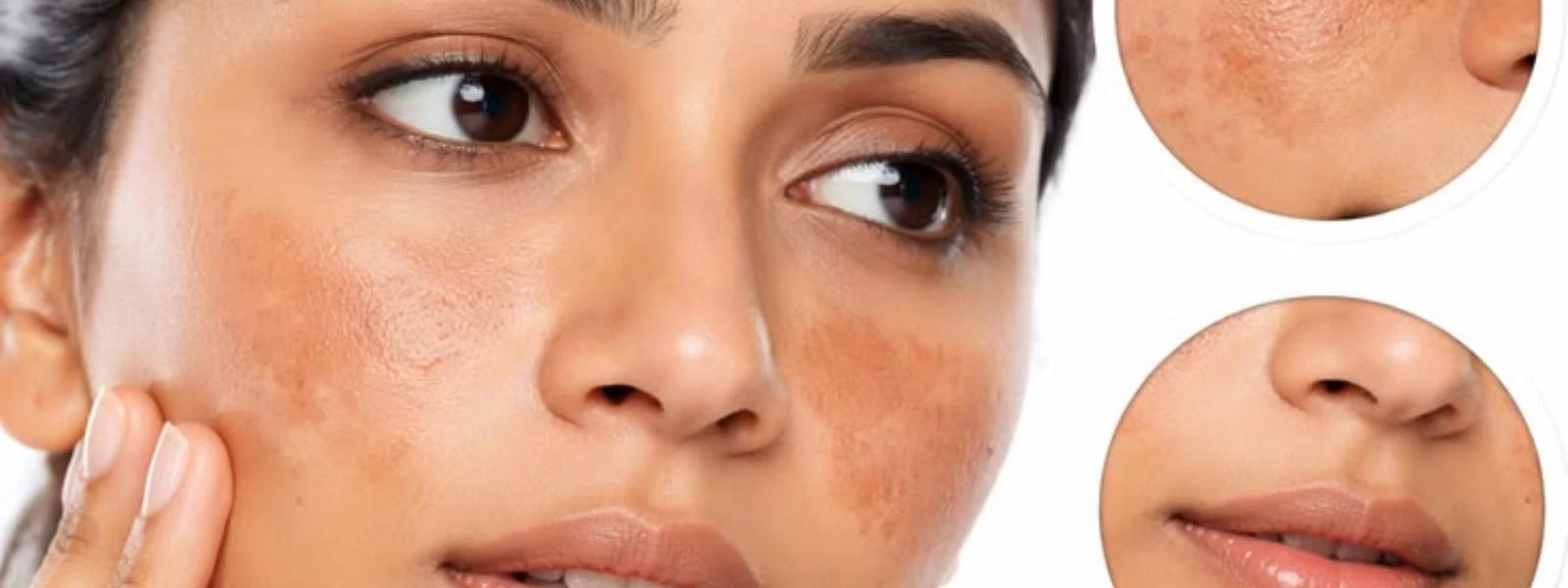
Melasma presents as symmetrical brown patches, typically on the face. It's strongly linked to hormonal fluctuations and affects up to 40% of pregnant women. The condition often worsens with sun exposure and can persist long after hormonal levels normalise.
As we age, our skin's ability to regulate melanin production decreases, leading to age spots and solar lentigines. These typically appear on sun-exposed areas like the face, hands, and shoulders, becoming more prominent after age 40.

Dark Spot Reduction Set | 3-Step Routine for Hyperpigmentation & Even Skin Tone | Cleanser, Serum & Moisturizer | Skin Care Routine Kit
Not all dark spots are created equal, and identifying the type you're dealing with is crucial for effective treatment. Indian skin commonly develops several distinct patterns of hyperpigmentation.
Melasma typically appears in three patterns: centrofacial (covering the central face), malar (on the cheeks), and mandibular (along the jawline). The patches are usually symmetrical and have irregular borders with a brown to grey-brown colour.
Post-acne marks differ from actual acne scars. These flat, discoloured areas range from pink to deep brown and gradually fade over time, unlike depressed or raised scars that require different treatment approaches. They're particularly stubborn in Indian skin due to our enhanced melanin response to inflammation.
Solar lentigines, often called age spots, appear as well-defined brown spots on sun-exposed areas. They're more common after age 40 and tend to be uniform in colour, unlike melasma's irregular patterns.
Drug-induced hyperpigmentation can result from certain medications, including antimalarials, chemotherapy drugs, and even some antibiotics. This type often has a distinctive blue-grey appearance and may affect areas not typically exposed to sun.
When home remedies aren't sufficient, professional hyperpigmentation treatment offers more potent solutions. However, treatments must be carefully selected for Indian skin to avoid complications like further pigmentation or scarring.
Topical treatments form the foundation of most professional approaches. Hydroquinone, considered the gold standard, works by inhibiting tyrosinase, the enzyme responsible for melanin production. However, concentrations above 2% require medical supervision, particularly for darker skin tones. Tretinoin accelerates cell turnover, helping fade existing pigmentation whilst preventing new spots from forming.
Chemical peels can be highly effective for Indian skin when performed correctly. Glycolic acid peels work well for surface-level pigmentation, whilst salicylic acid is excellent for post-acne marks. TCA peels offer deeper penetration but require experienced hands to avoid complications in darker skin.
Laser treatments require special consideration for Indian skin. Q-switched lasers are generally safer for darker skin tones than traditional ablative lasers. IPL (Intense Pulsed Light) can be effective but carries higher risks of post-treatment hyperpigmentation in our skin type.
Most dermatologists recommend combination therapy, using multiple approaches simultaneously for optimal results. Treatment timelines typically span 3-6 months, with initial improvements visible after 6-8 weeks of consistent treatment.
Whilst professional treatments offer faster results, several home remedies have scientific backing for treating hyperpigmentation in Indian skin. The key is consistency and realistic expectations.
Turmeric contains curcumin, which has been shown to inhibit melanin production. Mix turmeric powder with milk or honey to create a gentle mask. However, be cautious of temporary yellow staining and always patch test first.

Target & Fade Duo for Hyperpigmentation | Even-Tone Underarms, Inner Thighs & Bum | Refines Skin Texture | For All Skin Types
Niacinamide, whilst technically a skincare ingredient, is available in many over-the-counter products. Studies show 5% niacinamide can significantly reduce hyperpigmentation over 12 weeks. It's particularly effective for post-acne marks and works well with other treatments.
Licorice extract contains glabridin, which inhibits tyrosinase activity. Look for products containing 2-5% licorice extract, or create a DIY treatment using licorice root powder mixed with rose water.
Always perform patch tests before trying new ingredients, especially if you have sensitive skin. Avoid harsh scrubbing or abrasive treatments, which can worsen pigmentation in Indian skin. Steer clear of lemon juice directly on skin, as it can cause photosensitivity and paradoxically worsen pigmentation.
Prevention remains the most effective approach to managing hyperpigmentation in Indian skin. Since sun exposure is the primary trigger, daily sunscreen use is non-negotiable. Choose broad-spectrum SPF 30 or higher, and reapply every 2-3 hours, especially during outdoor activities.
For India's climate, look for sunscreens that don't leave white cast on darker skin tones. Zinc oxide and titanium dioxide formulations have improved significantly, with many brands now offering tinted options that complement Indian skin tones.
Hormonal management plays a crucial role in preventing melasma and hormonal pigmentation. If you're prone to melasma, discuss alternative contraceptive options with your healthcare provider. During pregnancy, extra sun protection becomes even more critical.
Your daily skincare routine should include gentle cleansing, consistent moisturising, and ingredients that support healthy cell turnover. Avoid over-exfoliation or harsh scrubbing, which can trigger inflammatory hyperpigmentation.
Stress management shouldn't be overlooked—chronic stress can worsen hormonal imbalances that contribute to pigmentation. Regular exercise, adequate sleep, and stress-reduction techniques all support healthier skin.
Indian skin naturally contains higher levels of melanin, which provides excellent sun protection but also makes melanocytes more reactive to triggers like inflammation, hormones, and UV exposure. This genetic predisposition, combined with environmental factors like intense sun exposure and pollution, makes hyperpigmentation more common in Indian populations.
Effective treatment requires a multi-step approach: consistent sunscreen use, gentle skincare routine with proven ingredients like niacinamide or vitamin C, and professional treatments when needed. Start with over-the-counter options for 8-12 weeks before considering stronger treatments. Always consult a dermatologist for persistent or severe pigmentation.

Mineral Sunscreen SPF 50 | Matte Finish | No White Cast | Non-Nano Zinc Oxide | Cica | Pregnancy Safe | All Skin Types | 50ml
Individuals with higher melanin content, including those of African, Asian, Hispanic, and Middle Eastern descent, are more prone to hyperpigmentation. This is due to more active melanocytes that respond strongly to triggers. However, this same melanin provides better natural protection against skin cancer and premature ageing.
Timeline varies significantly based on the type and depth of pigmentation. Surface-level post-inflammatory hyperpigmentation may fade in 3-6 months with consistent treatment, whilst deeper melasma can take 6-12 months or longer. Indian skin often requires more patience due to higher melanin activity.
Most hyperpigmentation is treatable, though some types like deep melasma or drug-induced pigmentation may be more resistant to treatment. Early intervention typically yields better results. Even stubborn pigmentation can usually be significantly improved with appropriate professional treatment.
Avoid harsh ingredients like high-concentration glycolic acid without professional guidance, lemon juice applied directly to skin, and aggressive physical exfoliants. Be cautious with hydroquinone concentrations above 2% without medical supervision, as improper use can cause rebound pigmentation in darker skin tones.
Certain laser treatments can be safe for Indian skin when performed by experienced practitioners. Q-switched lasers are generally preferred over traditional ablative lasers. However, there's always a risk of post-treatment hyperpigmentation, so thorough consultation and patch testing are essential.
Melasma typically appears as symmetrical, irregular patches with distinct borders, often triggered by hormonal changes. Post-acne marks are usually round or oval, corresponding to previous breakout locations. Age spots are well-defined and uniform in colour, typically appearing on sun-exposed areas after age 40.
Understanding hyperpigmentation causes specific to Indian skin empowers you to make informed decisions about prevention and treatment. Remember that our higher melanin content, whilst making us more prone to dark spots, also provides natural protection against skin damage and ageing.
The journey to clearer, more even-toned skin requires patience and consistency. Whether you're exploring home remedies or considering professional hyperpigmentation treatment, the key is finding what works for your specific skin type and concerns.
For those looking to experiment with new skincare solutions, platforms like Smytten Shop offer the opportunity to try products before committing to full sizes—particularly valuable when dealing with pigmentation-prone skin that may react unpredictably to new ingredients. With over 28 million users discovering their perfect skincare matches, you're in good company on your journey to healthier skin.
