How to Treat Summer Skincare for Indian Skin During Monsoon


Target & Fade Duo for Hyperpigmentation | Even-Tone Underarms, Inner Thighs & Bum | Refines Skin Texture | For All Skin Types
The first monsoon shower hits, and suddenly your summer skincare routine feels all wrong. Your lightweight gel moisturiser isn't cutting it anymore, yet your skin feels simultaneously oily and parched. Sound familiar? You're not alone in this seasonal skincare confusion. Indian skin faces unique challenges during the monsoon transition – the humidity cranks up sebum production whilst pollution and dampness create the perfect storm for breakouts and fungal infections. The good news? With the right approach, you can navigate this tricky season and emerge with healthy, glowing skin.
The monsoon season brings a dramatic shift in environmental conditions that directly impacts how our skin behaves. Indian skin, with its unique characteristics and melanin content, responds differently to humidity compared to other skin types globally. The sudden increase in moisture levels can trick us into thinking our skin doesn't need as much hydration, but that's where many of us go wrong.
During the monsoon months, the air becomes saturated with moisture, creating a breeding ground for bacteria and fungi. This environmental change affects different skin types in distinct ways, and understanding your skin's specific needs during this season is crucial for maintaining its health.
If you have oily skin, the monsoon can feel like a nightmare. The increased humidity signals your sebaceous glands to produce even more oil, leading to that dreaded greasy feeling by midday. Your pores become more prone to clogging as excess sebum mixes with environmental pollutants and dead skin cells.
Combination skin faces its own set of challenges during humid weather. Your T-zone becomes an oil slick whilst your cheeks might still feel tight and dry. This imbalance becomes more pronounced during monsoon, making it tricky to find products that address both concerns without over-treating either area.
Those with dry skin often experience hidden dehydration during monsoon. Whilst the surface might feel less tight due to environmental moisture, your skin barrier could still be compromised, leading to increased sensitivity and potential irritation from the humid conditions.
Sensitive skin types need to be particularly careful during this season. The combination of increased humidity, pollution, and potential allergens in the air can trigger reactions more easily than during drier months.
The warm, moist environment during monsoon creates ideal conditions for fungal infections and bacterial growth. You might notice more frequent breakouts, particularly around areas where sweat and moisture tend to accumulate. Acne becomes more stubborn during this season, often taking longer to heal due to the humid conditions.
Many people also experience increased hyperpigmentation during monsoon. The combination of breakouts and humid weather can lead to post-inflammatory pigmentation that takes months to fade. Additionally, the lack of direct sunlight can make your complexion appear dull and uneven.
Adapting your skincare routine for monsoon doesn't mean completely overhauling everything you've been using. It's about making smart adjustments that work with the season's unique challenges whilst maintaining your skin's health and balance.
The key to successful monsoon skincare lies in finding the right balance between hydration and oil control. Your skin still needs moisture, but the formulations and application methods might need tweaking to suit the humid conditions.
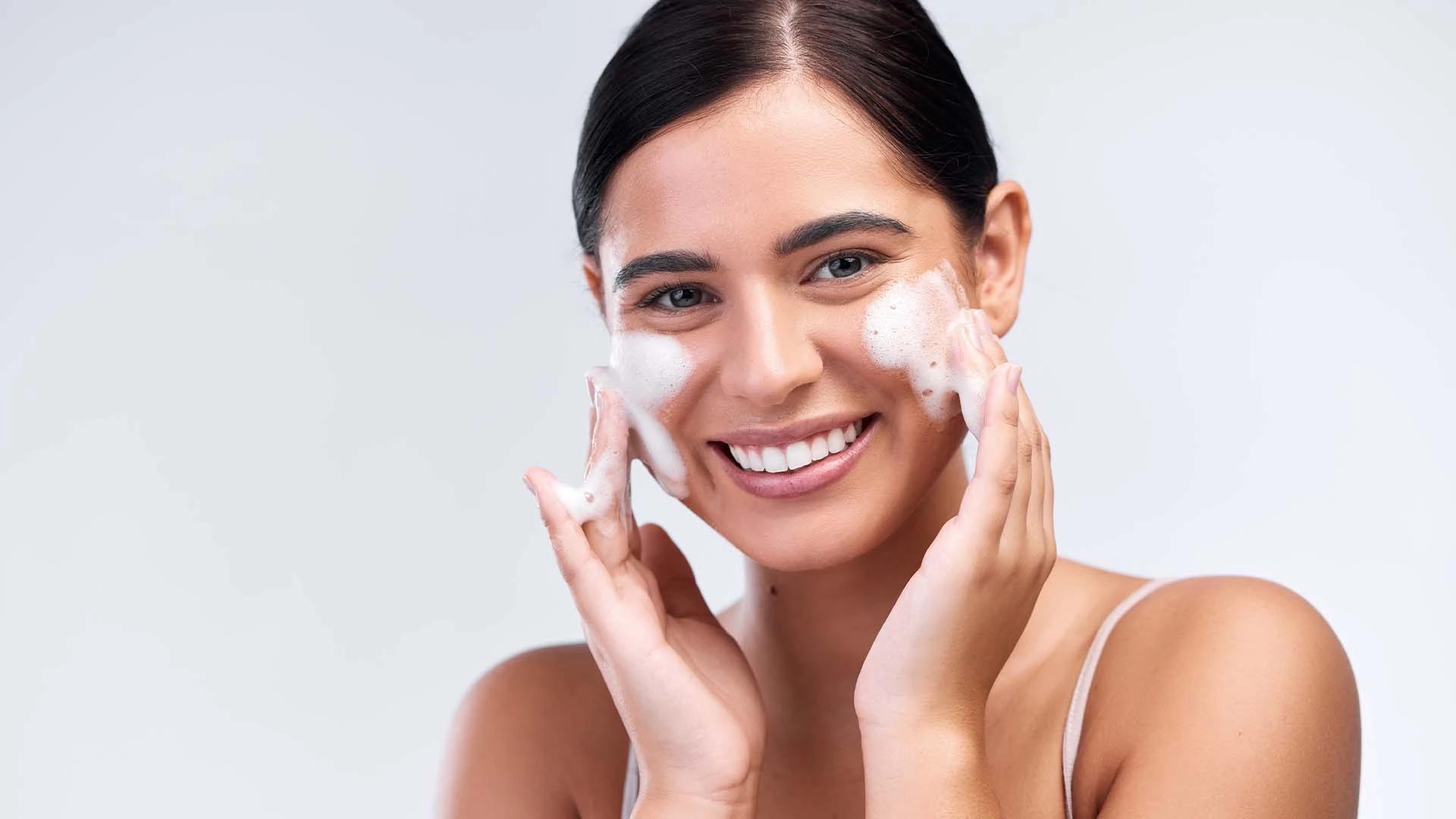
Start your day with gentle cleansing using a pH-balanced face wash that removes overnight buildup without stripping your skin. Look for cleansers containing salicylic acid or niacinamide if you're dealing with increased oiliness or breakouts. These ingredients help control sebum production whilst maintaining your skin's natural barrier.
Follow up with lightweight hydration using water-based moisturisers or serums containing hyaluronic acid. This ingredient draws moisture from the humid air, providing hydration without the heavy feeling that cream-based products might leave during this season.

Mineral Sunscreen SPF 50 | Matte Finish | No White Cast | Non-Nano Zinc Oxide | Cica | Pregnancy Safe | All Skin Types | 50ml
Sun protection remains non-negotiable, even during cloudy monsoon days. Choose a non-comedogenic sunscreen with at least SPF 30. Gel-based or fluid formulations work particularly well during humid weather as they don't feel heavy or greasy on the skin.
Consider adding an antioxidant serum with vitamin C to your morning routine. This helps protect your skin from environmental damage and can brighten your complexion, which tends to look duller during the monsoon months.
Your evening routine becomes even more important during monsoon as you need to remove the day's accumulation of pollution, sweat, and excess oil. Start with double cleansing – use a gentle oil cleanser or micellar water first, followed by your regular face wash.
Incorporate targeted treatments based on your specific concerns. Niacinamide works brilliantly for oil control and pore refinement, whilst retinol (used 2-3 times a week) can help with cell turnover and preventing clogged pores.
Finish with a lightweight night moisturiser that supports your skin's repair processes without feeling heavy. Look for ingredients like peptides or ceramides that help strengthen your skin barrier.
Once or twice a week, incorporate gentle exfoliation using AHAs like glycolic or lactic acid. This helps remove dead skin cells that can clog pores in humid conditions, but be careful not to over-exfoliate as this can compromise your skin barrier.
Choosing the right products for monsoon skincare requires understanding how different formulations perform in humid conditions. The goal is to find products that provide necessary benefits without feeling heavy or contributing to the sticky feeling that high humidity can create.
When shopping for monsoon skincare products, pay attention to texture and absorption rates. Products that sink into the skin quickly and don't leave a residue work best during this season.
Gel-based cleansers are excellent for oily and combination skin during monsoon. They provide thorough cleansing without over-drying, and their lightweight texture feels refreshing in humid weather. Look for formulations with tea tree oil or neem for their antibacterial properties.
If you have dry or sensitive skin, opt for cream cleansers that maintain your skin's moisture barrier whilst still removing impurities effectively. These should feel comfortable and not leave your skin feeling tight after cleansing.
Micellar water serves as an excellent first step in double cleansing or as a gentle option for sensitive skin. It's particularly useful during monsoon when you might need to cleanse more frequently due to increased sweating and humidity.
The debate between water-based and oil-based moisturisers becomes particularly relevant during monsoon. Water-based formulations typically feel lighter and absorb faster, making them ideal for humid conditions. They provide necessary hydration without contributing to the heavy feeling that humidity can create.
Gel moisturisers are particularly beneficial during this season. They provide hydration whilst feeling cooling and refreshing on the skin. Look for ingredients like aloe vera, glycerin, and hyaluronic acid that attract and retain moisture effectively.

Salicylic Acid Face Cleanser | Deep Cleansing Formula for Breakouts | Unclogs Pores & Controls Oil | For Oily & Acne-Prone Skin | 100ml
Your sunscreen choice becomes crucial during monsoon as you need protection that won't feel uncomfortable in humid conditions. Lightweight, non-greasy formulations work best, particularly those with a matte finish that helps control shine throughout the day.
Consider water-resistant options if you'll be exposed to rain or high humidity for extended periods. Chemical sunscreens often feel lighter than physical ones in humid weather, but choose based on your skin's tolerance and preferences.
Indian households have long relied on natural ingredients for skincare, and many of these traditional remedies work particularly well during monsoon season. These natural skincare options can complement your regular routine or serve as gentle alternatives when your skin feels sensitive.
The beauty of natural remedies lies in their accessibility and gentleness. Most ingredients are readily available in Indian kitchens, making them convenient options for addressing specific monsoon skin concerns.
A turmeric and yogurt mask works wonders for monsoon skin concerns. Mix a pinch of turmeric with two tablespoons of plain yogurt. The antibacterial properties of turmeric help prevent breakouts, whilst yogurt provides gentle exfoliation and hydration. Leave on for 15 minutes before rinsing with cool water.
For purifying and moisturising benefits, try a neem and honey mask. Grind fresh neem leaves into a paste and mix with a tablespoon of raw honey. This combination helps fight bacteria whilst providing gentle hydration, making it perfect for acne-prone skin during humid weather.
A gram flour (besan) scrub provides gentle exfoliation that's particularly beneficial during monsoon. Mix besan with rose water or milk to form a paste. This traditional remedy helps remove dead skin cells and excess oil without being too harsh on the skin.
Aloe vera gel straight from the plant serves as an excellent soothing and hydrating treatment. It's particularly useful for calming irritated skin or providing lightweight moisture during humid weather.
Green tea makes an excellent toner for monsoon skincare. Brew a strong cup, let it cool, and apply with a cotton pad. The antioxidants help protect your skin whilst the astringent properties can help control excess oil.
Rice water, the starchy water left after washing rice, serves as a gentle cleanser and brightening treatment. It's particularly beneficial for those with sensitive skin who need a mild cleansing option during humid weather.
Achieving healthy skin during monsoon goes beyond just topical skincare products. Your lifestyle choices, diet, and daily habits play a significant role in how your skin responds to the seasonal changes and humid conditions.
Small adjustments to your daily routine can make a substantial difference in maintaining clear, healthy skin throughout the monsoon season.
Despite the increased humidity, internal hydration remains crucial for skin health. The humid weather might make you feel less thirsty, but your skin still needs adequate water intake to maintain its barrier function and overall health.

Hydrating Moisturizer | Non-Comedogenic | Boosts Collagen & Hydrates Deeply | Ceramides + Niacinamide | For Normal to Dry Skin | 50g
Include foods rich in antioxidants and vitamins in your diet. Fresh fruits like oranges, berries, and pomegranates provide vitamin C that supports collagen production and helps fight environmental damage. Leafy greens and nuts provide essential fatty acids that support skin barrier function.
Avoid foods that might trigger breakouts during this sensitive season. Highly processed foods, excessive dairy, and foods high in refined sugars can exacerbate skin issues during monsoon when your skin is already dealing with increased humidity and potential bacterial growth.
Keep your skin as dry and clean as possible throughout the day. Change out of wet clothes immediately and ensure you're thoroughly drying yourself after getting caught in the rain. Damp clothing against the skin can lead to fungal infections and irritation.
Choose breathable fabrics like cotton that allow air circulation and don't trap moisture against your skin. Synthetic fabrics can exacerbate skin issues during humid weather by preventing proper ventilation.
Maintain good personal hygiene by showering regularly, especially after being outdoors in humid conditions. Use a gentle, pH-balanced body wash that won't strip your skin's natural oils whilst effectively removing sweat and environmental pollutants.
During monsoon, you can wash your face twice daily with a gentle cleanser. If you have very oily skin or sweat excessively, you might benefit from an additional midday cleanse with just water or micellar water. Avoid over-cleansing as this can strip your skin and trigger increased oil production.
Never skip moisturiser, even during humid weather. Oily skin still needs hydration to maintain its barrier function. Instead, switch to a lightweight, water-based moisturiser or gel formulation that provides necessary moisture without feeling heavy or contributing to excess oiliness.
You might need to make some adjustments to your summer routine for monsoon. While core products like cleanser and sunscreen can often remain the same, you might want to switch to lighter moisturisers or add products that address increased humidity concerns like excess oil or breakouts.
Neem, turmeric, aloe vera, and tea tree oil are excellent natural ingredients for monsoon skincare. They offer antibacterial and anti-inflammatory properties that help address common monsoon skin concerns like breakouts and irritation whilst being gentle enough for regular use.
Navigating monsoon skincare for Indian skin doesn't have to be overwhelming. The key lies in understanding how humidity affects your specific skin type and making thoughtful adjustments to your routine rather than complete overhauls. Remember that consistency matters more than perfection – it's better to stick with a simple, effective routine than to constantly switch products.
Your skin will notice the difference when you choose products and practices that work with the season rather than against it. Whether you're exploring new formulations or incorporating time-tested natural remedies, the goal remains the same: healthy, balanced skin that can weather any season.
For those looking to discover new products perfect for monsoon skincare, platforms like Smytten offer the opportunity to try samples before committing to full sizes. With over 28 million users trusting their curated selection of premium beauty brands, you can explore monsoon-appropriate products with confidence, earning cashback on purchases whilst finding what truly works for your skin. Real talk – there's nothing quite like finding that perfect lightweight moisturiser or gentle cleanser that makes humid weather feel manageable rather than miserable.
