How to Treat Skin Dark Patches for Brighter Skin


Target & Fade Duo for Hyperpigmentation | Even-Tone Underarms, Inner Thighs & Bum | Refines Skin Texture | For All Skin Types
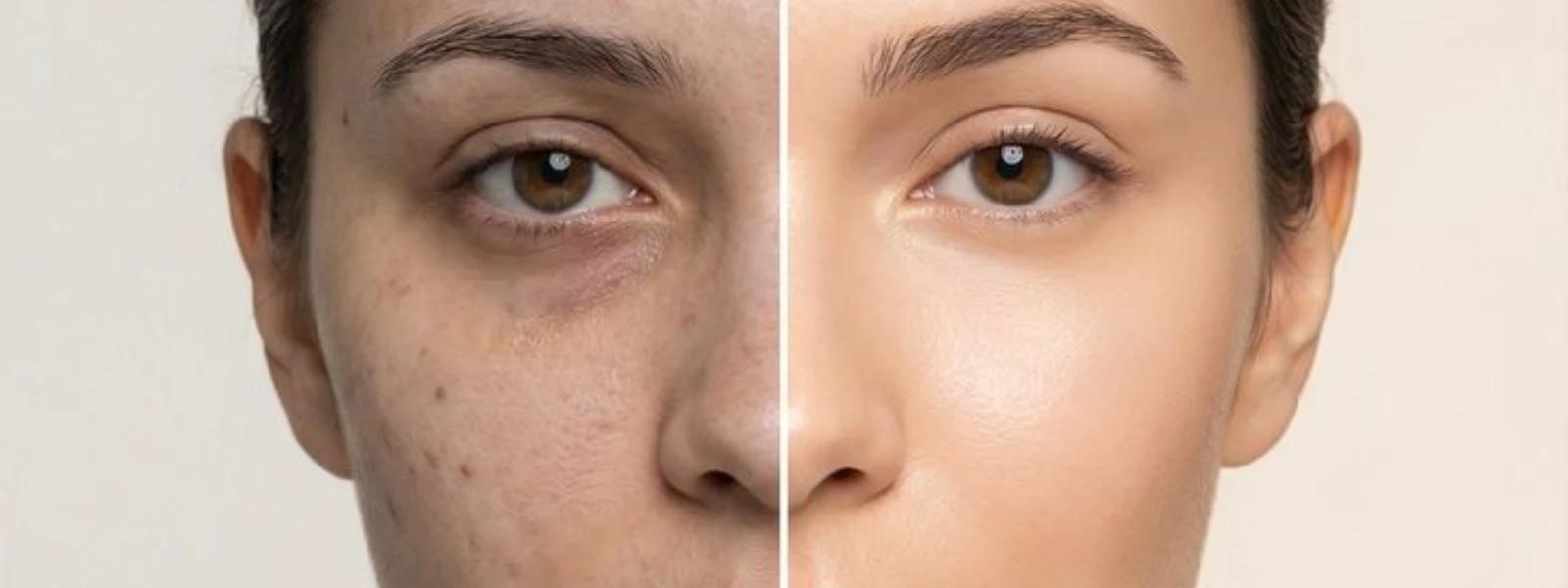
You've noticed them in the mirror—those stubborn dark patches that seem to have appeared overnight. Whether it's the aftermath of a particularly aggressive breakout, those persistent sun spots from last summer's holiday, or the melasma that developed during pregnancy, skin discoloration can feel frustrating and overwhelming. The good news? Treating skin dark patches is entirely possible with the right approach, patience, and understanding of what's actually happening beneath your skin's surface.
Hyperpigmentation occurs when your skin produces excess melanin—the pigment responsible for your skin's colour. Think of melanin as your skin's natural defence mechanism; it ramps up production when it senses threat or damage, creating those darker patches we're keen to address.
The most common types include melasma (often called the "pregnancy mask"), sun spots from UV damage, age spots that develop over time, and post-inflammatory hyperpigmentation that follows acne or injury. Each type responds differently to treatment, which is why understanding your specific concern matters.
Hormonal fluctuations during pregnancy or whilst taking contraceptives can trigger melasma, particularly around the cheeks and forehead. Sun exposure remains the biggest culprit for most pigmentation issues—those UV rays stimulate melanin production long after you've left the beach. Even indoor lighting and blue light from screens can contribute to uneven skin tone over time.
Inflammation from acne, eczema, or even aggressive skincare routines can leave behind dark marks that persist for months. Genetics also play a role—if your family tends toward pigmentation issues, you're more likely to develop them too.
When home remedies aren't cutting it, professional treatments offer faster, more dramatic results for pigmentation correction. These treatments work by either removing the pigmented skin layers or disrupting melanin production at its source.
Chemical peels use acids like glycolic, lactic, or TCA to remove damaged skin layers, revealing brighter skin underneath. Light peels require minimal downtime but need multiple sessions, whilst deeper peels offer more dramatic results with longer recovery periods. Most people see improvement after 3-6 treatments spaced 2-4 weeks apart.
IPL (Intense Pulsed Light) and Q-switched lasers target melanin directly, breaking up pigmented cells so your body can naturally eliminate them. These treatments work particularly well for sun spots and age spots, though they require sun avoidance during healing. Results typically appear 2-4 weeks post-treatment as the darkened areas flake away.

Mineral Sunscreen SPF 50 | Matte Finish | No White Cast | Non-Nano Zinc Oxide | Cica | Pregnancy Safe | All Skin Types | 50ml
Dermatologists often prescribe hydroquinone (the gold standard for melasma treatment), tretinoin for cell turnover acceleration, or combination therapies like Tri-Luma. These require careful monitoring and sun protection, as they can initially make skin more sensitive to UV damage.
Whilst professional treatments offer faster results, consistent home care with proven ingredients can gradually improve skin discoloration and prevent new dark patches from forming. The key is patience and realistic expectations—natural skin brightening typically takes 3-6 months to show significant results.
Vitamin C works as both an antioxidant and melanin inhibitor, making it essential for treating existing dark patches whilst preventing new ones. Look for stable forms like magnesium ascorbyl phosphate or sodium ascorbyl phosphate if you have sensitive skin. Apply in the morning before SPF for maximum protection and brightening benefits.
Derived from rice fermentation, kojic acid gently inhibits tyrosinase—the enzyme responsible for melanin production. Licorice extract contains glabridin, which has similar melanin-inhibiting properties plus anti-inflammatory benefits. Both ingredients work well for sensitive skin types that can't tolerate stronger actives.
Niacinamide (vitamin B3) reduces melanin transfer from melanocytes to skin cells, gradually evening out skin tone without irritation. It's particularly effective for post-acne marks and works well with other brightening ingredients. Start with 5% concentrations and use twice daily for best results.
Consistency trumps intensity when it comes to treating skin dark patches. Your routine should focus on gentle exfoliation, melanin inhibition, and protection—all whilst maintaining your skin's barrier function.
Start with a gentle cleanser that won't strip your skin, followed by a vitamin C serum to protect against environmental damage and inhibit melanin production. Apply a lightweight moisturiser to maintain hydration, then finish with broad-spectrum SPF 30 or higher—this step is non-negotiable when treating pigmentation.

Salicylic Acid Face Cleanser | Deep Cleansing Formula for Breakouts | Unclogs Pores & Controls Oil | For Oily & Acne-Prone Skin | 100ml
Evening is when your skin repairs itself, making it the ideal time for active ingredients. After cleansing, apply treatments like niacinamide, kojic acid, or prescription retinoids. Follow with a nourishing moisturiser to support barrier repair overnight. Introduce new actives gradually to avoid irritation that could worsen pigmentation.
Gentle exfoliation 1-2 times weekly helps remove dead skin cells and allows treatment products to penetrate better. Choose chemical exfoliants like lactic acid over physical scrubs, which can cause micro-tears and inflammation. Weekly brightening masks with ingredients like kojic acid or licorice extract provide an extra boost.
Prevention remains the most effective approach to managing hyperpigmentation. Once you've addressed existing dark patches, maintaining these habits ensures they don't return with a vengeance.
Broad-spectrum SPF 30 minimum, reapplied every 2 hours, forms your first line of defence. But don't stop there—seek shade during peak UV hours (10am-4pm), wear wide-brimmed hats, and consider UV-protective clothing for extended outdoor activities. Even on cloudy days, up to 80% of UV rays penetrate clouds.
Avoid aggressive scrubbing, picking at spots, or using harsh ingredients that cause inflammation. Post-inflammatory hyperpigmentation often proves more stubborn than the original concern, so treat your skin with the gentleness it deserves. When breakouts occur, resist the urge to squeeze and instead use targeted treatments.
If you're prone to melasma, discuss hormonal contraception options with your GP, as some formulations can trigger or worsen pigmentation. During pregnancy, stick to pregnancy-safe brightening ingredients like vitamin C and niacinamide, avoiding retinoids and hydroquinone.
Whilst many cases of skin discoloration respond well to consistent home care, certain situations warrant professional evaluation. If dark patches appear suddenly, change in size or colour, have irregular borders, or don't respond to 3-6 months of proper treatment, book a dermatologist consultation.
Dermatologists can distinguish between benign pigmentation and more serious conditions, plus access prescription treatments not available over-the-counter. They might recommend patch testing to identify specific triggers or suggest combination therapies for stubborn cases.

Hydrating Moisturizer | Non-Comedogenic | Boosts Collagen & Hydrates Deeply | Ceramides + Niacinamide | For Normal to Dry Skin | 50g
Professional treatments often provide faster results for special events or severe pigmentation, though they require proper aftercare and sun protection to maintain results. Many dermatologists now offer payment plans for cosmetic treatments, making professional care more accessible.
Most dark skin patches can be significantly lightened or removed through consistent treatment, though complete removal depends on the type, depth, and age of the pigmentation. Surface-level sun spots often respond better than deep melasma. Realistic expectations and patience are key—most treatments require 3-6 months to show full results.
Home treatments typically show initial improvement after 6-8 weeks of consistent use, with significant results appearing after 3-6 months. Professional treatments like chemical peels or laser therapy may show results sooner—often within 2-4 weeks—but still require multiple sessions for optimal outcomes.
Natural ingredients like vitamin C, kojic acid, and niacinamide can effectively lighten dark patches, though they typically work slower than prescription treatments. They're excellent for maintenance and prevention, plus suitable for sensitive skin types. Consistency and sun protection remain crucial for success with natural approaches.
Melasma typically appears as symmetrical patches on the face, often triggered by hormonal changes during pregnancy or contraceptive use. Sun spots (also called age spots) result from cumulative UV damage and appear as discrete, well-defined dark spots, usually on sun-exposed areas like hands, face, and shoulders.
Yes, but introduce them gradually to avoid irritation. Vitamin C pairs well with niacinamide and kojic acid, whilst retinoids should be used separately from acids. Start with one new ingredient every 2-3 weeks, and always patch test. If irritation occurs, scale back—inflammation can worsen pigmentation.
Treating skin dark patches requires patience, consistency, and the right approach for your specific concerns. Whether you choose professional treatments for faster results or prefer the gentle, gradual approach of natural remedies, success lies in understanding your skin's needs and protecting it from future damage.
Remember that skincare is deeply personal—what works brilliantly for your friend might not suit your skin type or lifestyle. The journey to brighter, more even skin tone isn't always linear, but with the right knowledge and realistic expectations, you can achieve the results you're after. Your skin will notice the difference, and more importantly, you'll feel confident in the skin you're in.
