How to Treat Post-Inflammatory Hyperpigmentation on Indian Skin This Monsoon


Target & Fade Duo for Hyperpigmentation | Even-Tone Underarms, Inner Thighs & Bum | Refines Skin Texture | For All Skin Types
You've been dealing with those stubborn dark spots left behind by last month's breakouts, and now the monsoon's arrived with its promise of humidity, unexpected pimples, and that frustrating cycle of inflammation followed by more pigmentation. If you're wondering how to treat post-inflammatory hyperpigmentation for Indian skin during monsoon season, you're not alone. The combination of our naturally melanin-rich skin and the monsoon's unique challenges creates the perfect storm for persistent dark spots that seem to linger far longer than the original blemish ever did.
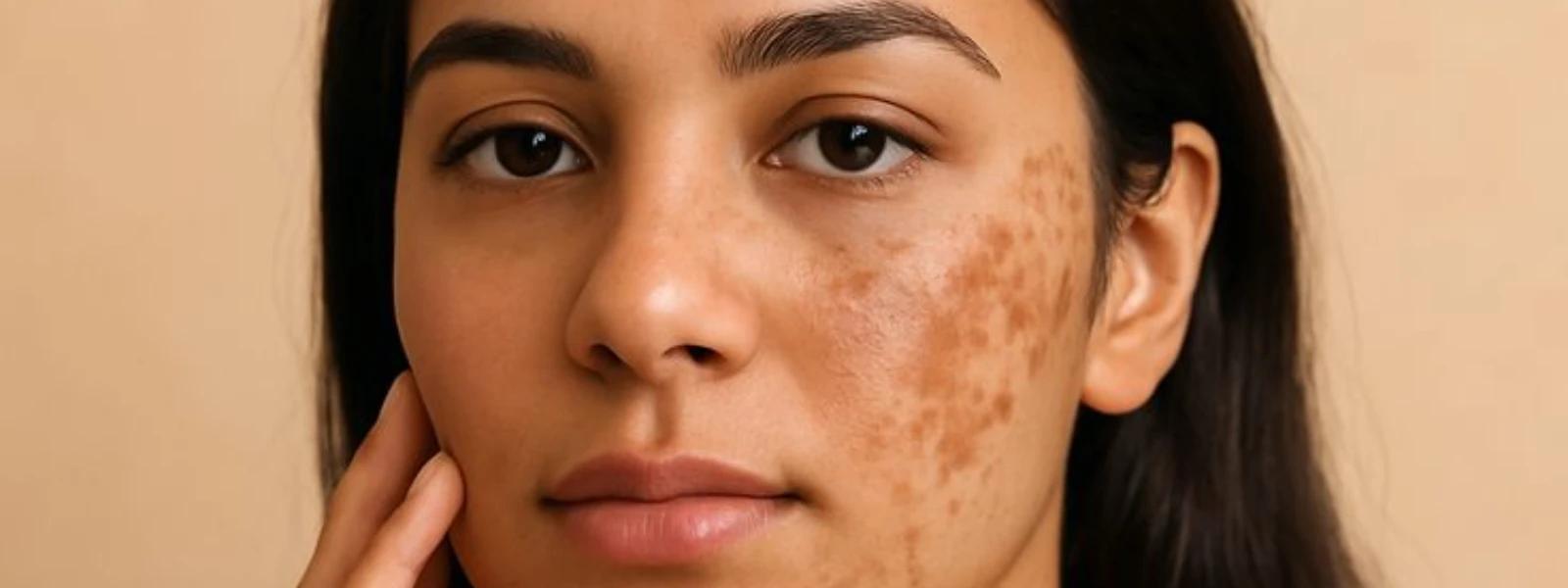
Post-inflammatory hyperpigmentation (PIH) is your skin's way of responding to trauma or inflammation. When a pimple, cut, or any form of skin irritation heals, it can leave behind a dark mark that's actually an overproduction of melanin in that specific area. Think of it as your skin's overzealous attempt at protection.
Here's the real talk about Indian skin hyperpigmentation: our naturally higher melanin content, which beautifully protects us from UV damage, also means our melanocytes (pigment-producing cells) are more reactive. When inflammation occurs, these cells can go into overdrive, producing excess pigment that creates those persistent dark spots. This is why a simple mosquito bite or small pimple can leave a mark that lasts months.
PIH differs from melasma or age spots because it's directly linked to a specific inflammatory event. You can usually trace each dark spot back to a particular breakout, scratch, or skin irritation. The good news? Unlike some other forms of hyperpigmentation, PIH is entirely treatable with the right approach.
The monsoon season brings unique obstacles for anyone dealing with PIH treatment monsoon concerns. The increased humidity doesn't just make your hair frizzy—it creates an environment where bacteria thrive, leading to more breakouts and, consequently, more potential for post-inflammatory hyperpigmentation.
During monsoon, your skin's natural healing process slows down due to the constant moisture in the air. This means existing dark spots take longer to fade naturally, whilst new inflammation from humidity-induced breakouts creates fresh pigmentation concerns. The cloudy weather also tricks many people into skipping sunscreen, but UV rays penetrate clouds easily, potentially darkening existing PIH and slowing the fading process.
Additionally, the temptation to use heavier, more occlusive products during the cooler monsoon weather can backfire on acne-prone skin, leading to clogged pores and the inflammation-pigmentation cycle continuing. Your monsoon skincare Indian skin routine needs to balance treating existing dark spots whilst preventing new ones from forming.
When it comes to hyperpigmentation treatment Indian skin responds to, certain ingredients have proven track records for safely and effectively fading dark spots without causing irritation or paradoxical darkening.

Mineral Sunscreen SPF 50 | Matte Finish | No White Cast | Non-Nano Zinc Oxide | Cica | Pregnancy Safe | All Skin Types | 50ml
Hydroquinone remains the gold standard for how to fade dark spots, working by inhibiting tyrosinase, the enzyme responsible for melanin production. For Indian skin, concentrations of 2% are typically effective and well-tolerated. Start slowly, using it every other evening to assess your skin's response.
Retinoids accelerate cell turnover, helping pigmented cells shed faster whilst preventing new pigmentation from forming. They're particularly effective for post-acne marks because they also help prevent future breakouts. Begin with a low concentration retinol or speak to a dermatologist about prescription options.
Vitamin C serums offer dual benefits: they help fade existing pigmentation whilst providing antioxidant protection against environmental stressors that can worsen PIH. Look for stable forms like magnesium ascorbyl phosphate, which work well in humid conditions.
Niacinamide is particularly valuable for Indian skin because it reduces inflammation (preventing new PIH) whilst gradually fading existing dark spots. It's also excellent for controlling the excess oil production that monsoon humidity can trigger.
For faster results, dermatologist-administered treatments can significantly accelerate PIH fading. Chemical peels using glycolic acid or lactic acid are particularly effective for Indian skin tones when performed by experienced professionals. These treatments remove the top layers of pigmented skin whilst stimulating healthy cell renewal.
Laser treatments like Q-switched lasers can target specific pigmented areas without affecting surrounding skin. However, it's crucial to work with a dermatologist experienced in treating darker skin tones to avoid post-treatment hyperpigmentation.
An effective skincare routine for dark spots during monsoon needs to address multiple concerns simultaneously: treating existing pigmentation, preventing new breakouts, and protecting against environmental factors that worsen PIH.
Start with a gentle, non-stripping cleanser that won't irritate healing skin. Follow with a vitamin C serum to provide antioxidant protection and gradual pigmentation improvement. Use a lightweight, non-comedogenic moisturiser that won't clog pores in humid weather, and always finish with broad-spectrum SPF 30 or higher—even on cloudy monsoon days.

Salicylic Acid Face Cleanser | Deep Cleansing Formula for Breakouts | Unclogs Pores & Controls Oil | For Oily & Acne-Prone Skin | 100ml
Double cleanse to remove the day's buildup of pollution and humidity-induced excess oil. Apply your chosen pigmentation treatment—whether it's hydroquinone, retinoid, or other active ingredients. Follow with a hydrating but non-heavy moisturiser to support skin barrier function during the treatment process.
Incorporate gentle exfoliation 2-3 times weekly using AHAs like glycolic or lactic acid. These help accelerate the shedding of pigmented skin cells whilst improving overall skin texture. Use hydrating masks once weekly to maintain skin moisture balance during active treatment.
Many people unknowingly sabotage their skin pigmentation remedies efforts through well-intentioned but counterproductive practices. DIY treatments like lemon juice or turmeric paste can actually worsen PIH on Indian skin by causing irritation or photosensitivity.
Over-exfoliation is particularly tempting during monsoon when skin feels congested, but aggressive scrubbing can inflame existing PIH and create new areas of pigmentation. Similarly, picking at active breakouts or dark spots disrupts the healing process and often leads to deeper, more persistent pigmentation.
Skipping sunscreen on cloudy days is perhaps the biggest mistake. UV exposure is one of the primary factors that darken existing PIH and slow the fading process. Clouds don't block UV rays effectively, making daily sun protection essential for successful treatment.
The most effective approach to post-inflammatory hyperpigmentation remedies is preventing PIH formation in the first place. This means treating acne promptly and gently, avoiding picking or squeezing blemishes, and protecting any cuts or insect bites from sun exposure whilst they heal.
Maintaining a consistent anti-inflammatory skincare routine helps reduce the likelihood of severe inflammation that leads to PIH. This includes using gentle products, avoiding over-cleansing, and incorporating soothing ingredients like niacinamide or centella asiatica into your routine.
Early intervention is key—the sooner you begin treating a dark spot, the faster and more completely it will fade. Don't wait for PIH to become deeply established before starting treatment.

Hydrating Moisturizer | Non-Comedogenic | Boosts Collagen & Hydrates Deeply | Ceramides + Niacinamide | For Normal to Dry Skin | 50g
The fastest approach combines hydroquinone or retinoids with consistent sun protection and gentle exfoliation. Professional treatments like chemical peels can accelerate results, but expect 6-12 weeks for visible improvement with consistent home treatment. Patience is essential—rushing the process with harsh treatments often backfires.
Without treatment, PIH on Indian skin can take 6-24 months to fade naturally, and some spots may never completely disappear. With proper treatment, you can expect significant improvement within 2-6 months. The key is consistency and using proven ingredients rather than hoping time alone will solve the problem.
Whilst some traditional ingredients have anti-inflammatory properties, there's limited scientific evidence for their effectiveness in treating established PIH. If you want to incorporate natural ingredients, use them alongside proven treatments rather than as replacements. Always patch test first, as natural doesn't always mean gentle or safe.
Whilst diet doesn't directly cause PIH, foods that trigger inflammation or breakouts can indirectly worsen the condition. Focus on an anti-inflammatory diet rich in antioxidants, and stay hydrated to support your skin's natural healing processes. However, topical treatments remain far more important than dietary changes for PIH improvement.
Treating post-inflammatory hyperpigmentation on Indian skin during monsoon requires patience, consistency, and the right combination of ingredients. Remember that your skin's higher melanin content, whilst making you more prone to PIH, also means you need gentler, more sustained approaches rather than aggressive treatments that can backfire.
The monsoon season doesn't have to mean accepting persistent dark spots. With proper treatment, sun protection, and realistic expectations, you can significantly improve your skin's clarity and evenness. For those looking to explore effective treatments, platforms like Smytten Shop offer curated selections of proven skincare products, allowing you to try different formulations and find what works best for your unique skin needs. Their extensive range includes options from trusted brands, making it easier to build an effective PIH treatment routine without the guesswork.
Your skin will notice the difference when you commit to a consistent, science-backed approach. Start with one or two key ingredients, be patient with the process, and remember that preventing new PIH is just as important as treating existing spots. Clear, even-toned skin is absolutely achievable—it just requires the right strategy and commitment to the process.
