How to Treat Pigmentation in Melanin Skin: Expert Tips
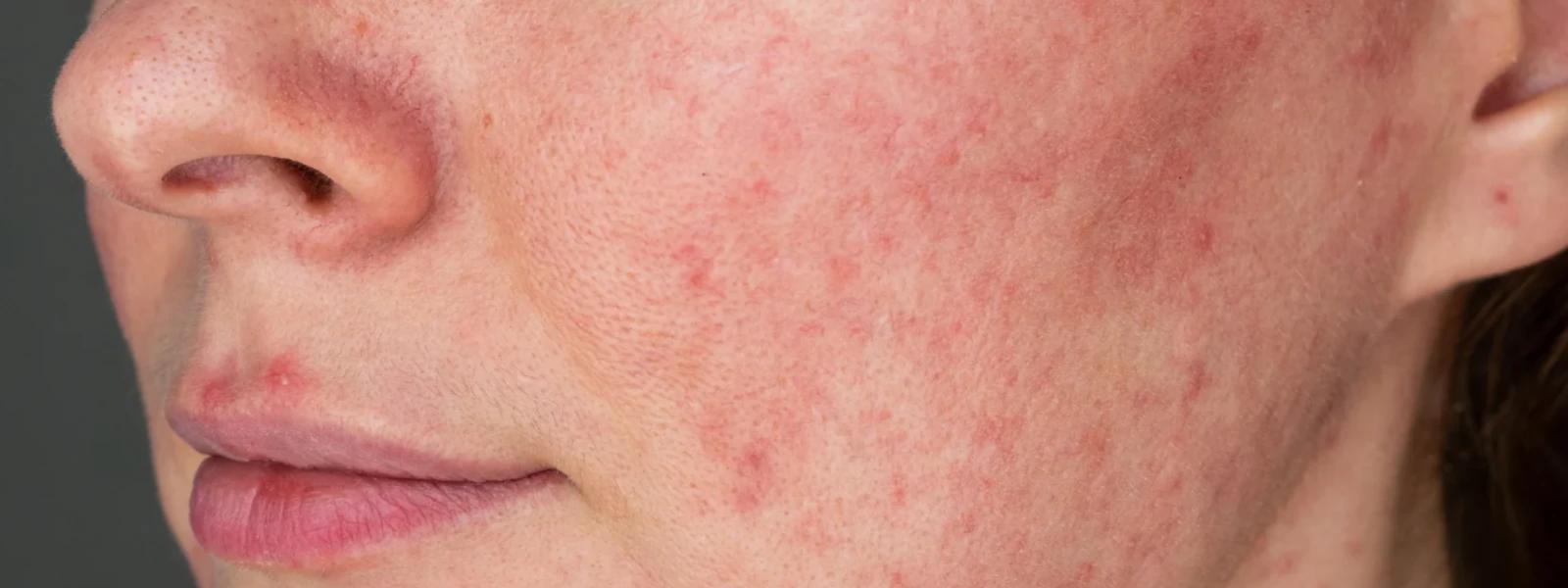

You've noticed those stubborn dark spots that seem to appear overnight but take forever to fade. Whether it's post-acne marks from last summer's breakouts or melasma patches that emerged during pregnancy, dealing with pigmentation on melanin-rich skin feels like navigating a minefield. One wrong product and you're left with irritation or, worse, more discolouration. The truth is, melanin-rich skin requires a completely different approach to pigmentation treatment—one that respects your skin's unique needs whilst delivering real results.
Melanin-rich skin produces pigmentation differently than lighter skin tones, which means generic treatments often fall short or cause harm. Your skin's melanocytes are naturally more active, creating beautiful protection against UV damage but also making you more prone to post-inflammatory hyperpigmentation and uneven skin tone. Every small irritation—from a picked spot to harsh scrubbing—can trigger excess melanin production, leaving behind marks that linger for months.
The key difference lies in how your skin responds to inflammation. Whilst lighter skin might show temporary redness, melanin-rich skin often develops lasting dark spots. This isn't a flaw; it's your skin's protective mechanism working overtime. Understanding this helps you choose treatments that work with your skin, not against it.
Melasma appears as symmetrical patches, usually triggered by hormonal changes or sun exposure. Post-acne hyperpigmentation leaves dark marks where spots once were, often more noticeable than the original blemish. Sunspots on dark skin might be subtler but still create uneven tone, particularly on the forehead and cheeks. Age spots develop gradually, creating a patchy appearance that can make your complexion look dull.
When home remedies aren't cutting it, professional treatments offer faster, more dramatic results. However, not all treatments are suitable for melanin-rich skin. Some lasers and chemical peels can actually worsen pigmentation if not performed correctly, making it crucial to seek dermatologists experienced with darker skin tones.
Hydroquinone remains the gold standard for pigmentation treatment, available in 2% concentrations over-the-counter or 4% by prescription. It works by inhibiting tyrosinase, the enzyme responsible for melanin production. However, it requires careful use—prolonged application can cause ochronosis, a blue-black discolouration that's particularly problematic for darker skin.
Q-switched lasers target melanin deposits without damaging surrounding tissue, making them safer for darker skin than traditional ablative lasers. Chemical peels using glycolic acid, kojic acid, or azelaic acid can accelerate cell turnover, revealing fresher skin beneath. The key is starting with lower concentrations and building up gradually.
Microneedling combined with vitamin C or tranexamic acid serums enhances product penetration whilst stimulating collagen production. This dual action helps fade existing pigmentation whilst improving overall skin texture and tone.
Building an effective routine for treating pigmentation requires patience and consistency. Your skin needs time to turn over cells and reveal the improvements happening beneath the surface. Rushing the process with too many actives or high concentrations often backfires, causing irritation that leads to more pigmentation.
Start with a gentle approach that includes broad-spectrum SPF every morning—this is non-negotiable. UV exposure not only creates new pigmentation but darkens existing spots, undoing months of treatment progress. Look for SPF 30 or higher with zinc oxide or titanium dioxide for physical protection.
Begin with a gentle cleanser that won't strip your skin's natural barrier. Follow with a vitamin C serum containing L-ascorbic acid or magnesium ascorbyl phosphate—these antioxidants help prevent new pigmentation whilst supporting collagen production. Apply a lightweight moisturiser, then finish with your SPF. This simple routine creates a protective foundation for your skin throughout the day.
Evenings are when you introduce active ingredients for dark spot removal. Start with niacinamide, which reduces inflammation and helps regulate melanin transfer. Add azelaic acid 2-3 times weekly—it's gentler than hydroquinone but still effective for treating hyperpigmentation. Retinoids accelerate cell turnover but introduce them slowly to avoid irritation that could worsen pigmentation.
Whilst professional treatments offer faster results, natural ingredients can support your skin's healing process and provide gentle improvement over time. These methods work best for mild pigmentation and as maintenance between professional treatments.
Aloe vera gel contains compounds that inhibit tyrosinase activity whilst soothing inflammation. Apply fresh gel for 20-30 minutes daily, then rinse with cool water. Green tea extract provides antioxidant protection and mild melanin inhibition—you can apply cooled green tea as a toner or look for products containing EGCG.
Liquorice root extract contains glabridin, which helps fade dark spots without irritation. Kojic acid from fermented rice offers gentle melanin inhibition. Arbutin, derived from bearberry plants, provides a natural alternative to hydroquinone with fewer side effects.
These ingredients work slowly but safely, making them ideal for sensitive skin or those who prefer natural approaches. Combine them with consistent sun protection for best results.
Achieving even skin tone isn't just about treating existing pigmentation—it's about preventing new spots whilst supporting your skin's natural renewal process. This holistic approach ensures lasting results rather than temporary improvements.
Sun protection extends beyond daily SPF application. Seek shade during peak UV hours (10 AM to 4 PM), wear wide-brimmed hats, and reapply sunscreen every two hours. Even brief sun exposure can trigger melanin production in treated areas.
Diet plays a role in skin health and pigmentation. Foods rich in vitamin C, vitamin E, and antioxidants support your skin's natural repair processes. Hydration helps maintain healthy cell turnover, whilst adequate sleep allows your skin to regenerate effectively.
Stress management is often overlooked but crucial—chronic stress increases cortisol levels, which can trigger hormonal pigmentation like melasma. Regular exercise, meditation, or other stress-reduction techniques support overall skin health.
The biggest mistake when treating pigmentation is expecting overnight results. Melanin-rich skin care requires patience—visible improvements typically take 6-12 weeks with consistent treatment. Switching products too frequently or increasing concentrations too quickly often causes irritation that worsens pigmentation.
Avoid harsh scrubs or aggressive exfoliation, which can trigger post-inflammatory hyperpigmentation. Skip products with high concentrations of acids or retinoids without proper introduction. Never use skin-lightening products containing mercury or steroids—these can cause permanent damage.
Always patch test new products, especially those containing active ingredients. Start with lower concentrations and increase gradually as your skin adapts. Look for products specifically formulated for melanin-rich skin, as these consider your skin's unique needs and sensitivities.
When exploring new treatments, platforms like Smytten offer sample sizes that let you test products before committing to full sizes. This approach helps you find effective treatments without wasting money on products that don't work for your skin.
Most people notice initial improvements in 6-8 weeks with consistent treatment. Significant fading typically occurs over 3-6 months, depending on the severity of pigmentation and treatment method used. Deeper pigmentation may require 6-12 months of consistent care.
Natural ingredients like vitamin C, liquorice root, and kojic acid can help fade mild pigmentation over time. However, they work more slowly than clinical treatments and may not be effective for stubborn or deep pigmentation. They're best used as part of a comprehensive routine.
Hydroquinone can be safe when used correctly under dermatological guidance. However, prolonged use can cause ochronosis in darker skin. Use it for limited periods (3-4 months) with breaks, and always combine with sun protection.
This is normal when using active ingredients like retinoids or acids. They accelerate cell turnover, bringing deeper pigmentation to the surface before it can be shed. This process typically lasts 4-6 weeks before improvement becomes visible.
Not necessarily. Start with gentler acids like azelaic acid or mandelic acid, which are less likely to cause irritation. Introduce them slowly, use lower concentrations initially, and always follow with moisturiser and SPF.
Treating pigmentation in melanin-rich skin requires understanding your skin's unique characteristics and choosing treatments accordingly. The key is consistency, patience, and sun protection above all else. Whether you opt for professional treatments, natural remedies, or a combination approach, remember that lasting results take time.
Your skin's ability to produce melanin is actually a strength—it provides natural UV protection that lighter skin lacks. The goal isn't to fight this natural process but to guide it towards even, healthy-looking skin. With the right approach and realistic expectations, you can achieve the clear, radiant complexion you're working towards.
Remember, every skin journey is different. What works for your friend might not work for you, and that's perfectly normal. Take time to understand your skin's responses, celebrate small improvements, and don't hesitate to seek professional guidance when needed. Your skin will thank you for the patience and care you invest in it.
