How to Treat Minimalist Skincare for Indian Skin During Monsoon


Target & Fade Duo for Hyperpigmentation | Even-Tone Underarms, Inner Thighs & Bum | Refines Skin Texture | For All Skin Types
The first monsoon shower hits, and suddenly your carefully curated skincare routine feels all wrong. Your skin's producing more oil than usual, yet it somehow feels dehydrated. Sound familiar? You're not alone. Indian skin faces unique challenges during monsoon season, and the solution isn't adding more products to your shelf—it's about doing less, but doing it right. A minimalist approach to skincare during these humid months can actually give your skin exactly what it needs without overwhelming it.
Indian skin has distinct characteristics that make it particularly responsive to minimalist skincare approaches during monsoon. Our naturally higher melanin content provides some protection against UV damage, but it also makes us more prone to post-inflammatory hyperpigmentation when our skin barrier is compromised by too many products or harsh ingredients.
During monsoon, humidity levels in Indian cities can reach 80-90%, which dramatically affects how our skin behaves. The increased moisture in the air actually tricks our skin into producing more sebum, thinking it needs extra protection. This is why your T-zone might feel like an oil slick by midday, even if you've got combination skin.
A minimalist routine works because it reduces the risk of ingredient conflicts that can trigger breakouts or irritation. When you're dealing with humid weather, your skin is already working overtime to maintain its balance. Adding multiple active ingredients—like using a salicylic acid cleanser, followed by a niacinamide serum, then a retinol treatment—can overwhelm your skin's natural repair mechanisms.
Real talk: the fewer products you use, the easier it becomes to identify what's actually working for your skin. If you break out during monsoon, you'll know exactly which product might be the culprit, rather than playing detective with a 10-step routine.
Monsoon weather can temporarily shift your skin type, which is why your usual routine might not feel quite right. Understanding these changes helps you adapt your minimalist approach accordingly.
If you already have oily skin, monsoon can feel like your skin's rebellion season. The humidity triggers your sebaceous glands to work overtime, leading to that shiny, greasy feeling that no amount of blotting seems to fix. You might notice more blackheads forming, particularly around your nose and chin, because the excess oil mixes with dead skin cells and gets trapped in your pores.
The key isn't to strip your skin with harsh cleansers—that actually makes oil production worse. Instead, focus on gentle, consistent cleansing and lightweight hydration that won't add to the greasiness.
Combination skin during monsoon is particularly tricky because your T-zone might be producing excess oil while your cheeks feel tight or even flaky from air conditioning. This calls for a zone-specific approach within your minimalist routine.
You might need to apply your lightweight moisturiser more generously on your cheeks while using just a thin layer on your T-zone. Some people find that using a gel-based moisturiser on oily areas and a slightly creamier formula on dry patches works well.
Monsoon humidity creates the perfect breeding ground for bacteria, which means acne-prone skin needs extra attention without extra products. You might notice more inflammatory breakouts or even fungal acne, which appears as small, uniform bumps that don't respond to typical acne treatments.
The minimalist approach here focuses on maintaining a healthy skin barrier rather than attacking every blemish with multiple treatments. Gentle, consistent care often yields better results than aggressive spot treatments during humid weather.
A truly effective monsoon skincare routine for Indian skin needs just four essential steps. Each step serves a specific purpose, and skipping any of them can throw off your skin's balance during this challenging season.

Mineral Sunscreen SPF 50 | Matte Finish | No White Cast | Non-Nano Zinc Oxide | Cica | Pregnancy Safe | All Skin Types | 50ml
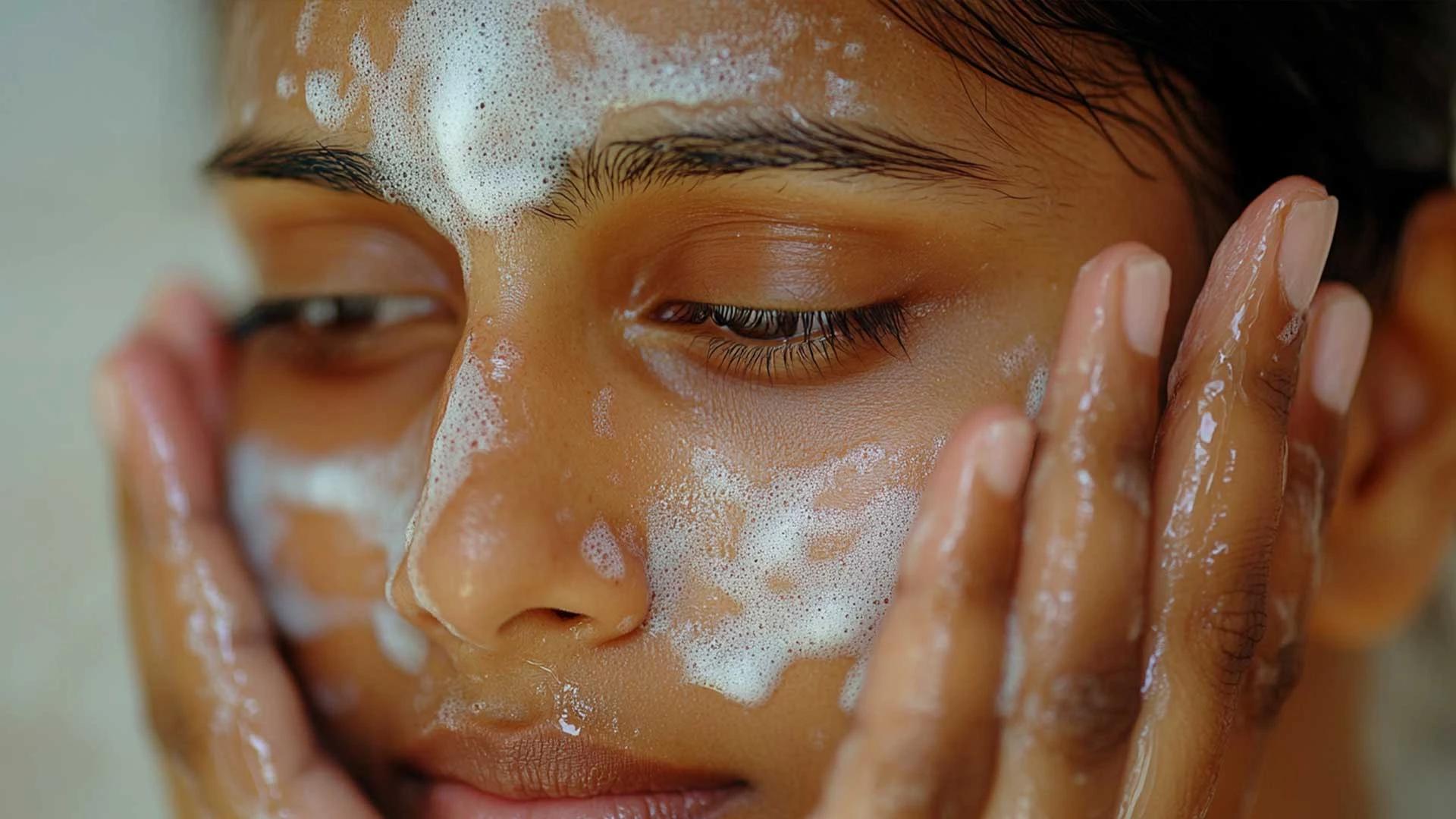
Your face wash becomes your most important tool during monsoon. Look for a gentle, pH-balanced cleanser that removes excess oil and environmental pollutants without stripping your skin. Gel-based cleansers work particularly well for most Indian skin types during humid weather.
If you're wearing sunscreen daily (which you absolutely should be), consider double cleansing in the evening. Start with a gentle cleansing oil or micellar water to break down sunscreen and any makeup, followed by your regular cleanser. This ensures you're starting fresh each day without over-cleansing.
Avoid cleansers with sulfates or high concentrations of salicylic acid during monsoon—they can be too harsh when your skin is already dealing with humidity stress.
This is where minimalism really shines. Choose one targeted treatment based on your primary skin concern. If excess oil is your main issue, a niacinamide serum can help regulate sebum production without causing dryness.
For those dealing with dehydration despite the humidity, a hyaluronic acid serum can provide moisture without heaviness. The key is using just one active ingredient at a time and giving it at least 4-6 weeks to show results.
If you're new to active ingredients, monsoon isn't the best time to start aggressive treatments. Stick to gentle, well-tolerated ingredients that support your skin barrier.
Never skip moisturiser during monsoon, even if your skin feels oily. The humidity can actually dehydrate your skin while making the surface feel greasy. Look for lightweight moisturisers with ingredients like ceramides or peptides that support your skin barrier without adding heaviness.
Gel-based moisturisers work beautifully for most Indian skin types during monsoon. They provide essential hydration while absorbing quickly, leaving your skin feeling comfortable rather than sticky.
Cloudy monsoon days are deceptive—UV rays penetrate through clouds, and the reflection off wet surfaces can actually increase your exposure. Choose a broad-spectrum SPF 30 or higher in a lightweight, water-resistant formula.
Gel-based or fluid sunscreens work particularly well during humid weather. They provide protection without the heavy, greasy feeling that can make monsoon skin feel suffocated.
When you're keeping your routine minimal, every ingredient needs to work harder. These ingredients are particularly well-suited for Indian skin during monsoon season.
Hyaluronic acid is a monsoon superstar because it actually works better in humid environments. It draws moisture from the air into your skin, providing hydration without heaviness. Look for products that combine different molecular weights of hyaluronic acid for both surface and deep hydration.
Glycerin is another humidity-friendly ingredient that helps maintain your skin's moisture balance. It's gentle enough for sensitive skin and works well in both cleansers and moisturisers.

Salicylic Acid Face Cleanser | Deep Cleansing Formula for Breakouts | Unclogs Pores & Controls Oil | For Oily & Acne-Prone Skin | 100ml
Aloe vera provides cooling relief and anti-inflammatory benefits, which can be particularly soothing if you're dealing with heat rash or irritation from increased sweating.
Niacinamide is perhaps the most versatile ingredient for Indian skin during monsoon. It helps regulate oil production, reduces the appearance of pores, and can even help fade post-inflammatory hyperpigmentation over time.
Zinc oxide in sunscreens provides gentle sun protection while offering mild oil-absorbing properties. It's less likely to cause breakouts compared to chemical sunscreen filters.
Heavy oils and butters can feel suffocating during humid weather and may contribute to clogged pores. Save rich, occlusive ingredients for the drier months.
Alcohol-based products might seem appealing for their oil-controlling properties, but they can actually trigger increased oil production as your skin tries to compensate for the dryness.
Even with the best intentions, it's easy to make mistakes when adapting your routine for monsoon weather. Here are the most common pitfalls and how to avoid them.
Over-cleansing is probably the biggest mistake people make during monsoon. When your skin feels oily and grimy from humidity, the temptation is to wash it more frequently. However, cleansing more than twice daily can strip your skin's natural protective barrier, leading to increased oil production and sensitivity.
Skipping moisturiser because your skin feels oily is another common error. Your skin needs hydration even when it's producing excess oil. The trick is choosing the right texture—gel-based formulas provide moisture without adding to the greasiness.
Using too many active ingredients at once is particularly problematic during monsoon. Your skin is already stressed from humidity and temperature changes. Adding multiple acids or treatments can lead to irritation and breakouts.
Don't forget about your neck and body during monsoon skincare. These areas are also affected by humidity and need gentle cleansing and lightweight moisturising to prevent issues like body acne or fungal infections.
Transitioning to a minimalist monsoon routine doesn't happen overnight. Your skin needs time to adjust, especially if you're coming from a more complex routine.
Start by simplifying gradually. In the first week, eliminate any unnecessary steps while keeping your core routine intact. This might mean dropping that extra serum or switching to a lighter moisturiser.
During weeks two and three, pay attention to how your skin responds. You might notice initial changes as your skin adjusts to fewer products. Some people experience a brief purging period, especially if they're reducing the number of active ingredients.
By week four, your skin should be settling into its new routine. This is when you can assess whether you need to make any adjustments—perhaps adding back one targeted treatment if needed, or switching to an even lighter moisturiser if you're still feeling too oily.
Remember, your skin's needs might change throughout the monsoon season. Early monsoon, when humidity is just building up, might require different products than peak monsoon when the air is saturated with moisture.

Hydrating Moisturizer | Non-Comedogenic | Boosts Collagen & Hydrates Deeply | Ceramides + Niacinamide | For Normal to Dry Skin | 50g
Yes, minimalist skincare can work for all skin types, but the specific products and techniques may vary. Oily skin might benefit from gel-based products and oil-controlling ingredients like niacinamide, while dry skin might need slightly richer formulations even in humid weather. The key is choosing the right products for your specific needs rather than following a one-size-fits-all approach.
Stick to cleansing twice daily—once in the morning and once in the evening. Even if your skin feels oily throughout the day, over-cleansing can strip your natural oils and trigger increased sebum production. If you need to refresh during the day, use a gentle micellar water or simply splash with cool water.
Never skip moisturiser, even during the most humid days. Oily-feeling skin can still be dehydrated underneath. Choose a lightweight, gel-based moisturiser that provides hydration without adding heaviness. Your skin needs moisture to maintain its barrier function, especially when dealing with environmental stressors like humidity and pollution.
Look for broad-spectrum SPF 30 or higher in a lightweight, water-resistant formula. Gel-based or fluid sunscreens work particularly well during humid weather as they absorb quickly without leaving a heavy residue. Zinc oxide-based formulas are often gentler and less likely to cause breakouts during monsoon.
Keep your skin clean and dry, especially after sweating. Use antifungal ingredients like tea tree oil (properly diluted) or look for products containing zinc pyrithione. Avoid heavy, occlusive products that can trap moisture against your skin. If you suspect fungal acne, consult a dermatologist for proper diagnosis and treatment.
You don't need to overhaul everything, but some adjustments are helpful. Focus on switching to lighter textures—gel cleansers instead of cream cleansers, gel moisturisers instead of heavy creams. You might also want to temporarily reduce the frequency of active ingredients like retinoids or strong acids until your skin adjusts to the humid weather.
Treating your Indian skin with a minimalist approach during monsoon isn't about doing less because you're lazy—it's about being strategic with what your skin actually needs. The humid weather, increased pollution, and temperature fluctuations of monsoon season create enough stress for your skin without adding the burden of multiple products and complex routines.
Your skin will notice the difference when you focus on gentle cleansing, appropriate hydration, and consistent sun protection rather than trying to address every concern with a different product. This approach is particularly valuable for Indian skin, which can be prone to hyperpigmentation when irritated by too many ingredients or harsh treatments.
The beauty of minimalist skincare lies in its sustainability—both for your skin and your routine. When you're working with just a few well-chosen products, you can really understand how each one affects your skin. This knowledge becomes invaluable as you navigate different seasons and life changes.
For those exploring new products or brands, platforms like Smytten Shop make it easier to try before committing to full sizes. With access to premium brands and the ability to test products through samples, you can build your perfect minimalist routine without the guesswork. The platform's curated selection and cashback offers mean you can discover what works for your unique skin needs without breaking the budget—something that resonates with the 28M+ users who've found their skincare matches through thoughtful exploration rather than impulse buying.
Remember, the goal isn't perfection—it's progress. Your skin's needs will evolve throughout the monsoon season, and that's completely normal. Stay curious about what works, be patient with the process, and trust that sometimes, less really is more.
