How to Treat Melasma: Your Options Explained


Target & Fade Duo for Hyperpigmentation | Even-Tone Underarms, Inner Thighs & Bum | Refines Skin Texture | For All Skin Types
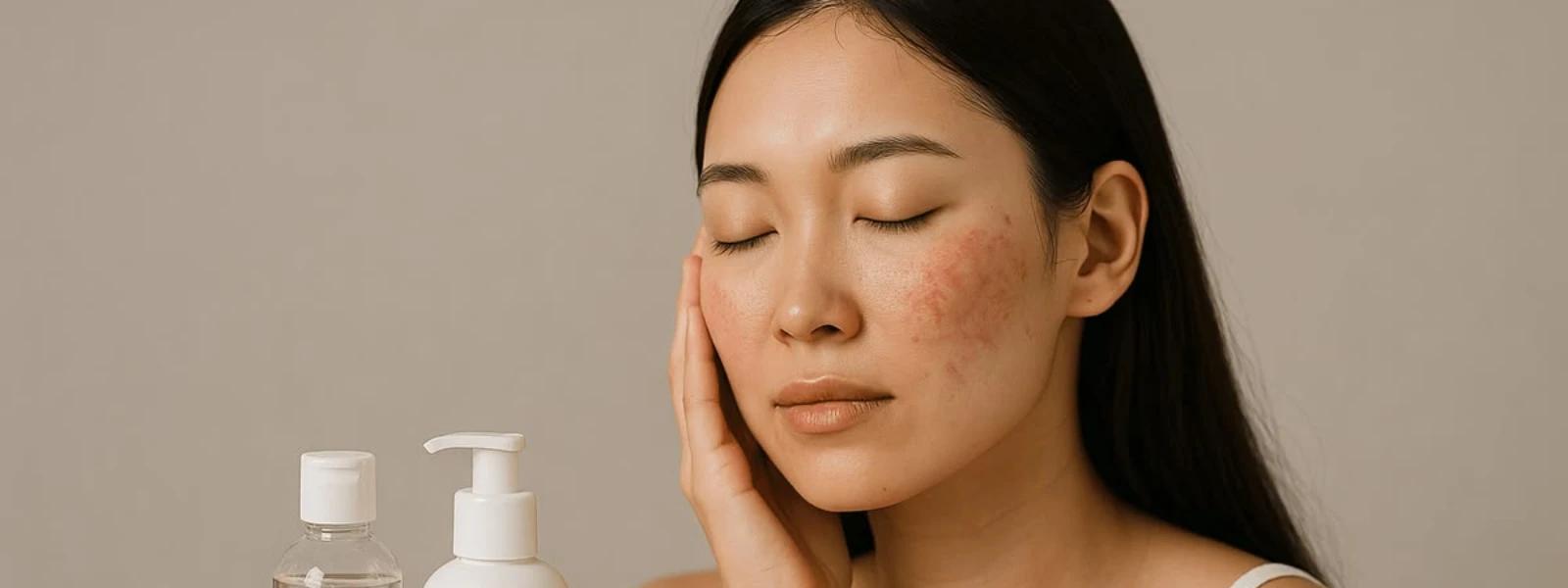
You've noticed those stubborn brown patches on your cheeks that seem to darken every summer, no matter how much concealer you apply. Or perhaps you're dealing with the "pregnancy mask" that appeared during those nine months and simply won't budge. Melasma affects millions of people worldwide, creating symmetrical patches of hyperpigmentation that can feel impossible to shift. The good news? There are proven melasma treatment options that work, from gentle topical treatments to professional procedures that target even the most persistent dark spots on face.
Melasma is a common skin condition that creates brown or grey-brown patches, typically appearing symmetrically across the face. Unlike other forms of hyperpigmentation such as post-inflammatory marks from acne, melasma has distinct characteristics that set it apart.
The condition primarily affects women, with hormonal fluctuations being one of the main melasma causes. Pregnancy hormones, birth control pills, and hormone replacement therapy can all trigger melanocyte activity, leading to increased pigment production. This is why melasma is often called "the pregnancy mask" or "chloasma."
Sun exposure acts as the primary catalyst, even when hormonal triggers are present. UV rays stimulate melanin production in already sensitive areas, which explains why melasma often worsens during summer months. The most common locations for these dark spots on face include the cheeks, forehead, bridge of the nose, and upper lip area.
Genetic predisposition also plays a significant role. If your mother or grandmother experienced melasma, you're more likely to develop it yourself. People with naturally darker skin tones are particularly susceptible, as their melanocytes are already more active.
Not all melasma is created equal, and understanding the type you're dealing with is crucial for selecting effective melasma treatment options. Dermatologists classify melasma into three main categories based on the depth of pigmentation.
Epidermal melasma sits in the upper layers of skin and typically responds well to topical treatments. Under a Wood's lamp examination, this type appears more pronounced and well-defined. Dermal melasma occurs deeper in the skin and often appears bluish-grey under examination. This type is more challenging to treat and may require professional procedures.
Mixed melasma combines both epidermal and dermal components, making it the most complex to address. The depth of pigmentation directly affects treatment success rates, with superficial melasma showing faster improvement than deeper variants.
When it comes to topical treatments for melasma, several proven ingredients can help fade stubborn patches over time. Hydroquinone remains the gold standard, available in concentrations from 2% (over-the-counter) to 4% (prescription strength). This ingredient works by inhibiting tyrosinase, the enzyme responsible for melanin production.
Triple combination creams containing hydroquinone, tretinoin, and a mild corticosteroid show the highest success rates in clinical studies. These formulations address multiple aspects of melasma simultaneously: hydroquinone lightens existing pigment, tretinoin accelerates cell turnover, and the steroid reduces inflammation.
Alternative lightening agents include kojic acid, arbutin, and vitamin C. These gentler options work well for sensitive skin or as maintenance treatments. Niacinamide also shows promise in reducing pigmentation whilst strengthening the skin barrier.

Mineral Sunscreen SPF 50 | Matte Finish | No White Cast | Non-Nano Zinc Oxide | Cica | Pregnancy Safe | All Skin Types | 50ml
When topical treatments aren't sufficient, professional procedures can provide more dramatic results for melasma removal. However, these treatments require careful consideration, as aggressive approaches can sometimes worsen melasma, particularly in darker skin tones.
Chemical peels using glycolic acid, lactic acid, or TCA can help accelerate cell turnover and fade pigmentation. Light peels can be performed regularly, whilst deeper peels require longer recovery periods but may provide more significant results.
Laser treatments have evolved significantly, with newer fractional lasers showing promise for pigmentation correction. Q-switched lasers target specific pigment particles, whilst fractional CO2 lasers create controlled micro-injuries to stimulate skin renewal.
Microneedling, particularly when combined with radiofrequency, can improve melasma by promoting collagen production and enhancing product penetration. Some practitioners combine this with topical lightening agents for enhanced results.
The field of melasma treatment continues to evolve, with several exciting developments showing promise in clinical trials. Tranexamic acid, traditionally used to control bleeding, has emerged as an effective melasma treatment when used both topically and orally.
Cysteamine cream represents a breakthrough in melasma therapy. This naturally occurring compound works differently from traditional lightening agents, offering hope for patients who haven't responded to conventional treatments.
Research into platelet-rich plasma (PRP) therapy shows encouraging results when combined with microneedling. The growth factors in PRP may help regulate melanocyte activity whilst promoting overall skin health.
Oral supplements including glutathione and specific antioxidant combinations are being studied for their potential to support melasma treatment from within. Whilst results vary, some patients report improvements when combining oral supplements with topical treatments.
Whilst professional treatments and proven ingredients remain the most effective approach, certain natural compounds can support your melasma treatment routine. Licorice root extract contains glabridin, which has been shown to inhibit tyrosinase activity naturally.
Niacinamide deserves special mention as both a gentle and effective option for sensitive skin. This form of vitamin B3 helps regulate melanin transfer whilst strengthening the skin barrier, making it an excellent addition to any melasma routine.
However, it's important to manage expectations with natural remedies. DIY masks using lemon juice or baking soda can actually worsen melasma by causing irritation and inflammation. Stick to gentle, proven ingredients and always patch test new products.

Salicylic Acid Face Cleanser | Deep Cleansing Formula for Breakouts | Unclogs Pores & Controls Oil | For Oily & Acne-Prone Skin | 100ml
Dietary approaches focusing on antioxidant-rich foods may provide internal support, though they shouldn't replace proven topical treatments. Foods high in vitamin C, vitamin E, and polyphenols can support overall skin health.
Preventing melasma recurrence is often easier than treating existing patches. Sun protection forms the cornerstone of any prevention strategy, requiring daily application of broad-spectrum SPF 30 or higher, regardless of weather or season.
Tinted sunscreens offer additional protection against visible light, which recent research suggests may contribute to melasma development. Look for formulations containing iron oxides, which provide this extra layer of defence.
If you're considering hormonal contraception or hormone replacement therapy, discuss melasma risk with your healthcare provider. Sometimes, switching to non-hormonal alternatives can prevent new patches from forming.
Your daily skincare routine should focus on gentle, non-irritating products. Harsh scrubs or aggressive treatments can trigger post-inflammatory hyperpigmentation, making melasma appear worse.
Successful melasma treatment requires a personalised approach based on your skin type, melasma severity, and lifestyle factors. Start with a thorough skin assessment, ideally with a dermatologist who can determine the depth and type of your melasma.
Treatment selection should consider your skin's tolerance level and previous responses to active ingredients. Those with sensitive skin might start with gentler options like niacinamide or low-concentration vitamin C before progressing to stronger treatments.
Set realistic timeline expectations. Most topical treatments require 3-6 months of consistent use before significant improvement becomes visible. Professional procedures may show faster results but often require multiple sessions.
Document your progress with regular photos taken in consistent lighting. This helps track subtle improvements that might not be immediately obvious in daily mirror checks.
Know when to adjust your approach. If you're not seeing improvement after 3-4 months of consistent treatment, or if irritation develops, it's time to reassess your routine with a professional.

Hydrating Moisturizer | Non-Comedogenic | Boosts Collagen & Hydrates Deeply | Ceramides + Niacinamide | For Normal to Dry Skin | 50g
Triple combination creams containing hydroquinone, tretinoin, and a mild corticosteroid show the highest success rates in clinical studies. However, the most successful approach often involves combining topical treatments with professional procedures and strict sun protection. Individual responses vary significantly, so what works best for one person may not be ideal for another.
Melasma is considered a chronic condition that can be managed rather than permanently cured. Many people achieve significant fading with proper treatment, but the condition can recur, especially with sun exposure or hormonal changes. Pregnancy-related melasma sometimes fades naturally after delivery, but this isn't guaranteed.
Whilst permanent elimination isn't always possible, long-term management strategies can keep melasma at bay. This includes daily broad-spectrum sun protection, maintenance treatments with proven ingredients, and avoiding known triggers like excessive sun exposure or certain hormonal medications.
Most people begin seeing improvement after 6-8 weeks of consistent treatment, with significant results typically visible after 3-6 months. Deeper melasma may take longer to respond, sometimes requiring 6-12 months of treatment. Professional procedures may accelerate this timeline but still require patience for optimal results.
Yes, melasma can recur, particularly if triggers like sun exposure or hormonal changes occur. This is why maintenance treatments and ongoing sun protection are crucial for long-term success. Many people find they need to continue using lightening agents at reduced frequency to maintain their results.
Understanding your melasma treatment options is the first step towards clearer, more even-toned skin. Whether you're dealing with pregnancy-related patches or sun-induced hyperpigmentation, there are proven approaches that can help fade these stubborn marks over time.
The most effective strategy typically combines topical treatments, professional procedures when needed, and unwavering sun protection. Remember that melasma treatment requires patience and consistency – results don't happen overnight, but they do happen with the right approach.
For those exploring new skincare options, platforms like Smytten Shop offer access to premium melasma creams and treatments from trusted brands. With over 28 million users discovering products through samples and trials, you can explore different formulations to find what works best for your skin without committing to full-sized products immediately.
Your melasma journey is unique, and finding the right combination of treatments may take time. Stay consistent with your routine, protect your skin from sun damage, and don't hesitate to seek professional guidance when needed. With the right approach, clearer skin is absolutely achievable.
