How to Treat Melasma: Effective Melasma Treatment Options


Target & Fade Duo for Hyperpigmentation | Even-Tone Underarms, Inner Thighs & Bum | Refines Skin Texture | For All Skin Types
You've noticed those stubborn brown patches on your cheeks that seem to darken every summer, no matter how much concealer you apply. If you're dealing with symmetrical dark spots across your face that appeared during pregnancy or after starting new birth control, you're likely experiencing melasma. This common form of hyperpigmentation affects millions, but the good news? There are proven ways to treat it effectively.
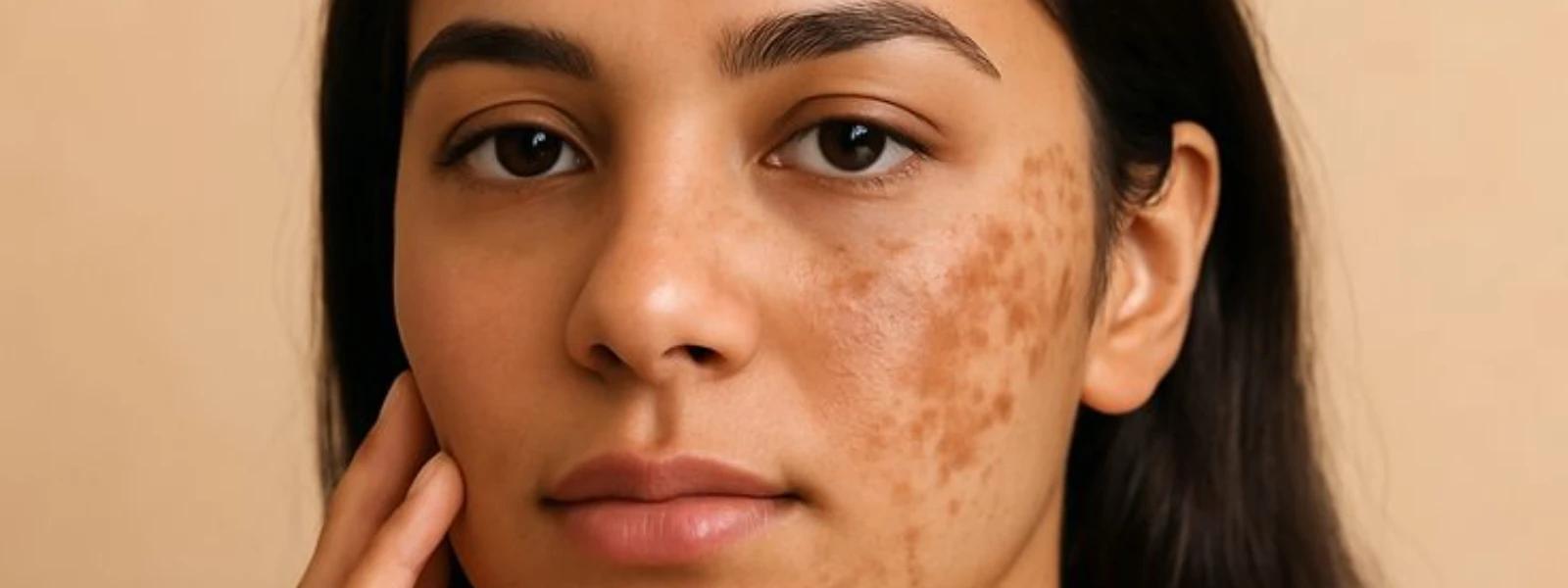
Melasma is a specific type of hyperpigmentation that creates symmetrical brown or grey patches, typically across the cheeks, forehead, bridge of the nose, and upper lip. Unlike random dark spots on face from sun damage or acne scarring, melasma follows a distinctive pattern that mirrors itself on both sides of your face.
The primary culprits behind melasma causes are hormonal fluctuations and UV exposure. When oestrogen and progesterone levels surge during pregnancy (often called 'pregnancy mask'), whilst taking birth control pills, or during hormone replacement therapy, they trigger melanocytes to produce excess pigment. Sun exposure then activates and darkens these patches, which explains why melasma often worsens during summer months.
Genetics also play a significant role - if your mother or grandmother experienced melasma, you're more likely to develop it too. The condition predominantly affects women (90% of cases), particularly those with olive or darker skin tones who naturally produce more melanin.
Understanding what you're treating matters enormously. Melasma appears as larger, symmetrical patches, whilst post-inflammatory hyperpigmentation from acne creates smaller, irregular spots. Age spots tend to be round and appear on sun-exposed areas like hands and shoulders, not just the face.
When it comes to effective melasma treatment, dermatologists have several proven approaches that target the condition at different levels. The key is understanding that melasma removal requires patience and often combines multiple therapies for optimal results.
Hydroquinone remains the gold standard for melasma treatment. Available in 2-4% concentrations by prescription, it works by inhibiting tyrosinase, the enzyme responsible for melanin production. Most dermatologists recommend starting with 2% formulations to assess tolerance before progressing to stronger concentrations.
The most effective approach often involves triple combination therapy - hydroquinone combined with tretinoin and a mild corticosteroid. This powerful combination addresses pigmentation from multiple angles: hydroquinone lightens existing pigment, tretinoin accelerates cell turnover to shed pigmented cells faster, and the corticosteroid reduces inflammation that can worsen melasma.
Tretinoin and retinoids deserve special mention for their dual action. Beyond accelerating skin cell turnover, they help other lightening ingredients penetrate more effectively. Azelaic acid offers a gentler alternative for sensitive skin, providing both lightening and anti-inflammatory benefits without the irritation potential of hydroquinone.

Mineral Sunscreen SPF 50 | Matte Finish | No White Cast | Non-Nano Zinc Oxide | Cica | Pregnancy Safe | All Skin Types | 50ml
Chemical peels using glycolic, lactic, or TCA (trichloroacetic acid) can significantly improve melasma by removing pigmented surface cells. Glycolic acid peels are particularly effective for melasma as they penetrate deeply whilst being relatively gentle.
Laser treatments require careful consideration for melasma. Q-switched lasers and fractional lasers can be effective, but they carry a risk of post-inflammatory hyperpigmentation, especially in darker skin tones. Many dermatologists prefer combining gentle laser treatments with topical therapies rather than relying on lasers alone.
For those seeking melasma creams without prescription requirements, several effective options exist. Over-the-counter hydroquinone at 2% concentration provides a gentler starting point, though results may take longer compared to prescription strengths.
Vitamin C serums at 10-20% concentration offer dual benefits for melasma. They provide antioxidant protection against UV damage whilst gently inhibiting melanin production. Look for stable forms like magnesium ascorbyl phosphate or sodium ascorbyl phosphate, which are less likely to oxidise and cause irritation.
Niacinamide formulations at 5-10% concentration work brilliantly for melasma by reducing inflammation and inhibiting melanosome transfer - the process by which pigment moves to skin cells. It's particularly suitable for sensitive skin and can be used alongside other lightening ingredients.
Glycolic acid products provide gentle exfoliation that helps remove pigmented surface cells whilst improving the penetration of other lightening ingredients. Start with 5-10% concentrations and gradually increase as your skin builds tolerance.
The non-negotiable element of any melasma treatment routine is broad-spectrum SPF 30 or higher. Without proper sun protection, even the most effective lightening treatments will fail. Look for sunscreens containing zinc oxide or titanium dioxide, which provide physical protection against UV rays.
Whilst professional treatments typically provide faster results, several melasma home remedies can support your treatment plan or serve as gentler alternatives for sensitive skin.
Aloe vera gel contains compounds like aloesin that may help inhibit melanin production whilst providing anti-inflammatory benefits. Fresh aloe vera gel applied twice daily can soothe irritated skin and provide mild lightening effects over time.
Tranexamic acid has gained attention for melasma treatment, available both as oral supplements and topical formulations. Studies suggest it may help reduce melasma by inhibiting plasmin, which activates melanin production. Typical oral doses range from 250-500mg twice daily, though you should consult a healthcare provider before starting supplementation.
Green tea extracts rich in polyphenols provide antioxidant protection and may help inhibit tyrosinase activity. You can apply cooled green tea directly to affected areas or look for skincare products containing green tea extract.

Salicylic Acid Face Cleanser | Deep Cleansing Formula for Breakouts | Unclogs Pores & Controls Oil | For Oily & Acne-Prone Skin | 100ml
Supporting your skin from within can enhance topical treatments. Vitamin C supplementation at 1000mg daily provides systemic antioxidant support, whilst antioxidant-rich foods like berries, leafy greens, and nuts help combat oxidative stress that can worsen pigmentation.
Omega-3 fatty acids from fish oil or flaxseed help reduce inflammation throughout the body, potentially supporting skin healing. Proper hydration also supports skin barrier function, helping treatments penetrate more effectively.
Melasma prevention centres on consistent sun protection and managing hormonal triggers. Daily broad-spectrum SPF application, even on cloudy days, is absolutely essential. UV rays can penetrate clouds and windows, so indoor protection matters too.
Consider your hormonal contraception carefully. If melasma developed after starting birth control pills, discuss alternatives with your healthcare provider. Copper IUDs or barrier methods might be better options for those prone to hormonal melasma.
Your skincare routine should focus on gentle, non-irritating products. Harsh scrubs or aggressive treatments can trigger post-inflammatory hyperpigmentation, making melasma worse. Stick to gentle cleansers, avoid over-exfoliation, and introduce new products gradually.
Seasonal adjustments are crucial - increase sun protection during summer months and consider more intensive treatments during autumn and winter when UV exposure is lower. Many dermatologists recommend starting new lightening treatments in cooler months for this reason.
Realistic expectations are crucial for successful melasma treatment. Most people begin seeing improvement after 6-8 weeks of consistent treatment, with significant results typically visible after 3-6 months. However, complete clearing can take 6-12 months or longer, depending on the severity and depth of pigmentation.
The most effective approach usually combines multiple treatments rather than relying on a single product. For example, using a prescription lightening cream at night, vitamin C serum in the morning, and religious sun protection daily often produces better results than any single treatment alone.
It's important to understand that melasma is a chronic condition requiring ongoing maintenance. Even after successful lightening, the pigmentation can return if triggers like sun exposure or hormonal changes occur. Many people need to continue using lightening products 2-3 times weekly long-term to maintain results.
Progress tracking helps maintain motivation during the long treatment process. Take photos in consistent lighting monthly to document improvements that might be subtle day-to-day. Many people become discouraged because they don't notice gradual changes, but photos reveal significant progress over time.

Hydrating Moisturizer | Non-Comedogenic | Boosts Collagen & Hydrates Deeply | Ceramides + Niacinamide | For Normal to Dry Skin | 50g
The fastest natural approach combines daily broad-spectrum SPF 30+ sunscreen, vitamin C serums at 15-20% concentration, and gentle exfoliation with glycolic acid 2-3 times weekly. However, natural treatments typically require 3-6 months for visible results, and professional treatments often provide faster outcomes. Consistency matters more than speed with melasma treatment.
Whilst melasma can be significantly lightened and well-controlled, it's considered a chronic condition rather than something that can be permanently cured. The underlying tendency to develop melasma remains, especially with hormonal changes or sun exposure. However, with proper maintenance including sun protection and appropriate skincare, many people achieve long-lasting results.
The most effective ingredients for melasma include hydroquinone (2-4%), tretinoin, vitamin C (10-20%), niacinamide (5-10%), azelaic acid, and glycolic acid. Combination therapy using multiple ingredients often produces better results than single-ingredient treatments. Always introduce new ingredients gradually to avoid irritation.
Melasma creates symmetrical brown or grey patches that mirror on both sides of the face, typically on cheeks, forehead, and upper lip. Unlike post-acne marks or age spots, melasma is directly linked to hormonal changes and tends to worsen with sun exposure. It often appears during pregnancy or when taking hormonal contraception.
Consider seeing a dermatologist if over-the-counter treatments haven't improved your melasma after 3 months, if the pigmentation is severe or covers large areas, or if you're unsure whether you're dealing with melasma versus other types of hyperpigmentation. Professional treatments often provide faster, more dramatic results than home treatments alone.
Treating melasma successfully requires patience, consistency, and often a combination approach. Whether you choose professional treatments, over-the-counter solutions, or natural remedies, the foundation of any effective plan includes religious sun protection and gentle, consistent skincare.
Remember that melasma responds differently for everyone - what works brilliantly for your friend might need adjustment for your skin. The key is starting with gentle treatments and building up gradually, always prioritising skin health over quick fixes.
For those exploring new skincare solutions, platforms like Smytten offer the opportunity to try products before committing to full sizes. With over 28 million users discovering curated beauty products, you can test different melasma treatments to find what works for your unique skin needs. The platform's trial approach is particularly valuable for melasma treatment, where finding the right combination of products often requires experimentation.
Your skin's journey with melasma is unique, and finding the right treatment combination takes time. Focus on consistent daily habits - sun protection, gentle skincare, and patience with the process. With the right approach, significant improvement is absolutely achievable.
