How to Treat Hyperpigmentation: Your Complete Guide


Target & Fade Duo for Hyperpigmentation | Even-Tone Underarms, Inner Thighs & Bum | Refines Skin Texture | For All Skin Types
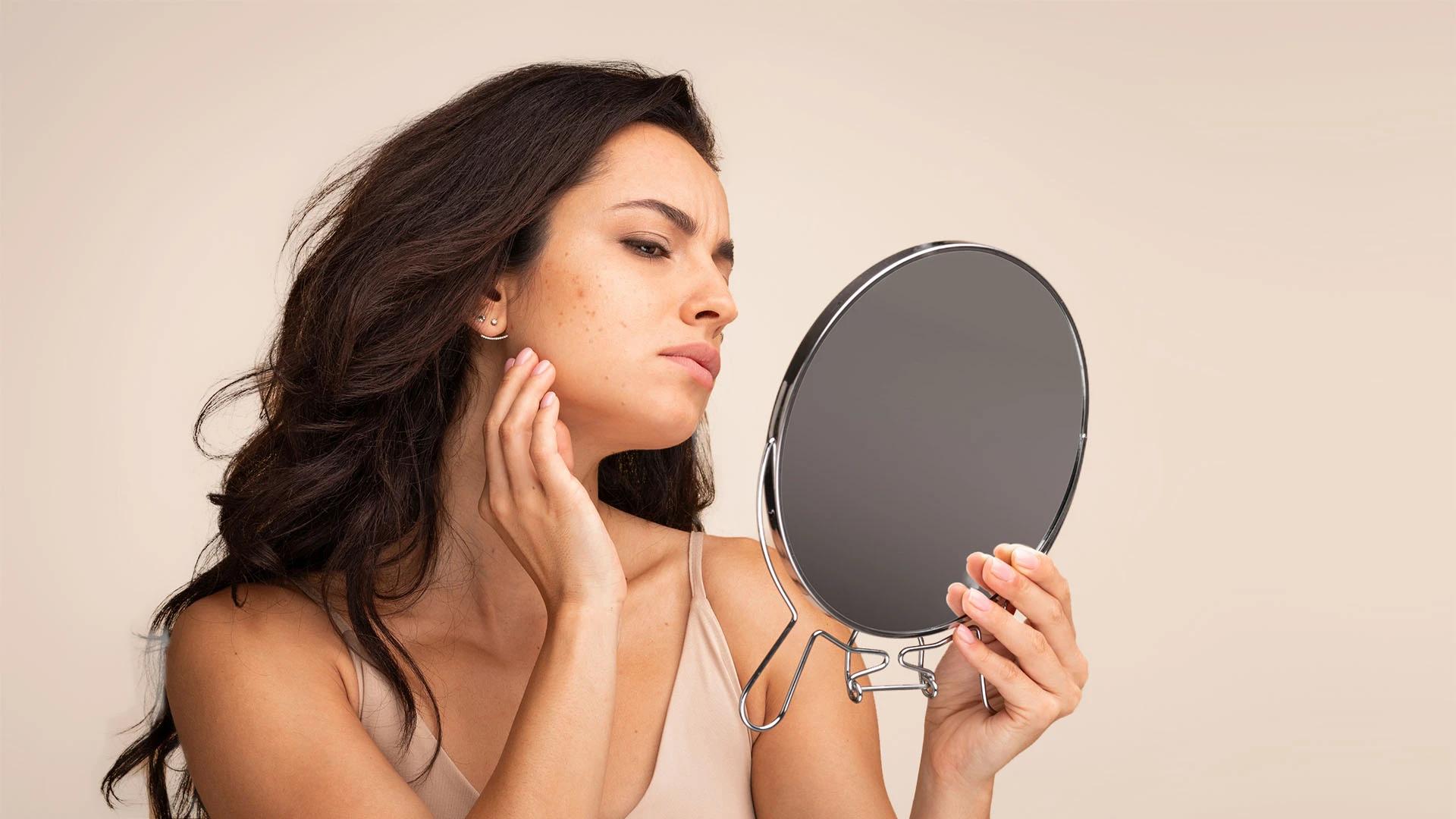
You've been staring at that stubborn dark spot for months now, haven't you? Whether it's a lingering reminder of last summer's breakout, those patches that appeared during pregnancy, or the gradual darkening you've noticed with age, hyperpigmentation can feel like an unwelcome guest that's overstayed its welcome. The good news? There are proven ways to address uneven skin tone and achieve the clear, even complexion you're after. Let's explore the complete guide to treating hyperpigmentation, from understanding what's happening beneath your skin to finding the right solution for your specific concerns.
Hyperpigmentation occurs when your skin produces excess melanin, the pigment that gives your skin its colour. Think of it as your skin's overenthusiastic response to various triggers - sometimes helpful, sometimes not so much. This overproduction creates those darker patches that can appear anywhere on your face or body, making your skin tone look uneven.
There are several types of skin discoloration you might be dealing with. Post-inflammatory hyperpigmentation (PIH) is what happens after your skin heals from acne, cuts, or other injuries - essentially, your skin's way of saying "remember this spot." Melasma tends to show up as larger, symmetrical patches, often triggered by hormonal changes during pregnancy or from birth control. Then there are age spots and sunspots, which develop over time from cumulative sun exposure.
Here's something crucial that often gets overlooked: hyperpigmentation affects different skin tones differently. If you have deeper skin, you're more prone to PIH because your skin naturally produces more melanin. This means that even minor irritation can lead to dark spots. Understanding your skin's specific tendencies helps you choose the gentlest yet most effective approach.
Sometimes, the most effective dark spot removal requires professional intervention. Dermatologists have access to stronger concentrations of active ingredients and advanced treatments that can significantly speed up your results.
Hydroquinone remains the gold standard for pigmentation correction. Available in higher concentrations through prescription, it works by inhibiting the enzyme responsible for melanin production. Your dermatologist might combine this with tretinoin, which accelerates cell turnover, helping pigmented cells shed faster whilst preventing new dark spots from forming.
Chemical peels offer another powerful option for skin brightening. Glycolic acid peels work on the surface level, whilst deeper peels like TCA can address more stubborn pigmentation. Laser therapy and IPL treatments target melanin directly, breaking up pigmented cells so your body can naturally eliminate them.
The timeline for professional treatments varies, but you'll typically see initial improvements within 4-6 weeks, with significant results developing over 3-6 months. Real talk: patience is key here, as rushing the process can actually worsen pigmentation.

Mineral Sunscreen SPF 50 | Matte Finish | No White Cast | Non-Nano Zinc Oxide | Cica | Pregnancy Safe | All Skin Types | 50ml
Not every hyperpigmentation solution requires a dermatologist's appointment. Many effective ingredients are available in over-the-counter formulations, and when used consistently, they can deliver impressive results for uneven skin tone.
Vitamin C is your skin's best friend for prevention and treatment. It not only helps fade existing dark spots but also protects against future damage. Look for stable forms like magnesium ascorbyl phosphate or sodium ascorbyl phosphate if you have sensitive skin.
Niacinamide deserves special mention for its gentle yet effective approach to skin discoloration treatment. Studies show that 5% niacinamide can be as effective as 4% hydroquinone for reducing dark spots, but with far less irritation. It's particularly worth adding to your routine if you're dealing with both hyperpigmentation and acne.
Retinol works by speeding up cell turnover, helping pigmented cells reach the surface faster where they can be shed naturally. Start with a low concentration (0.25% or 0.5%) and gradually increase as your skin builds tolerance. Always use retinol at night and follow with SPF during the day.
Natural ingredients like kojic acid, derived from fungi, and licorice root extract offer gentler alternatives. Whilst they work more slowly than synthetic options, they're excellent for sensitive skin or as maintenance ingredients once you've achieved your desired results.
Your skin's unique characteristics should guide your hyperpigmentation treatment approach. What works brilliantly for your friend might not be the best choice for your skin type or specific concerns.
For those with deeper skin tones, gentle is the operative word. Harsh treatments can trigger more pigmentation, creating a frustrating cycle. Focus on ingredients like azelaic acid, which reduces inflammation whilst gently exfoliating, or arbutin, a natural hydroquinone derivative that's much gentler on sensitive skin.
Body hyperpigmentation often requires a different strategy than facial treatment. The skin on your body is typically thicker and less sensitive, meaning you can often use stronger concentrations of active ingredients. Glycolic acid body lotions or salicylic acid treatments can be particularly effective for areas like elbows, knees, or underarms.
For melasma treatment, consistency is absolutely crucial. This hormonally-triggered pigmentation can be stubborn and prone to returning, so your routine needs to be sustainable long-term. Many find success with a combination approach: gentle daily actives like niacinamide paired with weekly stronger treatments.

Salicylic Acid Face Cleanser | Deep Cleansing Formula for Breakouts | Unclogs Pores & Controls Oil | For Oily & Acne-Prone Skin | 100ml
The most effective hyperpigmentation treatment is prevention. SPF isn't just about preventing new damage - it's essential for allowing your current treatments to work effectively. UV exposure can darken existing spots and trigger new ones, essentially undoing your hard work.
Choose a broad-spectrum SPF 30 or higher and reapply every two hours when outdoors. For daily wear, look for lightweight formulations that sit well under makeup. Many modern sunscreens include antioxidants like vitamin C or niacinamide, giving you extra skin brightening benefits.
Your skin's healing process is influenced by factors beyond topical treatments. Adequate sleep supports cellular repair, whilst chronic stress can trigger inflammation that worsens pigmentation. A diet rich in antioxidants - think berries, leafy greens, and green tea - provides your skin with the building blocks it needs for healthy cell turnover.
Avoid picking at spots or aggressive scrubbing, which can trigger post-inflammatory hyperpigmentation. Instead, let your active ingredients do the work whilst you focus on gentle, consistent care.
Here's the truth about pigmentation correction: it takes time. Your skin's natural renewal cycle is approximately 28 days, but pigmented cells often sit deeper in the skin, requiring multiple cycles to reach the surface and shed.
For surface-level pigmentation like recent acne marks, you might see improvement within 6-8 weeks. Deeper, more established pigmentation - like melasma or long-standing age spots - can take 3-6 months or longer to show significant improvement. This isn't a failure of your treatment; it's simply how skin works.
Take photos in consistent lighting every few weeks to track your progress. Often, the gradual improvement isn't immediately obvious day-to-day, but comparing photos over time can be incredibly motivating. If you're not seeing any improvement after 8-12 weeks of consistent use, it might be time to reassess your approach or consult a dermatologist.
Remember that some initial darkening can occur with certain treatments - this is often a sign that the treatment is working, bringing deeper pigmentation to the surface. However, if you experience significant irritation, burning, or worsening pigmentation, discontinue use and seek professional advice.

Hydrating Moisturizer | Non-Comedogenic | Boosts Collagen & Hydrates Deeply | Ceramides + Niacinamide | For Normal to Dry Skin | 50g
The most effective approach often combines multiple strategies. For mild to moderate hyperpigmentation, a routine including vitamin C (morning), niacinamide, and retinol (evening) with consistent SPF use can deliver excellent results. For stubborn pigmentation, prescription treatments like hydroquinone or tretinoin, sometimes combined with professional procedures, tend to be most effective.
Surface-level pigmentation typically begins improving within 4-6 weeks, with significant results visible after 8-12 weeks of consistent treatment. Deeper pigmentation, such as melasma or long-standing age spots, may require 3-6 months or longer. The key is consistency - skipping days can significantly slow your progress.
Whilst many types of hyperpigmentation can be significantly faded or eliminated, "permanent" removal depends on the underlying cause. Age spots and PIH can often be successfully treated with lasting results. However, conditions like melasma may require ongoing maintenance to prevent recurrence, especially with hormonal changes or sun exposure.
Many effective hyperpigmentation treatments are safe for home use when used correctly. Start with lower concentrations of active ingredients and gradually increase as your skin builds tolerance. Always patch test new products and discontinue use if you experience significant irritation. For extensive or stubborn pigmentation, professional consultation is recommended.
Avoid harsh physical scrubs, which can worsen pigmentation through irritation. Be cautious with high concentrations of acids if you have sensitive skin. Some essential oils and fragrances can also trigger pigmentation in sensitive individuals. Always introduce new active ingredients gradually and monitor your skin's response.
Treating hyperpigmentation successfully requires patience, consistency, and the right approach for your specific skin type and concerns. Whether you're dealing with post-acne marks, melasma, or age spots, there are effective solutions available - from gentle at-home treatments to professional interventions.
The journey to even-toned skin isn't always linear, and what works for one person might need adjustment for another. That's where having access to a curated selection of proven products becomes invaluable. Platforms like Smytten Shop allow you to explore different beauty treatments for hyperpigmentation from trusted brands, with the added benefit of trying samples before committing to full sizes. With over 28 million users discovering their perfect skincare matches, you're not alone in this journey.
Remember, your skin will notice consistent, gentle care far more than aggressive, sporadic treatments. Start where you are, use what works for your skin type, and give your chosen routine time to work. Your future self - with that clear, even complexion you're working towards - will thank you for the patience and care you're investing today.
