How to Treat Hyperpigmentation for Even Skin Tone


Advanced Anti-Pigmentation Kit | Hyperpigmentation Reduction Kit | Cleanser, Serum, Moisturizer & Sunscreen | Complete Skin Care Routine
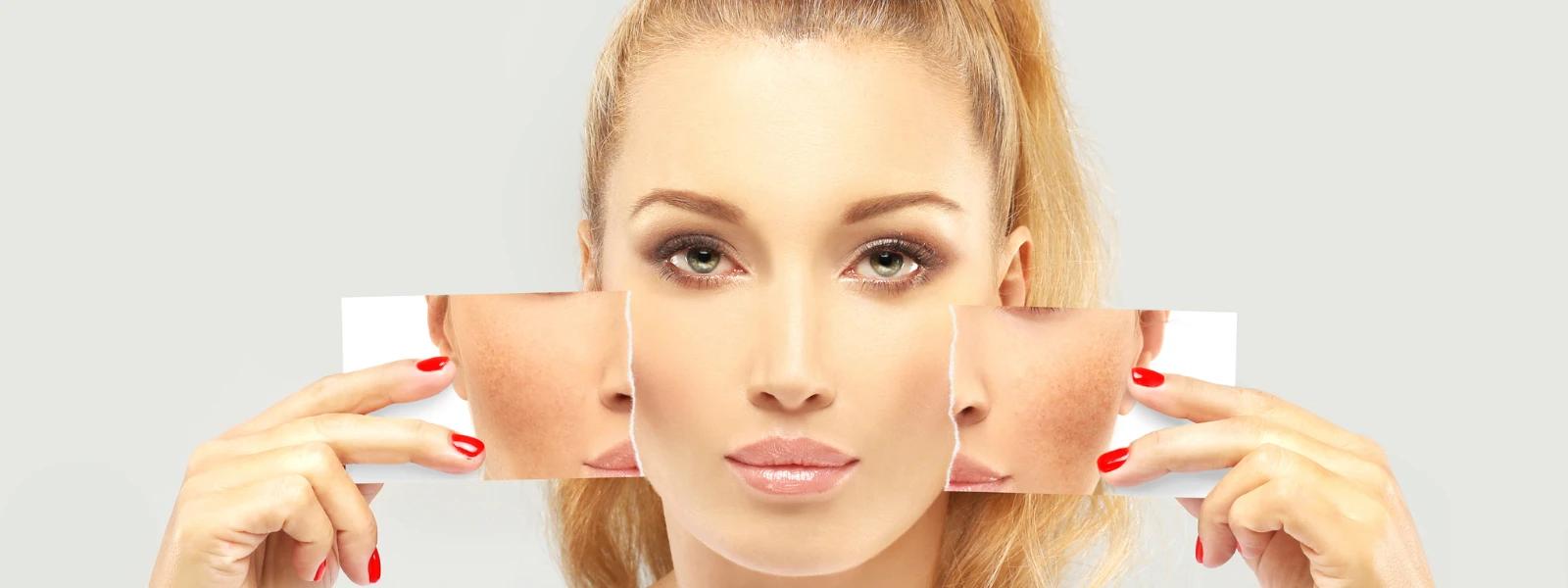
You've been staring at that stubborn dark spot on your cheek for months now, watching it mock your skincare efforts. Whether it's a souvenir from last summer's holiday, a reminder of that hormonal breakout, or just the natural result of time passing, hyperpigmentation can feel like an unwelcome guest that's overstayed its welcome. The good news? With the right approach and realistic expectations, you can absolutely fade those dark spots and work towards the even skin tone you're after. Let's dive into what actually works—and what doesn't—when it comes to treating skin discoloration.
Hyperpigmentation is essentially your skin's overenthusiastic response to various triggers, producing excess melanin that creates those darker patches we'd rather live without. Think of melanin as your skin's natural protection system—it's brilliant at shielding you from UV damage, but sometimes it gets a bit carried away and keeps producing pigment long after the initial trigger has gone.
The most common types you'll encounter include melasma (those symmetrical patches often triggered by hormones), post-inflammatory hyperpigmentation or PIH (the dark marks left behind after spots or injuries), age spots (also called liver spots, though they've got nothing to do with your liver), and sunspots from UV exposure. Each type has its own personality and responds differently to treatment, which is why a one-size-fits-all approach rarely works.
Your skin might be more prone to skin discoloration due to genetics, hormonal fluctuations (hello, pregnancy and contraceptive pills), inflammation from acne or eczema, or simply cumulative sun exposure over the years. Understanding your specific triggers helps you choose the most effective treatment path and, crucially, prevent new spots from forming whilst you're working on fading the existing ones.
Here's the thing about treating hyperpigmentation—if you're not religious about sun protection, you're essentially trying to fill a bucket with a hole in it. UV exposure doesn't just create new dark spots; it actively darkens existing ones, undoing weeks of treatment progress in a single afternoon.
A broad-spectrum SPF 30 or higher isn't negotiable when you're serious about dark spots removal. Look for formulations that protect against both UVA and UVB rays, and consider tinted sunscreens that offer additional protection against visible light—particularly important if you're dealing with melasma. Physical sunscreens containing zinc oxide or titanium dioxide can be gentler if you're using active ingredients that make your skin more sensitive.
Reapplication is where most people fall short. That morning application won't cut it for a full day—you need to reapply every two hours, or more frequently if you're sweating or swimming. Keep a powder SPF in your bag for touch-ups over makeup, or invest in a setting spray with sun protection. Don't forget often-missed areas like your ears, neck, and the backs of your hands, which are prime real estate for age spots.
The world of skin brightening ingredients can feel overwhelming, but focusing on proven actives with solid research behind them will serve you better than chasing every new trend. Here's what actually works to fade dark spots over time.

Target & Fade Duo for Hyperpigmentation | Even-Tone Underarms, Inner Thighs & Bum | Refines Skin Texture | For All Skin Types
Hydroquinone remains the gold standard for melanin reduction, working by inhibiting the enzyme responsible for melanin production. Available in 2% concentrations over-the-counter or higher strengths by prescription, it's particularly effective for stubborn pigmentation. However, it requires careful use—start slowly, always pair with SPF, and consider taking breaks to prevent potential side effects.
Vitamin C is your antioxidant powerhouse, not only helping to brighten existing pigmentation but also protecting against future damage. L-ascorbic acid is the most researched form, though magnesium ascorbyl phosphate or sodium ascorbyl phosphate might be better tolerated if you have sensitive skin. Apply in the morning under your SPF for maximum protection.
Azelaic acid deserves more recognition in the pigmentation correction world. This naturally occurring acid gently inhibits melanin production whilst providing anti-inflammatory benefits, making it excellent for post-acne pigmentation. It's particularly suitable for sensitive skin and can be used during pregnancy when other actives are off-limits.
Niacinamide works differently, helping to prevent melanin transfer from pigment-producing cells to the skin's surface. It's incredibly well-tolerated and plays nicely with other ingredients, making it an excellent addition to any hyperpigmentation treatment routine. Look for concentrations between 5-10% for optimal results.
Glycolic acid and other AHAs help speed up cell turnover, encouraging pigmented cells to shed more quickly and revealing brighter skin underneath. Start with lower concentrations (5-10%) and gradually increase as your skin builds tolerance. Salicylic acid is particularly useful if your pigmentation stems from acne, as it can penetrate oil-filled pores and address both the spots and the pigmentation they leave behind.
Sometimes at-home treatments need backup, and that's where professional interventions shine. These treatments can significantly accelerate your dark spots removal journey, though they require careful consideration and proper aftercare.

Mineral Sunscreen SPF 50 | Matte Finish | No White Cast | Non-Nano Zinc Oxide | Cica | Pregnancy Safe | All Skin Types | 50ml
Professional chemical peels use higher concentrations of acids to remove damaged skin layers more aggressively than at-home options. Light peels using glycolic or salicylic acid require minimal downtime and can be done regularly, whilst medium-depth peels using TCA (trichloroacetic acid) provide more dramatic results but need proper recovery time. Deep peels are rarely necessary for pigmentation and carry higher risks.
Q-switched lasers target pigment specifically, breaking down melanin deposits so your body can naturally eliminate them. IPL (Intense Pulsed Light) covers larger areas and can address multiple concerns simultaneously, including sunspots and general skin discoloration. Fractional lasers create controlled micro-injuries to stimulate skin renewal and can be particularly effective for widespread pigmentation issues.
If you have darker skin, it's crucial to work with a practitioner experienced in treating your skin tone, as some laser treatments can potentially worsen pigmentation if not performed correctly.
Building an effective hyperpigmentation treatment routine is about consistency and patience rather than using every active ingredient at once. Your skin needs time to adjust and respond, so introduce new products gradually and give each addition at least 4-6 weeks to show results.
Morning routines should focus on protection and gentle brightening. Start with a mild cleanser, apply your vitamin C serum, follow with a hydrating moisturiser, and finish with broad-spectrum SPF. Evening is when you can introduce stronger actives like retinoids or hydroquinone, always followed by a nourishing moisturiser to support your skin barrier.
Consider alternating different actives rather than layering them all at once—use your retinoid three nights a week, azelaic acid on alternate nights, and give your skin a break with just gentle cleansing and moisturising when needed. Your skin will tell you what it can handle, so listen to it rather than pushing through irritation.
Managing expectations is crucial when treating hyperpigmentation. Unlike a spot treatment that might work overnight, fading dark spots is a marathon, not a sprint. Most people start seeing subtle improvements around the 6-8 week mark, with more noticeable changes appearing after 3-4 months of consistent treatment.
Superficial pigmentation from recent sun exposure or minor breakouts typically responds faster than deep-seated melasma or years-old age spots. Professional treatments can accelerate the timeline, but even then, you're looking at several months for significant improvement. The key is consistency—skipping your routine for a week won't undo all your progress, but inconsistent use will definitely slow your results.

Salicylic Acid Face Cleanser | Deep Cleansing Formula for Breakouts | Unclogs Pores & Controls Oil | For Oily & Acne-Prone Skin | 100ml
Remember that some degree of maintenance will always be necessary. Even after achieving your desired results, continued sun protection and occasional use of brightening ingredients will help prevent new pigmentation from forming and keep your even skin tone looking its best.
The most effective approach combines consistent at-home actives like vitamin C and retinoids with professional treatments such as chemical peels or laser therapy. However, even the fastest methods require 2-3 months for noticeable results, as your skin needs time to naturally shed pigmented cells and produce new, evenly-toned skin.
Some superficial pigmentation may fade naturally over 6-12 months as your skin renews itself, but deeper pigmentation and age spots typically require active treatment. Sun protection is essential even if you're waiting for natural fading, as UV exposure will darken existing spots and create new ones.
Yes, vitamin C is clinically proven to inhibit melanin production and provide antioxidant protection against further damage. L-ascorbic acid concentrations of 10-20% show the best results for pigmentation, though you may need 8-12 weeks of consistent use to see significant improvement in dark spots.
Many types of hyperpigmentation can be significantly faded to the point where they're barely noticeable, but complete removal isn't always possible, especially for deep melasma or genetic pigmentation. The goal is typically 70-90% improvement, which creates a much more even skin tone and renewed confidence.
Treating hyperpigmentation successfully requires patience, consistency, and realistic expectations. The combination of proper sun protection, proven active ingredients, and professional treatments when needed can deliver remarkable improvements in your skin's clarity and tone. Remember that your skin is unique, and what works brilliantly for your friend might need adjusting for your specific concerns and skin type.
At Smytten, you can explore curated selections of brightening serums, gentle exfoliants, and protective sunscreens from trusted brands—all with the confidence that comes from trying before you commit to full sizes. With over 28 million users discovering their perfect skincare matches, you're in good company on this journey towards clearer, more even-toned skin. The key is starting where you are, being consistent with your chosen approach, and celebrating the gradual improvements that come with dedicated care.
