How to Treat Hyperpigmentation: Fade Dark Spots & Uneven Skin Tone


Target & Fade Duo for Hyperpigmentation | Even-Tone Underarms, Inner Thighs & Bum | Refines Skin Texture | For All Skin Types
You've been staring at that stubborn dark spot on your cheek for months now, watching it mock your skincare efforts. Whether it's a reminder of last summer's sun damage, a hormonal breakout that overstayed its welcome, or those pesky marks that seem to appear from nowhere, hyperpigmentation can feel like an uphill battle. The good news? With the right approach and a bit of patience, you can absolutely fade those dark spots and reclaim your even skin tone. Real talk: it's not about finding a miracle cure, but understanding what works for your specific skin and sticking with it.
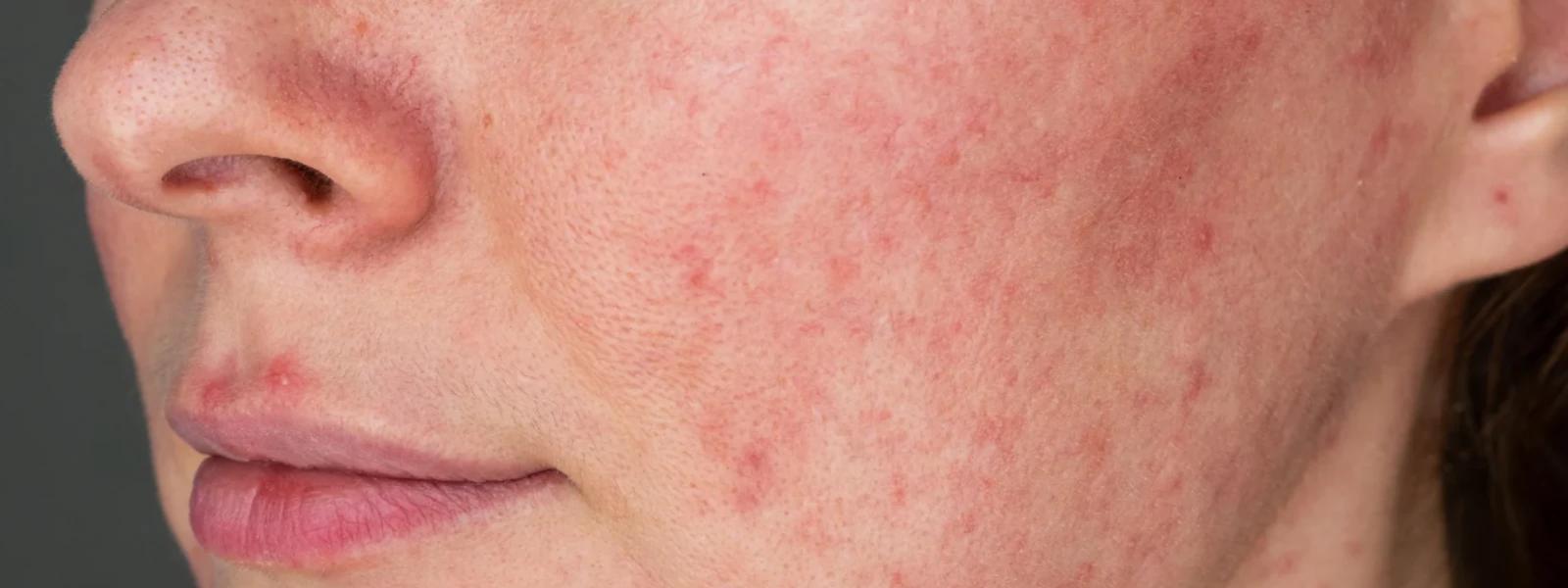
Hyperpigmentation is essentially your skin's overenthusiastic response to trauma, sun exposure, or hormonal changes. Think of it as your melanocytes (pigment-producing cells) going into overdrive, creating patches of skin discoloration that appear darker than your natural skin tone. It's incredibly common and affects people of all skin types, though it tends to be more noticeable on deeper skin tones.
There are several types you might be dealing with. Post-inflammatory hyperpigmentation (PIH) shows up after acne, cuts, or any skin injury. Melasma typically appears as symmetrical patches on the face, often triggered by hormonal changes during pregnancy or from birth control. Sunspots and age spots develop from cumulative sun damage over the years, usually appearing on areas that see the most UV exposure like your face, hands, and shoulders.
The culprit behind all these variations is melanin production gone haywire. When your skin experiences inflammation, hormonal fluctuations, or UV damage, it triggers an increase in melanin as a protective response. Unfortunately, sometimes this protection doesn't switch off properly, leaving you with those persistent dark spots that seem determined to stick around.
When it comes to hyperpigmentation treatment, you've got options ranging from gentle at-home ingredients to professional procedures. The key is finding what works for your skin type, budget, and patience level. Let's break down what actually works, backed by real science.
Hydroquinone remains the gold standard for pigmentation correction, working by inhibiting the enzyme that produces melanin. You'll find it in concentrations up to 2% in over-the-counter products, though dermatologists can prescribe stronger formulations. It's particularly effective for melasma treatment and stubborn sunspots, but requires consistent use and sun protection.
Vitamin C deserves a spot in every hyperpigmentation-fighting routine. This powerhouse antioxidant not only helps prevent new dark spots from forming but also works to fade existing ones. Look for stable forms like magnesium ascorbyl phosphate or sodium ascorbyl phosphate if you have sensitive skin.
Retinoids accelerate cell turnover, helping to push pigmented cells to the surface where they can be shed naturally. They're brilliant for overall skin brightening and work well in combination with other treatments. Start slowly to avoid irritation, especially if you're new to retinoids.

Mineral Sunscreen SPF 50 | Matte Finish | No White Cast | Non-Nano Zinc Oxide | Cica | Pregnancy Safe | All Skin Types | 50ml
For faster results or stubborn pigmentation, professional treatments can be worth considering. Chemical peels use acids like glycolic or salicylic acid to remove the top layers of skin, revealing fresher, more even-toned skin underneath. They're particularly effective for surface-level pigmentation and can be customised for different skin types.
Laser therapy and IPL (Intense Pulsed Light) treatments target pigment directly, breaking it down so your body can naturally eliminate it. These procedures require downtime and multiple sessions but can be highly effective for persistent age spots and sun damage.
Your skin type plays a crucial role in determining the safest and most effective hyperpigmentation treatment approach. Darker skin tones are more prone to developing PIH from treatments that are too aggressive, so a gentler, more gradual approach often works best.
For sensitive skin, start with milder ingredients like niacinamide, kojic acid, or arbutin. These provide effective skin brightening without the irritation risk of stronger actives. Niacinamide is particularly brilliant because it not only helps fade existing spots but also regulates oil production and strengthens your skin barrier.
If you have oily or acne-prone skin, salicylic acid can pull double duty by treating both active breakouts and the PIH they leave behind. Combination treatments work well here – perhaps a vitamin C serum in the morning and a retinoid at night, always with proper sun protection.
For mature skin dealing with age spots, a combination approach often yields the best results. Professional treatments like chemical peels or laser therapy can provide the initial improvement, followed by a maintenance routine with proven topical ingredients.
Whilst professional treatments and clinical ingredients often provide faster results, there are natural options that can support your hyperpigmentation treatment journey. Aloe vera contains compounds that may help inhibit melanin production whilst soothing inflammation – perfect for post-breakout healing.
Vitamin E oil can be beneficial when combined with other treatments, though it's more effective as a supporting player rather than a standalone solution. Some people find success with DIY masks using ingredients like turmeric, honey, or lemon juice, but be cautious with citrus ingredients as they can increase photosensitivity.

Salicylic Acid Face Cleanser | Deep Cleansing Formula for Breakouts | Unclogs Pores & Controls Oil | For Oily & Acne-Prone Skin | 100ml
The most important natural remedy? Time and consistency. Your skin naturally renews itself every 28 days or so, which means any treatment needs at least 6-8 weeks to show noticeable results. Patience isn't just a virtue in skincare – it's essential.
This is probably the question everyone wants answered, and unfortunately, there's no one-size-fits-all timeline for dark spots removal. Surface-level pigmentation might start fading within 6-8 weeks of consistent treatment, whilst deeper pigmentation can take 6 months or longer to see significant improvement.
Several factors affect how quickly your uneven skin tone improves. The depth of the pigmentation matters – surface spots respond faster than deep melasma. Your skin type, age, and overall health also play roles. Darker skin tones often take longer to see results but can achieve excellent outcomes with patience and the right approach.
Consistency is absolutely crucial. Skipping your routine for a week won't undo months of progress, but inconsistent use definitely slows results. Think of hyperpigmentation treatment like going to the gym – you need regular, sustained effort to see changes.
Prevention truly is better than cure when it comes to hyperpigmentation. Sunscreen is your non-negotiable daily essential – and we mean every single day, not just when you're planning beach time. UV exposure is the primary trigger for most types of pigmentation, and it can darken existing spots even when you're indoors near windows.
A solid daily routine for hyperpigmentation-prone skin might include a gentle cleanser, a vitamin C serum in the morning, niacinamide or a retinoid in the evening, and always, always sunscreen during the day. Don't forget to extend your routine to often-forgotten areas like your neck, chest, and hands.
Avoid picking at spots or scrubbing aggressively, as this can worsen PIH. If you're dealing with active acne, treat it promptly to minimise the risk of dark spots forming. Consider your lifestyle factors too – stress, poor sleep, and hormonal fluctuations can all contribute to skin issues that lead to pigmentation.

Hydrating Moisturizer | Non-Comedogenic | Boosts Collagen & Hydrates Deeply | Ceramides + Niacinamide | For Normal to Dry Skin | 50g
Professional treatments like chemical peels or laser therapy typically provide the fastest results, often showing improvement within 4-6 weeks. However, combining professional treatments with consistent at-home care using ingredients like hydroquinone, vitamin C, and retinoids usually provides the most comprehensive and lasting results.
Some types of hyperpigmentation, particularly fresh PIH from minor injuries, may fade naturally over 6-12 months. However, deeper pigmentation, melasma, and age spots typically require active treatment to see significant improvement. Sun exposure can also darken existing spots, making natural fading less likely without proper protection.
Whilst natural ingredients like aloe vera, vitamin E, and certain plant extracts can support skin healing and provide mild brightening effects, they're generally less effective than clinically proven ingredients. Natural approaches work best as part of a comprehensive routine rather than standalone treatments.
Yes, vitamin C is highly effective for both preventing and treating hyperpigmentation. It works by inhibiting melanin production and providing antioxidant protection against further damage. For best results, use a stable form of vitamin C consistently for at least 8-12 weeks, always paired with sunscreen.
Whilst no treatment can guarantee permanent removal, combining professional procedures with consistent maintenance can provide long-lasting results. The key is ongoing sun protection and a proper skincare routine to prevent new pigmentation from forming. Most people need periodic maintenance treatments to maintain their results.
Treating hyperpigmentation is absolutely achievable, but it requires the right combination of patience, consistency, and evidence-based ingredients. Whether you're dealing with stubborn melasma, post-acne marks, or sun damage, there are proven solutions that can help restore your confidence in your skin.
The journey to even skin tone isn't always linear – you might see initial improvement followed by a plateau, or notice some spots fading faster than others. This is completely normal. What matters is sticking with treatments that are appropriate for your skin type and giving them adequate time to work.
For those looking to explore new hyperpigmentation treatment options, platforms like Smytten Shop offer the opportunity to try products from premium brands before committing to full sizes. With over 28 million users discovering their perfect skincare matches, you can explore curated selections of proven ingredients like vitamin C, niacinamide, and gentle retinoids whilst earning cashback on your purchases. Your skin deserves the best care, and finding the right products doesn't have to be a guessing game.
