How to Treat Hyperpigmentation Before Your Wedding Day


Target & Fade Duo for Hyperpigmentation | Even-Tone Underarms, Inner Thighs & Bum | Refines Skin Texture | For All Skin Types
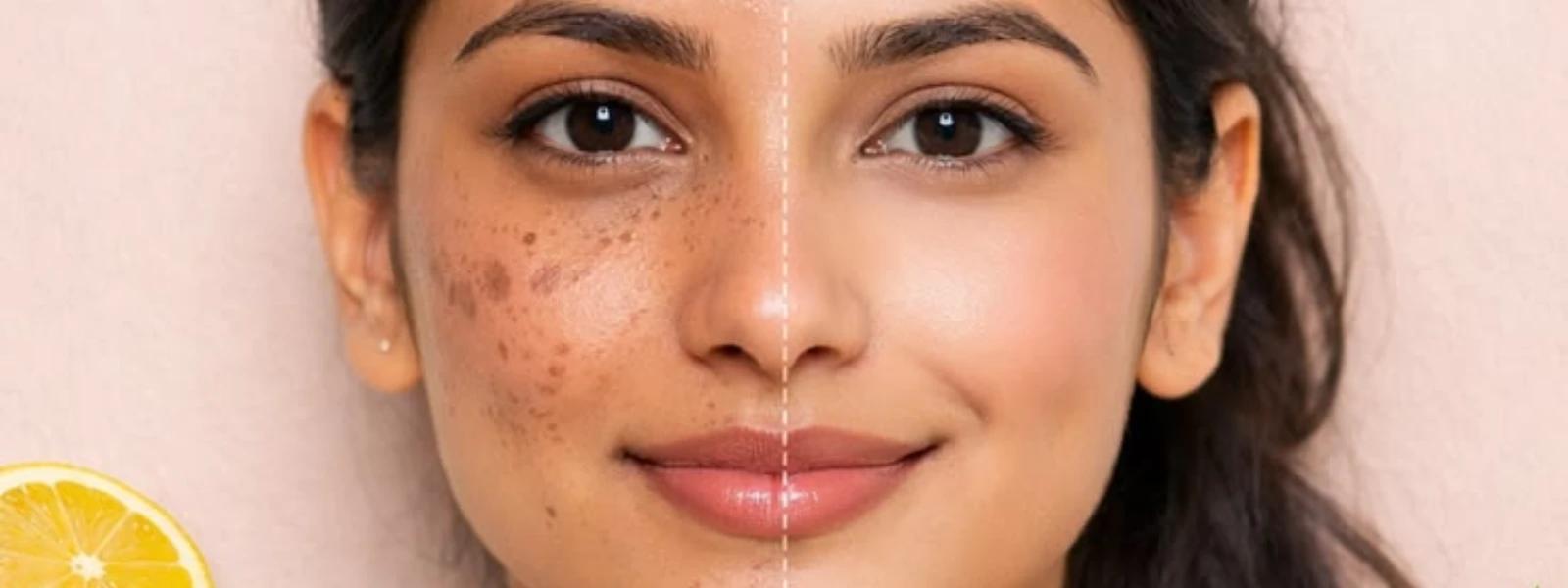
Your wedding day is approaching, and that stubborn hyperpigmentation on your cheeks isn't budging. Those acne marks from last year's stress breakouts, the melasma that appeared during monsoon season, or those persistent dark spots that seem to multiply under harsh studio lights during your pre-wedding shoots. Real talk: treating uneven skin tone takes time, but with the right approach, your skin can look radiant and even-toned for your big day.
Hyperpigmentation occurs when your skin produces excess melanin in certain areas, creating those frustrating dark patches that makeup can't quite cover. For Indian skin tones, this concern is particularly common due to our naturally higher melanin content and sensitivity to inflammation.
The most common types you'll encounter include post-inflammatory hyperpigmentation (PIH) from old acne marks, melasma triggered by hormonal changes during wedding planning stress, and sun spots from years of inadequate SPF protection. Each type responds differently to treatment, which is why starting early matters.
Your wedding skincare timeline should ideally span 3-6 months. This isn't just marketing speak—it's the realistic timeframe your skin needs to show significant improvement. Melanin turnover happens gradually, and rushing the process with aggressive treatments too close to your wedding day can backfire spectacularly.
This is your planning phase, much like booking your venue or finalising your guest list. Your skin needs this time to adjust to new treatments and show real progress.
Book a dermatologist consultation to identify your specific type of skin discoloration. They'll assess whether you're dealing with surface-level pigmentation or deeper melasma that requires prescription treatments. This consultation will determine if you need stronger actives like tretinoin or hydroquinone, which require medical supervision.
Start with a gentle cleanser that won't strip your skin, followed by a vitamin C serum in the morning. Vitamin C is your first line of defence against further pigmentation whilst gradually brightening existing spots. Look for stable forms like magnesium ascorbyl phosphate or sodium ascorbyl phosphate that won't oxidise in our humid climate.
Your evening routine should include a gentle niacinamide serum. This ingredient works beautifully on Indian skin, reducing inflammation and regulating melanin production without the irritation that stronger actives can cause. Never skip SPF 30 or higher during the day—this is non-negotiable for preventing new dark spots whilst treating existing ones.
Now that your skin has adjusted to your basic routine, it's time to introduce more targeted hyperpigmentation treatment options. This phase requires patience and consistency.

Mineral Sunscreen SPF 50 | Matte Finish | No White Cast | Non-Nano Zinc Oxide | Cica | Pregnancy Safe | All Skin Types | 50ml
Consider monthly chemical peels with glycolic acid or lactic acid. These help accelerate cell turnover, bringing fresh, unpigmented skin to the surface. For stubborn spots, your dermatologist might recommend laser treatments, but ensure these are completed at least 6-8 weeks before your wedding to allow for complete healing.
Microneedling combined with vitamin C infusion can be particularly effective for textural issues alongside pigmentation. The controlled micro-injuries stimulate collagen production whilst the vitamin C penetrates deeper layers of skin.
Introduce arbutin or kojic acid into your evening routine. These natural brightening agents work synergistically with niacinamide to inhibit tyrosinase, the enzyme responsible for melanin production. Layer them correctly: cleanser, essence or hydrating toner, treatment serums (thinnest to thickest), moisturiser.
Your skin might experience some purging during this phase as cell turnover accelerates. This is normal but monitor for excessive irritation, which could worsen pigmentation.
This is your polishing phase. No new aggressive treatments—focus on maintaining progress and achieving that coveted wedding day glow.
Switch to gentle exfoliation twice weekly using AHAs like lactic acid or mandelic acid. These are less likely to cause irritation whilst maintaining the cell turnover you've established. Avoid physical scrubs that could inflame existing pigmentation.
Weekly brightening masks with ingredients like liquorice extract or mulberry extract can provide an extra boost without overwhelming your skin. Look for hydrating formulations that won't compromise your skin barrier.
Book your final professional facial 2-3 weeks before your wedding. This should be a gentle, hydrating treatment rather than anything aggressive. HydraFacials or oxygen facials can provide immediate radiance without the downtime risk of stronger treatments.

Salicylic Acid Face Cleanser | Deep Cleansing Formula for Breakouts | Unclogs Pores & Controls Oil | For Oily & Acne-Prone Skin | 100ml
Whilst professional treatments and proven actives form the backbone of effective hyperpigmentation treatment, natural ingredients can provide gentle support to your routine.
Turmeric contains curcumin, which has genuine anti-inflammatory and brightening properties. Mix a pinch with honey and yoghurt for a weekly mask. Be cautious with quantities—too much turmeric can temporarily stain your skin yellow.
Fresh tomato pulp contains natural lycopene and gentle acids that can help with very mild pigmentation. However, patch test first as some people are sensitive to the natural acids in tomatoes.
Natural remedies work slowly and are best used as supportive treatments rather than primary solutions for significant pigmentation. They're particularly useful for maintenance once you've achieved results with proven actives.
Wedding planning stress can trigger hormonal fluctuations that worsen melasma and cause new breakouts, leading to fresh PIH. Your skin reflects your internal state more than you might realise.
Cortisol, your primary stress hormone, can increase oil production and inflammation whilst disrupting your skin's natural repair processes. This creates a cycle where stress worsens pigmentation, which increases stress about your appearance.
Prioritise sleep, maintain regular meal times, and consider stress-reduction techniques like meditation or yoga. Your skin will thank you, and you'll feel more confident approaching your wedding day.
The week before your wedding isn't the time for experimentation. Stick to your established routine and focus on hydration and protection.
Avoid any new products, treatments, or ingredients. Even if a friend swears by something, your skin doesn't have time to adjust to potential reactions. Focus on gentle cleansing, consistent moisturising, and religious SPF application.
If you notice any last-minute breakouts, resist the urge to pick or try aggressive spot treatments. A gentle salicylic acid treatment and a good concealer will serve you better than risking inflammation.

Hydrating Moisturizer | Non-Comedogenic | Boosts Collagen & Hydrates Deeply | Ceramides + Niacinamide | For Normal to Dry Skin | 50g
Focus on consistent SPF use, gentle exfoliation with lactic acid twice weekly, vitamin C serums, and natural brightening masks with turmeric and honey. However, natural methods work slowly, so combine them with proven actives like niacinamide for better results within your timeline.
Start 6 months before with a dermatologist consultation and basic routine establishment. Begin intensive treatments 3-4 months prior, including chemical peels or laser treatments. Focus on refinement and maintenance 1-2 months before your wedding day, avoiding any new aggressive treatments.
Yes, but melasma requires 3-6 months of consistent treatment with dermatologist-prescribed options like hydroquinone, tretinoin, and professional chemical peels. Melasma is particularly stubborn and may require ongoing maintenance even after your wedding.
Chemical peels with glycolic or lactic acid, laser therapy for stubborn spots, and microneedling with vitamin C infusion provide the most dramatic results. These should be started 3-6 months before your wedding to allow for proper healing and results.
Maintain your established skincare routine, practice stress management techniques, avoid trying new products close to your wedding date, and ensure adequate sleep and nutrition. Consider professional stress-reduction methods if planning becomes overwhelming.
Treating hyperpigmentation before your wedding requires patience, consistency, and realistic expectations. Your skin's journey to evenness won't happen overnight, but with the right approach and timeline, you can achieve significant improvement.
Remember that perfect skin isn't the goal—healthy, confident skin is. Focus on treatments that work for your specific concerns and skin type, and don't let the pressure of achieving 'perfect' skin overshadow the joy of your upcoming celebration.
For brides looking to explore proven skincare options, platforms like Smytten offer the opportunity to try products before committing to full sizes—particularly valuable when you're building a new routine with specific timeline constraints. With over 28 million users discovering products through samples, you can find what works for your skin without the risk of reactions from untested products.
Your wedding day will be beautiful regardless of a few stubborn spots. Focus on feeling confident in your skin, knowing you've given it the care and attention it deserves during this special time.
