How to Treat Discoloration: Fade Dark Spots & Uneven Skin Tone
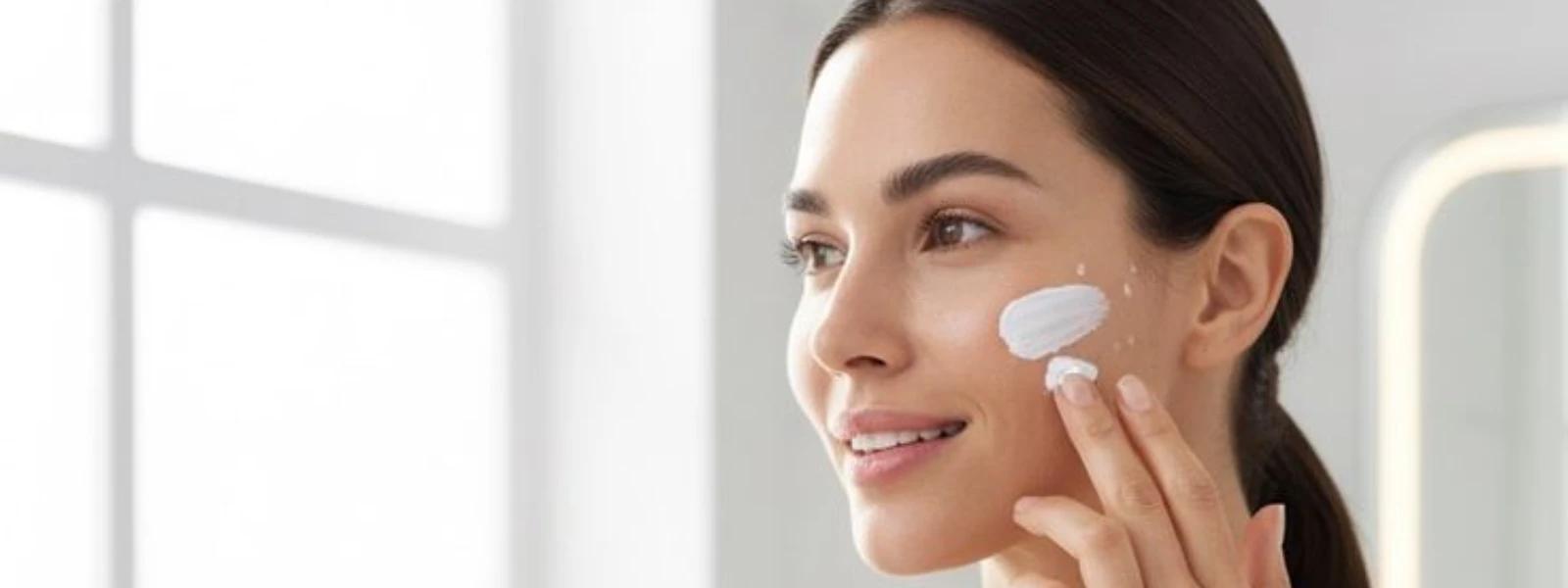


Dark Spot Reduction Set | 3-Step Routine for Hyperpigmentation & Even Skin Tone | Cleanser, Serum & Moisturizer | Skin Care Routine Kit
You've noticed those stubborn dark patches on your cheeks that seem to mock your skincare efforts. Or perhaps it's the constellation of sun spots across your forehead that appeared seemingly overnight. Whether it's post-acne marks that refuse to fade or melasma that arrived with hormonal changes, skin discoloration can feel like an unwelcome guest that's overstayed its welcome. The good news? Understanding how to treat discoloration effectively means you can reclaim your skin's natural radiance with the right approach and patience.
Before diving into treatments, it's crucial to understand what's actually happening beneath your skin's surface. Skin discoloration occurs when melanin production goes haywire, creating patches that are either darker or lighter than your natural skin tone. This isn't just a cosmetic concern—it's your skin's way of responding to various triggers and stressors.
The most common culprit behind dark spots is post-inflammatory hyperpigmentation, which develops after your skin experiences trauma from acne, cuts, or even aggressive skincare treatments. Your skin essentially overproduces melanin as part of its healing process, leaving behind those frustrating marks long after the original issue has resolved.
Sun exposure remains the leading cause of pigmentation issues. Those seemingly harmless beach days from years past can manifest as age spots and sun damage decades later. UV rays trigger melanin production as your skin's natural defence mechanism, but repeated exposure can cause this process to become irregular and patchy.
Hormonal fluctuations create another layer of complexity, particularly for women. Melasma, often called the "mask of pregnancy," can appear during pregnancy, whilst taking birth control, or during menopause. These hormonal shifts can make your skin more sensitive to sun exposure, creating those characteristic brown patches across the cheeks, forehead, and upper lip.
Hyperpigmentation encompasses various forms of dark spots, from tiny freckles to larger patches of melasma. Sun spots, also known as solar lentigines, typically appear on areas with the most sun exposure—your face, hands, shoulders, and décolletage.
On the flip side, hypopigmentation creates light patches where melanin production has decreased. This can result from certain skin conditions, injuries, or even aggressive treatments that have damaged melanin-producing cells.
The foundation of any effective pigmentation correction routine lies in consistent topical treatments. These work by either inhibiting melanin production, accelerating cell turnover, or both. The key is understanding which ingredients work best for your specific type of discoloration and skin sensitivity level.
Starting with topical treatments allows you to gauge your skin's response before considering more aggressive interventions. Many people see significant improvement with dedicated at-home care, making this the logical first step in your journey to fade dark spots.
Hydroquinone remains the gold standard for treating hyperpigmentation, working by inhibiting the enzyme responsible for melanin production. Available in concentrations up to 2% over-the-counter or higher percentages through prescription, it's particularly effective for melasma and stubborn dark spots. However, it requires careful use and shouldn't be applied indefinitely.
Retinoids, including prescription tretinoin and over-the-counter retinol, accelerate cell turnover whilst inhibiting melanin transfer. This dual action makes them incredibly effective for both preventing new discoloration and fading existing spots. Start slowly to build tolerance, as retinoids can initially cause irritation.
Vitamin C serums work as powerful antioxidants whilst inhibiting melanin production. L-ascorbic acid is the most potent form, though magnesium ascorbyl phosphate offers a gentler alternative for sensitive skin. Apply in the morning under SPF for maximum benefit.
Niacinamide offers gentle yet effective skin brightening properties without the irritation potential of stronger actives. It works by preventing melanin transfer from melanocytes to skin cells, making it excellent for daily use and suitable for all skin types.

Target & Fade Duo for Hyperpigmentation | Even-Tone Underarms, Inner Thighs & Bum | Refines Skin Texture | For All Skin Types
Alpha hydroxy acids like glycolic and lactic acid provide gentle exfoliation that helps fade surface-level discoloration whilst improving overall skin texture. Azelaic acid deserves special mention for its anti-inflammatory properties, making it particularly beneficial for post-acne hyperpigmentation.
Kojic acid and arbutin offer natural alternatives to hydroquinone, working more gently but requiring longer treatment periods to see results. These ingredients are excellent for maintenance therapy or for those who prefer natural-derived actives.
Successful hyperpigmentation treatment requires strategic layering to avoid irritation whilst maximising efficacy. Apply vitamin C in the morning under SPF, use retinoids in the evening, and incorporate AHAs or BHAs 2-3 times weekly. Always introduce new actives gradually and never combine potentially irritating ingredients in the same application.
When topical treatments plateau or you're dealing with particularly stubborn discoloration, professional procedures can provide the breakthrough you need. These treatments work by either removing pigmented skin layers or breaking up melanin deposits more aggressively than at-home options allow.
Professional treatments often deliver faster results than topical treatments alone, making them appealing for special events or when you've exhausted gentler options. However, they require proper aftercare and realistic expectations about downtime and results.
Intense Pulsed Light (IPL) targets melanin deposits with broad-spectrum light, making it particularly effective for sun spots removal and general skin brightening. The treatment feels like rubber band snaps against the skin, and treated spots typically darken before flaking off over 7-14 days.
Q-switched lasers offer more precise targeting for specific dark spots, using short pulses of high-energy light to shatter melanin particles. This treatment is excellent for isolated sun spots and age spots but requires multiple sessions for optimal results.
Fractional lasers create controlled micro-injuries to stimulate skin renewal whilst targeting pigmentation. This approach improves overall skin tone and texture alongside addressing discoloration, though it involves more downtime than other laser options.
Light peels using glycolic or salicylic acid provide gentle exfoliation suitable for maintenance and mild discoloration. These can be done monthly with minimal downtime, making them perfect for busy lifestyles.
Medium-depth peels using trichloroacetic acid (TCA) penetrate deeper to address more stubborn pigmentation. These require 7-10 days of peeling and careful sun avoidance but can dramatically improve uneven skin tone and texture.
Microneedling creates controlled micro-channels that enhance product penetration whilst stimulating collagen production. When combined with topical brightening agents, it can significantly improve treatment efficacy for resistant pigmentation.
Whilst professional treatments and proven actives form the backbone of effective discoloration treatment, certain natural ingredients can provide gentle support for your skin brightening efforts. Understanding their limitations helps set realistic expectations whilst incorporating them safely into your routine.
Natural remedies work best as complementary treatments rather than standalone solutions for significant discoloration. They're particularly valuable for sensitive skin types who cannot tolerate stronger actives or as maintenance therapy between professional treatments.

Mineral Sunscreen SPF 50 | Matte Finish | No White Cast | Non-Nano Zinc Oxide | Cica | Pregnancy Safe | All Skin Types | 50ml
Aloe vera contains aloin, which has demonstrated melanin-inhibiting properties in studies. Fresh aloe gel can be applied directly to dark spots, though commercial preparations may lack sufficient active concentrations for significant lightening effects.
Green tea extract provides powerful antioxidant protection whilst offering mild brightening benefits. Regular application of cooled green tea or products containing green tea extract can help prevent further discoloration whilst providing gentle improvement to existing spots.
Licorice root extract contains glabridin, which inhibits melanin production naturally. This ingredient appears in many commercial brightening products and can be effective for mild discoloration when used consistently over time.
Home remedies like lemon juice, baking soda scrubs, or apple cider vinegar can actually worsen pigmentation by causing irritation and inflammation. These DIY approaches often disrupt your skin's natural pH balance and can lead to post-inflammatory hyperpigmentation, particularly in darker skin tones.
The most effective approach to managing skin discoloration combines active treatment with rigorous prevention. Even the most successful melasma treatment or age spots removal can be undone by inadequate sun protection and poor lifestyle choices.
Prevention becomes particularly crucial once you've invested time and money in clearing existing discoloration. Think of it as protecting your investment—every day without proper sun protection can undo weeks of treatment progress.
Daily SPF application isn't negotiable when treating discoloration. Choose broad-spectrum SPF 30 or higher and apply generously 20 minutes before sun exposure. Reapplication every two hours becomes critical during extended outdoor activities, even on cloudy days when UV rays penetrate cloud cover.
Physical barriers like wide-brimmed hats, UV-protective clothing, and seeking shade during peak hours (10 AM to 4 PM) provide additional protection that sunscreen alone cannot offer. Consider these especially important during the initial months of treatment when your skin may be more photosensitive.
Hormonal fluctuations can trigger or worsen melasma, making it important to discuss treatment timing with your healthcare provider if you're considering pregnancy or changing contraceptive methods. Stress management and adequate sleep support overall skin health and can improve treatment outcomes.
An anti-inflammatory diet rich in antioxidants may help prevent oxidative stress that contributes to pigmentation. Whilst diet alone won't clear existing spots, it supports your skin's natural repair processes alongside topical treatments.
Recognising when professional intervention becomes necessary can save you time, money, and potential skin damage from ineffective self-treatment. Certain types of discoloration require medical evaluation to rule out underlying conditions and ensure appropriate treatment selection.
Professional guidance becomes particularly valuable for darker skin tones, where aggressive treatments can potentially cause permanent hypopigmentation or worsening of existing discoloration. A dermatologist can assess your specific skin type and pigmentation pattern to recommend the safest, most effective approach.

Salicylic Acid Face Cleanser | Deep Cleansing Formula for Breakouts | Unclogs Pores & Controls Oil | For Oily & Acne-Prone Skin | 100ml
Any sudden changes in existing spots—including changes in size, colour, texture, or symmetry—warrant immediate professional evaluation. These changes could indicate skin cancer or other serious conditions that require medical treatment rather than cosmetic intervention.
Discoloration that doesn't respond to 3-6 months of consistent topical treatment may require professional assessment to identify underlying causes or recommend stronger prescription treatments. This is particularly true for melasma, which often requires combination therapy for effective management.
A dermatologist can perform detailed skin analysis using tools like Wood's lamp examination to identify the depth and extent of pigmentation. This information guides treatment selection and helps set realistic expectations for improvement timelines.
Professional monitoring becomes essential when using prescription-strength treatments like hydroquinone or tretinoin, ensuring optimal results whilst minimising side effects. Regular follow-ups allow for treatment adjustments based on your skin's response and any emerging concerns.
Most topical treatments require 8-12 weeks of consistent use before noticeable improvement appears. Professional treatments like chemical peels or laser therapy may show results in 4-8 weeks, though multiple sessions are typically needed. Remember that skin cell turnover takes approximately 28 days, so patience is essential for any treatment approach.
The reversibility of discoloration depends on its underlying cause and depth. Surface-level pigmentation from sun damage or post-acne marks often responds well to treatment and can be significantly improved or eliminated. Deeper pigmentation from hormonal causes like melasma may require ongoing management rather than complete elimination.
Many common pigmentation treatments, including hydroquinone and retinoids, are not recommended during pregnancy. Safe options include vitamin C, azelaic acid, and gentle physical sun protection. Always consult your healthcare provider before starting any new skincare treatments during pregnancy or breastfeeding.
Some treatments, particularly chemical peels and laser therapies, can cause temporary darkening as pigmented cells are brought to the surface before shedding. This is normal and typically resolves within 1-2 weeks. However, if darkening persists or worsens, discontinue treatment and consult a professional.
Whilst natural ingredients like vitamin C, aloe vera, and green tea can provide gentle brightening effects, they're typically insufficient for severe or deep pigmentation. They work best as supportive treatments alongside proven actives or as maintenance therapy after professional treatment.
Successfully treating skin discoloration requires understanding your specific type of pigmentation and choosing appropriate treatments accordingly. Whether you're dealing with post-acne marks, sun damage, or hormonal melasma, consistency and patience remain your greatest allies in achieving clearer, more even-toned skin.
The journey to fade dark spots and achieve uniform skin tone isn't always linear—expect some trial and error as you find the right combination of treatments for your skin. Start with gentler topical options, maintain religious sun protection, and don't hesitate to seek professional guidance when needed.
For those exploring new skincare solutions, platforms like Smytten offer the opportunity to try proven brightening products through samples before committing to full sizes. With over 28 million users discovering effective skincare solutions, you can explore curated options from trusted brands whilst earning cashback on your purchases. Your skin's journey to clarity deserves the right products and the confidence that comes from trying before you buy.
