How to Treat Dark Underarms for Indian Skin This Monsoon


Dark Spot Serum For Pigmentation | With Niacinamide, Alpha Arbutin & MelaMe Complex | Fades Melasma & Acne Marks | For Oily & Dry Skin | 30ml
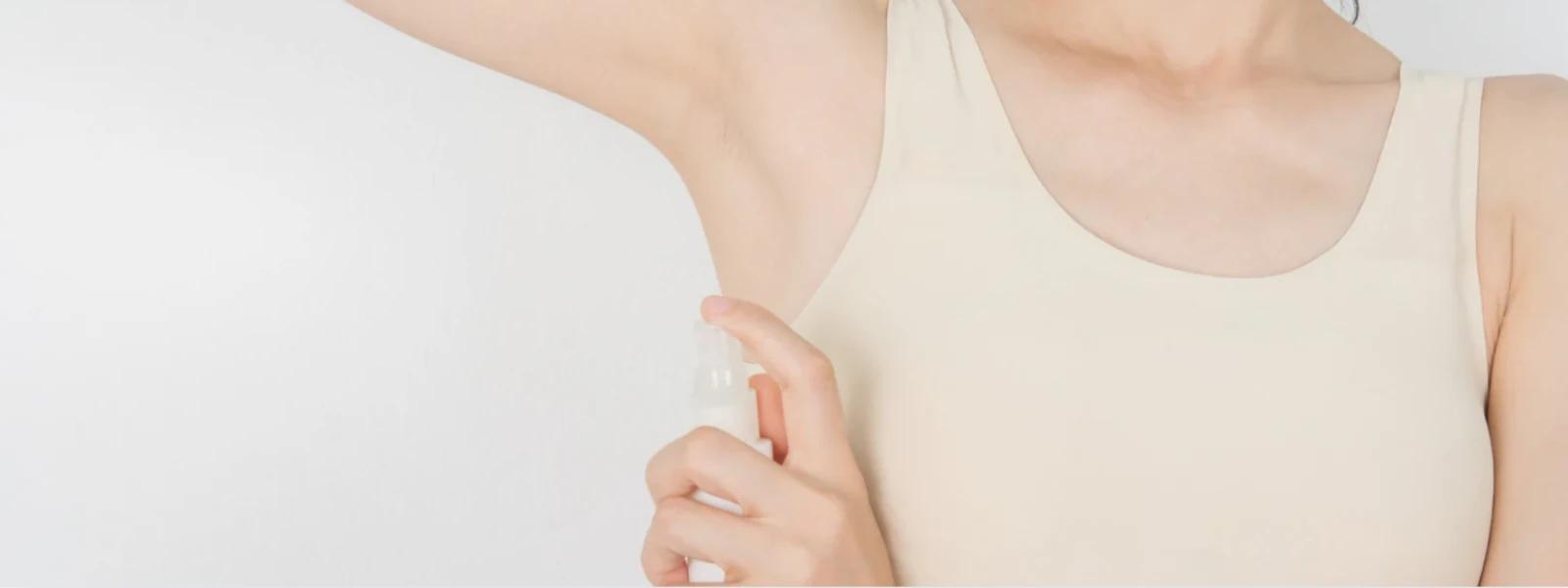
That awkward moment when you raise your arms and notice those stubborn dark patches peeking out. If you've been dealing with underarm darkness that seems to worsen during monsoon season, you're definitely not alone. The combination of increased humidity, sweat, and friction from damp clothing can make hyperpigmentation more noticeable, especially for Indian skin types that are naturally more prone to pigmentation issues. The good news? There are proven ways to tackle this concern, from gentle home remedies to targeted treatments that work beautifully in our humid climate.
Before diving into solutions, it's worth understanding why this happens in the first place. Indian skin contains higher levels of melanin, which provides natural protection against UV damage but also makes us more susceptible to hyperpigmentation when the skin gets irritated or inflamed.
Our skin's melanin production works differently compared to lighter skin tones. When there's friction, irritation, or hormonal changes, melanocytes (the cells that produce pigment) go into overdrive. This is why you might notice that small nicks from shaving or constant rubbing from tight clothes can leave lasting dark marks. Acanthosis nigricans, a common condition in Indian populations, can also contribute to velvety, dark patches in areas like underarms, neck, and groin.
Monsoon brings its own set of challenges for underarm care. The increased humidity means more sweat production, creating the perfect environment for bacterial growth. When sweat mixes with deodorant residue and gets trapped against the skin by damp clothing, it can cause irritation and inflammation. This constant moisture also makes the skin more sensitive, so even gentle friction from clothing can trigger pigmentation. The lack of proper air circulation during monsoon months means these conditions persist longer, giving pigmentation more time to develop and darken.
Synthetic fabrics become your skin's enemy during monsoon because they don't breathe well and trap moisture against your body. Frequent shaving with dull razors becomes more problematic when the skin is already sensitive from humidity. Heavy deodorant buildup is another culprit - many people apply extra product thinking it'll help with increased sweating, but this can actually clog pores and cause irritation.
Understanding what's causing your underarm darkness helps you choose the right treatment approach. Sometimes it's purely cosmetic, but other times there might be underlying factors that need addressing.
Acanthosis nigricans is surprisingly common and often linked to insulin resistance or diabetes. If you notice the darkening is spreading or getting thicker, it's worth checking with a dermatologist. Hormonal fluctuations during monsoon - yes, weather can affect hormones - can also trigger increased pigmentation. PCOS, thyroid issues, and even certain medications can make you more prone to developing dark patches.
Poor ventilation in homes during rainy season means you're spending more time in humid, poorly ventilated spaces. This affects your skin's ability to breathe and recover. Many people also skip their regular exfoliation routine during monsoon, thinking their skin is too sensitive, but gentle exfoliation is actually more important during humid months to prevent buildup of dead skin cells.

2% Kojic Acid Serum | Dark Spot & Pigmentation Care | Alpha Arbutin + Niacinamide | Even-Tone Formula | For All Skin Types | 30ml
Home remedies can be surprisingly effective, especially when used consistently. The key is choosing ingredients that work well in humid conditions and won't cause additional irritation.
Potato juice contains vitamin C and mild acids that can help lighten pigmentation. Grate a fresh potato, extract the juice, and apply it to clean underarms for 15 minutes before rinsing. The cooling effect also feels lovely in humid weather. For a lemon and turmeric paste, mix one teaspoon of turmeric with fresh lemon juice to form a paste. Apply for 10 minutes maximum - any longer can cause irritation, especially in monsoon when skin is more sensitive.
A gentle baking soda scrub works well for removing dead skin buildup. Mix one tablespoon of baking soda with enough water to form a paste, gently scrub in circular motions, then rinse thoroughly. This helps remove deodorant buildup and dead skin that can make darkness appear worse.
Fitkari (alum) has been used for generations and works particularly well in humid conditions because of its antimicrobial properties. Wet a piece of alum and rub it gently on clean underarms, leave for 5 minutes, then rinse. It helps control bacteria while gently lightening pigmentation. Neem and turmeric combinations are perfect for monsoon because neem's antibacterial properties prevent the bacterial overgrowth that humid weather encourages.
Cucumber and mint treatments provide cooling relief while working on pigmentation. Blend cucumber with fresh mint leaves, apply the paste for 20 minutes, then rinse. The cooling effect feels amazing in humid weather, and both ingredients contain mild bleaching properties. Coconut oil and lime applications work well because coconut oil doesn't feel heavy in humidity and lime provides gentle exfoliation.
When home remedies aren't enough, targeted products can provide faster results. The trick is choosing formulations that work well in our humid climate.
Kojic acid is excellent for humid conditions because it's stable and doesn't break down in moisture like some other lightening agents. Niacinamide is particularly brilliant during monsoon because it controls oil production while working on pigmentation - a double win when you're dealing with increased sweating. Look for hydroquinone alternatives like arbutin or licorice extract, which are gentler on Indian skin and less likely to cause irritation in humid weather.
Gel-based treatments absorb better in humid conditions compared to heavy creams that can feel sticky and trap moisture. Lightweight serums penetrate faster and don't leave residue that can mix with sweat. Sweat-resistant formulations are specifically designed to stay active even when you perspire, making them ideal for monsoon use.

Dark Spot Serum For Pigmentation | With Niacinamide & Alpha Arbutin | Fades Melasma & Acne Marks | For Oily & Dry Skin | Pack of 2 | 30ml
Always start with completely clean, dry skin. Apply treatments at night when you're less likely to sweat them off. In monsoon, consider applying a thin layer, letting it absorb completely, then applying a second thin layer for better penetration without heaviness.
Sometimes professional intervention provides the fastest and most effective results, especially for deep-set pigmentation that hasn't responded to home treatments.
Laser therapy for underarm pigmentation typically costs between ₹2,500 to ₹5,000 per session, with most people needing 4-6 sessions for significant improvement. Chemical peels using glycolic acid or lactic acid are gentler options that work well on Indian skin, usually priced around ₹1,500 to ₹3,000 per session. Prescription tretinoin or hydroquinone combinations can provide excellent results but require careful monitoring by a dermatologist.
If you've tried consistent home treatments for 6-8 weeks without improvement, or if the darkness is spreading or becoming thicker, it's time to consult a dermatologist. Sometimes underlying conditions like diabetes or hormonal imbalances need addressing before topical treatments can be effective.
Prevention is always easier than treatment, especially during challenging weather conditions like monsoon.
Start your morning with a gentle cleanse using a mild, pH-balanced cleanser. Pat dry completely before applying any deodorant or treatment products. Midday refresh with gentle wipes or a damp cloth to remove sweat buildup without harsh rubbing. Your nighttime routine should include thorough cleansing to remove all product buildup, followed by your chosen treatment product.
Cotton and bamboo fabrics are your best friends during monsoon because they allow air circulation and absorb moisture naturally. Avoid tight-fitting synthetic materials that trap sweat and create friction. Quick-dry fabrics designed for athletic wear can also work well because they wick moisture away from skin.

Target & Fade Duo for Hyperpigmentation | Even-Tone Underarms, Inner Thighs & Bum | Refines Skin Texture | For All Skin Types
Gentle cleansing twice daily helps prevent bacterial buildup without over-drying the skin. After cleansing, ensure the area is completely dry before applying any products. Choose deodorants with antimicrobial properties rather than just fragrance, and consider switching to a lighter formula during particularly humid days.
Consistent use of natural ingredients like potato juice, lemon, and turmeric can help lighten dark patches over time. Apply these treatments daily for 2-3 weeks to see noticeable improvement. Remember to moisturise after treatment to prevent dryness.
Focus on keeping the area clean and dry, use breathable fabrics, and apply treatments at night when there's less sweating. Gel-based products work better than creams in humid conditions.
Fitkari (alum) can help lighten underarms gradually due to its mild bleaching and antimicrobial properties. Use it consistently for 4-6 weeks, applying wet alum to clean skin for 5 minutes before rinsing.
Combine gentle exfoliation, natural lightening treatments, and proper hygiene. Use ingredients like niacinamide or kojic acid that work well in humidity, and ensure your clothing allows proper air circulation.
While significant lightening takes time, you can see some improvement in 3 days using potato juice twice daily, gentle baking soda exfoliation, and ensuring the area stays clean and dry. Realistic expectations are important - true lightening takes weeks of consistent care.
Combine daily application of natural acids (lemon, potato juice) with gentle exfoliation and proper hygiene. Consistency matters more than intensity - gentle daily care beats aggressive weekly treatments.
Treating dark underarms during monsoon requires patience and the right approach for our climate. Whether you choose natural remedies or targeted products, consistency is key to seeing real results. Remember that Indian skin responds beautifully to gentle, sustained care rather than harsh, quick fixes. The combination of proper hygiene, suitable clothing choices, and targeted treatments can help you feel confident raising your arms, regardless of the weather. For those looking to explore professional-grade products and treatments, platforms like Smytten offer curated selections from trusted brands, allowing you to try products before committing to full sizes - particularly helpful when you're testing what works best for your skin during different seasons.
