How to Treat Acne: Your Complete FAQ Guide


2% Salicylic Acid Face Serum | Reduces Open Pores, Blackheads & Whiteheads | With 5% Niacinamide | For All Skin Types | 30ml
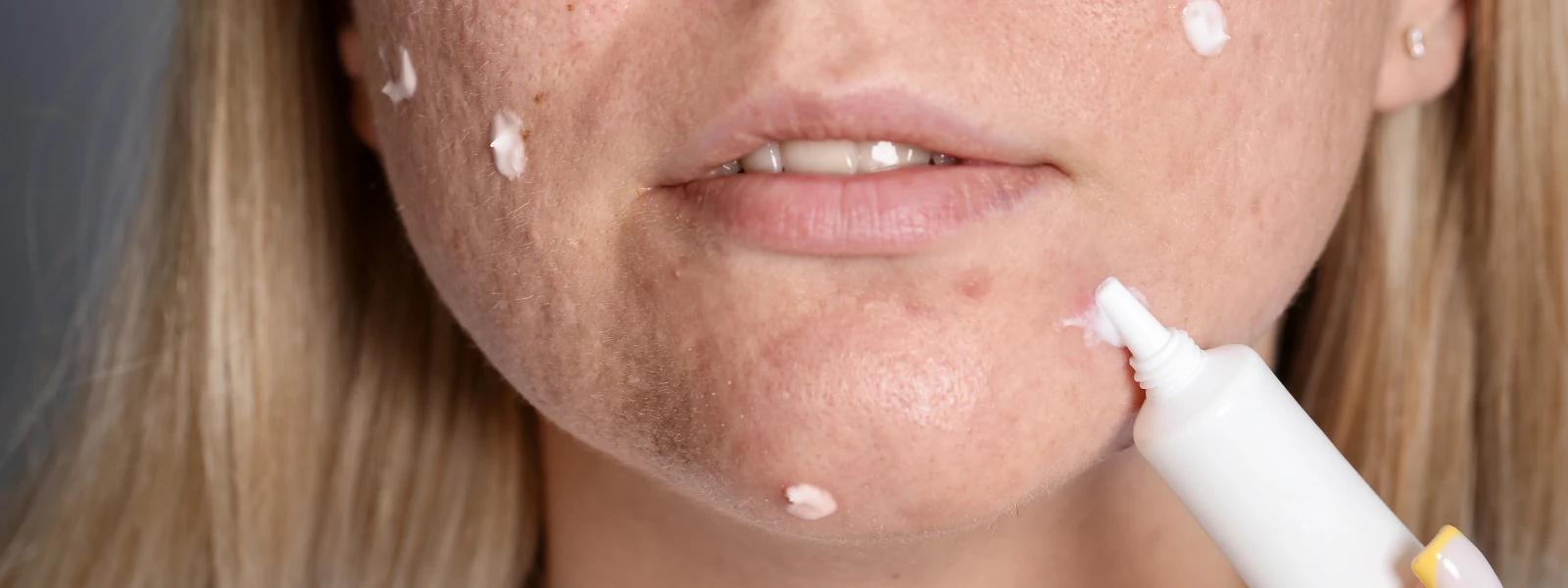
You've tried everything. The gentle cleansers, the spot treatments, the expensive serums your friend swears by. Yet here you are, staring at another breakout in the mirror, wondering why nothing seems to work. If this sounds familiar, you're not alone—85% of people experience acne at some point, and most of us make the same treatment mistakes that keep us stuck in the breakout cycle. The good news? Understanding how to treat acne properly isn't about finding a miracle cure; it's about building a routine that actually works with your skin, not against it.
Before diving into solutions, let's talk about what's actually happening beneath your skin. Acne forms when four factors collide: excess oil production, dead skin cells clogging pores, bacteria (specifically C. acnes), and inflammation. Your hormones, genetics, and environment all play starring roles in this process.
Here's where most people go wrong: they treat acne like it's a surface problem. You scrub harder, pile on more products, and expect results overnight. But effective acne treatment requires patience and consistency. Most dermatologists agree that you need at least 6-12 weeks to see real improvement, because that's how long it takes for your skin to complete its natural renewal cycle.
The biggest misconception? That acne is caused by poor hygiene or eating too much chocolate. While diet can influence breakouts for some people, the primary drivers are hormonal fluctuations and genetic predisposition. This is why your mate's holy grail product might do absolutely nothing for your skin—what works depends entirely on your unique skin chemistry.
Building a solid foundation is crucial for anyone learning how to treat acne effectively. Think of your routine as the steady base that allows active treatments to work properly.
Start with a gentle facial cleanser that removes oil and debris without stripping your skin. Look for non-foaming formulas with ingredients like salicylic acid or gentle surfactants. Cleanse twice daily—morning and evening—but resist the urge to scrub. Your skin isn't dirty; it's sensitive.
Next, moisturise with an oil-free, non-comedogenic formula. Yes, even oily, acne-prone skin needs hydration. When your skin barrier is compromised, it actually produces more oil to compensate, creating a vicious cycle of blemishes and irritation.
Finally, never skip SPF during the day. Sun damage can worsen acne scars and cause post-inflammatory hyperpigmentation. Choose a broad-spectrum SPF 30 or higher that won't clog pores.
Over-cleansing is the enemy of clear skin. Washing your face more than twice daily or using harsh scrubs will only irritate your skin and trigger more breakouts. Similarly, layering too many active ingredients at once can cause irritation and compromise your skin barrier.
Consistency matters more than perfection. It's better to stick with a simple routine for months than to constantly switch products every few weeks when you don't see immediate results.
Now for the active ingredients that can genuinely help manage breakouts. These are the workhorses of effective acne treatment, each targeting different aspects of the acne formation process.

Target & Fade Duo for Hyperpigmentation | Even-Tone Underarms, Inner Thighs & Bum | Refines Skin Texture | For All Skin Types
Salicylic acid is oil-soluble, which means it can penetrate into your pores and dissolve the mixture of oil and dead skin cells that cause blockages. It's particularly effective for blackheads and whiteheads, working as both a treatment and prevention method.
Start with a 0.5-2% concentration in serum form for targeted treatment, or look for cleansers with 0.5% for daily maintenance. Use it once daily initially, then gradually increase frequency as your skin builds tolerance.
When bacteria are driving your breakouts, benzoyl peroxide is your best friend. It kills acne-causing bacteria on contact and helps prevent new pimples from forming. Available in concentrations from 2.5% to 10%, but don't assume stronger is better—2.5% is often just as effective with fewer side effects.
Apply as a spot treatment on active breakouts or use a thin layer over your entire face if you're prone to widespread acne. Always start slowly and build up tolerance, as it can cause dryness and irritation initially.
Adapalene, an over-the-counter retinoid, is brilliant for preventing new breakouts by increasing cell turnover and preventing pores from clogging. It's also helpful for reducing the appearance of acne scars over time.
Start with a pea-sized amount every other night, gradually working up to nightly use. Expect some initial dryness and possible purging—this is normal and typically subsides after 4-6 weeks.
Niacinamide helps regulate oil production and reduces inflammation, making it an excellent supporting player in your acne-fighting routine. Azelaic acid offers both antibacterial and anti-inflammatory benefits whilst helping to fade post-acne marks.
Whilst over-the-counter treatments are typically more effective, some natural ingredients do have research backing their use for acne. Tea tree oil has antimicrobial properties, though it should always be diluted to prevent irritation. Zinc supplements may help reduce inflammation for some people, particularly those with hormonal acne.
Green tea contains antioxidants that can soothe inflamed skin when used topically. However, be realistic about what natural acne remedies can achieve—they're best used as supportive treatments alongside proven actives, not as standalone solutions.
Diet does play a role for some people. High-glycemic foods and dairy products may trigger breakouts in susceptible individuals. If you suspect food triggers, try eliminating potential culprits for 6-8 weeks to see if your skin improves.

Mineral Sunscreen SPF 50 | Matte Finish | No White Cast | Non-Nano Zinc Oxide | Cica | Pregnancy Safe | All Skin Types | 50ml
Some acne requires professional intervention. If you're dealing with painful, cystic breakouts, widespread inflammation, or if over-the-counter treatments haven't helped after 3 months of consistent use, it's time to see a dermatologist.
Professional treatments include stronger retinoids, oral antibiotics for bacterial acne, and hormonal treatments for women with hormone-driven breakouts. For severe cases, isotretinoin (formerly Accutane) can provide long-term remission, though it requires careful monitoring.
Don't wait until you have significant scarring to seek help. Early intervention can prevent permanent damage and get your skin back on track more quickly.
Your skin care routine is just one piece of the puzzle. Daily habits can either support your efforts or sabotage them entirely.
Never pick, squeeze, or pop your spots. This can push bacteria deeper into the skin, cause scarring, and spread infection to surrounding areas. It's tempting, but it always makes things worse in the long run.
Check that your makeup, hair products, and even laundry detergent are non-comedogenic. Hidden pore-cloggers can undermine even the best treatment routine.
Manage stress through regular exercise, adequate sleep, and relaxation techniques. Chronic stress increases cortisol levels, which can trigger breakouts and slow healing.
Change your pillowcase frequently and clean your phone screen regularly—both can harbour bacteria that transfer to your face. Small changes like these can make a surprising difference in maintaining clear skin.
There's no overnight cure for acne, but you can speed up healing with targeted spot treatments containing benzoyl peroxide or salicylic acid. Most people see initial improvement within 4-6 weeks of consistent treatment, with significant results taking 3-4 months. The key is patience and consistency rather than searching for quick fixes.
Complete acne elimination isn't realistic for most people, as factors like hormones and genetics play ongoing roles. However, you can achieve significant improvement and long-term management through a combination of proper skin care, lifestyle modifications, and professional treatment when needed. The goal is controlling breakouts, not perfection.

Salicylic Acid Face Cleanser | Deep Cleansing Formula for Breakouts | Unclogs Pores & Controls Oil | For Oily & Acne-Prone Skin | 100ml
Natural approaches include using diluted tea tree oil, maintaining a low-glycemic diet, managing stress, and ensuring adequate sleep. However, natural methods work best as supportive treatments alongside proven ingredients like salicylic acid and benzoyl peroxide. Don't rely solely on home remedies for moderate to severe acne.
Prevention focuses on maintaining a consistent routine with gentle cleansing, appropriate moisturising, and targeted treatments. Use non-comedogenic products, avoid over-cleansing, and be patient with your routine. Most importantly, don't pick at your skin, as this can worsen breakouts and lead to scarring.
Benzoyl peroxide is highly effective for bacterial acne, with studies showing significant improvement in 70-80% of users within 8-12 weeks. Start with 2.5% concentration to minimise irritation, and always use sunscreen as it can increase photosensitivity. Combine with a good moisturiser to prevent excessive dryness.
No legitimate treatment can cure acne in 3 days. Skin cell turnover takes 28 days, and meaningful improvement requires consistent treatment over months. Beware of products or methods claiming rapid results—they often cause more harm than good through over-treatment or harsh ingredients.
See a dermatologist if you have painful, cystic acne, widespread breakouts covering large areas of your face or body, or if over-the-counter treatments haven't helped after 3 months of consistent use. Also seek professional help if you're developing acne scars or if acne is significantly affecting your mental health.
Start with gentle cleansing, use proven ingredients like salicylic acid or benzoyl peroxide in low concentrations, and always moisturise and use SPF. Introduce new products gradually, patch test first, and never combine multiple harsh treatments. If irritation occurs, scale back and give your skin time to recover.
Learning how to treat acne effectively is a journey, not a destination. What works for your skin might be different from what works for others, and that's completely normal. The key is building a routine you can stick with long-term, using proven ingredients, and being patient with the process.
Remember, achieving clear skin isn't about perfection—it's about finding what works for your unique skin and lifestyle. Whether you're exploring new products through sample programmes or working with a dermatologist, the most important thing is consistency and realistic expectations.
Your skin deserves the same patience and care you'd give any other aspect of your health. With the right approach and a bit of time, you can build a routine that not only manages breakouts but helps you feel confident in your own skin.
