How to Stop New Acne Marks From Forming on Indian Skin


Target & Fade Duo for Hyperpigmentation | Even-Tone Underarms, Inner Thighs & Bum | Refines Skin Texture | For All Skin Types
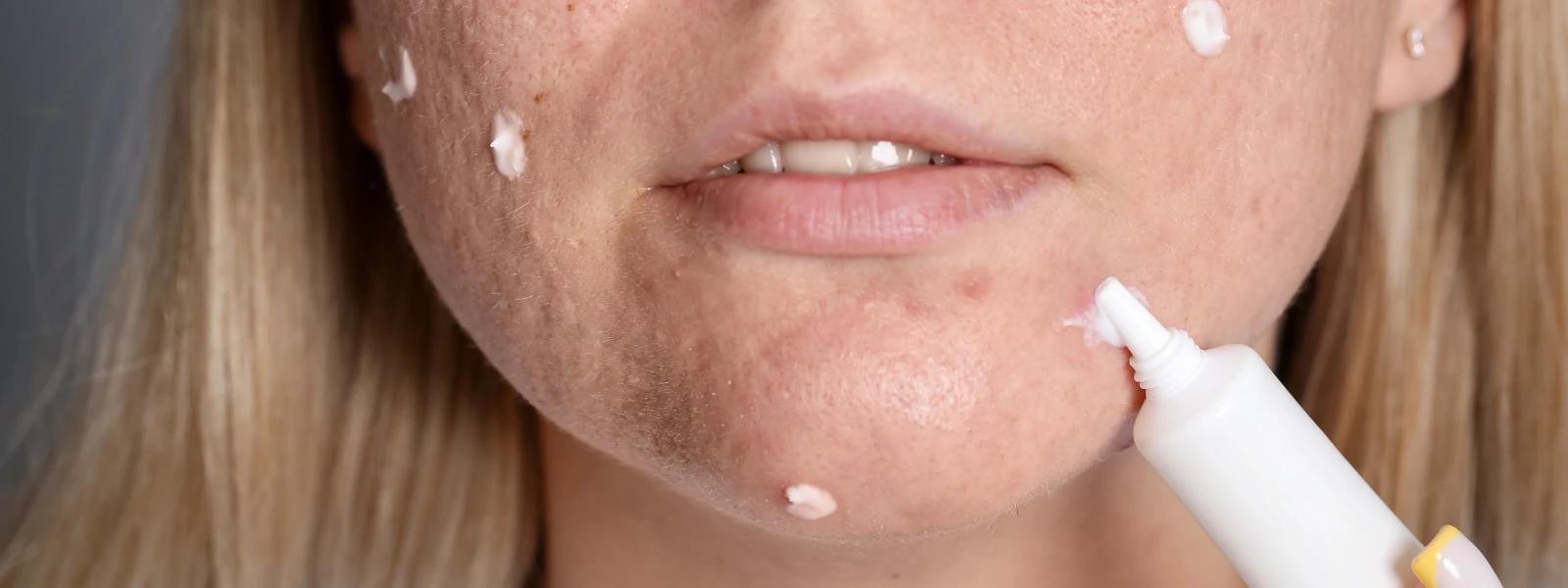
That stubborn dark spot where your last pimple was? You're not alone. For those of us with Indian skin, every breakout feels like it comes with a guarantee of leaving behind a mark that takes months to fade. The good news? Post-inflammatory hyperpigmentation doesn't have to be inevitable. With the right approach, you can actually stop new acne marks from forming in the first place, saving yourself months of treatment and frustration.
Before we dive into prevention, let's clear up the confusion between acne marks and scars. Most of what we call "acne scars" are actually post-inflammatory hyperpigmentation (PIH) - those flat, dark spots that appear after a pimple heals. True acne scars involve changes in skin texture, like pitted or raised areas.
PIH marks are your skin's response to inflammation. When a pimple forms, your skin produces extra melanin to protect the area. In Indian skin, which naturally has higher melanin content, this response is often more dramatic. The result? Those persistent dark spots that can take 6-12 months to fade naturally.
Indian skin typically develops brown to black marks rather than the red marks common in lighter skin tones. These marks appear most prominently on areas with higher oil production - your T-zone, jawline, and back. The deeper your natural skin tone, the more pronounced these marks tend to be.
Understanding why our skin behaves this way helps us prevent marks more effectively. It's not just about genetics - environmental factors play a huge role too.
Our skin's melanocytes (pigment-producing cells) are naturally more active, which is brilliant for sun protection but challenging when it comes to acne mark prevention. Add India's intense UV exposure, high humidity, and pollution levels, and you've got the perfect storm for hyperpigmentation. Even a minor pimple can trigger significant melanin production.
Real talk - many of us are unknowingly making marks worse. Over-scrubbing with harsh exfoliants, using products meant for different skin types, or skipping SPF because "it's cloudy" all contribute to mark formation. The biggest mistake? Picking at pimples, which can increase mark formation by up to 300%.
Prevention is genuinely easier than treatment. These strategies work best when you start them before marks have a chance to form.
This deserves its own section because it's that important. When you pick at a pimple, you're essentially creating a deeper wound that triggers more inflammation and melanin production. If you absolutely must extract something, use a warm compress first, then gently press with clean tissue - never your nails.

Mineral Sunscreen SPF 50 | Matte Finish | No White Cast | Non-Nano Zinc Oxide | Cica | Pregnancy Safe | All Skin Types | 50ml
The first 48 hours after a pimple starts healing are crucial. This is when your skin decides how much melanin to produce. Keep the area clean with a gentle cleanser, apply a thin layer of niacinamide serum to calm inflammation, and never skip your SPF. Think of this as damage control mode.
SPF isn't negotiable if you want to prevent acne marks. UV exposure can darken existing marks and trigger new pigmentation. Choose a broad-spectrum SPF 30 or higher that doesn't clog pores. Physical sunscreens with zinc oxide work particularly well for acne-prone skin, though they may need more blending on deeper skin tones.
Your routine should focus on three goals: preventing new breakouts, calming existing inflammation, and protecting against pigmentation triggers.
Start with a gentle, pH-balanced cleanser that removes overnight buildup without stripping your skin. Follow with a vitamin C serum - this antioxidant helps prevent pigmentation and protects against environmental damage. A lightweight, non-comedogenic moisturiser keeps your skin barrier healthy, and SPF seals the deal.
Evenings are for repair and treatment. Double cleanse if you wear makeup or sunscreen, then apply your active ingredients. Retinoids are gold standard for preventing both acne and marks, but start slowly - twice a week initially. AHAs like glycolic acid help with gentle exfoliation, while BHAs like salicylic acid keep pores clear.
Once or twice weekly, incorporate a clay mask to control excess oil without over-drying. Follow up with a hydrating treatment to maintain your skin barrier. Remember, over-treating can cause irritation, which leads to more marks.
While professional treatments work faster, natural remedies can be effective and budget-friendly options for hyperpigmentation treatment.
Turmeric has been used for centuries to brighten skin and reduce inflammation. Mix a pinch with honey or yoghurt for a gentle mask. Neem oil has antibacterial properties that help prevent new breakouts while being gentle on healing skin. Aloe vera gel soothes inflammation and may help prevent excessive pigmentation.

Salicylic Acid Face Cleanser | Deep Cleansing Formula for Breakouts | Unclogs Pores & Controls Oil | For Oily & Acne-Prone Skin | 100ml
Diluted lemon juice (1 part lemon to 3 parts water) can help brighten marks, but always patch test first and never use before sun exposure. Raw honey has antimicrobial properties and helps heal skin gently. Oatmeal mixed with honey makes an excellent gentle exfoliant for sensitive, mark-prone skin.
Try mixing 1 teaspoon turmeric powder with 2 tablespoons yoghurt and 1 teaspoon honey for a brightening mask. Use weekly and expect gradual results over 6-8 weeks. Always patch test new ingredients, especially if you have sensitive skin.
When home care isn't enough, professional treatments can significantly speed up results and prevent future mark formation.
Chemical peels using glycolic acid or salicylic acid are effective for Indian skin when done by qualified professionals. Costs typically range from ₹2,000-₹8,000 per session. Microneedling stimulates collagen production and helps with both active acne and marks, usually priced between ₹3,000-₹10,000 per session.
Kojic acid and arbutin are gentler alternatives to hydroquinone for long-term use. Look for serums containing 2-4% kojic acid or 1-2% arbutin. These ingredients work slowly but safely to prevent new pigmentation while gradually lightening existing marks.
If you're consistently getting new marks despite following prevention strategies, or if marks aren't fading after 6 months of consistent care, it's time to consult a dermatologist. They can prescribe stronger treatments and rule out underlying hormonal issues.
Preventing acne marks isn't just about skincare - your overall lifestyle plays a significant role in how your skin heals and responds to inflammation.
Anti-inflammatory foods like turmeric, green tea, and omega-3 rich fish can help reduce overall skin inflammation. Limit high-glycemic foods and dairy if you notice they trigger breakouts. In India's climate, staying hydrated is crucial - aim for 8-10 glasses of water daily.
Chronic stress increases cortisol levels, which can worsen acne and slow healing. Regular meditation, yoga, or even a 10-minute evening walk can help. Quality sleep (7-8 hours) is when your skin repairs itself most effectively.

Hydrating Moisturizer | Non-Comedogenic | Boosts Collagen & Hydrates Deeply | Ceramides + Niacinamide | For Normal to Dry Skin | 50g
During monsoon, focus on keeping skin clean and dry to prevent bacterial growth. Summer requires extra sun protection and oil control. Winter might need more hydration to prevent the dryness that can trigger compensatory oil production.
With consistent prevention strategies, you should notice fewer new marks forming within 4-6 weeks. Existing marks may take 3-6 months to fade significantly, depending on their depth and your skin's natural turnover rate.
Start with one active ingredient and gradually introduce others. Using too many actives simultaneously can cause irritation, which actually increases mark formation. A good rule is to alternate nights between different actives.
Not necessarily. Effective ingredients like niacinamide, salicylic acid, and vitamin C are available in budget-friendly formulations. Focus on finding products with proven ingredients rather than premium packaging.
Flat, discoloured marks (PIH) typically fade over time, though it may take 6-12 months. Raised or pitted marks are true scars and usually require professional treatment. When in doubt, consult a dermatologist.
Not all oils are comedogenic. Jojoba oil, rosehip oil, and squalane can actually help heal skin without clogging pores. Avoid heavy oils like coconut oil on your face, but don't fear all oils entirely.
Preventing acne marks on Indian skin requires patience, consistency, and the right approach for your skin type. The key is starting prevention strategies early, being gentle with your skin, and never skipping sun protection. Remember, every skin journey is unique - what works for your friend might need tweaking for you.
If you're looking to experiment with new products safely, platforms like Smytten Shop offer sample sizes of premium skincare brands, letting you test formulations before committing to full sizes. With over 28 million users discovering products this way, you can explore everything from gentle cleansers to targeted serums without the risk of wasting money on products that don't suit your skin.
Your skin will notice the difference when you prioritise prevention over treatment. Start with one or two changes, be consistent, and give your skin time to respond. Those stubborn marks don't have to be part of your story.
